
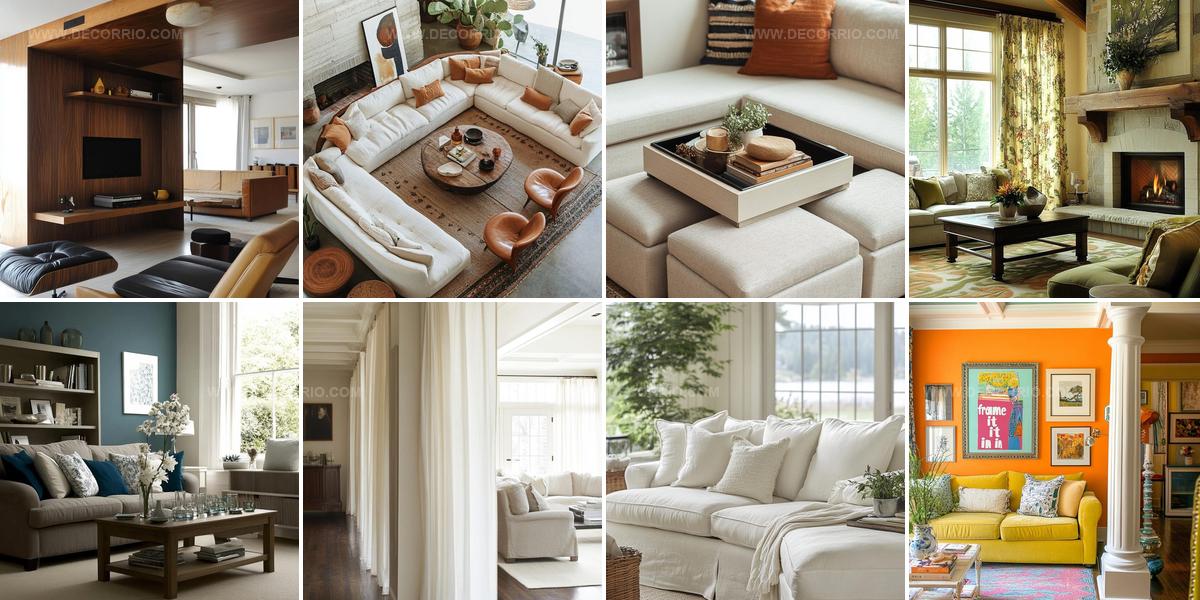
13 Awkward Living Room Layouts That Actually Work

Awkward living room layouts can make even the most beautiful spaces feel disconnected and difficult to use.
Many homes feature rooms with unusual dimensions, off-center windows, or doorways that interrupt natural furniture placement.
The challenge becomes finding ways to arrange seating and storage so the area feels both functional and inviting.
Sometimes a room's quirks stem from architectural features that seem to work against comfortable living rather than supporting it.
The good news is that every tricky space has hidden potential waiting to be unlocked through smart arrangement choices.
Understanding how to work with unusual proportions helps turn frustrating floor plans into rooms that actually make sense.
With the right approach, you can transform challenging dimensions into a layout that feels perfectly suited to how you live.
Area Rugs Anchor Open Floor Plans
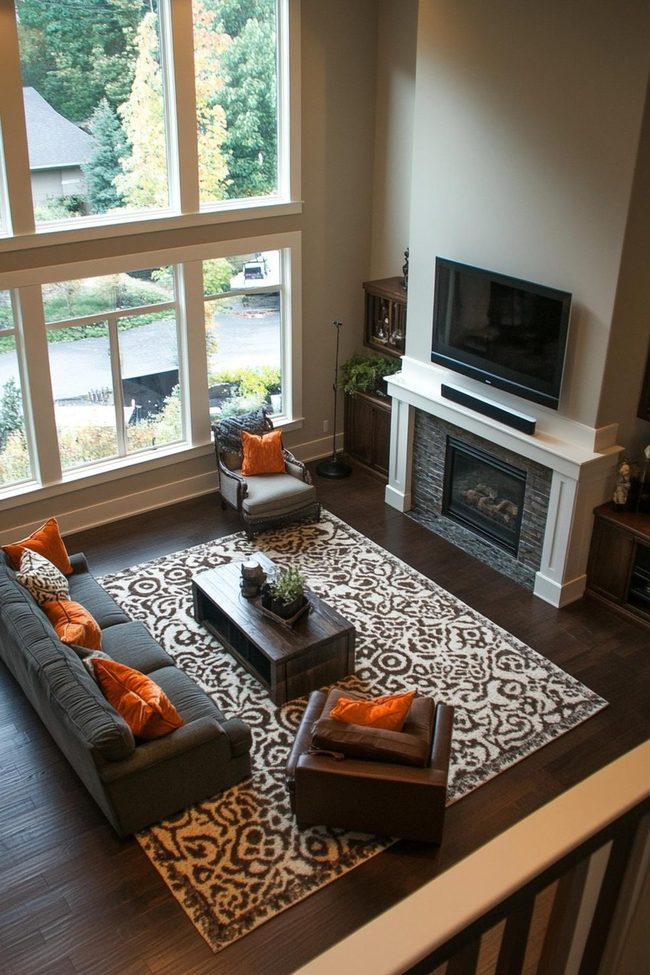
Area rugs solve one of the biggest challenges in modern homes, awkward layouts and open floor plans that lack definition.
Bold patterned rugs under your TV seating immediately establish where your entertainment zone lives, while a plush shag rug in your reading nook practically invites you to settle in with a good book.
Runner rugs work across strangely shaped rooms to connect different zones and guide people naturally from one space to another.
Floating your furniture groupings on rug "islands" creates pockets of intimacy within larger living areas and makes open spaces feel purposeful instead of empty.
Layering rugs throughout your room helps the whole layout flow together and prevents bare floors from looking unfinished.
Just remember to leave about 12 inches of flooring visible around the edges so your space doesn't feel cramped.
These simple textiles do the heavy lifting when your floor plan needs help, and they cost far less than renovating walls or moving doorways.
You may notice how much more organized and purposeful your living room feels once rugs define every functional area.
Soaring Ceilings Shape Architectural Drama
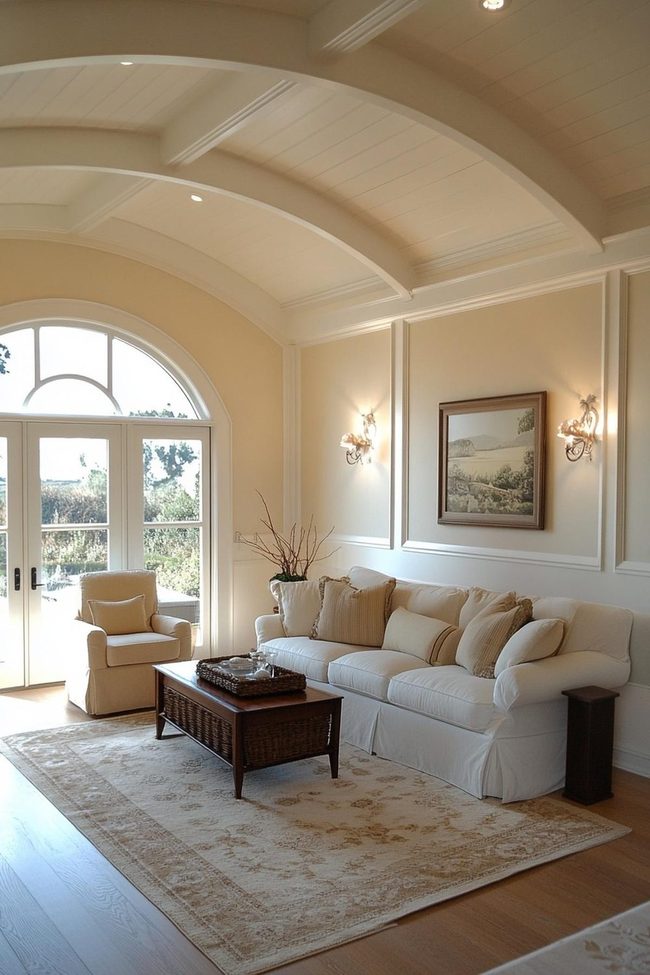
Showcase interesting architectural bones by drawing attention upward to high ceilings and arched doorways, which redirects focus away from any layout quirks at ground level, and if your space lacks these features, you can build them in with crown molding, pilasters, or exposed beams.
Lighting plays a huge role in highlighting what's already there, hang pendant lights at varying heights from a tall ceiling or position sconces along horizontal beams that sit above seating areas.
Painted color bands or overhead accent strips can emphasize the beauty of a vaulted ceiling, and columns offer another opportunity to make a statement through wallpaper, bold paint colors, or fabric draped around their bases.
Once you identify the distinctive architectural elements that make your space unique, putting them front and center shifts attention to these standout features and away from any less desirable areas in the room.
Functional Living Room Zones
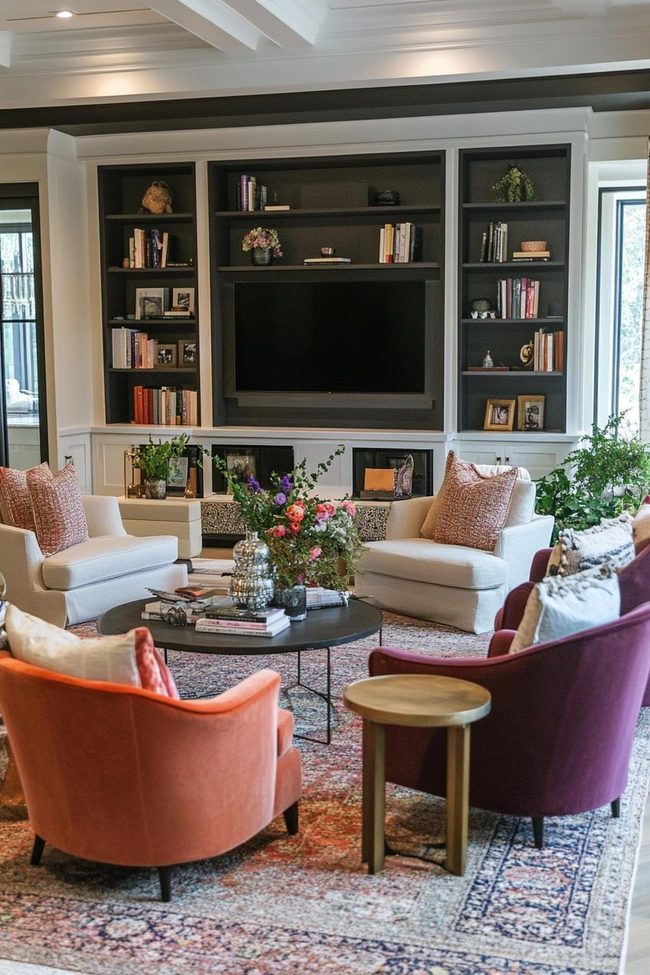
Breaking your living room into separate zones based on how you actually use the space is one of the smartest ways to handle an awkward layout, and you can define these areas with rugs, lighting, and decorative pieces to guide the eye and organize furniture placement naturally.
Start by sketching out your ideal zones on paper, maybe a TV watching area, a seating spot for interaction, and a reading nook in the corner, and then arrange your furniture around these purposes while keeping clear walkways between throughout section.
Across zone works independently with its own function, yet they connect to form one functional room rather than fighting against an odd architecture or angled walls.
You don't need rigid borders or strict rules; just give throughout area a clear reason for existing and let that guide your decisions.
Zoning brings order to even the most challenging layouts and keeps things organized without making the space feel cramped or confusing.
With this layout, lets you customize your living room to match your lifestyle and habits instead of forcing a layout that doesn't suit how you actually live.
Without zoning, awkward spaces feel chaotic and hard to navigate, but breaking them into mini-areas with distinct purposes reworks them into rooms that make sense and work well for you.
Fitted Fabric Covers For Any Space
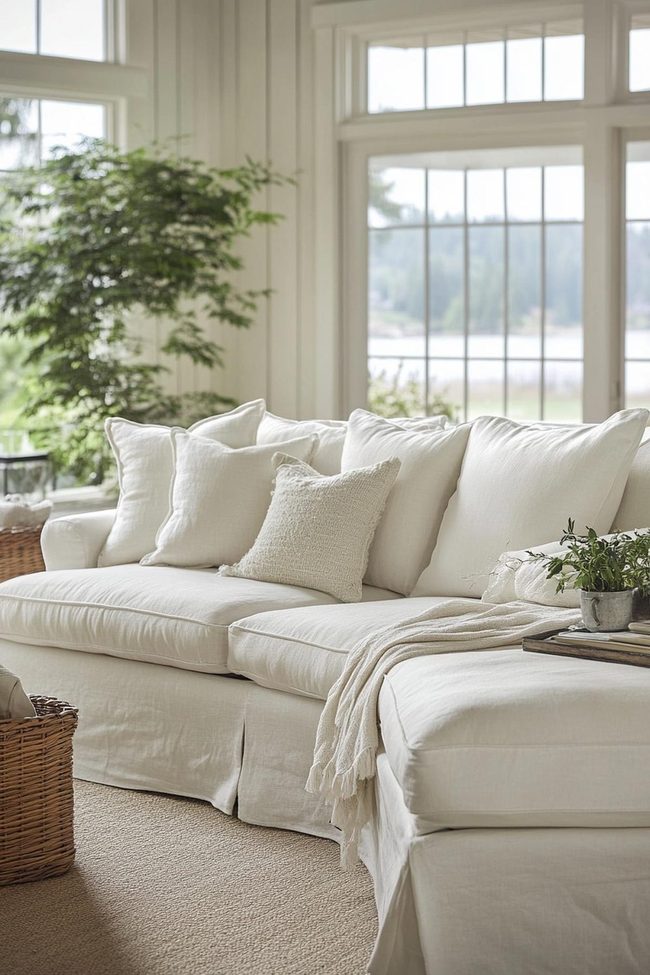
Slipcovered furniture solves the puzzle of awkward room layouts by letting you adjust sofa and chair proportions to match your specific space, and you can angle pieces along walls or float them freely depending on what works best.
Custom slipcovers fit your room's exact dimensions for a tailored appearance, while standard slipcovered options still give you plenty of flexibility to experiment with placement.
Chairs and sofas both look coordinated and polished throughout the room.
One of the best perks is that you can remove covers whenever you want and toss them in the wash or swap them out for new ones as seasons change, giving your room a fresh update without much effort.
When shopping, look for durable materials like cotton duck, linen, or chenille that hold up well to regular use.
Going the custom route means you get a perfectly fitted look, though readymade slipcovers cost less and still let you customize how pieces sit in your space.
For living rooms with tricky floor plans, slipcovers provide the polished, well-fitted appearance that makes awkward spaces look balanced and put-together.
Mirror-Framed Entry Landing Zone
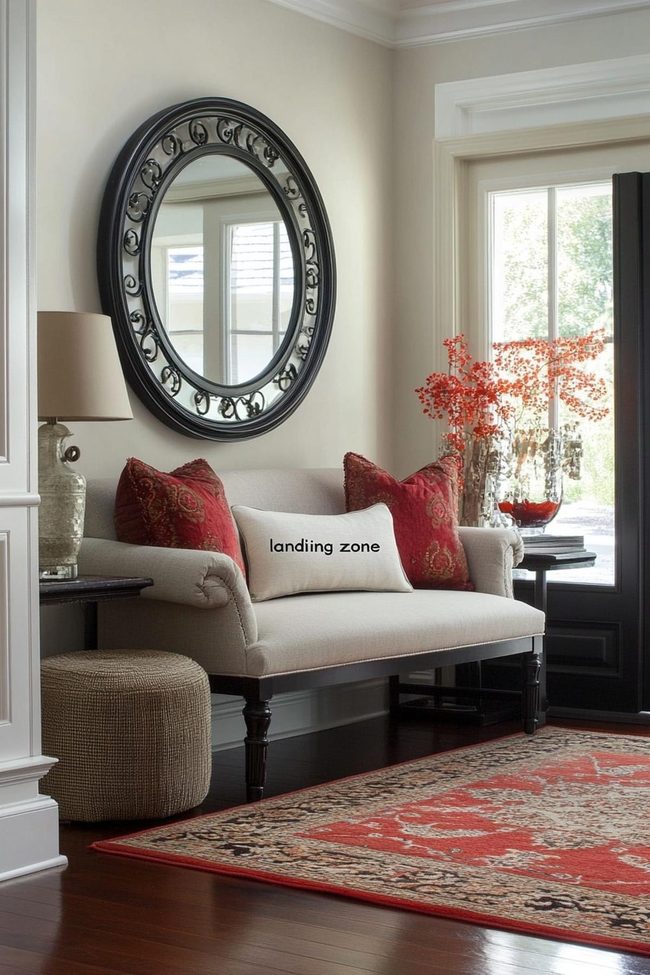
When you enter a room with an awkward layout, a well-designed entryway can solve seating confusion and guide everyone naturally through the space.
Hang a mirror or artwork directly across from the doorway in a small entry to ground the area while keeping traffic flowing freely.
A narrow console table behind your sofa works well for quick storage and marks where the room begins.
Rolling out a runner rug that points toward your main seating area signals where people should head next.
For larger entries, place a bench or pair of chairs right inside to welcome visitors and show them the room's purpose immediately.
Even a simple "landing zone" using just a few furnishings stops the disoriented feeling that comes with walking into an odd space.
Clean, purposeful design at your entry establishes order and gives everyone a sense of direction the moment they cross the threshold.
Starting with this foundation means the rest of your room layout can follow without confusion.
Single Wall Color Transformation
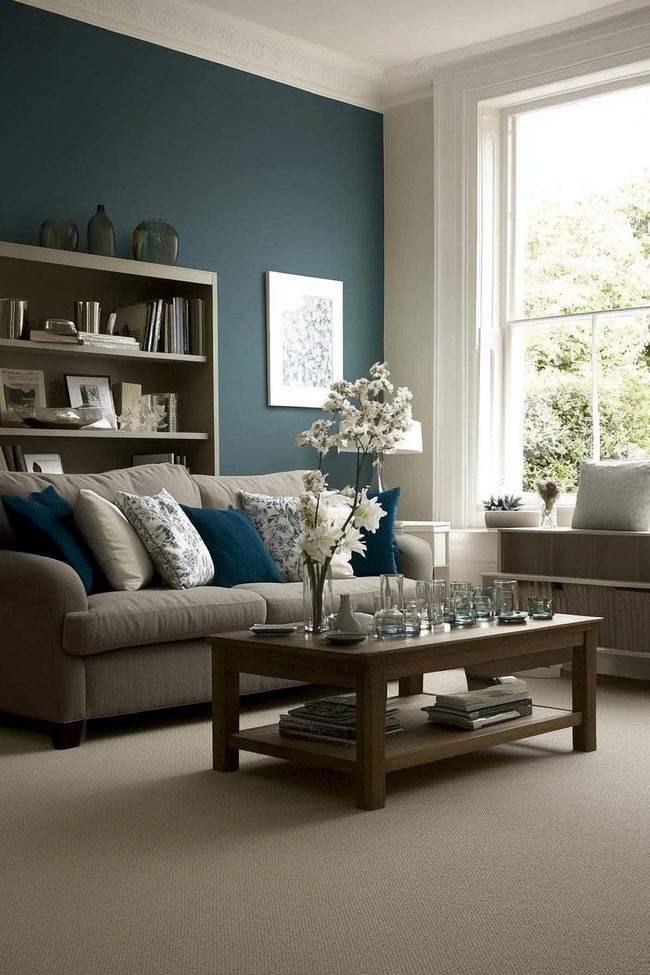
One wall painted in a contrasting color might be exactly what your living room needs to feel more put-together.
Blue-greens, rich plums, and warm grays work wonderfully as accent walls and feel sophisticated without trying too hard.
You can choose a shade that plays off your main walls or echo colors already scattered throughout the room.
Beyond just painting, consider wallpaper, murals, or floating shelves in a different color to handle those awkward blank spots or odd architectural features.
Painting inside recessed shelves or arches with a contrasting shade adds depth and keeps your eyes moving around the space.
If your furniture floats in the middle of the room, painting the wall behind your sofa or media console helps ground everything and makes the arrangement feel more intentional.
An accent wall costs far less than other updates with a slightly delivers character real change to a disjointed layout.
In the composition, works especially well for spotlighting interesting features or making an unbalanced room feel more balanced.
Center Stage Seating Arrangement
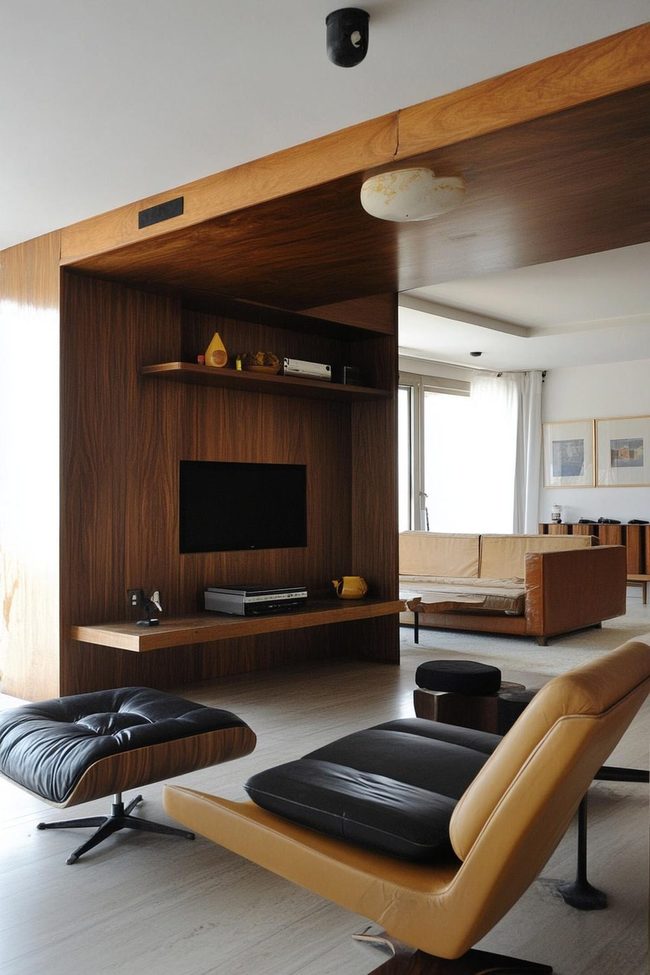
Moving your furniture away from the walls is one of the simplest ways to make an awkward space feel more balanced and natural.
Instead of pushing everything to the edges, arrange sofas and chairs in the middle of the room to form comfortable groupings.
Design solution softens sharp corners and distracts from odd architectural features that might otherwise stand out.
Narrow rooms or spaces with strange angles benefit hugely from this technique.
Pull pieces at least 20 inches out from the walls and angle them slightly so nothing looks stiff or formal.
You might float a couch facing two chairs with a coffee table nestled between them, or set up multiple seating areas around a large rug for variety.
Make sure you leave enough room between groupings and clear paths so people can move through easily without feeling cramped.
Floating furniture creates a laid-back mood even in tight quarters and makes small rooms feel bigger since your walls stay open and uncluttered.
Windows Nature Views Balanced Rooms
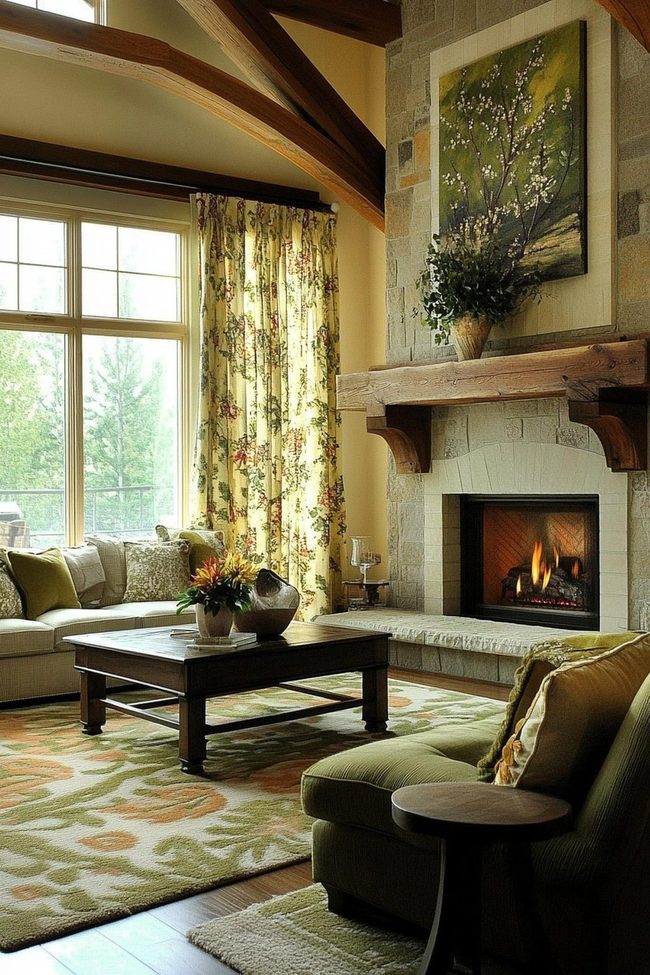
When you arrange your living room, placing 2-3 eye-catching elements around the space does wonders for awkward layouts, and a striking fireplace, substantial artwork, or beautiful window view works best as your room's main anchor points.
Your eye naturally travels from one focal point to the next, giving your mind pleasant places to settle as you move through the room.
Balance matters here, so if you have a prominent hearth on one side, you might position a large wall installation across from it, or frame a scenic window with colorful curtains on the opposite end.
These standout features ground the space and pull attention away from strange angles or odd architectural lines that might feel off otherwise.
You can prevent any one spot from demanding too much attention by spacing your dominant small touches evenly throughout the room, which keeps everything feeling balanced and blended.
When you skip this step, even a well-designed space can feel scattered or leave certain areas seeming neglected.
Thoughtful placement of these anchoring elements reshapes how a room flows and makes the whole layout feel intentional and polished.
Angular Furniture Placement For Awkward Spaces
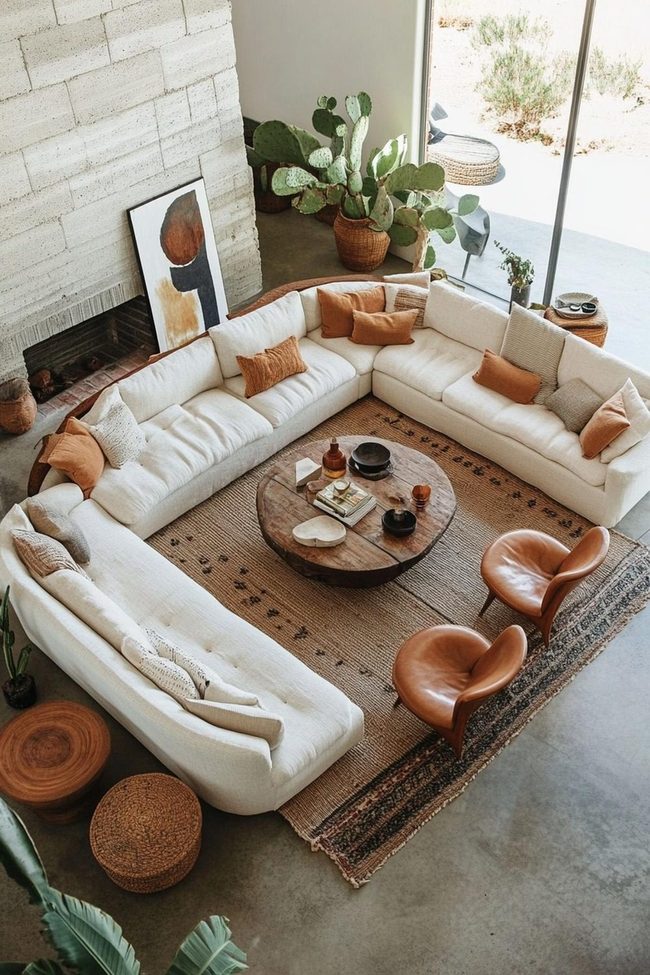
Facing your seating toward a single point instead of toward eachother opens up fantastic possibilities for both TV watching and group conversations, and angling furniture to match your room's existing lines helps solve those tricky architectural quirks that standard layouts can't handle.
Floating a U-shaped sectional that opens toward your main entryway creates smooth movement through the space, while positioning narrow loveseats and chairs across from one another with a thin coffee table between them works well if your room runs long and tight.
You might also try clustering chairs around an ottoman as an alternative to a traditional couch, which gives you way more flexibility to adjust the setup whenever you need it.
A reading nook with two chairs facing outward in opposite corners and a side table positioned between them uses dead space effectively and feels perfectly functional.
Browsing eclectic furniture showrooms and design magazines sparks ideas for how to work with unusual floor plans rather than fight against them.
Don't worry about getting it perfect the first time because rearranging is simple if something doesn't feel right, and experimenting with different setups helps you discover what actually works for your space and how you live.
Odd Angles Into Character Spaces
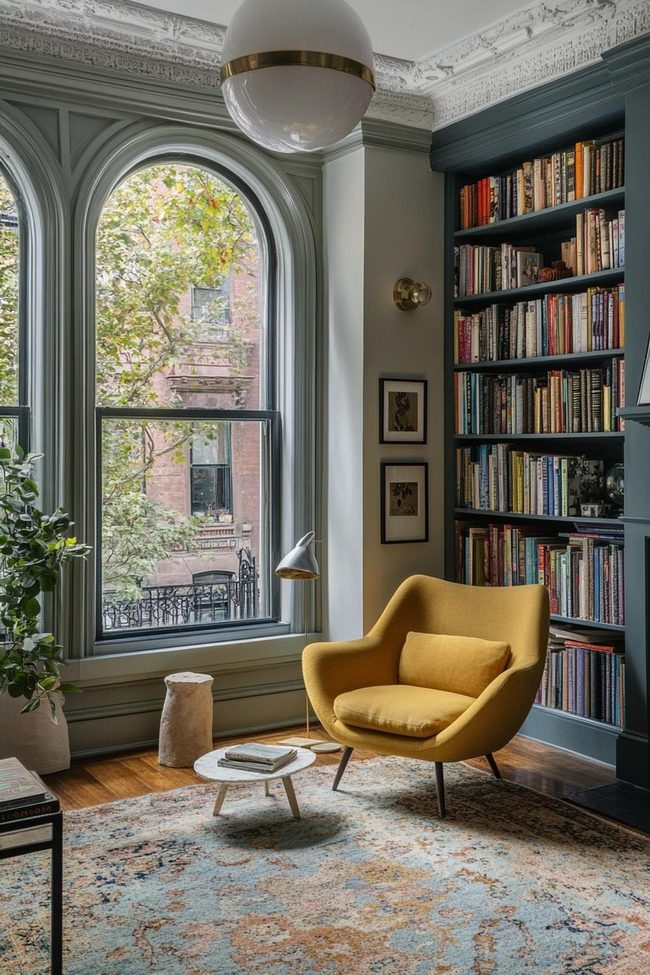
Rather than fighting the quirks your living room has, lean into them and let those unusual traits become your room's best feature, an odd nook redefines into a perfect reading spot, a random pillar pairs beautifully with a sunlit accent chair placed beside it, and an unusually shaped window shines when dressed in dramatic floor-length curtains.
Strange angles work in your favor when you hang art that echoes the lines of your walls, while pointy dormers pop with fun painted patterns or wallpaper inside.
Offbeat arches deserve attention too, so drape them with lighting or trailing greenery to highlight their shape.
Low ceilings feel cheerful and open when you keep colors light and sunlit rather than dark and heavy.
Working with your space instead of against it means celebrating what makes it different, and honestly, decorating to spotlight awkward architecture gives you loads of character that a plain, boxy room could never match.
You get to flaunt unique style while most people settle for cookie-cutter design, so why not make those unusual features the stars of your space?
Sheer Curtains Divide Open Spaces
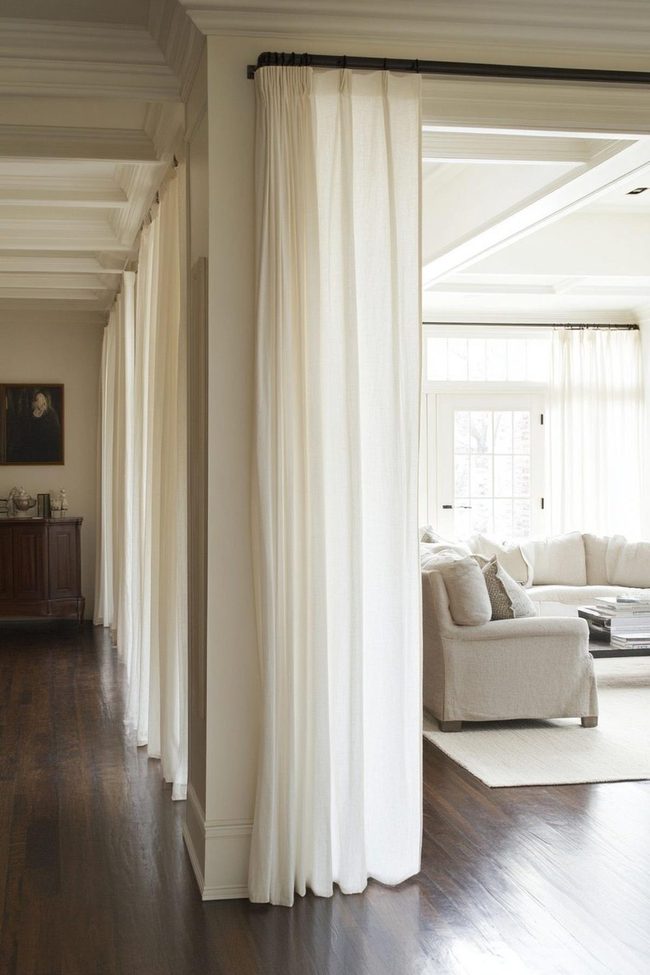
Lightweight curtains and screens offer a simple way to divide open floor plans and introduce separate zones within one large room.
Hanging sheer panels from the ceiling or portable rods defines seating areas and keeps clutter hidden while maintaining an airy feel, and neutral linen or cotton in ecru or gray works best to avoid weighing down the space.
Free-standing shoji or folding screens work equally well to block off home office zones and entertainment areas, with cutout patterns that filter both views and light when you need privacy.
Curtains hung wide around entryways and open-concept room openings help mark where one space ends and another begins, and through the design, builds structure without sacrificing the open feeling many people want in their homes.
Screens offer flexibility that few other solutions can match since you can close them when privacy matters and adjust them throughout your day.
When you're dealing with an awkward or overly large layout, dividing the space into smaller zones brings order and makes the room feel more intentional.
Long, airy panels in neutral tones let you maintain a light atmosphere while still giving your home the defined areas it needs.
Pillars And Bump-Outs As Features
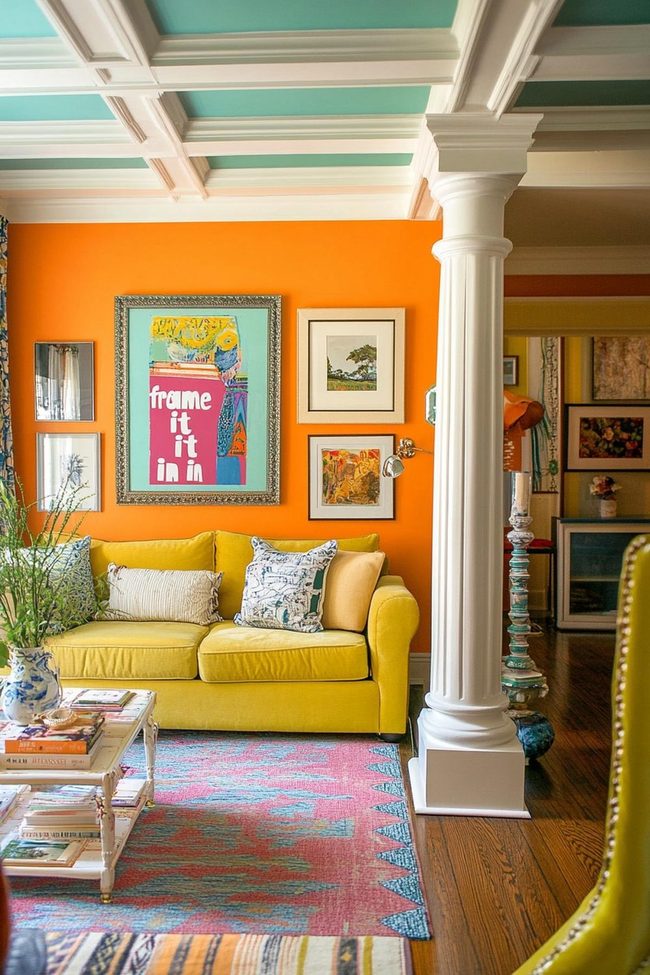
Protruding features like pillars, columns, and bump-outs don't have to be eyesores in your room.
Paint posts in bold colors or striking patterns to draw focus to their shape and turn them into statement pieces.
Square pillars work beautifully as display surfaces for gallery-style artwork that makes them feel intentional and polished.
Wrap random columns in wallpaper, mirrors, or climbing greenery to soften their appearance and blend them into the surrounding space.
Add furniture next to a bump-out to frame it like a designer wall niche and anchor it within the room.
Floating shelves mounted on the sides of posts give you extra storage and display space without wasting the area.
Drapes hung around the base of a bump-out help it fade into the background rather than jut awkwardly forward.
When you embrace these quirky elements instead of hiding them, they stop feeling like mistakes and become genuine design features that belong in your space.
Space-Saving Furniture That Works Harder
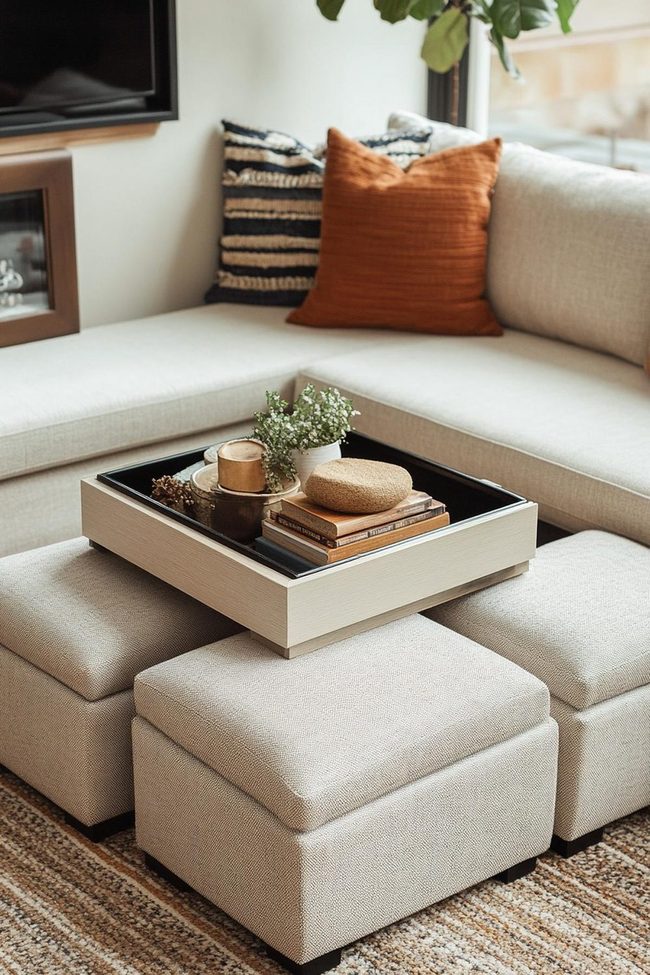
Furniture that does more than one job solves so many layout challenges, especially when you're working with odd spaces or limited square footage.
Storage ottomans let you stash blankets and games while giving you extra seating, and nesting tables slide under eachother to free up room when you're not using them.
Expandable tables with leaves grow bigger for gatherings and shrink down when it's just you, so you get flexibility without sacrificing functionality.
Look for pieces with clean lines that match your style, and don't be afraid to use furniture in unexpected ways, poufs and floor pillows around a low table work great for casual seating, or you can set a console table against an empty wall as a slim media stand or dining buffet.
Multifunctional pieces keep your space tidy and let you squeeze the most use out of every corner, which matters whether you're in a small apartment or dealing with an awkward room layout.
Being creative with adaptable furnishings means you can tackle whatever space challenges come your way and actually enjoy living in it.
Michael Thompson
Senior Content Editor
Expertise
Content Strategy Development, Editorial Team Leadership, Home Décor Trends & Style Curation, Digital Storytelling for Interior Design, Quality Assurance in Publishing
Education
University of Missouri, Columbia
University of Texas at Austin
Michael Thompson is the senior content editor at Decorrio, bringing over 12 years of experience in journalism and home décor writing. With a journalism degree from the University of Missouri and a master’s in English from UT Austin, he blends storytelling with expert design insights.
At Decorrio, Michael curates inspiring content that helps readers transform their spaces with style and ease. He’s passionate about home organization, DIY projects, and quality design ideas that make everyday living more enjoyable.
Outside of work, Michael enjoys exploring Austin’s culture, tackling home improvement projects, and mentoring aspiring writers.