
10 Design Mistakes That Ruin Your Space Fast

Common design mistakes can derail even the most promising projects and leave spaces feeling awkward or incomplete.
Many homeowners face challenges when arranging furniture, selecting colors, or balancing proportions in rooms.
Simple missteps often create visual chaos rather than harmony, making environments feel uncomfortable or uninviting.
Recognizing problematic patterns helps prevent costly errors during renovations or decorating projects.
Small adjustments in planning make significant differences between professional-looking results and amateur attempts.
Learning what to avoid saves time, money, and frustration throughout any creative process.
With proper awareness, anyone can develop spaces that feel balanced, functional, and beautiful.
Comfort First Over Showroom Appeal
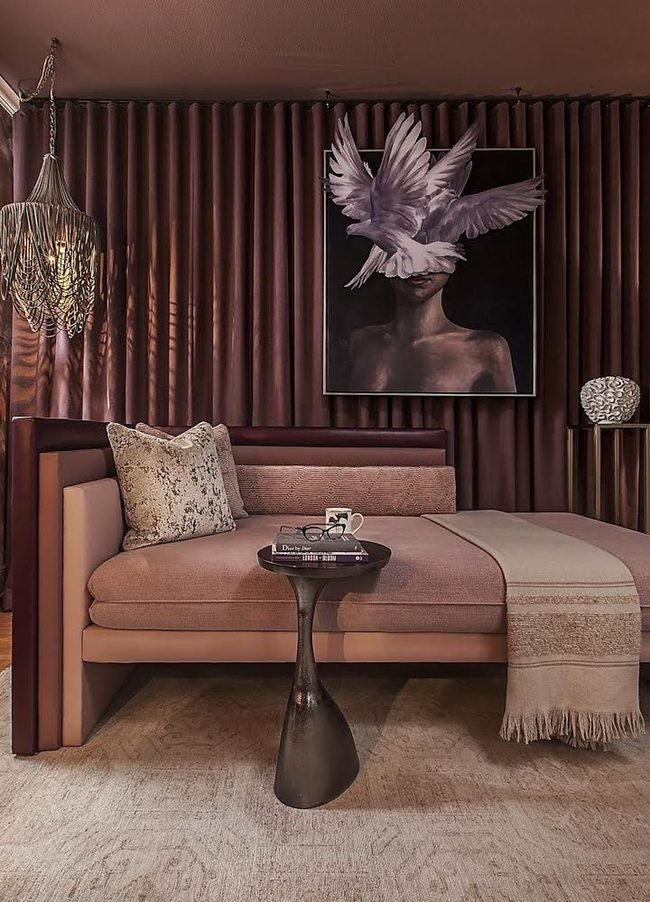
When shopping for a living room sofa, designer Tiffany Cobb of Tiffany Rene Interior Design recommends never choosing style over comfort since you'll be spending real time sitting on it.
Many people make the mistake of letting how a sofa looks matter more than how it actually feels to use, and she points out that a sleek, streamlined design might look great but could leave you uncomfortable during your relaxation time.
Your lifestyle and daily habits should guide your furniture decisions, not just what appeals to your eye in a showroom.
Consider how you actually spend time in your living room and what your body needs from a sofa before committing to a purchase.
It makes sense to test a sofa thoroughly before buying and think about whether it matches your real-world routines.
You deserve a sofa that looks good and feels just as good when you're stretched out with a book or settling in for movie night.
Balancing appearance with genuine comfort ensures your living room becomes a space you'll actually want to use every day.
Rug Size Transforms Living Room Balance
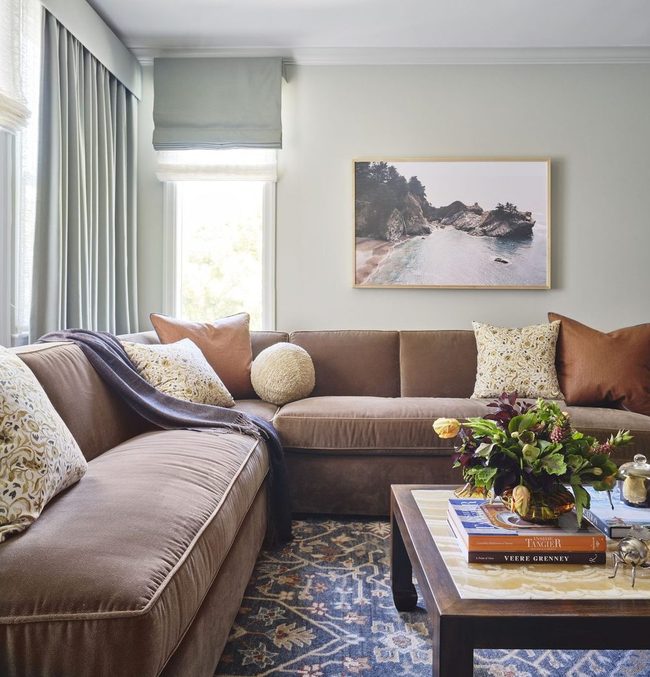
Picking the wrong rug size can throw off your entire living room, according to interior designer Marea Clark of Marea Clark Interiors.
A rug that fits properly does something remarkable-it makes your space feel both more comfortable and open at the same time.
You'll want to select one large enough that your sofa sits at least partially on top of it, and the edges should extend underneath your coffee table and other seating pieces in the room.
We often overlook how much a single element like this shapes the way a space feels to us.
Getting the sizing right is one of those simple moves that shifts how everything else in the room relates to each other.
Your whole living area suddenly feels more pulled together and balanced when the rug proportions match the furniture scale.
It's worth measuring twice before you buy, because once you have the right size, you'll notice how much better the room functions and how people naturally move through it.
Layered Lighting Transforms Every Room
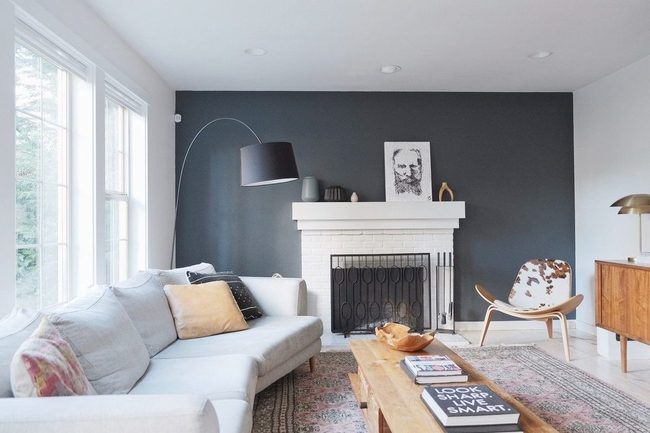
Bad lighting can ruin even the most beautiful room, so you'll want to think carefully about how you place different light fixtures around your living room.
Interior designer Kirsten Grove of We Three Design knows this well-she's seen stunning homes where harsh overhead lights or too little light completely destroyed the mood and appearance of the space.
Spreading light sources across your room makes a real difference in how everything feels.
Table lamps positioned on side tables give you warm light in corners and create balance throughout the space.
Picture lights above artwork add brightness without overwhelming the room.
Floor lamps provide another layer of lighting that you can adjust depending on the time of day.
Layer these different fixtures together and you'll find that your living room feels more welcoming and looks the way you actually want it to.
Open Floor Feng Shui Living
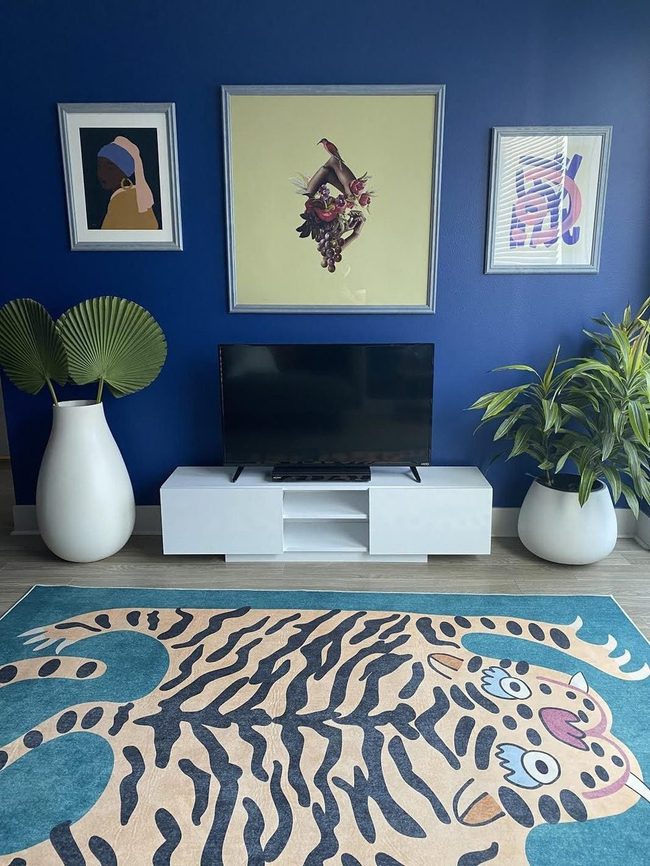
Moving your furniture around can completely transform how spacious your living room feels, and interior designer Dominique Fluker suggests this is often the first step to fix a cramped space.
Large, bulky pieces combined with poor placement tend to make rooms feel suffocating and tight.
You'll want to select furniture that matters to you and reflects who you are without overwhelming the area.
Keeping an open floor plan inspired by feng shui principles gives both you and your pieces the breathing room they need.
Start by choosing only the furnishings you truly use and love rather than filling every corner.
When you arrange pieces with intention and space between them, the whole room opens up and feels more livable.
Your personal style should shine through your choices, not disappear under a pile of unnecessary items.
Fabric Drapes Shape Room Design
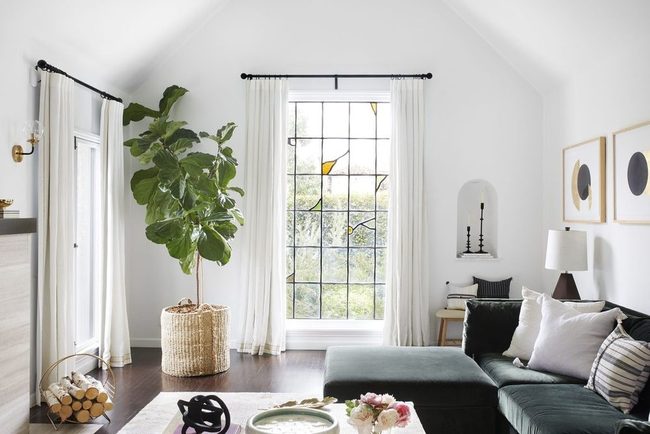
Window treatments are often overlooked when you're designing a living room, but according to interior designer Haley Weidenbaum, founder of Everhem, they can completely change how a space feels and looks.
These coverings do far more than just give you privacy-they actually shape the whole design of your room by adding texture and turning your windows into a statement piece that draws attention.
If you're still in the process of gathering furniture and decor for your space, neutral window treatments work wonderfully to warm and soften the room while you continue building your collection over time.
Starting with good window coverings gives you a foundation to build on, and you can always adjust other elements around them as your style develops.
We tend to underestimate how much impact this one element can have on the overall feeling of a room.
Taking the time to select the right window treatments early on makes the decorating process easier down the road.
Oversized Fern Fills Empty Corners
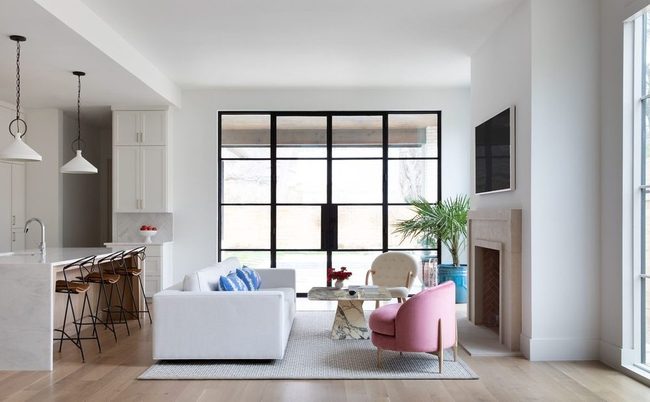
If you're looking to bring life into your living room, greenery is worth considering, and interior designer Christina Nielsen agrees that even just a bit of foliage makes a real difference.
Plants add natural warmth and an organic quality to any space, and they're especially useful for filling in those awkward empty corners that need something substantial You can experiment with different plant sizes and placements to see what works best for your room's layout.
Whether you choose trailing vines, tall leafy varieties, or bushy specimens, greenery tends to soften hard edges and introduce texture that complements furniture and artwork.
Plants also improve air quality while they're busy making your space feel less bare and more lived-in.
Consider mixing different heights and leaf shapes throughout the room to build interest without overdoing it.
Sofa-Centered Room Layout
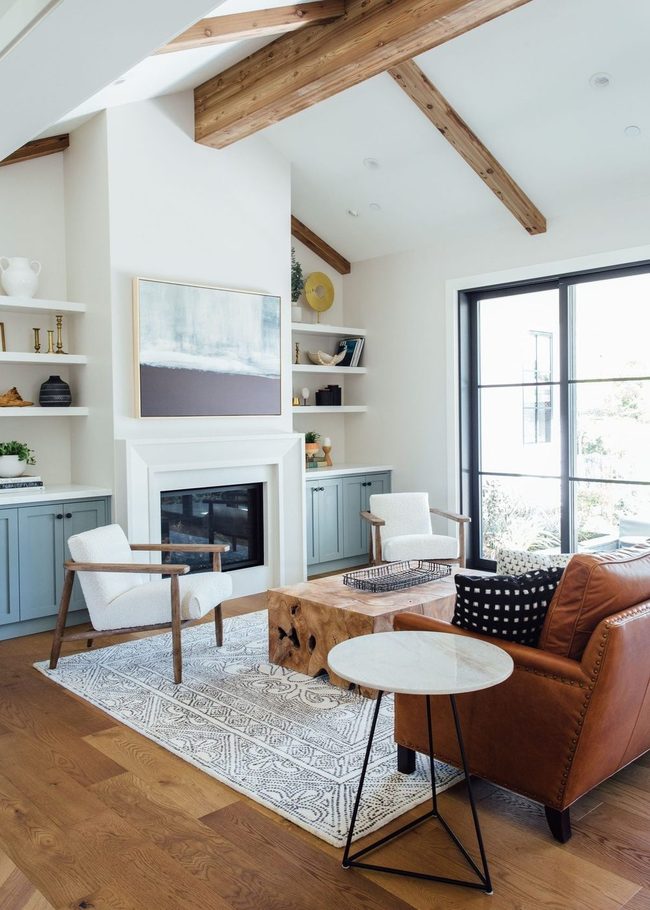
Oversized furniture pieces can dominate your space and make your living room feel cramped if you use too many of them, so it's worth being selective about what you bring in.
Michelle Lisac, an interior designer, recommends starting with your largest item-usually the sofa-and then adding other pieces around it rather than scattering everything throughout the room.
Once you have your sofa in place, you can layer in accent chairs, a coffee table, and side tables to create balance.
One trick that really works is placing a large area rug in the center of your arrangement, which gives your furniture pieces a natural gathering spot and keeps them from looking lost against the walls.
This approach prevents that awkward feeling of floating furniture and helps everything relate to each other in a more natural way.
By arranging items around a central rug and anchor piece, you'll notice how much more grounded and organized your space feels.
The key is thoughtful selection rather than cramming in as many pieces as possible.
Fireplace And Windows Over Television
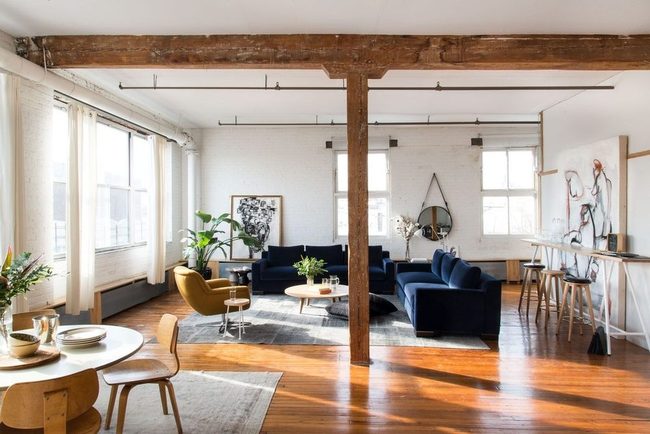
Rather than building your whole living room design around where the television sits, interior designer Justin DiPiero suggests redirecting your attention to what truly matters in the space.
A natural focal point like a beautiful window view or an architectural fireplace deserves to be the star of the room instead.
You can still place the TV in a way that layers it around this primary feature and arrange your seating to emphasize those windows or that fireplace.
This approach lets you enjoy watching TV without sacrificing the room's layout or flow.
When guests come over, you'll have a setup that encourages people to gather and interact naturally.
Your furniture placement becomes about highlighting the best features of the room while still keeping the screen accessible and functional.
Moving away from TV-centric design opens up possibilities for a space that feels more balanced and purposeful overall.
Furniture Legs On Rug
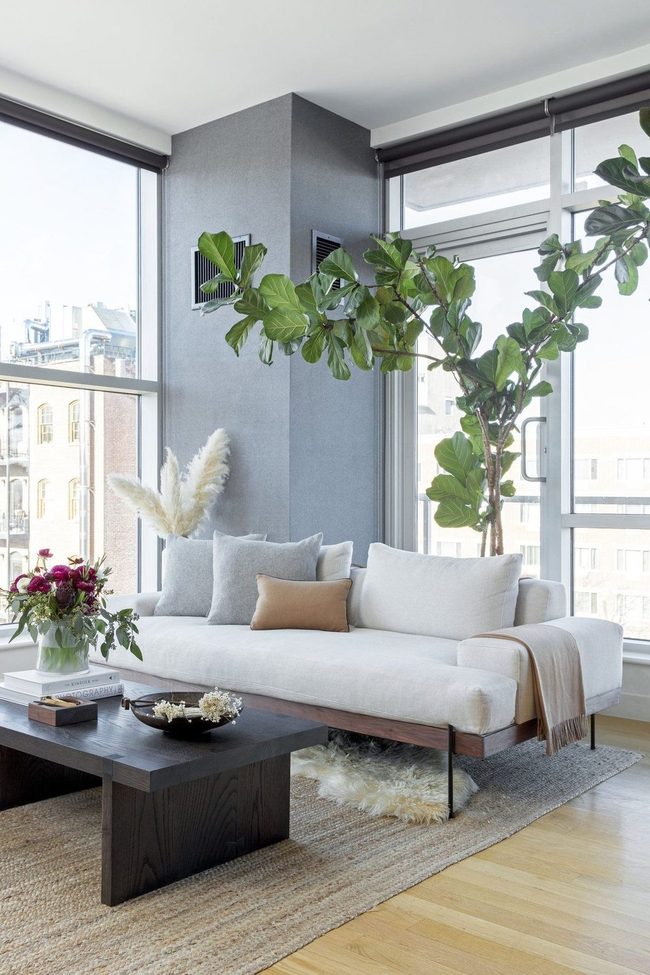
Positioning your furniture so the legs sit directly on the rug makes a real difference in how balanced your living room looks, and interior designer Becky Shea points out this often-overlooked detail matters more than many people realize.
When you can manage it, she recommends getting all your pieces onto the rug for the strongest effect.
If space is tight in your room, aim for at least half of your furniture sitting on the rug instead, and this approach still gives you solid visual organization without requiring a massive floor plan.
Many people skip this step because they think the rug placement is purely functional, but it actually helps your seating area feel intentionally arranged rather than randomly placed.
You'll notice how much more put-together everything looks once the furniture is anchored to the rug properly.
We find that this simple shift in positioning changes how the eye moves through the space and makes the room feel more connected overall.
Getting those furniture legs onto the rug is one of those easy wins that requires almost no money or effort yet delivers noticeable results in your decorating.
Three Pillows Perfect Balance
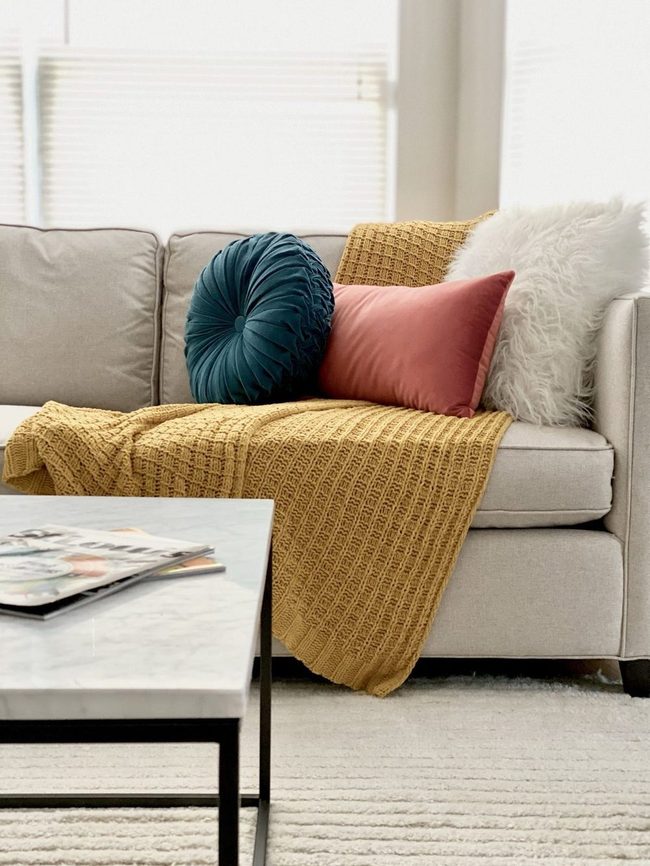
Oversized or excessive throw pillows piled across your sofa can quickly make the space feel cluttered and cramped, so interior designer Jenelle Lovings suggests pulling back on how many you use.
When you're decorating a sofa, less really does work better for the overall look of your room.
She recommends keeping just three pillows in three different styles so you get some visual variety without drowning out everything else around you.
This approach lets each pillow breathe and prevents them from overwhelming other pieces in the space.
You'll find that three well-chosen pillows give the sofa personality and interest without making it look stuffed.
Getting down to this simpler number actually helps your other furniture and decor shine instead of getting lost behind layers of fabric.
We often see people go overboard with pillows, so cutting back is one of the easiest ways to instantly improve how balanced your living room feels.
Try this method and you'll notice how much cleaner and more intentional your seating area looks right away.
Isabella Martinez
Founder & Lead Design Enthusiast
Expertise
Seasonal Home Décor, Interior Styling, Space Planning, DIY Home Projects, Sustainable Design Solutions
Education
Savannah College of Art and Design (SCAD)
Pratt Institute, School of Design
Isabella Martinez is the founder of Decorrio, where she shares her love for seasonal home décor and creative design. With a background in interior design from SCAD and a master’s from Pratt Institute, she specializes in stylish, functional, and sustainable spaces.
With over 10 years of experience, Isabella helps homeowners bring warmth and personality into their homes. She loves DIY projects, festive decorating, and collaborating with local artisans to create unique designs.
When she’s not designing, Isabella enjoys exploring Austin’s arts scene, crafting, and hosting gatherings filled with seasonal charm.