
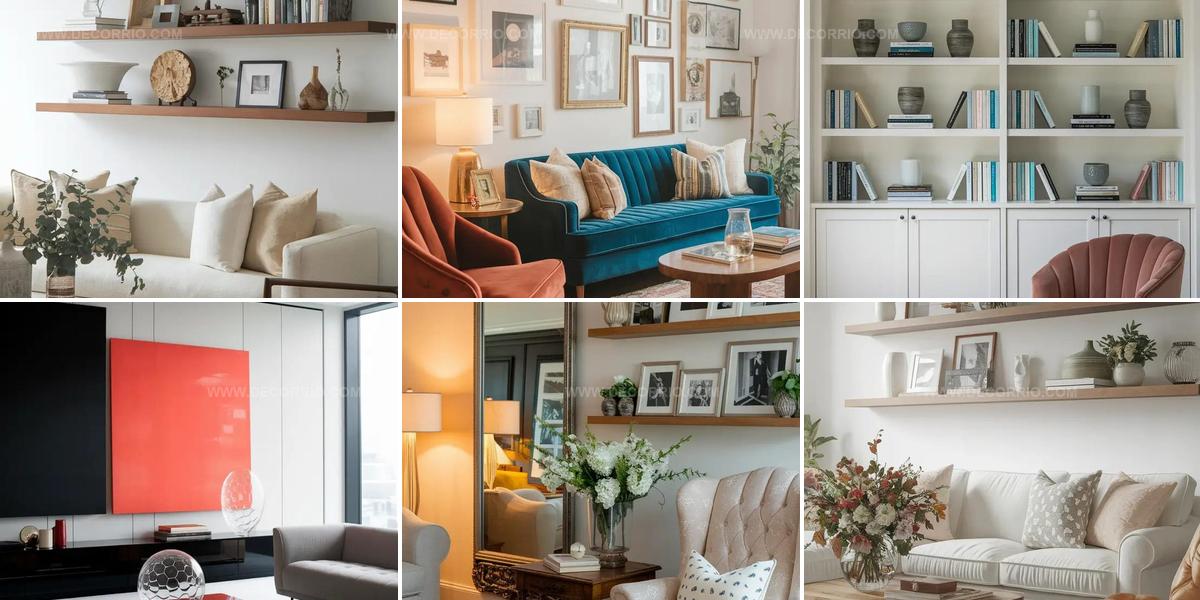
29 Creative Living Room Collections Interior Design Ideas That Spark Conversation

Creative living room collections interior design ideas can help you reinvent any space into a place that feels both comfortable and stylish.
Rooms where families gather deserve careful consideration when selecting furniture, colors, and decorative elements that reflect personal taste.
Finding pieces that work well together often seems challenging, but understanding basic principles makes the process much easier.
Many homeowners struggle with coordinating different items without creating visual chaos or boring uniformity.
The right approach balances aesthetics with functionality while maintaining a cohesive look throughout the area.
Smart choices in arrangement and selection ensure every piece serves a purpose beyond mere decoration.
Browse through fresh concepts that will inspire confidence in designing a space uniquely suited to how you live.
Heirloom Treasures Meet Modern Comfort
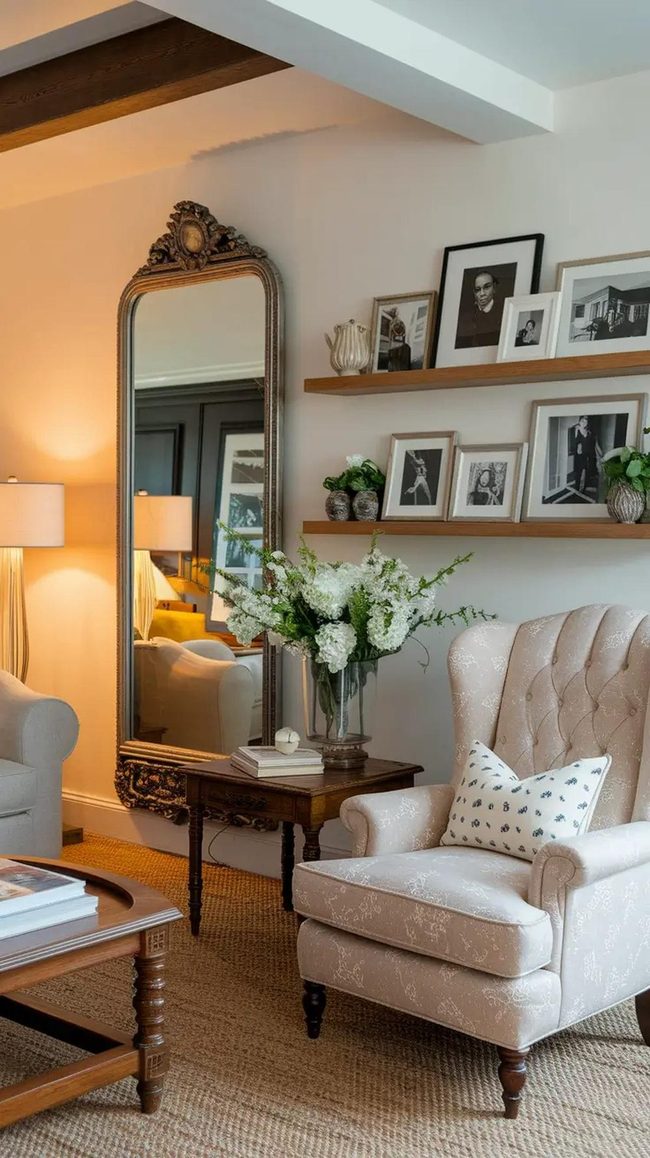
Mixing heirloom pieces with modern furnishings delivers the strongest emotional satisfaction in interior design, since family treasures carry stories no contemporary piece can match.
Grandfather clocks stand beside hand-painted china sets, while a mother's quilt becomes a striking wall display that bridges Scandinavian design with genuine sentiment.
Placing different time periods side by side creates sophisticated depth, and wool throws plus linen drapes strengthen the connection between old and new.
Custom shadow boxes and museum-style plinths protect these irreplaceable objects while displaying proper respect.
Contemporary upholstery treatments refresh heirloom pieces, positioning them naturally among modern furnishings.
This logic produces both personal satisfaction and lasting results that transform living rooms into spaces rich with meaning and layered style.
Golden Brass Bells And Tibetan Bowls
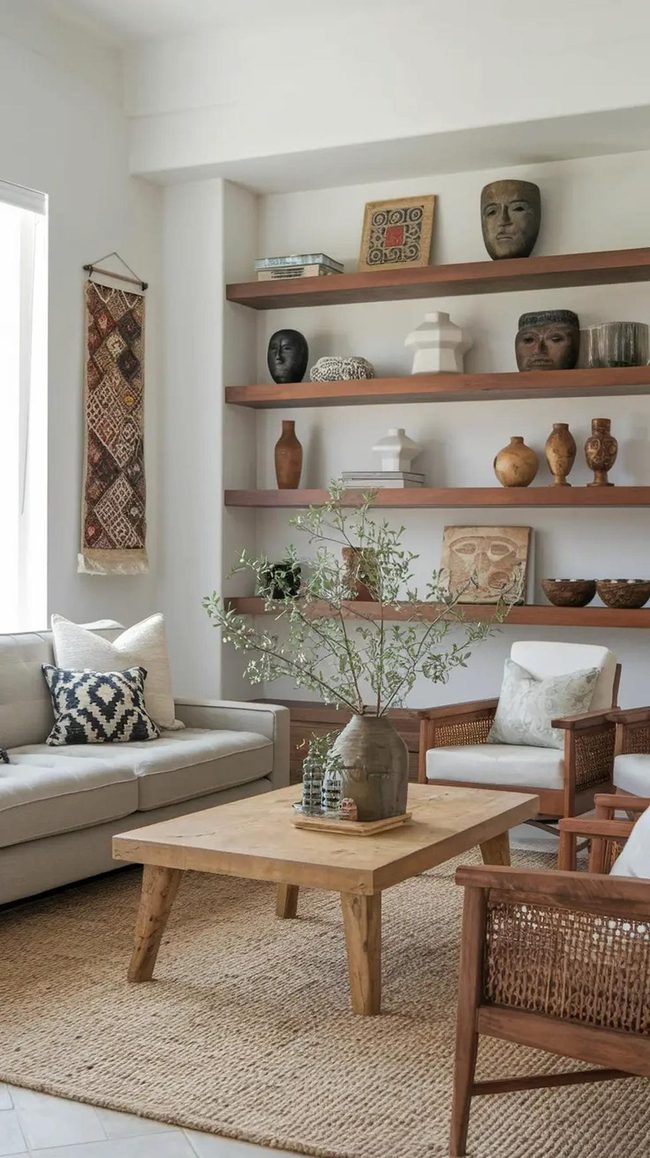
The striking African mask or Turkish textile serves as the perfect starting point for living rooms that celebrate global culture and personal heritage.
Display these centerpiece items on built-in or floating shelves paired with neutral rattan baskets, natural wood objects, and linen-bound books to let every single individual piece breathe.
Foundation furniture like teak coffee tables, low linen sofas, and jute rugs grounds the global aesthetic in natural textures and warmth.
I once arranged a client's collection of Indian brass bells and Tibetan singing bowls across tiered shelves in rhythmic patterns, and the result felt both refined and emotionally resonant.
Handcrafted wall fixtures and hanging lanterns cast light light across displayed items and highlight their cultural significance.
The key is honoring these meaningful objects authentically rather than treating them as themed decoration.
Cultural artifacts arranged this way transform living spaces into rooms that tell stories of exploration, heritage, and genuine connection to the wider world.
Matching Shelves Frame Perfect Balance
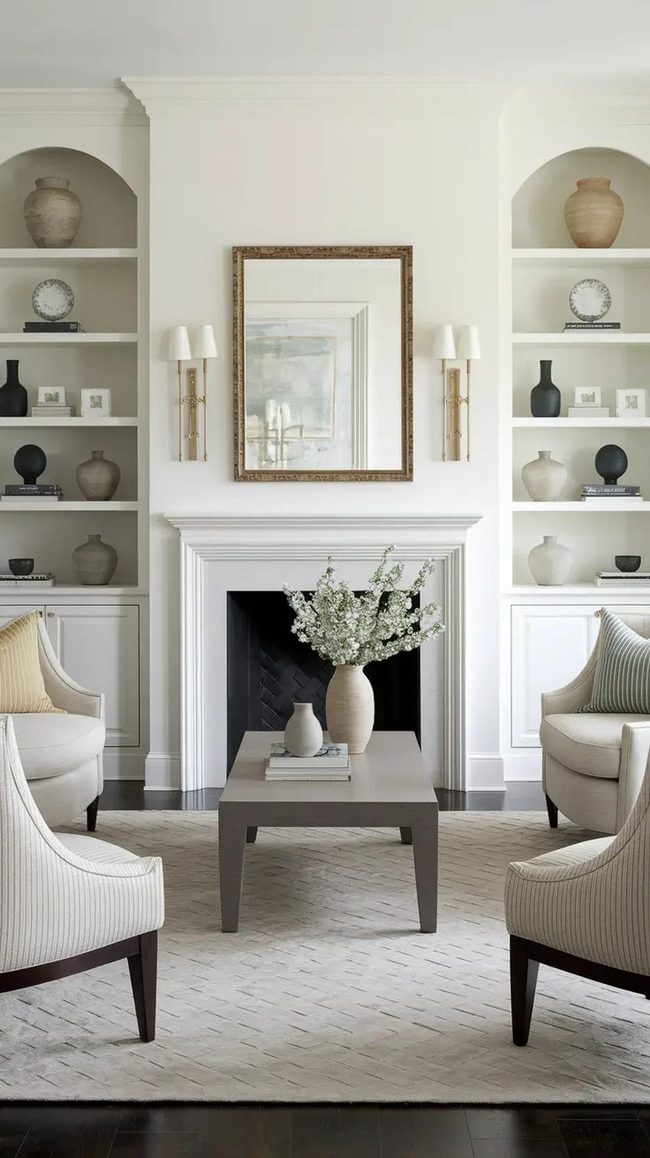
Symmetrical shelf displays key an instantly polished and ordered look that catches the eye immediately.
Flanking a central fireplace or artwork with matching shelves produces visual calm and stability.
Identical heights, colors, and shapes work best, place a tall vase on one side and mirror it on the other.
Built-in lighting and matching accessories like ceramic urns or bookends strengthen the symmetrical effect through uniform spacing.
Extending this balance beyond the shelves to surrounding furniture like sofas and armchairs amplifies the calm rhythm.
I've used this method across many projects because it organizes mixed collections into something composed and styled.
Rounded shelves or plush arches can introduce gentle movement while keeping the balanced feel intact.
Books, Objects, And Breathing Space
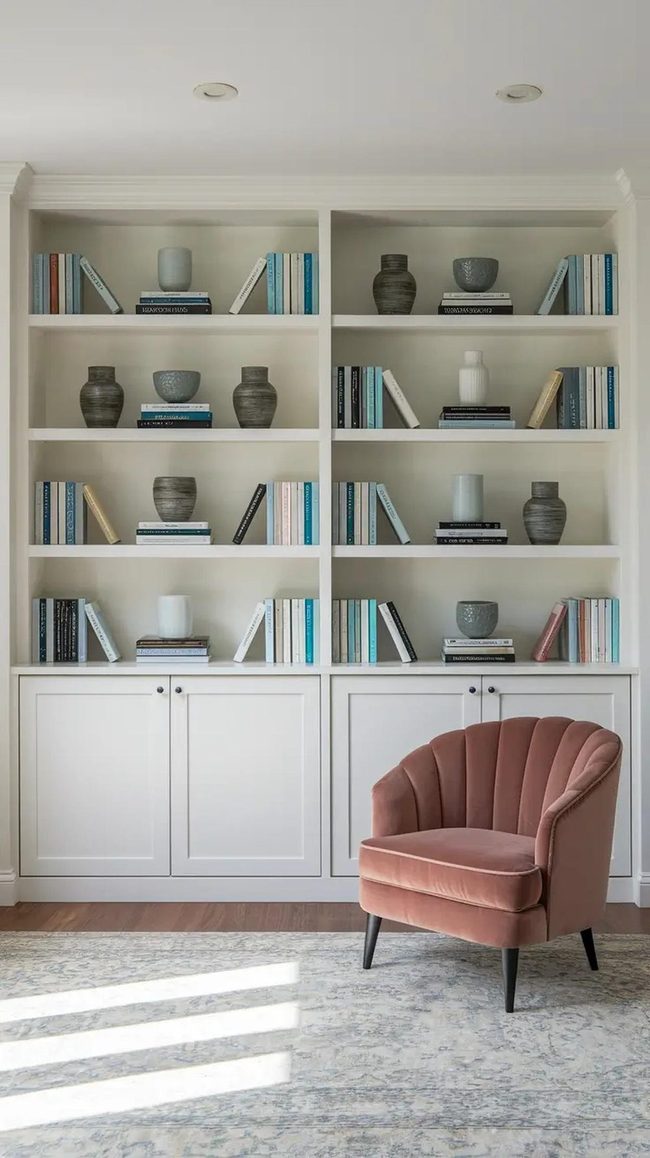
Displaying books and decorative objects on a bookshelf works best when you balance both elements across the available space.
Overstuffing with either books or items alone exhausts the eye, while mixing them creates a satisfying rhythm that complements living room style.
Most successful setups follow a rough one-third split between books, decorative pieces, and open space.
Vertical objects like vases and small planters break up book sections nicely, while stacking books horizontally creates natural platforms for displaying crystals or artwork.
Adding a textured rug and accent chair nearby grounds the whole setup.
Bookshelves tell stories, I once designed one for travelers that combined guidebooks with globes and souvenirs, instantly making the wall more interesting.
Finishing touches like mirrored back panels and warm lighting underneath make everything look polished and tailored rather than haphazard.
Neutral Backdrop Showcases Collections
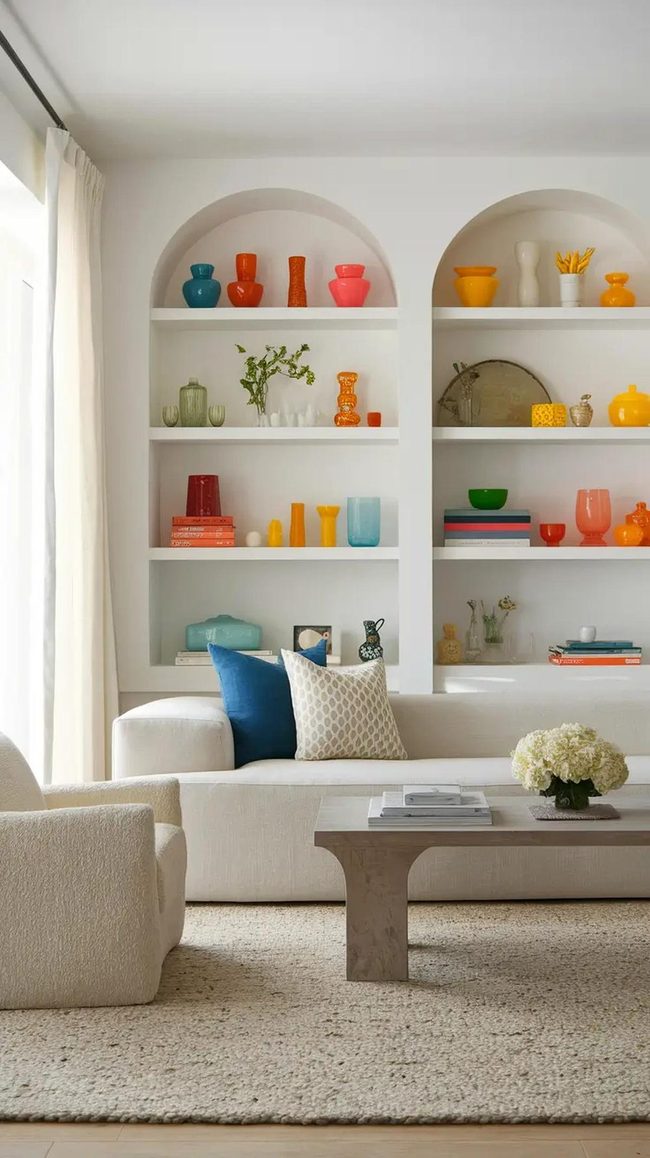
Pale walls and neutral furnishings pose the perfect backdrop for showcasing bold collections, allowing colorful pieces and intricate finishing touches to stand out as the room's true stars.
White, beige, and light gray work beautifully together on walls and larger furniture, while ivory slipcovered sofas and oak wood tables provide understated foundation elements.
Floating shelves and minimalist gallery walls display glass, ceramics, vintage signage, and folk art with striking clarity against these muted surfaces.
High-contrast objects placed on pale backgrounds produce dynamic visual effects without overwhelming the senses.
I once worked with a collector who owned over fifty hand-painted Mexican tiles, and we mounted them directly on floating shelves in a single-color room, letting them command attention without any additional framing.
Textured materials like boucle fabric or rattan chairs prevent the space from feeling too stark and hard while still keeping focus on the collection itself.
This restraint in design actually reveals personal character more powerfully than elaborate decoration ever could.
Layered Shelving With Stacked Books
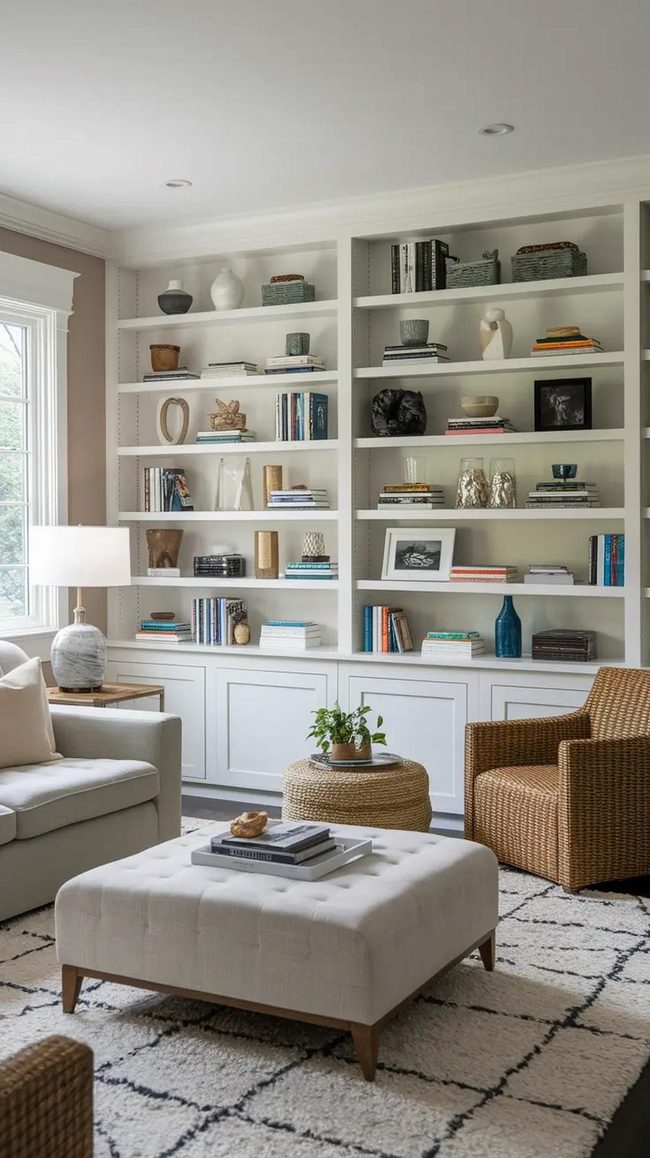
Bookshelves offer endless ways to display collections because they combine books, photographs, and decorative objects into one striking focal point.
Arrange books flat to prop up sculptures, position large coffee table books as visual anchors, and fill gaps with framed pressed flowers, picture frames, mini sculptures, and candles so nothing looks too rigid.
Grouping similar items together creates a unified, organized feel that restyles cluttered shelves into polished displays.
I've arranged built-in spaces by alternating modern and antique apothecary bottles for an eclectic look that still feels balanced and structured.
Adding wallpaper or paint to the back wall of your shelves deepens the overall appearance and adds another layer of personality without extra effort.
This simple shift builds instant visual depth and keeps the whole arrangement looking refined and thoughtful.
Year-Round Shelf Swap System
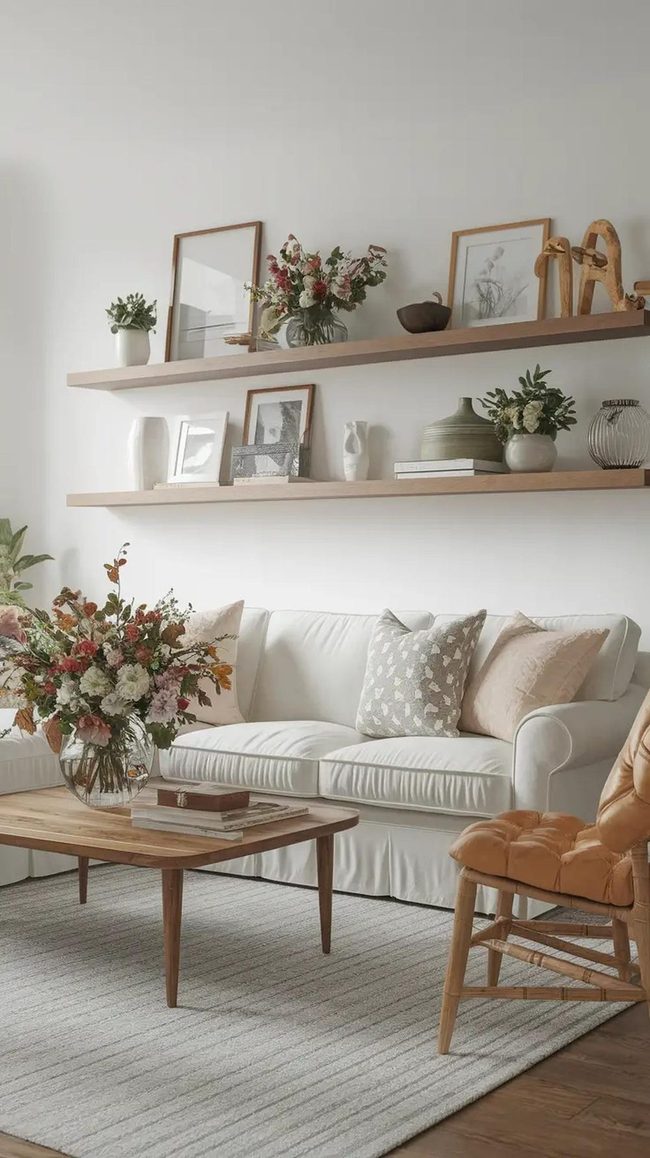
Seasonal rotations keep living room collections looking fresh by swapping items throughout the year, and they also protect belongings from sun damage and daily wear.
Dried flowers and woven pieces on floating shelves form warm autumn appeal, then metallic accents and candles transform those same spaces for winter months.
Summer calls for light-toned sofa slipcovers and brighter displays, while deeper rugs and richer colors bring coziness when fall arrives.
Labeled storage bins hold off-season items, making it simple to rotate spring florals, autumn ceramics, and winter collectibles when their time comes around.
This look works especially well for shelf collections because it encourages both thoughtful arrangement and regular swaps.
Changing home accessories this way mirrors how most people refresh their wardrobes seasonally, and I've found it prevents that tired feeling spaces can develop over time.
The method delivers a constantly renewed look without requiring much money or effort to maintain throughout the year.
Functional Art Furniture Transforms Rooms
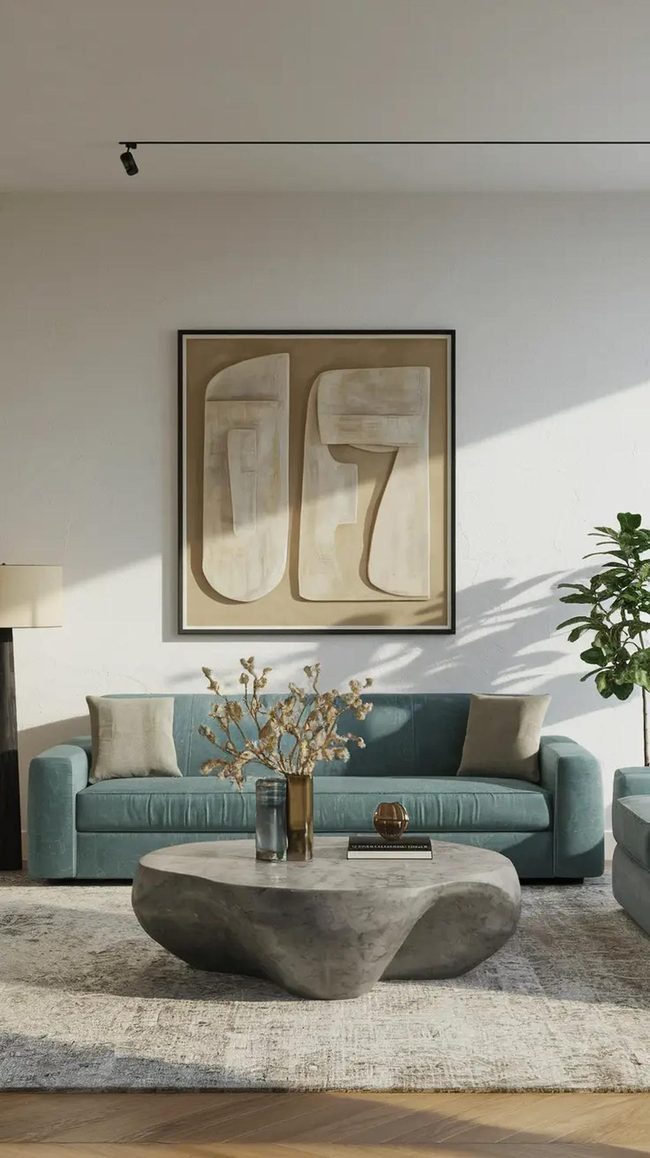
Sculptural furniture pieces transform living rooms into galleries where art serves applied functions simultaneously.
Side tables with flowing designs, artist-crafted lamps, and modular seating that resembles sculpture become statement pieces that anchor the space while remaining entirely functional.
A sinuous wood coffee table or concrete stool with carved aspects works as both a usable surface and standalone artwork, while larger rooms benefit from pedestals displaying single sculptural objects or busts.
This design works across minimalist, industrial, and glam interiors because every one piece carries artistic weight.
One might identify that when furniture itself is sculptural enough, additional wall art becomes unnecessary, streamlining the design.
Functional sculpture is gaining momentum as a design trend, offering an advanced alternative to traditional decor arrangements.
Seeking out custom pieces from emerging artists and brands ensures every one sculptural furniture selection reflects personal style and creates truly distinctive living spaces.
Floating Wood Shelves Display Gallery
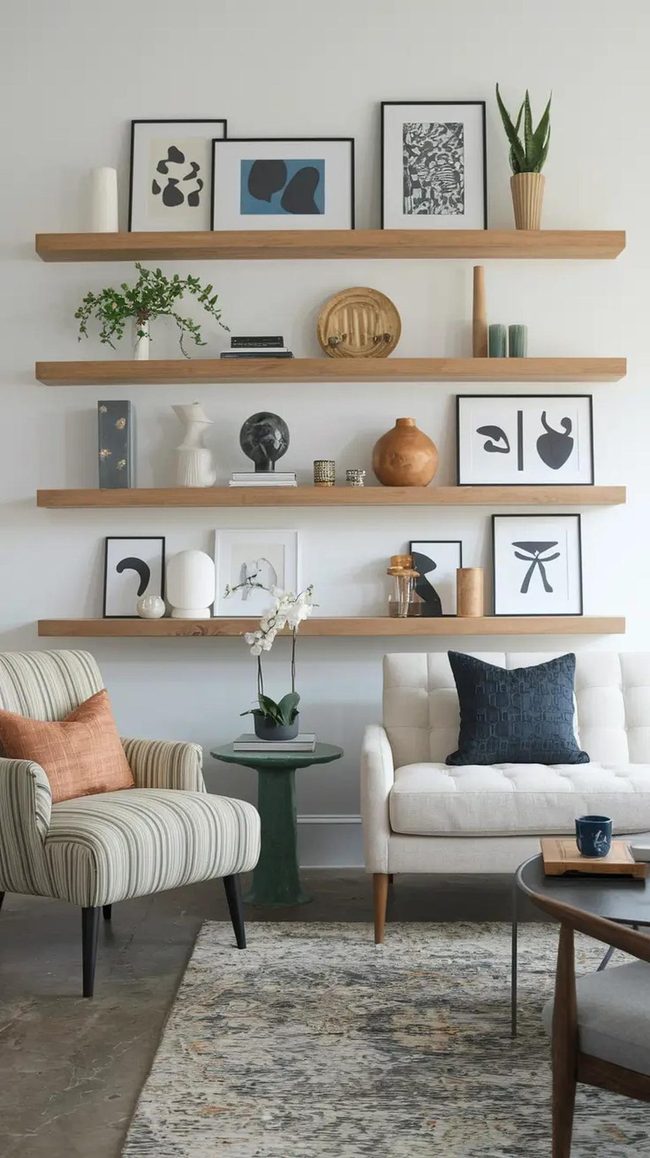
Floating shelves bring modern style to any room while letting you display artwork and ceramics in a gallery-inspired way that draws attention upward and maximizes vertical space in smaller homes.
Wood or matte metal brackets should match your room's aesthetic, and placing shelves at eye level, whether aligned or staggered, makes all the difference in how the display works.
Mixing materials like glass, wood frames, polished ceramics, and natural stones creates visual interest, and varying shelf heights with breathing room between objects keeps everything looking thoughtful.
These shelves suit renters and anyone seeking contemporary design, especially when using minimal brackets or invisible mounting systems that keep the focus on what's displayed.
Wall-mounted spotlights or sconces near the shelves highlight individual pieces and enhance how the collection looks at night.
I recommend starting with a few meaningful items rather than overcrowding the space.
The result is a wise while maintaining stylish way to personalize your walls without commitment.
Dark Walnut Steel Shelving Collections
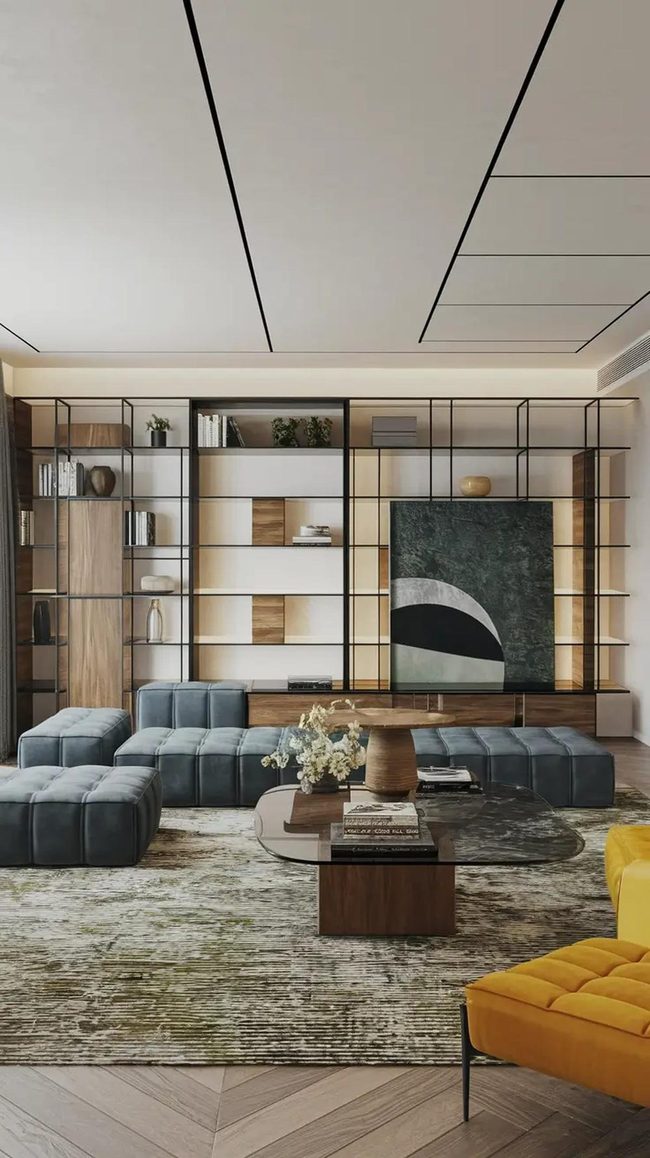
Modern living rooms showcase personal style through thoughtfully arranged collections that blend artistic expression with contemporary design.
Clean lines and polished materials like steel, glass, and dark walnut form the foundation of this styling.
A striking abstract artwork paired with a statement sectional and floating black shelves creates the perfect backdrop for displaying meaningful pieces.
Minimalistic sculptures, geometric vases, and curated photo collections stand beside design magazines and travel mementos on modular bookcases.
I rotate seasonal items regularly so per piece gets its moment to shine.
Modernism brings clarity rather than coldness to a space, making it an ideal framework for telling stories through objects.
Digital art frames or rotating shelf features allow collections to expand and stay fresh over time.
Reclaimed Wood Shelves Display Antiques
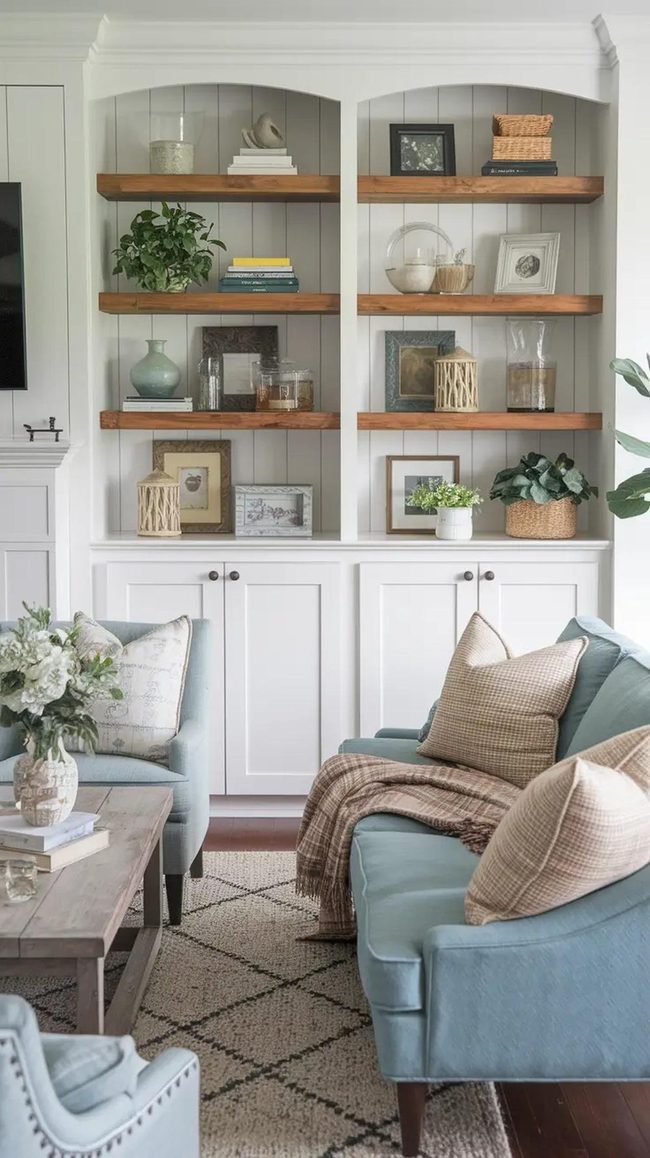
Built-in shelves painted with shiplap or crafted from reclaimed wood become well-resolved visual anchors when displaying antique clocks, old kitchen tools, black-and-white photographs, and enamel pitchers throughout the living room.
Modern farmhouse style blends rustic elements with contemporary design, establishing defined charm through this balanced approach.
Neutral couches paired with plaid throws, distressed wooden coffee tables, and vintage wall signs complete the space.
White and understated beige walls serve as the foundation, allowing earthy tones and antique finishes to stand out naturally.
Authentic farmhouse interiors need genuine historical touches like vintage baking molds, framed handwritten recipes, and salvaged wood mantels.
I believe nostalgia forms the heartbeat of this design style, making it feel both timeless and personal.
Locally made ceramic bowls and woven baskets add the final layer of authentic rustic appeal.
Vertical Grids Maximize Compact Spaces
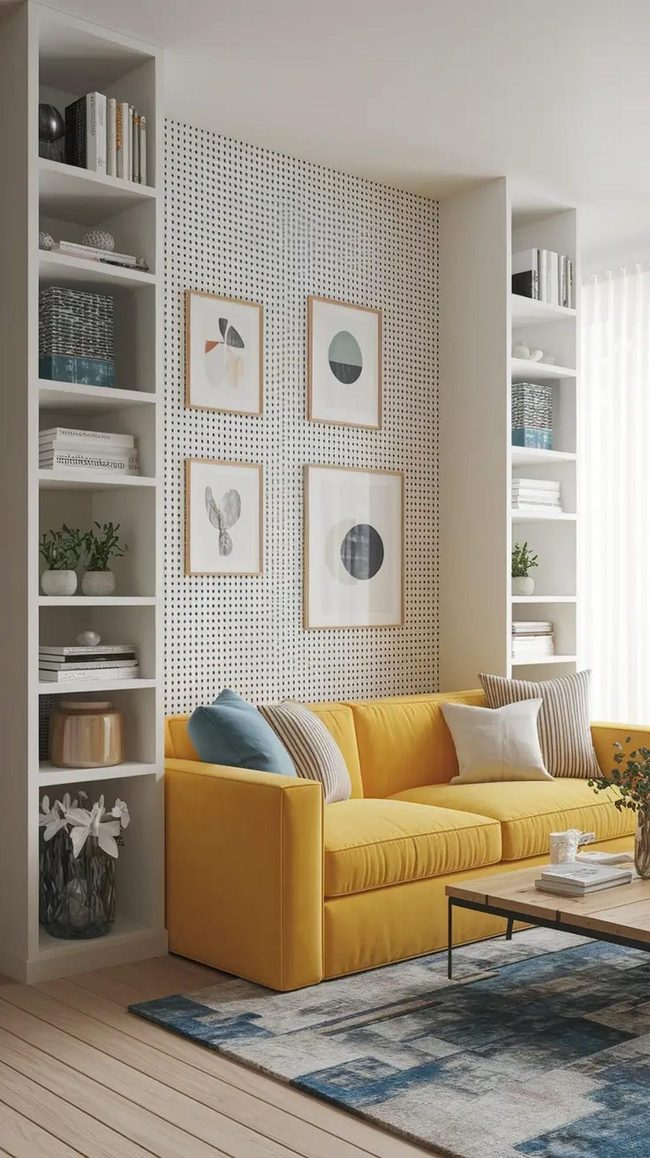
Vertical wall grids and shelving units draw the eye upward, making small spaces feel taller and more open through their natural height advantage.
Tall bookcases, pegboard walls, and metal grids positioned above console tables work well for displaying collections like plates, masks, and framed art in an organized, modern way.
Repeating the same frame styles or keeping equal spacing between items builds harmony across the arrangement.
Studio apartments and compact lofts benefit greatly from this format, and one client's retro postcard display became one of the most photographed spots in their home.
Adding mirrors or metallic surfaces nearby boosts this effect further since light reflection stretches the perceived room dimensions even more.
This method saves floor space while keeping belongings visible and accessible.
I've seen this strategy succeed in dozens of small rooms simply because it looks neat and functions well at once.
Floating Shelves, Curated Collections
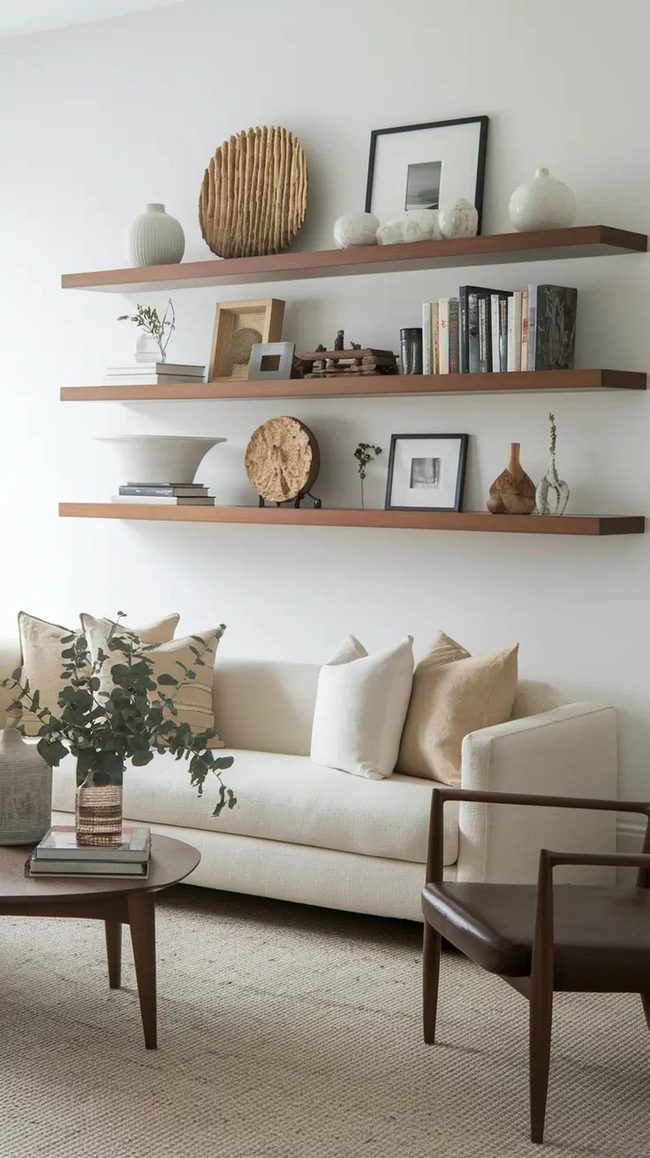
Floating shelves transform living rooms into sophisticated galleries where collections shine without consuming floor space, and wood or powder-coated metal shelves at least 24 inches deep work best for proper layering.
Start individual individual individual shelf with a tall anchor piece like a vase or sculpture, then add mid-sized items and small accents to build visual interest.
Books, candles, and miniature plants fill shelves beautifully while leaving at least 30% empty to prevent clutter.
Varying shelf heights creates instant excitement across the wall.
Mounted shelves offer unrestricted display freedom and suit renters and those with limited space equally well.
I've styled mine with mid-century ceramics alongside framed postage stamp collages.
Secure installation with proper hardware matters since fragile and valuable objects need stable support.
Classic Suitcases And Brass Fixtures
Vintage Revival: Using Retro Finds To Add Soul
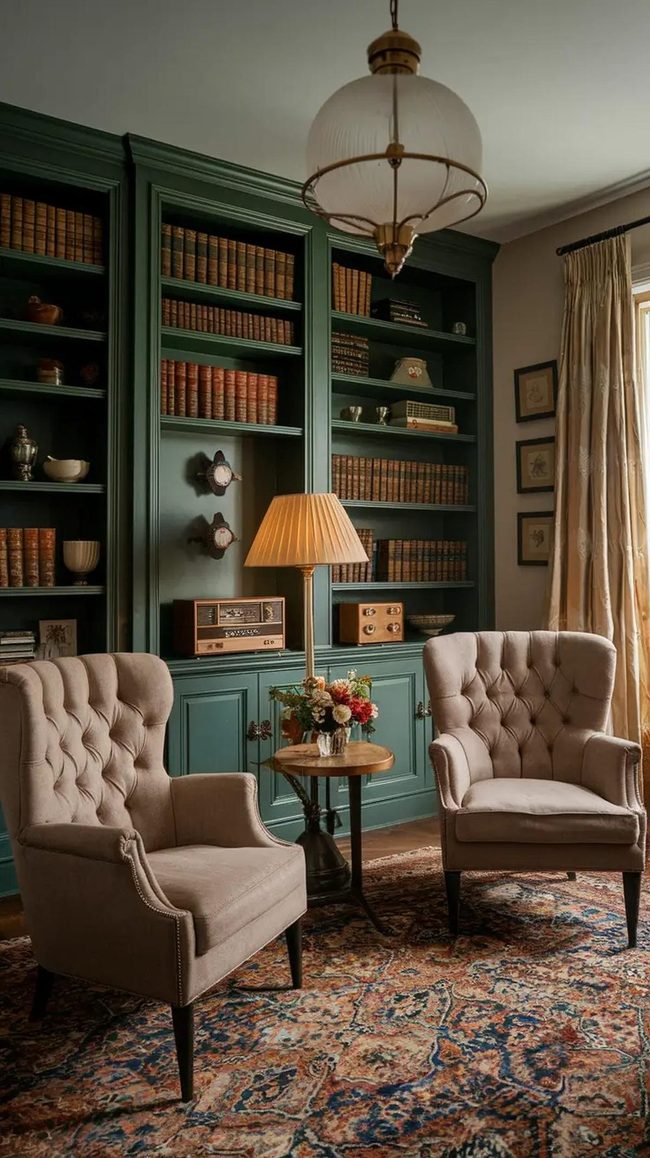
Layered vintage collections transform living rooms into spaces bursting with warmth and character, especially when antique suitcases, retro radios, weathered books, and framed black-and-white photos fill built-in shelves alongside distressed wood and brass fixtures.
Classic tufted armchairs, vintage Persian rugs, and hand-me-downs work as anchors that ground the room in authentic storytelling.
Wall paneling and textured paint deepen the nostalgic atmosphere further.
I once helped a client blend their grandmother's porcelain collection with floral wall art and mid-century pieces, creating unexpected harmony across time periods.
Edison-style floor lamps provide layered lighting that keeps the space functional while reinforcing that nostalgic quality.
Mixing different eras allows rooms to develop genuine character without feeling outdated.
These collected treasures deliver both personality and depth to any living space.
A Statement Piece Anchors The Space
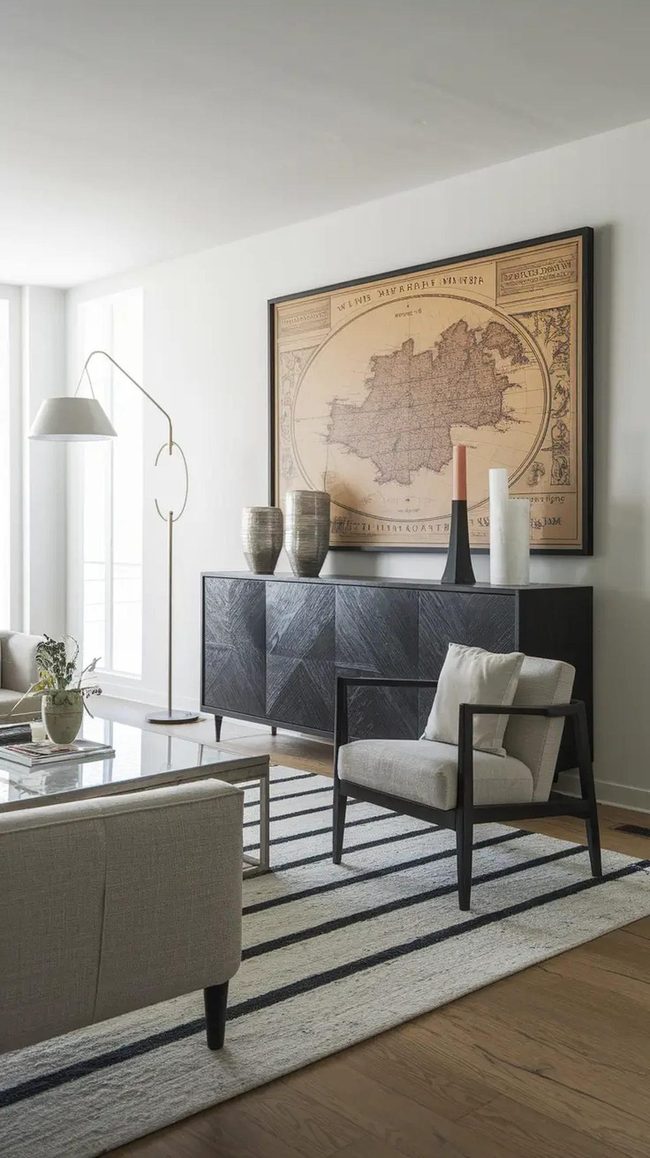
One oversized decorative piece like a floor statue, large painting, or tall ceramic vase commands a room far better than scattered small shelves ever could.
Positioning this substantial item as your visual anchor lets smaller collectibles support it in supporting roles around the space.
Modern and minimalist homes benefit most from this vision because bold dominant elements combat clutter effectively.
A low-positioned couch, modern lighting, and refined side tables enhance the arrangement while the large item sets the framework for everything else.
I once hung a massive vintage map above a walnut console displaying globes and compasses, creating an effect like a museum exhibition.
Placing oversized artwork directly across from a window showcases how sunlight refines its appearance throughout the day, giving the design added vitality and presence.
Layered Wood Shelves With Personal Meaning
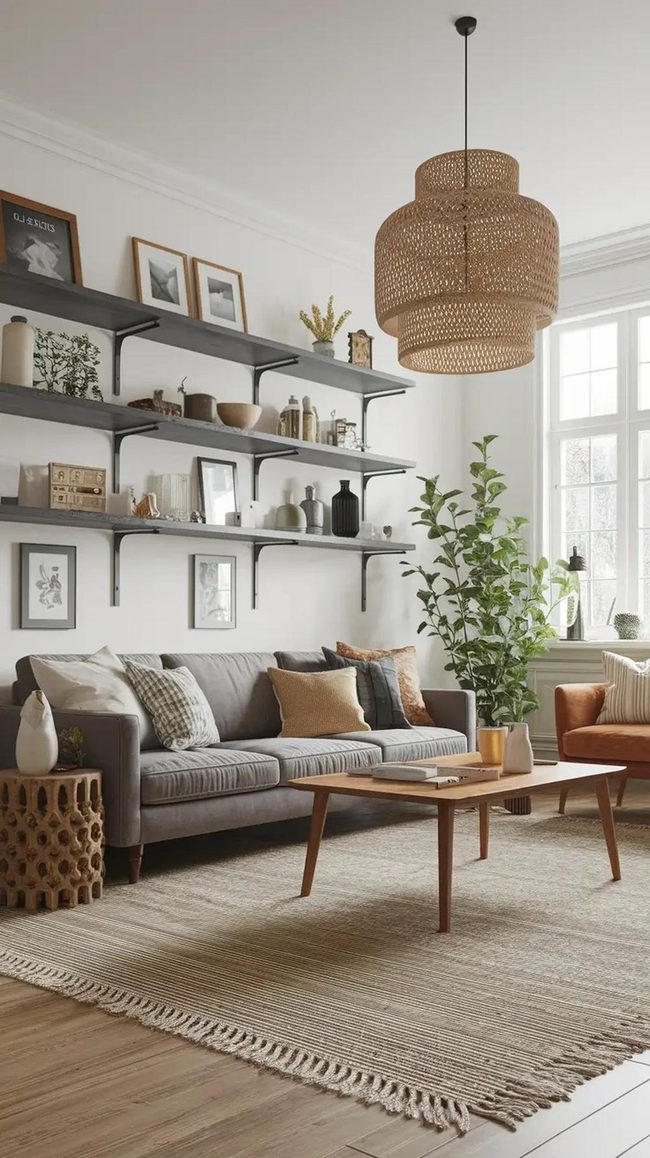
Establish a strong aesthetic direction first, whether boho, mid-century modern, or Scandinavian, because this prevents your living room from feeling like a random mix of objects.
A neutral-toned modular sofa anchors the space while layered throw pillows add depth and character.
Wood-and-metal coffee tables paired with muted-tone rugs form the foundation of your overall look.
Floating wood shelves with underlighting work well for displaying layered vignettes and personal pieces.
Start by selecting items with real meaning to you, handcrafted finds from travels, inherited books from loved ones, since surrounding yourself with objects that matter makes a home feel genuinely personal.
Color harmony ties everything together, so consider using a mood board to test different tone combinations before committing to your collection.
I recommend visualizing how your favorite pieces interact before bringing them all home.
Black And White Gallery Wall Collection
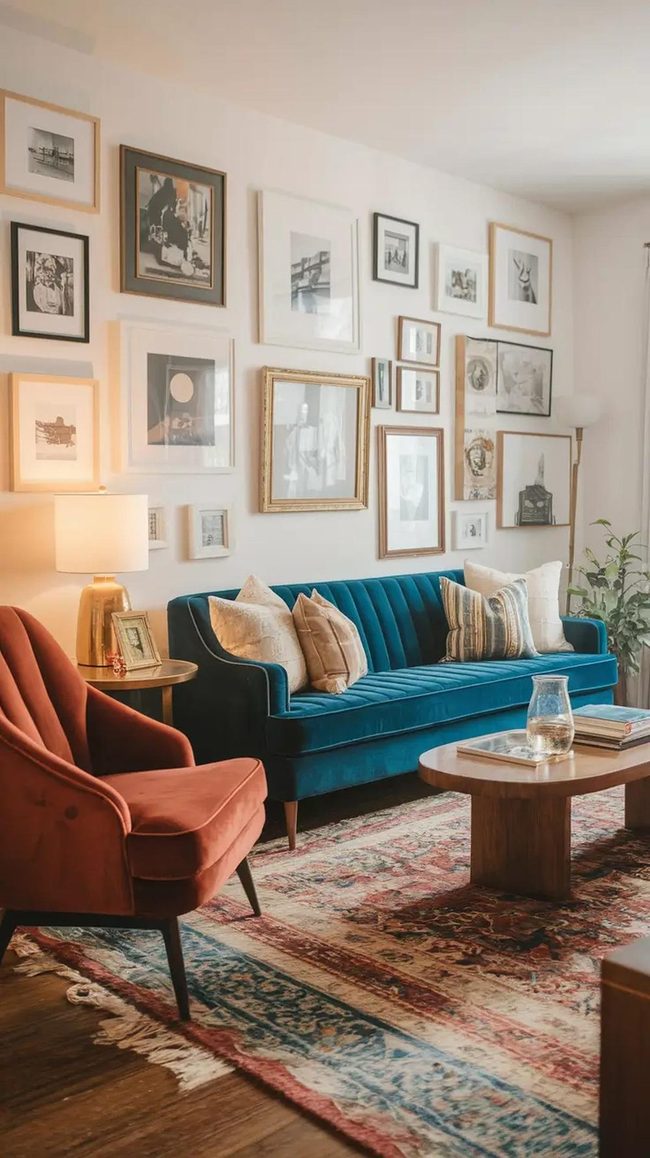
This bold black-and-white artwork or abstract print makes an excellent starting point for a gallery wall, with smaller frames, shadow boxes, and mounted items like clocks or sculptures filling the surrounding space.
Slim picture ledges hold ceramic pieces and tiny framed works, while a velvet armchair and slender floor lamp positioned below add both balance and function.
Vintage record covers pair beautifully with small shadow boxes and metallic accents, creating depth through mixed frame finishes and materials.
Personal mementos, collectibles, and artwork combine on one wall to build a display with character and polish.
Arranging items on the floor first and photographing the layout before hanging ensures everything aligns properly.
Gallery walls let you shift your style over time without major effort.
This aesthetic renews a simple wall into something that feels distinctly personal and polished.
Dark Shelves Showcase Curated Collections
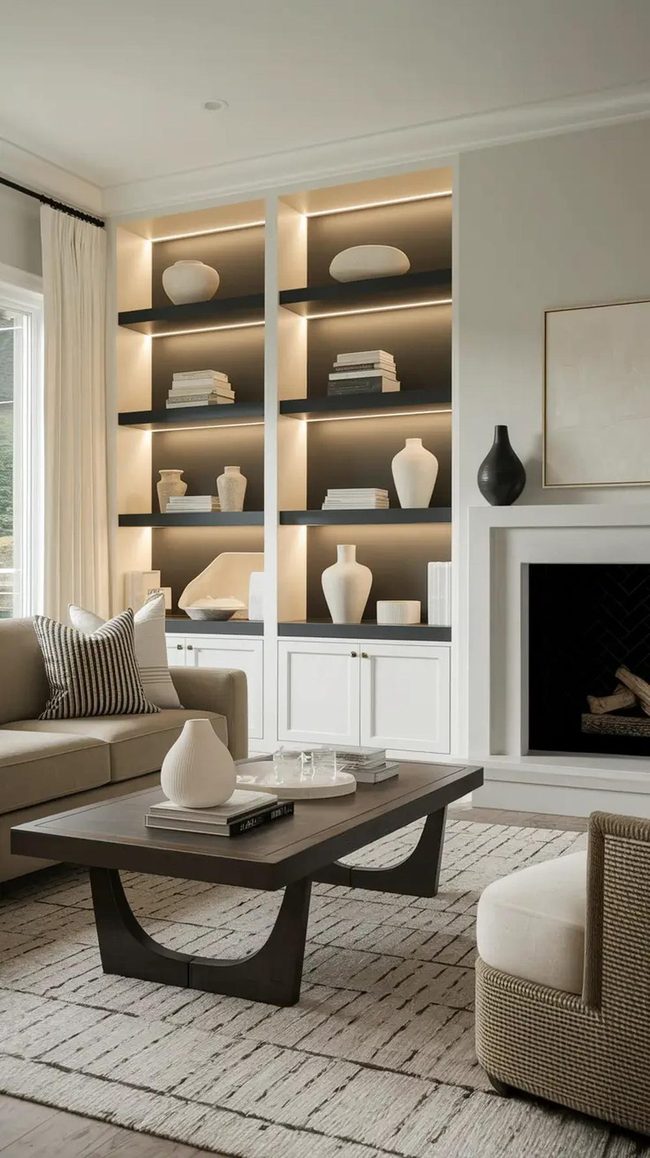
Built-in shelves offer one of the most striking ways to display living room collections, transforming simple storage into gallery-like showcases that anchor a room's entire design.
LED strip lighting tucked beneath per shelf casts a light glow that deepens the beauty of ceramics, framed photos, and sculptures arranged across the space.
Dark painted back panels design sharp contrast that makes lighter objects pop and stand out naturally.
The real power lies in restraint, leaving breathing room between pieces and avoiding clutter lets per item command attention on its own.
I've seen how overlooked built-ins surprise people once they're properly styled, shifting a room from ordinary to something that looks pulled from a design magazine.
Industry practitioners know that balancing scale and empty space matters just as much as the pieces themselves.
Symmetrical arrangements paired with thoughtful lighting turn built-ins into the focal point that grounds everything else in the room.
Golden Backlit Glass Cabinet Display
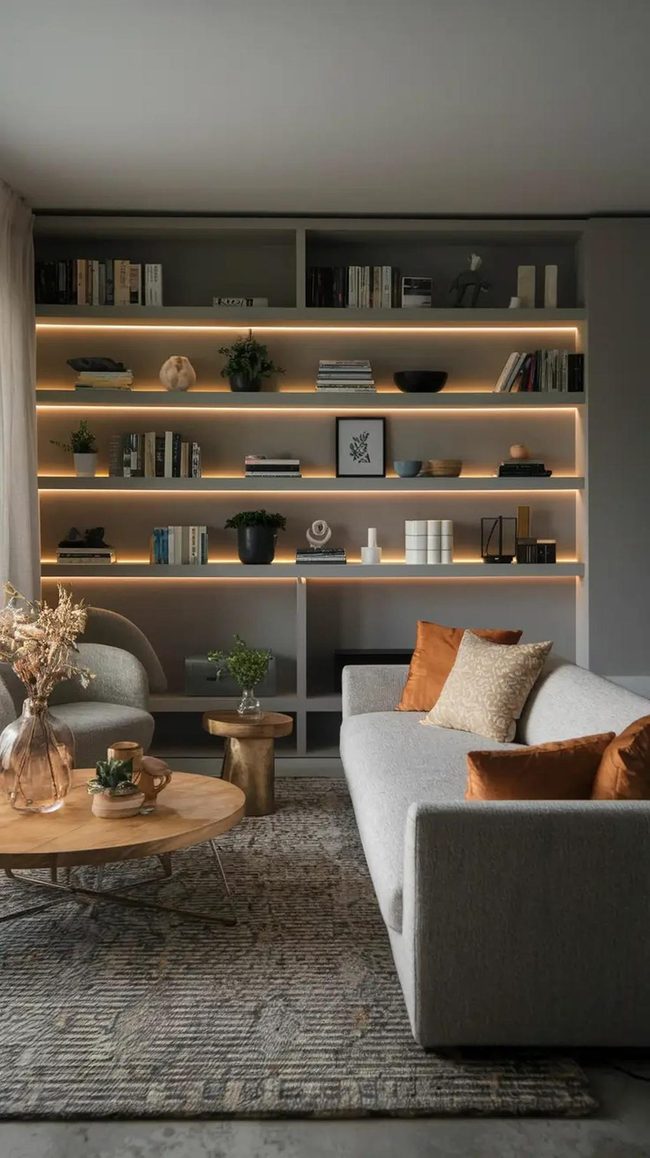
Lighting refines ordinary collections into striking displays that demand attention, and the right setup makes even simple items feel important and purposeful.
Golden backlighting behind glass cabinets produces gallery-quality illumination that catches the eye immediately.
LED strip lights beneath shelves, wall-mounted sconces, puck lights above shadow boxes, and adjustable directional ceiling lights suit as a complete system.
Warm white bulbs between 2700K and 3000K provide clear visibility while maintaining a comfortable atmosphere that suits any room.
Strategic illumination guides viewers' eyes directly to what matters most in built-in shelving, floating displays, and living room furniture collections.
I've seen how proper lighting helps people appreciate possessions they thought were ordinary, revealing hidden beauty in what they already own.
Installing these systems doesn't require professional help, most DIY lighting kits are straightforward enough for anyone to upgrade their shelves independently.
Antique Collections In Corner Alcoves
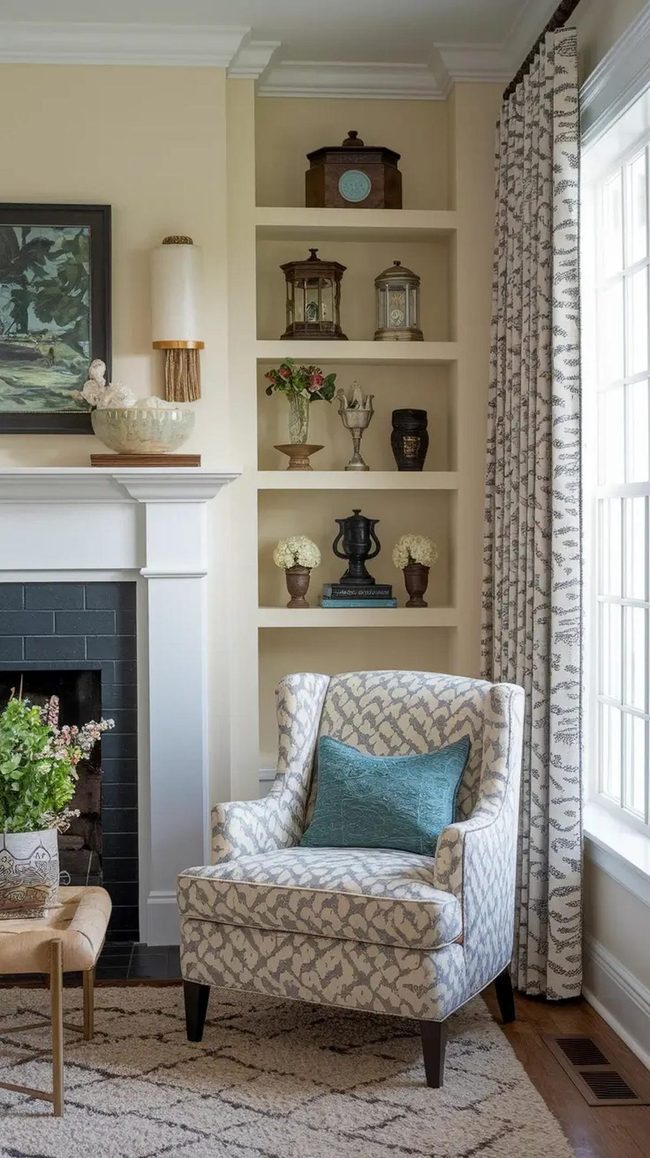
Small rooms don't need much space to display meaningful collections, and tight corners often become the most striking design features in any home.
Curio corners work wonderfully for showcasing collections on shelves in hallways, alcoves, or between windows.
Corner shelf units, pedestal stands, and floating mini shelves above console tables transform these areas into personal galleries for treasured items like antique teacups, stamps, or crystal figurines.
A narrow floor lamp or spotlight highlights the display without overwhelming nearby furniture.
Empty fireplace alcoves become even more dramatic when filled with dried flowers, art deco mirrors, and specimen displays.
Stacking items vertically and hanging elements maximizes these tight spaces effectively.
A trailing pothos or fern adds height variation and freshness to complete per per individual corner arrangement.
Mixed Material Layers Add Depth
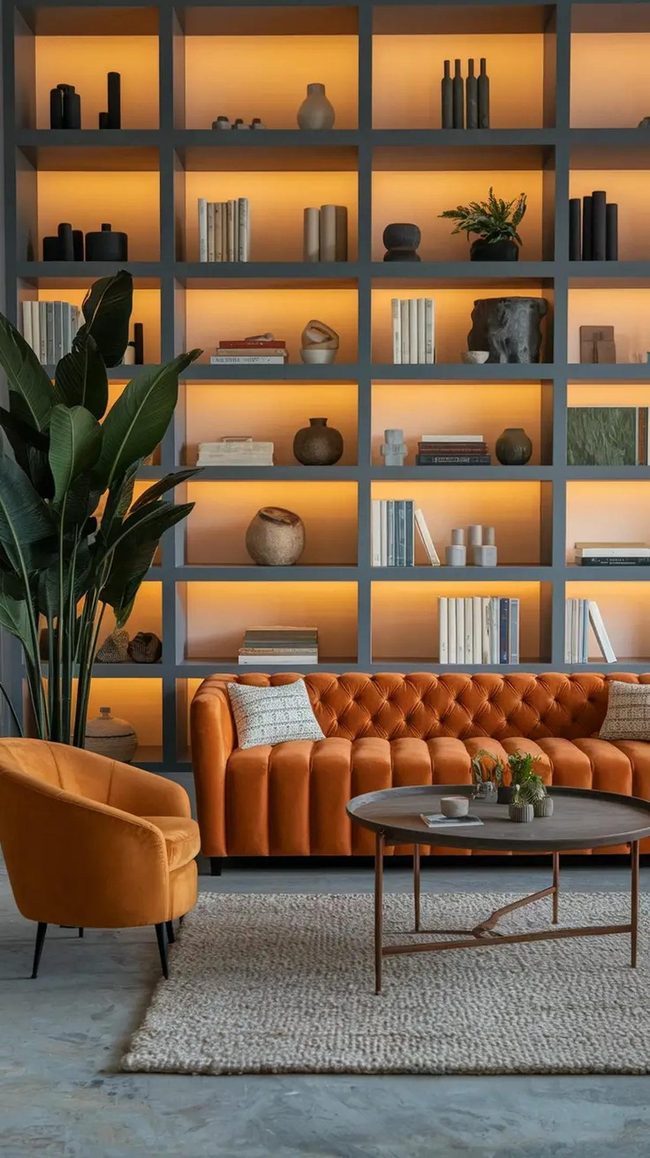
Mixing different materials and textures across furniture, shelves, and displays creates genuine depth that flat, uniform spaces simply can't match.
Natural wood paired with polished glass, matte surfaces contrasted against glossy ones, and rough textures beside smooth ones all catch the eye in satisfying ways.
Picture a leather armchair facing a velvet sofa, a wool rug grounding polished concrete floors, baskets woven alongside glass containers, and metallic frames holding handcrafted pottery, per one combination adds dimension and visual interest.
I've seen how adding these varied textures immediately brings both warmth and energy into a room that felt plain before.
Hard materials next to light fabrics and natural elements mixed with tailored surfaces make spaces feel more thoughtful and lived-in.
One usable finishing touch: acoustic fabric panels or heavy curtains absorb sound and add lightness to rooms that echo too much.
The result is a space that feels richer and more engaging without relying on bold colors or trendy pieces.
Vintage Cameras Black Lamp Books
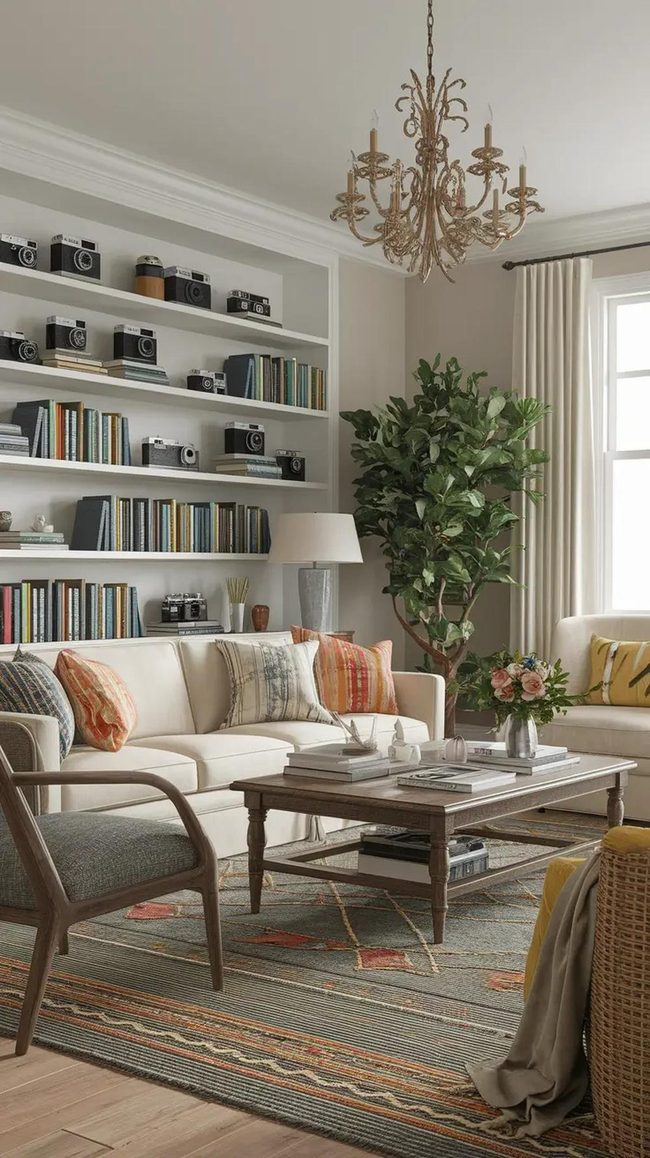
Antique cameras positioned beside neatly stacked design books and a matte black lamp style striking visual moments in living rooms.
Combining meaningful objects with decorative elements, whether matching their structure or color scheme, prevents collections from feeling overwhelming.
Natural woven baskets and textured throws placed next to glass frames and ceramics bring balance to shelves and surfaces.
Mixing different materials adds depth and keeps the space from feeling sterile or museum-like.
I apply the design rule of threes, arranging objects in odd-numbered groups on console tables and coffee tables for natural visual balance.
Small succulents and trailing plants soften the display's edges while creating flow throughout the arrangement.
This blend of collectibles with everyday décor enriches personal objects into elements that feel at home in any room.
Brass-Toned Furniture Unifies Collections
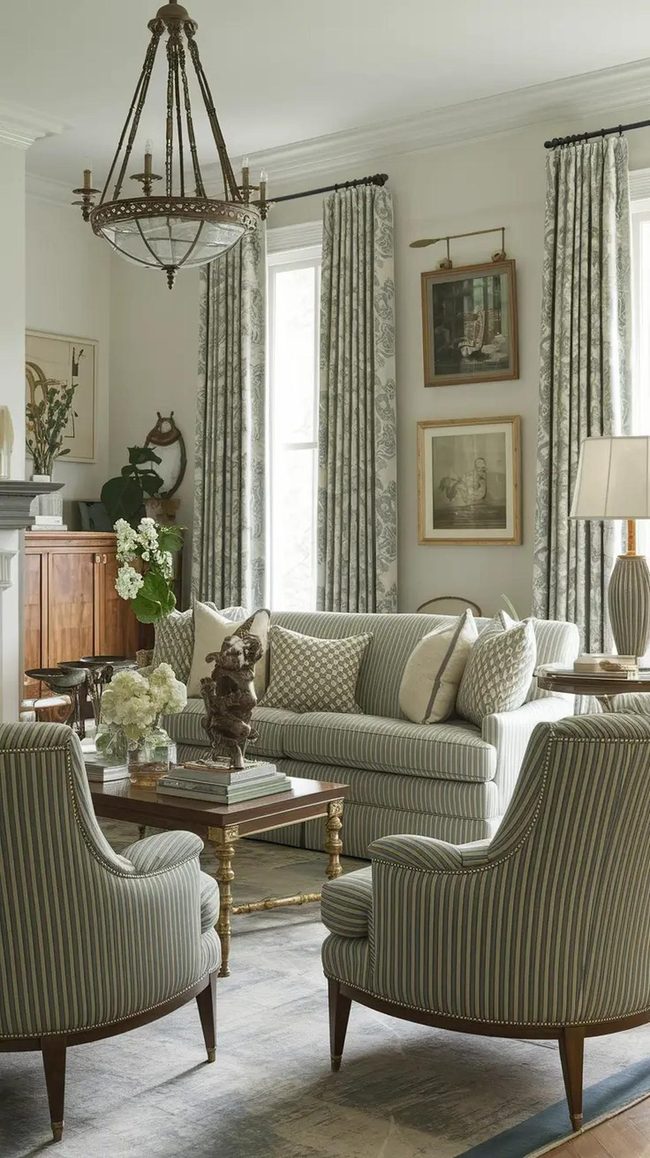
Living room furniture serves as both backdrop and centerpiece when selected with care for what surrounds it.
Matching pieces to collections creates a space that feels intentionally connected rather than scattered.
Many people don't realize that furniture itself can become a collecting focus, working alongside other displays to build evenly resolved rooms.
Repeating finishes like wooden tones or brass elements help bring cohesion to the layout visually.
Brass collectibles pair beautifully with furniture featuring brass legs, while mid-century modern styles suit eclectic vintage displays and minimalist designs work well with sculptural pieces.
Modular sofas offer flexibility when seasonal displays need to shift.
One designer paired vintage cameras with chrome-and-leather furniture pieces, which gave the entire room a cinematic quality.
Upholstered pieces featuring patterned fabrics, think tropical palms or art deco geometry, can echo collection themes throughout the space.
Geometric Rugs And Floating Shelves
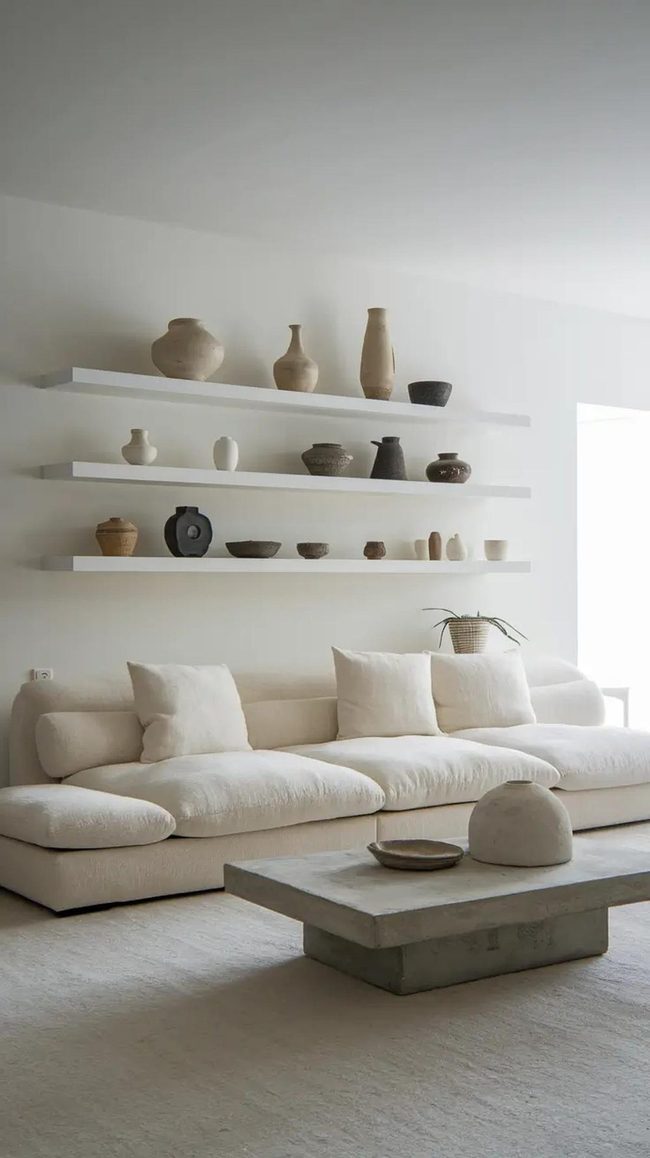
The well-designed minimalist collection showcases with precision selected pieces without overwhelming the space, allowing every one object room to breathe and stand out.
Bold geometric area rugs and modern wall art serve as visual anchors that ground the room and set the tone for the entire space.
Metal wall clocks with clean lines and mid-century console tables add functional style while maintaining the uncluttered aesthetic.
Canvas posters with creative quotes and deep in color colors bring personality without excess, and I appreciate how a few meaningful pieces key more impact than crowded displays.
Simple wooden furniture paired with neutral walls lets every one item command attention on its own.
Hidden lighting under floating shelves highlights your collection during evening hours and adds depth to the room.
This philosophy renews living spaces into calm, organized environments where every piece serves both beauty and purpose.
Color-Coded Shelves With Layered Objects
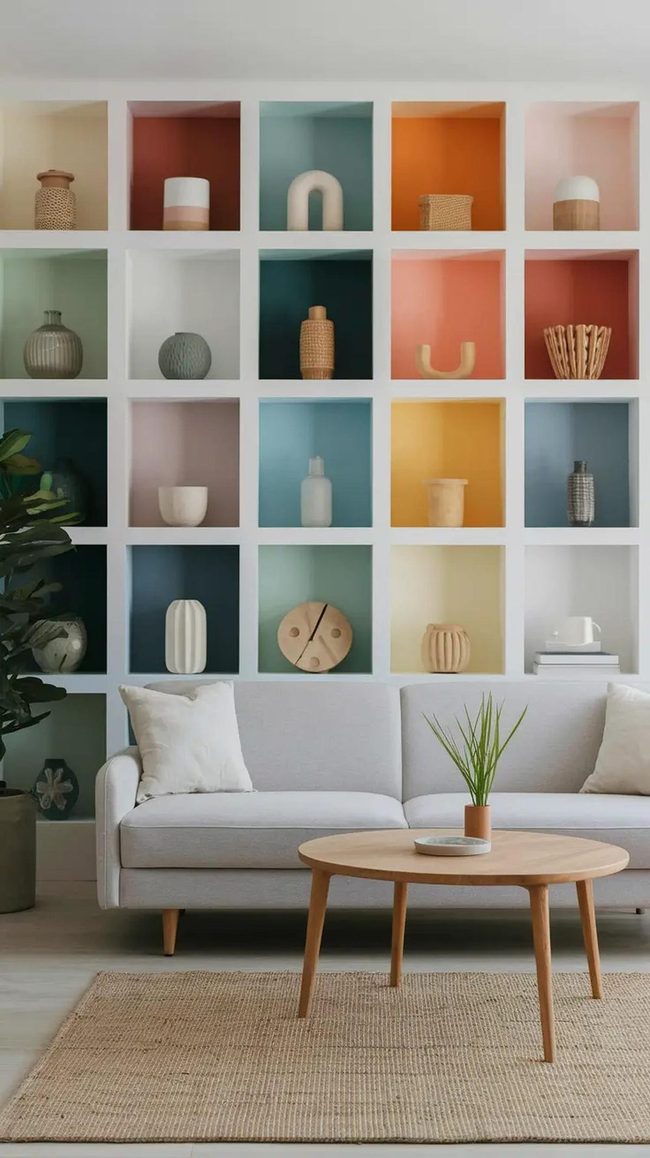
Grouping collections by color creates striking visual harmony in living rooms, transforming unrelated objects into an organized display.
Warm tones like reds, oranges, and golds sit opposite cool blues, greens, and silvers, while neutral pieces bridge the different sections.
Open shelving with decent depth works best for this layout, allowing items to layer naturally and catch light beautifully.
Light grey furniture and whitewashed oak pieces support the arrangement without competing for attention.
I recently helped a client color-code vinyl records and frame them above a cabinet, which became a favorite gathering spot.
Adding reflective and transparent elements breaks up the solid colors and bounces natural light across the shelves.
This method brings both calm and artistic appeal to everyday objects.
Blue And White Maritime Collection Display
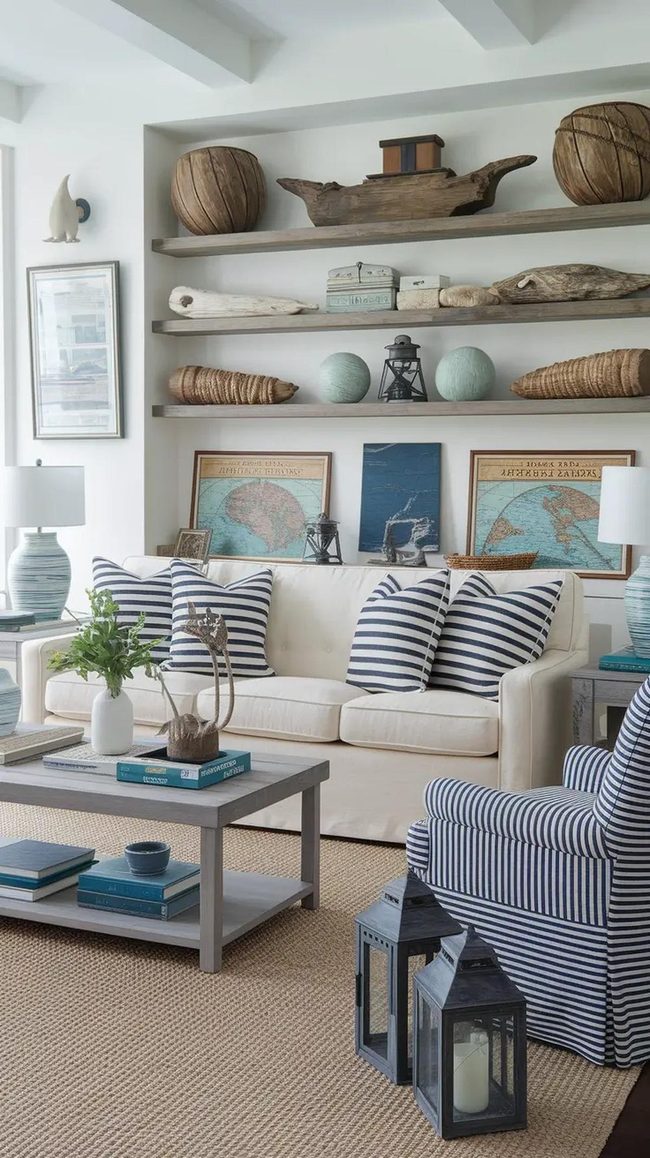
Organizing collections around a single theme refines scattered displays into a unified story that flows naturally throughout the room.
During a recent project, I combined driftwood stands, vintage maps, antique lanterns, and shell jars to build a maritime aesthetic that extended into striped blue-and-white cushions and rope textures.
A large driftwood-framed mirror anchored the center and brightened the entire space.
Repeating the same colors, textures, and patterns across within section of detail ensures the design feels mindful and complete rather than chaotic.
Coastal, botanical, industrial, or pop culture themes all work equally well once committed to fully.
Adding lighting fixtures that match the theme, such as nautical brass sconces or botanical pendants, completes the look without overshadowing displayed items.
This focused approach makes decisions easier and prevents collections from feeling messy or disorganized.
Neon Sculptures Against Neutral Walls
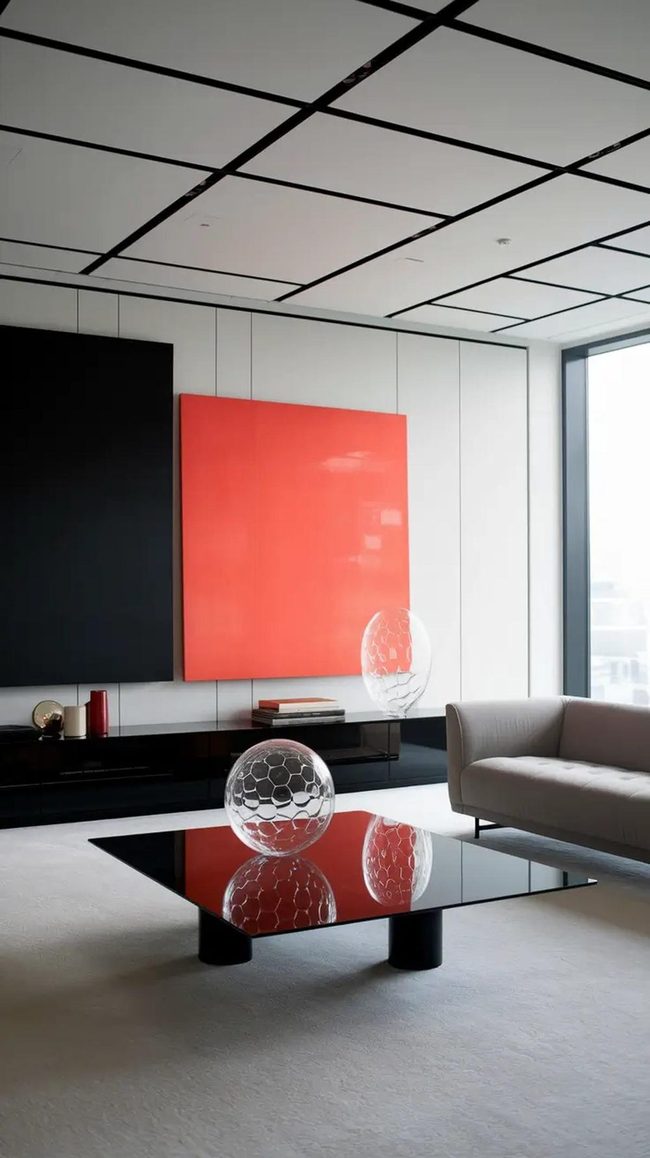
Bold collectibles in modern living rooms range from daring to understated, every one one bringing distinct character to a space.
Contemporary layouts work best when walls stay simple and neutral, allowing attention to shift toward standout pieces like pop art, avant-garde sculptures, or neon signage.
Statement lighting and colorful acrylic works paired with oversized planters and lively in color presence wall art cast sharp contrast against a minimalist backdrop of white or black surfaces.
Floating shelves and polished console tables display these pieces while maintaining visual balance throughout the room.
I once placed a luminous Lucite sculpture in a white living room and it completely anchored the space as the main point of interest.
A weighty rug or substantial furniture piece beneath these bold items grounds the composition and prevents everything from feeling unanchored.
Contemporary design succeeds when statement pieces spark genuine emotional connection within an otherwise restrained environment.
Patterned Sofa Anchors Eclectic Style
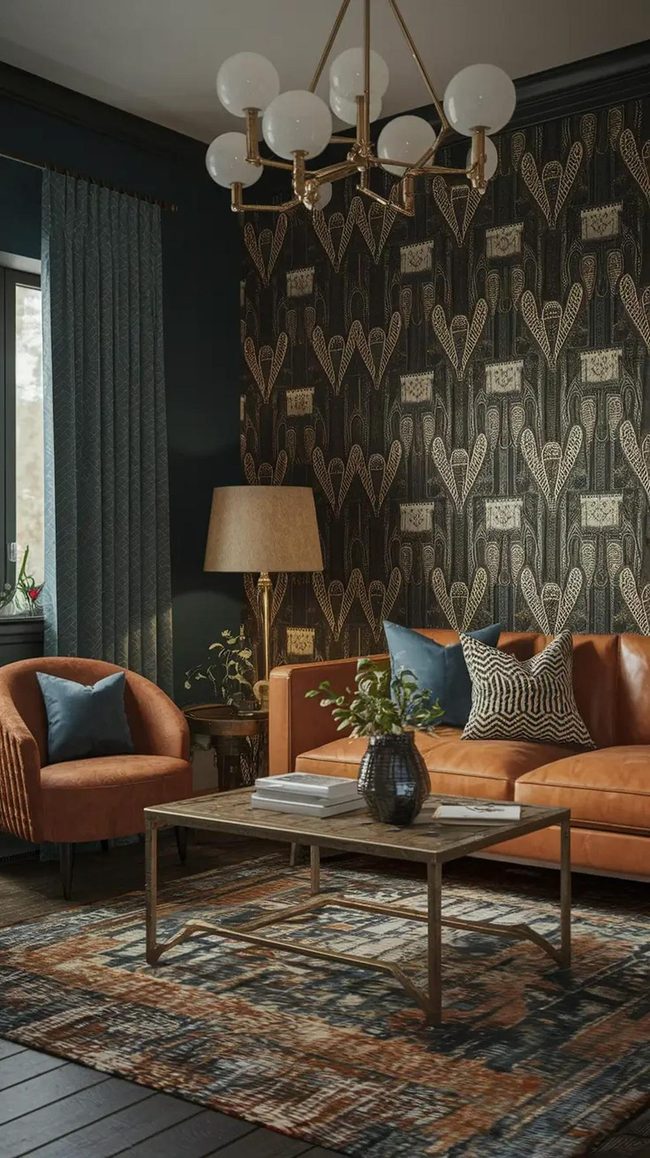
Starting with a striking focal point like a patterned sofa or vintage cabinet sets the foundation for mixing styles that don't match in strict terms but flow together through rhythm and intention.
Layer in pieces from different eras next, an industrial coffee table, abstract art, and tribal-inspired accessories build visual interest across the room.
Shelves work best when they blend antique books with modern vases, handmade pottery, and quirky finds that speak to your personality.
Combining something like Art Deco brass with a retro lava lamp shows how different periods can share harmony when they connect through materials or shapes.
Generally, this layout to design both key and deeply satisfying since it celebrates what matters rather than forcing perfection.
Finish the space with textured area rugs and a leaning floor mirror to deepen the reflective quality and ground all those independent pieces into something that feels whole.
Transparent Oak Cabinets Display Collections
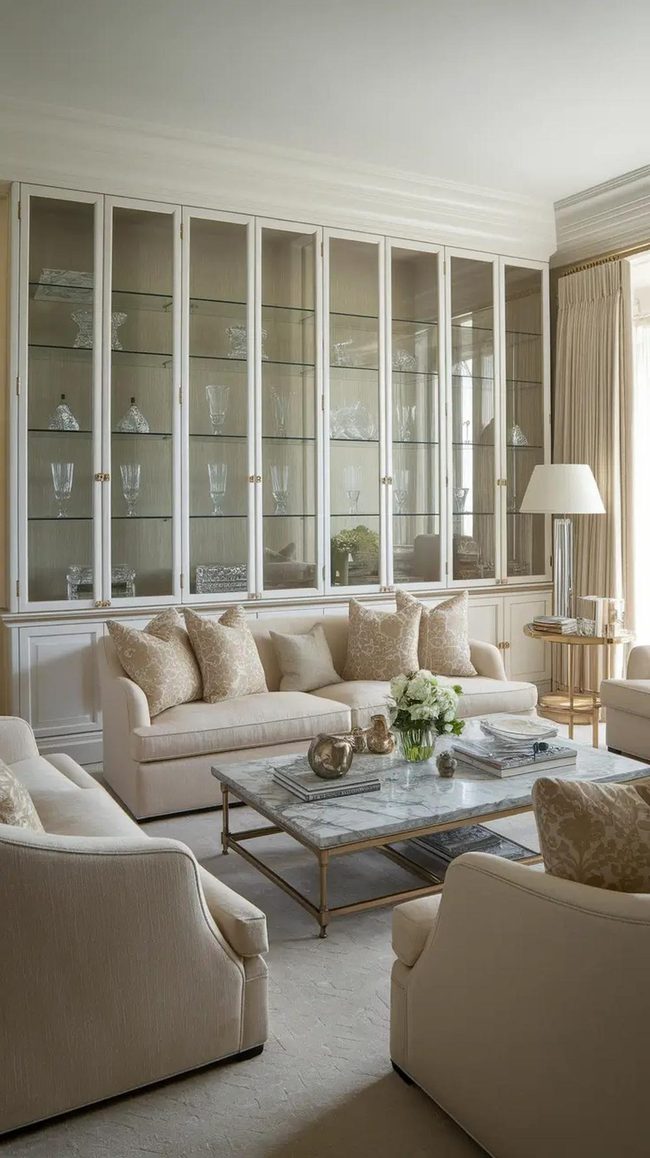
Glass cabinets bring striking beauty to living rooms by displaying collections behind protective transparent panes while keeping everything organized and visible.
Slim-profile cabinets in oak or black matte finishes work wonderfully for showcasing monochrome pottery, crystal vases, and rare collectibles.
Pairing glass cabinets with light-toned seating, minimalist curtains, and a marble or travertine coffee table balances the space and feels well-proportioned.
Interior cabinet lighting adds depth and highlights what's inside, making displays shine.
I've used museum-style glass vitrines for architecture collections and found the result feels both sophisticated and youthful.
Customized cabinet dimensions matter most when working with limited or unusual floor plans.
Glass cabinets adapt easily to different room layouts and keep treasured items safe while staying part of the décor.
Michael Thompson
Senior Content Editor
Expertise
Content Strategy Development, Editorial Team Leadership, Home Décor Trends & Style Curation, Digital Storytelling for Interior Design, Quality Assurance in Publishing
Education
University of Missouri, Columbia
University of Texas at Austin
Michael Thompson is the senior content editor at Decorrio, bringing over 12 years of experience in journalism and home décor writing. With a journalism degree from the University of Missouri and a master’s in English from UT Austin, he blends storytelling with expert design insights.
At Decorrio, Michael curates inspiring content that helps readers transform their spaces with style and ease. He’s passionate about home organization, DIY projects, and quality design ideas that make everyday living more enjoyable.
Outside of work, Michael enjoys exploring Austin’s culture, tackling home improvement projects, and mentoring aspiring writers.