
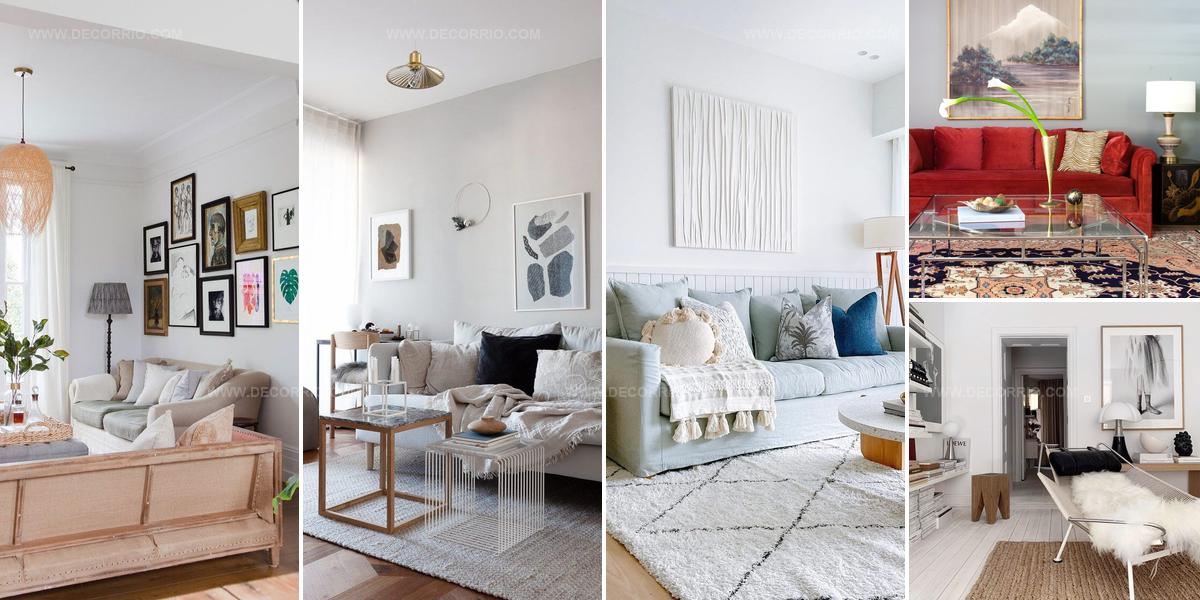
9 Formal Living Room Decor Ideas That Elevate Your Space

Formal living room decor can establish an atmosphere of sophistication that makes every gathering feel special.
Elegant furnishings and refined touches work together to craft a space where comfort meets timeless style.
The right balance between classic elements and modern sensibilities helps create an environment that feels both welcoming and impressive.
Whether hosting dinner parties or enjoying quiet evenings, a well-appointed room sets the tone for memorable moments.
Careful attention to detail ensures that each element contributes to an overall sense of grace and polish.
When done thoughtfully, this approach to interior design reflects personal taste while maintaining an air of distinction.
Let these concepts inspire the elegant sanctuary that you've been dreaming of creating in the heart of what makes a house feel like home.
Flexible Living For Real Life
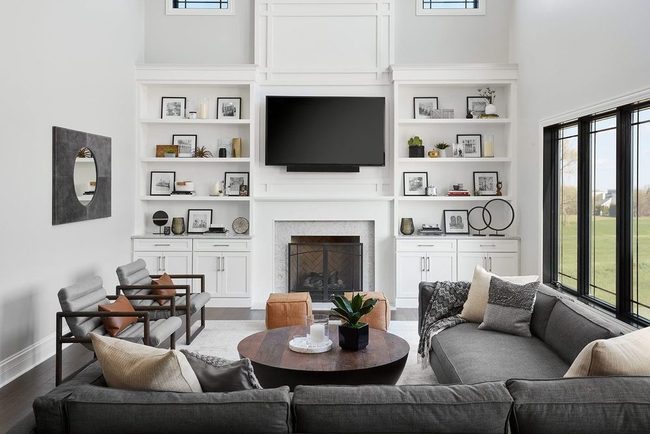
Modern living rooms serve a much broader purpose than the formal entertaining spaces of the past, and today's casual approach means functionality matters more than ever.
Since we use these rooms for multiple activities throughout the day, you'll want to design a space that handles entertaining guests, relaxing with family, and even eating meals without feeling stiff or unwelcoming.
Gone are the days when a living room existed only for formal gatherings, so your space should feel comfortable enough for everyday life while still being polished enough for company.
Balancing that formality with comfort means choosing furniture and layouts that don't feel stuffy, yet still look put-together.
Your living room is one of the most-used spaces in your home, and it deserves to be designed with how you actually live in mind.
We tend to spend more time in these rooms doing everything from watching movies to working to hosting small gatherings, so planning around those real activities makes sense.
Building in flexibility helps you move between different uses without rearranging everything constantly.
What matters now is creating a space that works hard for your household and welcomes others warmly at the same time.
Layered Textures Lived In
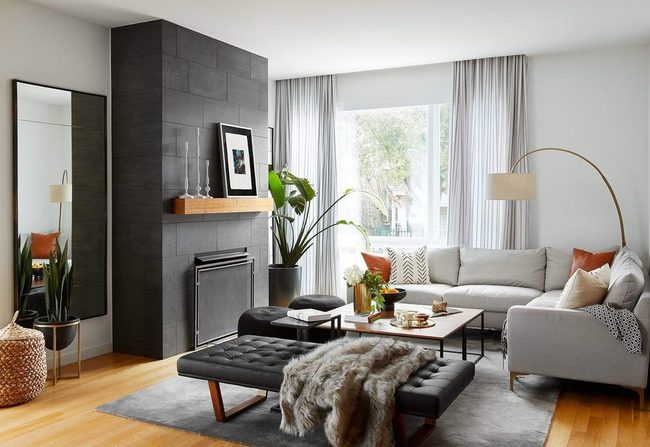
Combining different textures and materials throughout your space keeps rooms from feeling flat and one-dimensional like those overstuffed formal living rooms we remember from our parents' homes.
You can weave in woven chairs alongside leather pieces, smooth surfaces next to rough ones, and wood tones mixed with metal accents to add depth and interest.
Breaking the old rule that everything must match actually works in your favor because variety makes spaces feel more current and lived-in.
Mixing styles means you're not locked into buying matching sets, which gives you freedom to pick pieces you genuinely love.
Colors don't need to coordinate perfectly either-layering them creates a more dynamic look than playing it safe with one palette.
Wood, metal, fabric, and glass all coexist beautifully when you trust your instincts about what feels right.
I've learned that this approach makes decorating less stressful and way more fun because there's no single "correct" answer.
Your room becomes more interesting because it reflects different influences and textures rather than looking like everything came from one showroom.
Connected Rooms Flow Better
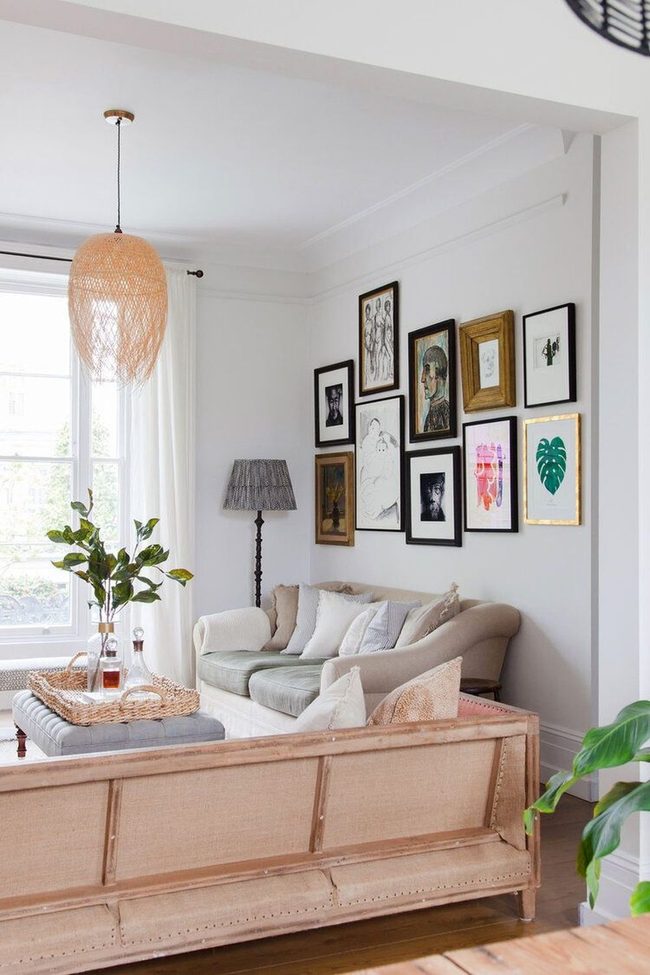
Placement really shapes how your formal living room functions in your home.
Stix observes that the old-school approach tucked formal spaces at the front, isolated from everything else.
She recommends positioning your formal living area near a busy part of your home instead.
When you situate it beside the kitchen, where people naturally congregate, the space opens up and becomes part of the home's flow.
You get better interaction between rooms this way.
Conversation can drift between spaces smoothly.
Open positioning like this makes your whole home feel less divided and more linked together.
Facing Sofas Foster Real Connection
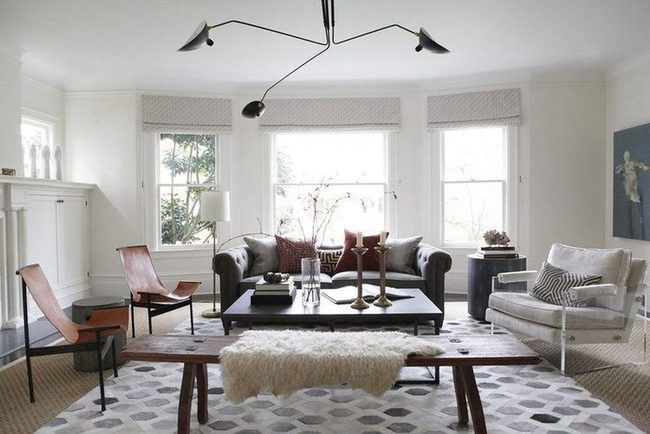
If you want your formal living room to actually work for gathering people together, then your furniture setup matters more than you might think.
Two sofas positioned to face each other or four chairs arranged around a center table or ottoman will naturally encourage people to talk and connect with one another.
When seating pieces point toward each other rather than toward a television or window, you remove barriers to real human interaction.
This kind of arrangement makes it easier for everyone in the room to see and hear each other without strain.
You don't need anything fancy or complicated, just thoughtful placement that puts people first.
Whether you choose sofas or chairs, the key is making sure your seating forms a shape that brings folks into a shared space.
The way you arrange these pieces sets the tone for how your room actually gets used day after day.
Mismatched Furniture Modern Living
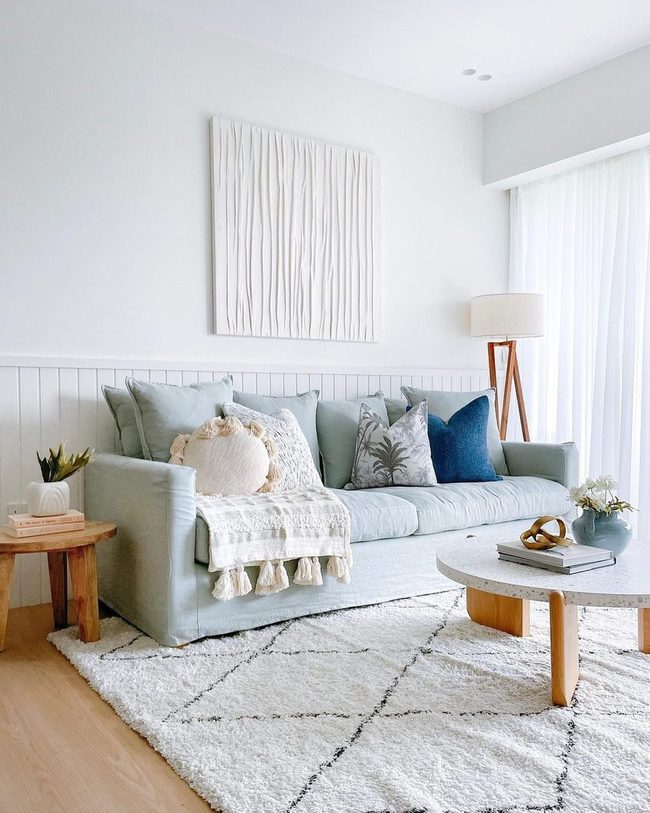
Skipping the matchy-matchy trend that dominated formal living rooms years ago makes your space feel fresh and modern, as design expert Ella Hall explains.
You've probably seen those rooms where every sofa, chair, and table looks like it came straight from the same showroom set, and while that approach used to seem like the safe choice, it actually feels dated now.
Hall encourages you to break free from the idea that everything must coordinate perfectly.
Instead, mix different styles, layer in various textures, and blend multiple colors throughout the room.
Combining pieces from different periods and sources gives your space personality and keeps it from looking stiff or staged.
You don't need matching furniture to make a living room feel polished or put-together.
Playing with contrast and variety actually shows more confidence in your design choices and makes the room feel lived-in and genuine.
Rotating Contemporary Wall Art For Living Rooms
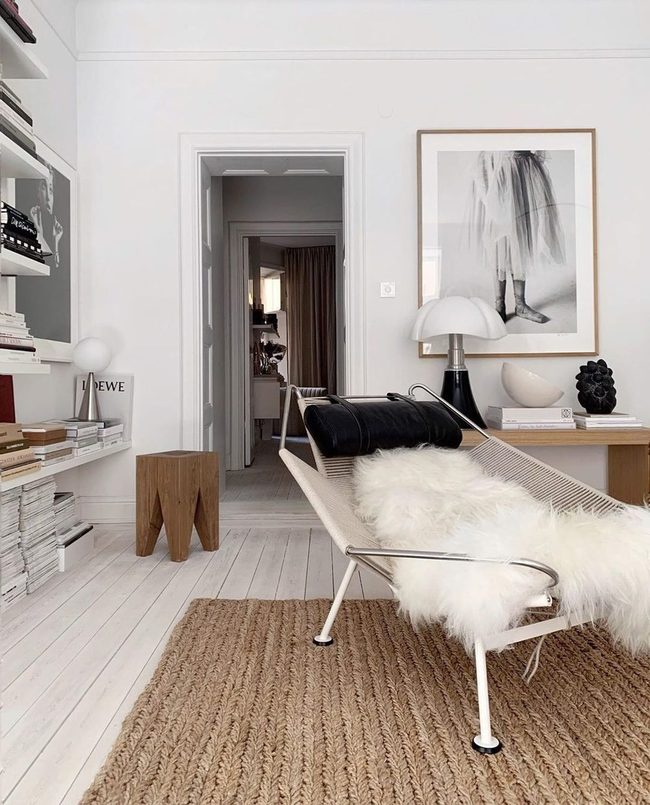
Swapping out your artwork regularly keeps your formal living room looking fresh and gives you the freedom to match the mood of each season.
I like how a bold, eye-catching piece on the wall instantly shifts the entire energy of a room, and you can rotate these selections whenever you want a change.
Contemporary art works especially well if your furniture leans toward classic or traditional styles, and it brings a modern edge that feels youthful and alive.
You don't need to stick with one piece forever, so mix things up based on what you're feeling in the moment.
Hall points out that your formal space becomes more dynamic when you treat art as something flexible rather than permanent.
Whether you prefer abstract designs, bold colors, or minimalist works, your choices can easily adapt to seasons and your evolving taste.
This approach keeps your home feeling current without needing to replace furniture or make major changes.
Vintage Furniture Fresh Fabric Revival
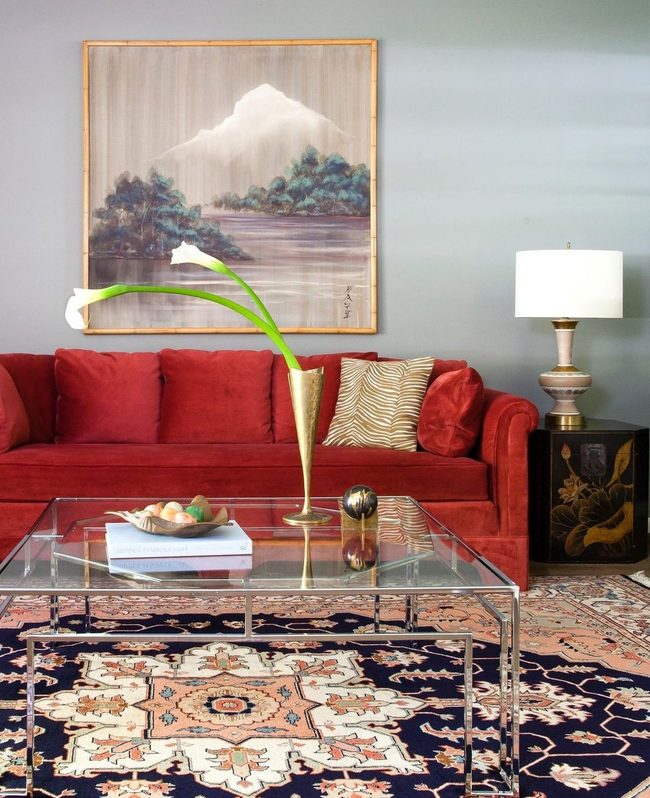
When you're ready to refresh a traditional formal living room without emptying your wallet, reupholstering vintage furniture with new fabric offers an excellent way forward.
Hall recommends taking inventory of what you already own and giving those pieces a fabric upgrade rather than replacing everything at once.
Even if you're building from nothing, this strategy saves money because you can hunt down solid vintage pieces at bargain prices and breathe new life into them with affordable upholstery work.
You'll find that older furniture often features better construction than many modern alternatives, so investing in fresh fabric becomes a smart choice.
Thrift stores and estate sales frequently stock gems waiting for exactly this kind of revival.
By pairing quality vintage bones with contemporary fabric patterns or colors, you shift the entire mood of the room toward something current and personal.
This approach lets you blend the best of both worlds-timeless furniture structure with up-to-date style that reflects your taste.
Comfortable Sofas Replace Stiff Formality
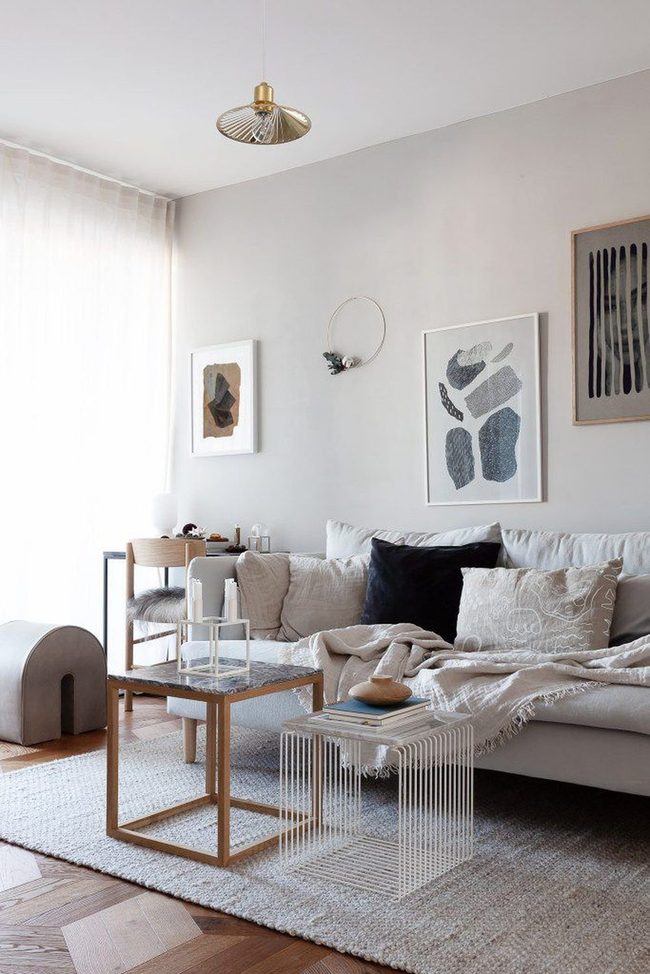
Instead of those rigid sofas your grandparents had, today's living rooms embrace comfort without sacrificing style, and this shift away from stiff, formal furniture has completely changed how we use our homes.
Katie Stix, a design director at Anderson Design Studio, notes that older formal living rooms often featured uncomfortable seating covered in overly formal fabrics that discouraged anyone from actually sitting down.
Lauren O'Donnell, an interior designer at Build.com, explains that modern spaces have moved past this awkward formality where you'd hesitate to even enter the room.
We now understand that your sofa should feel good to sink into, and pillows should actually support your back rather than sit there looking pristine and untouchable.
Hard chairs with fancy upholstery have given way to seating that invites you to relax and stay awhile.
Your living room can look polished and beautiful while still feeling like a place where people genuinely want to spend time.
The best spaces today balance beauty with the simple pleasure of being comfortable enough to truly enjoy them.
Neutral Base, Patterned Pillows
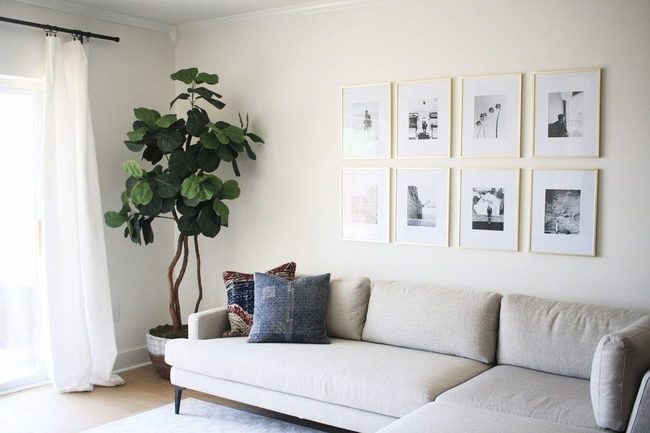
When you're setting up a formal living space, it's easy to get excited about bold upholstered pieces like that zebra print couch, but holding back and keeping your main furniture in neutral solid blends works much better than jumping into patterns right away.
Instead of making your sofa the star of the show, save patterned fabrics like Scalamandre for throw pillows where they can shine without overwhelming the room.
Dressing up neutral chairs and sofas with patterned pillows lets you add personality and visual interest without committing to a big pattern on your main seating.
You can also layer in a patterned rug or textured throws to build depth and warmth around your neutral base.
This approach gives you flexibility because swapping out pillows and throws is simple when you want a fresh look.
Solid upholstery acts like a calm backdrop that lets other design elements stand out.
Your space stays balanced and sophisticated while still feeling put-together and interesting.
Michael Thompson
Senior Content Editor
Expertise
Content Strategy Development, Editorial Team Leadership, Home Décor Trends & Style Curation, Digital Storytelling for Interior Design, Quality Assurance in Publishing
Education
University of Missouri, Columbia
University of Texas at Austin
Michael Thompson is the senior content editor at Decorrio, bringing over 12 years of experience in journalism and home décor writing. With a journalism degree from the University of Missouri and a master’s in English from UT Austin, he blends storytelling with expert design insights.
At Decorrio, Michael curates inspiring content that helps readers transform their spaces with style and ease. He’s passionate about home organization, DIY projects, and quality design ideas that make everyday living more enjoyable.
Outside of work, Michael enjoys exploring Austin’s culture, tackling home improvement projects, and mentoring aspiring writers.