
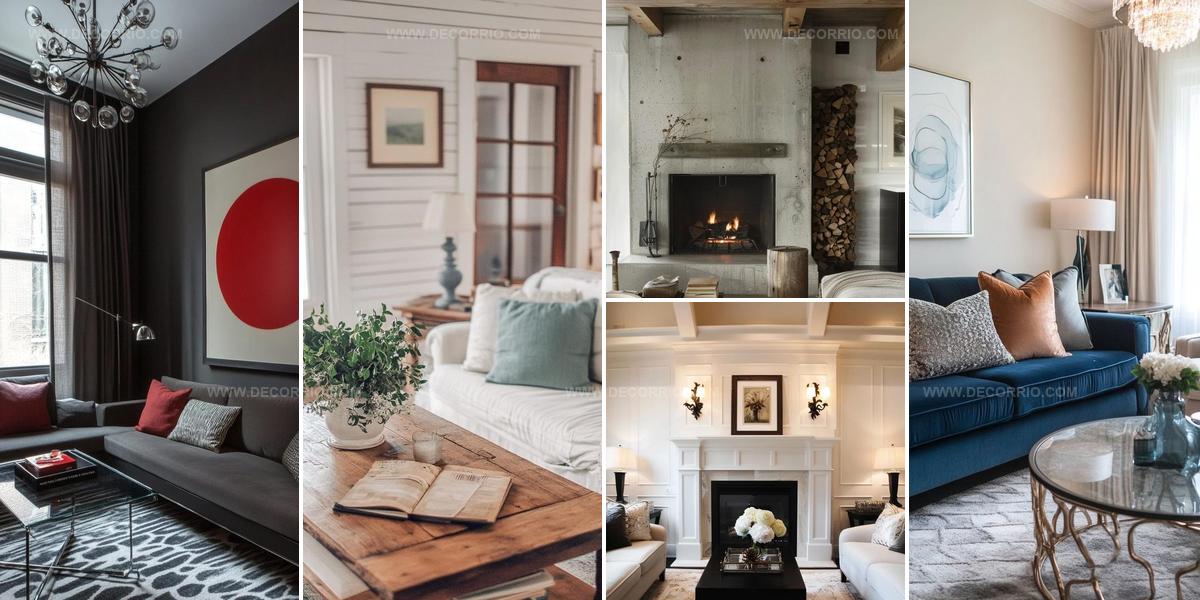
8 Front Room Design Ideas That Feel Like Home
A well-planned front room design sets the tone for everything that follows when someone enters the home.
The space between the entrance and living areas deserves attention because it makes first impressions memorable and welcoming.
Whether you prefer minimalist aesthetics or cozy arrangements, finding the right balance creates an atmosphere that reflects personality while remaining functional.
Furniture placement, lighting choices, and color schemes all work together to establish mood and flow throughout the area.
Small adjustments can make dramatic differences in how the space feels to both residents and visitors.
Smart solutions exist for every budget, style preference, and room dimension.
Clear Pathways Between Furniture
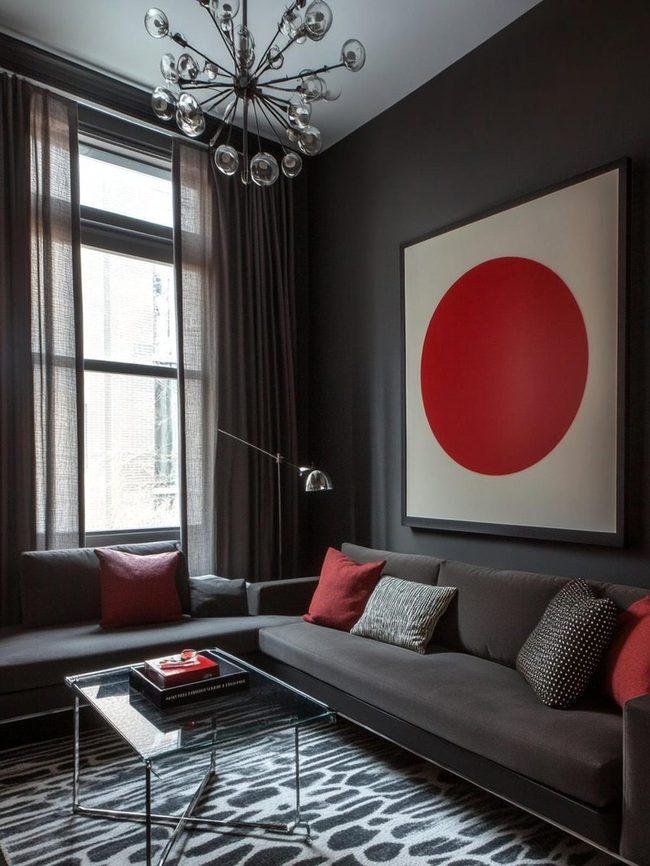
Moving through your space should feel effortless and natural, which means leaving plenty of room between your furniture pieces so you can walk around without squeezing past anything awkwardly.
About thirty inches of clear walking space between items lets your home breathe and keeps everything from feeling cramped or cluttered.
Pathways matter more than you might think because a blocked route can make even a spacious room feel tight and uncomfortable.
If your current furniture setup set ups tight spots or bottlenecks, it's worth rearranging things until the flow feels right.
Sometimes picking smaller, more compact pieces can solve the problem without requiring a complete redesign.
When visitors move through your home, they'll spot how easy it is to get around, and that smooth navigation actually makes spaces feel bigger.
Getting this right refreshes your everyday experience because you won't be constantly weaving around obstacles or bumping into corners.
Furniture Layout Floor Plan Sketch
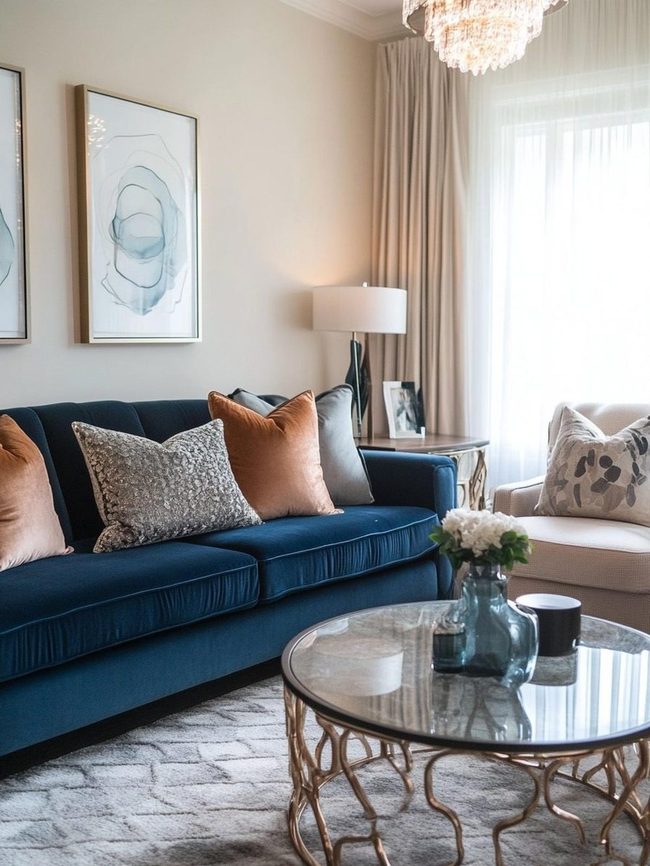
Sketching out a quick floor plan before you shop makes all the difference when it comes to nailing your room's vibe.
By mapping where eachpiece goes, you may avoid the hassle of squeezing furniture through doorways or discovering things don't fit once they arrive home.
Knowing your space measurements ahead of time keeps you from buying something too big or awkwardly shaped that clashes with your walls.
Smart planning means your sofa, chairs, and tables will flow naturally throughout the room, making movement easy and lounging comfortable.
When everything sits in the right spot, your space feels measured and pulled together instead of cramped or chaotic.
Even just a rough sketch on paper helps you spot which corners need accent pieces or where to place spaciousing for the best effect.
You could walk into your finished room knowing every item earned its place, and that's when the whole space suddenly feels like it was meant to be exactly this way.
Multiple Activity Zones One Room
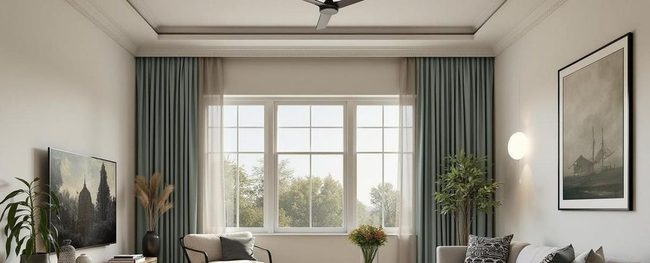
Splitting up your sitting area into different zones makes it work harder for everything you do, whether that's unwinding after work, getting things done, or hanging out with loved ones.
Rugs and different flooring types are your secret weapons for marking where eachactivity happens - drop a rug under your coffee table and suddenly that spot feels like the perfect spot for chatting, while tucking a desk into a corner signals where the work happens.
Furniture that does double duty saves so much room and keeps things flexible; an ottoman that hides storage or a sofa that reshapes into a bed means you're not stuck with one fixed setup.
Mixing and matching these pieces lets you swap things around whenever your routine changes or you just feel like a refresh.
What works best is picking elements that match how you actually live, not what you think a room should look like.
Cottage Warmth Meets Personal Style
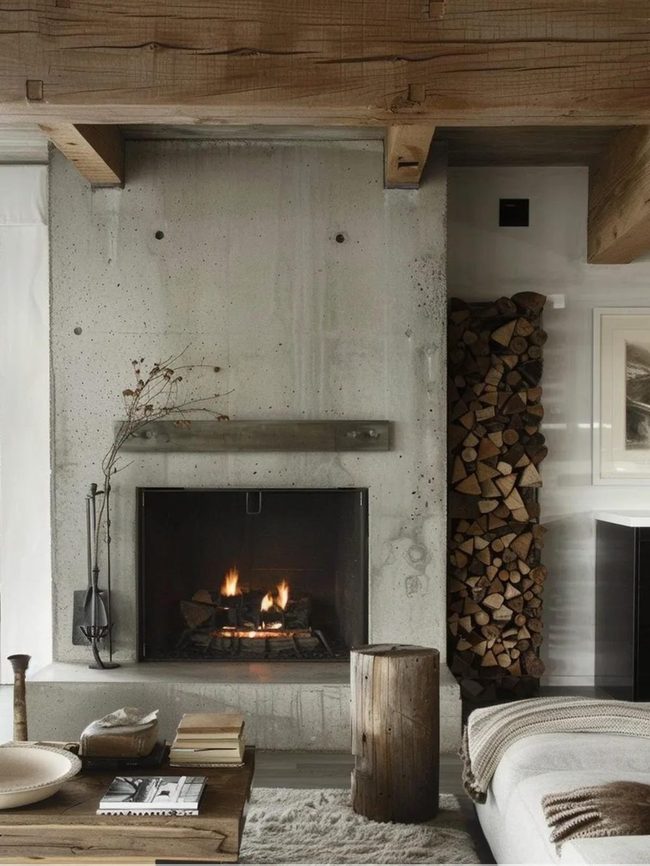
Your home has a voice of its own, and picking decorations that match its personality makes all the difference in how warm it feels.
Whether your space leans toward current clean lines, classic charm, or a mix of both, honoring those bones ensures everything works together beautifully.
If you live in a comfortable cottage, filling it with sleek, cold pieces would feel off, so think about what naturally belongs in your rooms.
Walking through throughout space, recognize how spacious falls and what mood you want when you're there - maybe you crave calm in your chamber or energy in your cooking area.
Simple touches like mirrors that bounce spacious around, plants that add life, or artwork that speaks to you can shift how a room feels without overhauling everything.
Colors matter too; delicate tones soothe while brighter shades energize, so choose what matches the vibe you're going for.
Home Style Discovery Through Personal Spaces
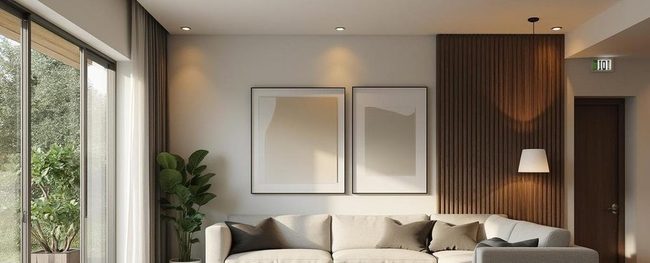
When you think about where you'd love to escape to on vacation, that's exactly the kind of feeling your home should give you every single day.
Pay attention to those magazines you keep flipping through or the online spaces that make you stop scrolling - spot what keeps catching your eye and appearing over and over in those images.
Your parlor doesn't need to copy someone else's perfect setup; instead, it should whisper the things you actually love about yourself back to you.
Start by noticing small accents around your space, like the spacious coming through your windows or how certain colors make you feel energized versus calm.
Mix in pieces that genuinely speak to you rather than chasing some fancy rule about what "should" go together.
Once you connect your favorite travel vibes, your color obsessions, and your personality into one consistent look, something captivating happens - your home becomes the place you never want to leave.
Furniture Scale Matches Room Dimensions
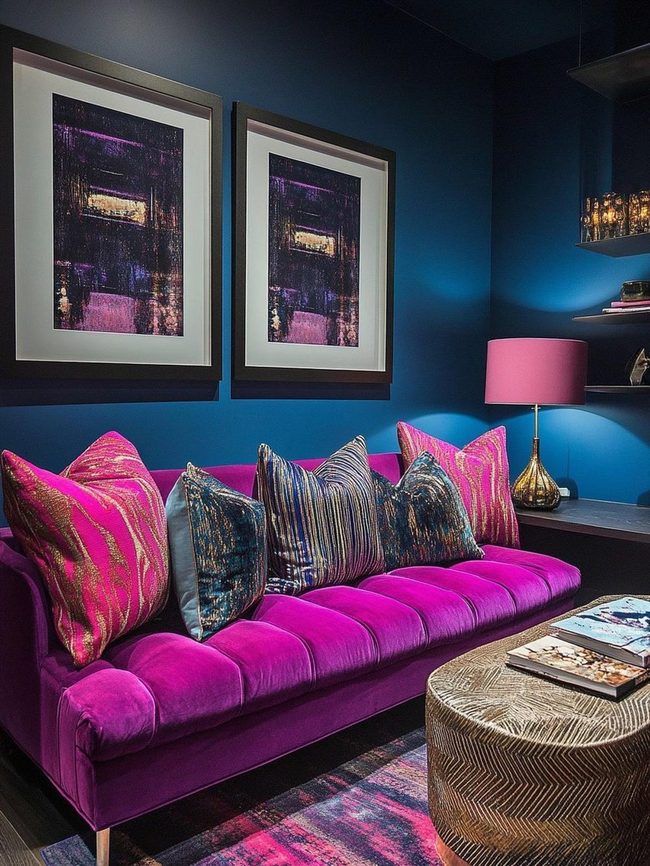
Getting your furniture right depends on how much space you've got to work with, and once you nail this part, your home instantly feels more put-together.
In bigger rooms, go for those chunky sectional sofas and oversized chairs that fill the space without looking empty or awkward.
Smaller areas need smart pieces like ottomans that hide storage inside or furniture with thin legs that don't eat up floor space.
Rooms with tricky shapes benefit from rounded coffee tables and curved sofas that soften up hard corners and make everything flow better together.
Matching your furniture to your room's size prevents that frustrating feeling of too much emptiness or too much crowding.
Once you start thinking about proportion and function this way, arranging your space becomes way easier.
Your home will feel balanced and deliberate, like you really planned it all out.
Furniture Sizing for Flow
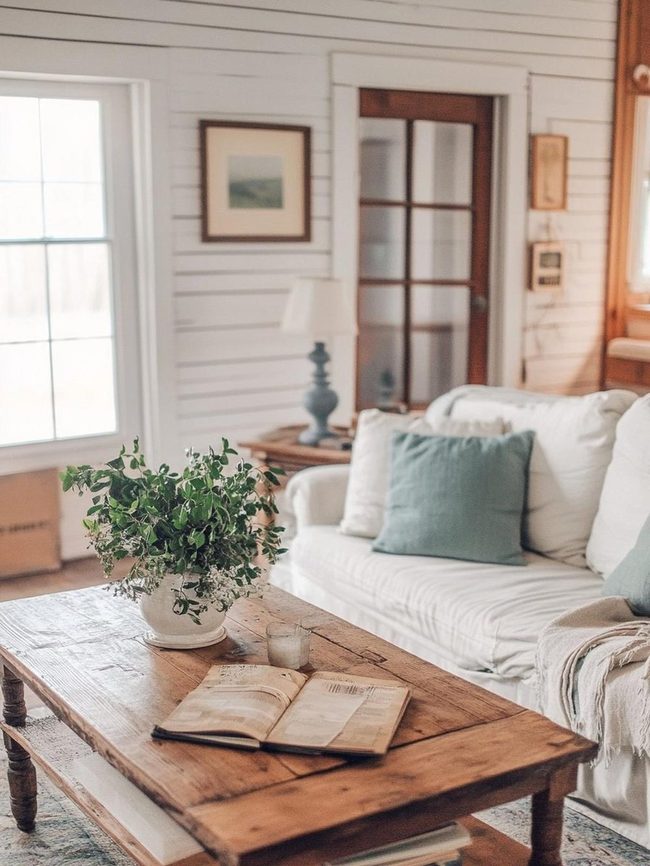
Getting the measurements right makes all the difference when you're planning your space, so grab a tape measure and check your room's dimensions along with doorways before shopping - this simple step prevents frustrating delivery surprises.
Mixing different-sized pieces like a substantial sofa paired with smaller accent chairs and a delicate side table keeps your room from feeling either cramped or empty, creating that just-right balance that draws people in.
Those 18 inches of walking space around your furniture might seem small, but it's actually the secret to moving through your room smoothly without stubbing your toes on table legs or squeezing past the couch.
When you nail the proportions, your space suddenly feels bigger, easier to navigate, and so much more welcoming that you can want to spend all your time there.
Starting with proper measurements and balanced sizing takes maybe an hour of planning but pays off in a room that actually works for how you live.
Your Color Story Begins
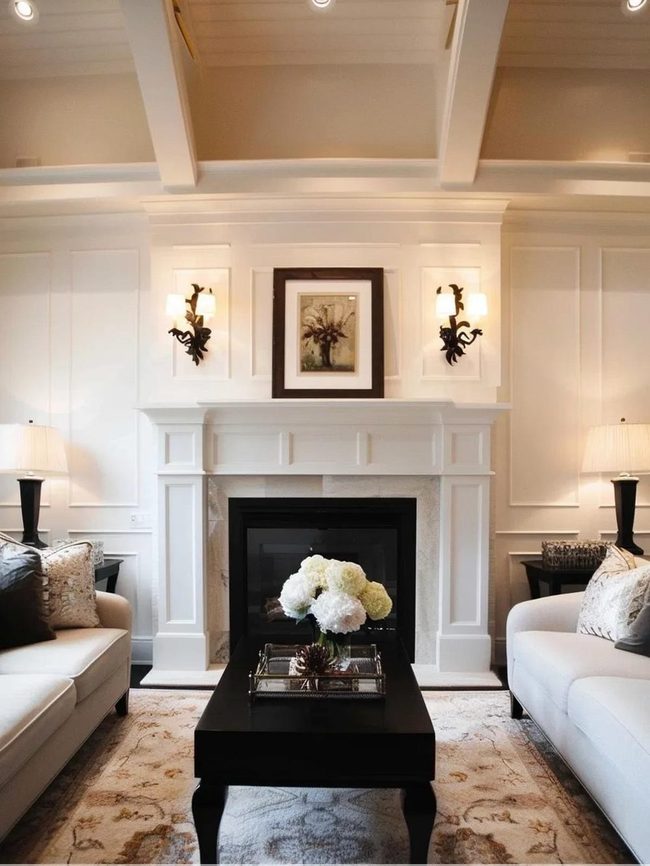
When you look around your home, it's worth considering what actually makes you smile - maybe it's gentle greens that remind you of nature, or sunlit colors that lift your mood the moment you wake up.
Your personal style shows in everything from what you wear to how you'd love to arrange your sitting area, so checking your closet can actually give you clues about decorations you can genuinely love.
Whether you're drawn to earthy neutrals, cool blues, or energetic oranges, matching your surroundings to what speaks to you establishs a space that feels right rather than forced.
Scrolling through photos of rooms you love online or saving images that catch your eye helps you spot patterns in what appeals to you.
Once you spot these patterns - maybe you keep saving photos with plants, or keep coming back to rooms with lots of natural ambient - you can use those insights to shop for pieces that fit your actual taste.
Michael Thompson
Senior Content Editor
Expertise
Content Strategy Development, Editorial Team Leadership, Home Décor Trends & Style Curation, Digital Storytelling for Interior Design, Quality Assurance in Publishing
Education
University of Missouri, Columbia
University of Texas at Austin
Michael Thompson is the senior content editor at Decorrio, bringing over 12 years of experience in journalism and home décor writing. With a journalism degree from the University of Missouri and a master’s in English from UT Austin, he blends storytelling with expert design insights.
At Decorrio, Michael curates inspiring content that helps readers transform their spaces with style and ease. He’s passionate about home organization, DIY projects, and quality design ideas that make everyday living more enjoyable.
Outside of work, Michael enjoys exploring Austin’s culture, tackling home improvement projects, and mentoring aspiring writers.