
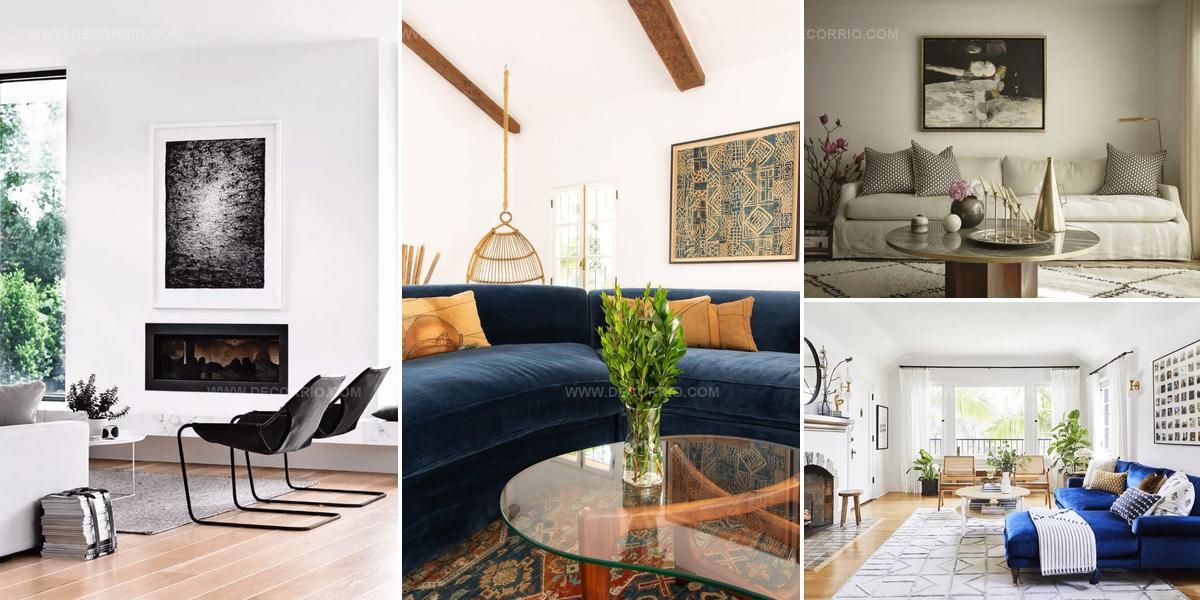
20 How To Decorate a Living Room With Style and Comfort

Decorating a living room becomes much easier when you understand basic design principles that work for any space or style preference.
The process can feel overwhelming at first, but breaking down the approach makes everything manageable.
Most people want their main gathering area to feel comfortable while also looking polished and put-together.
Choosing colors, furniture placement, and accessories all play important roles in achieving that balance between function and beauty.
Small changes often make the biggest difference when refreshing a space.
Every room has potential regardless of size or budget constraints.
You can achieve the inviting atmosphere that makes everyone feel welcome and relaxed.
Mixed Era Personal Spaces
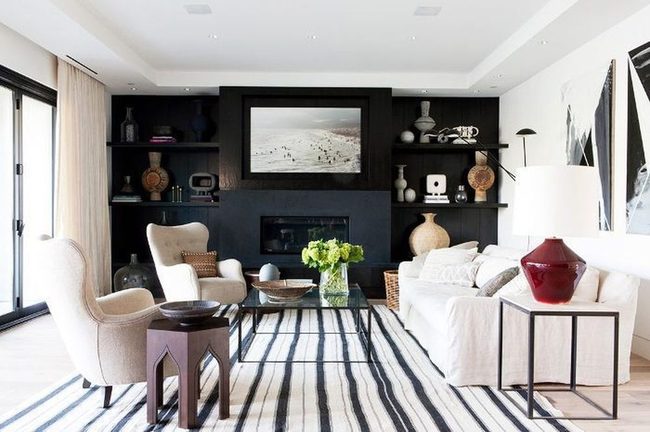
Elizabeth Roberts, a New York architect, points out that many living rooms fall into the trap of looking like a showroom where everything came from the same store, and this approach actually works against you when you want a space that feels genuinely yours.
Mixing new pieces with vintage finds is what makes a room feel interesting and personal instead of sterile and staged.
You don't need to buy all your furniture from one place or follow a single design line to make things work well together.
Roberts emphasizes that blending different eras and styles actually helps you build something that reflects who you are rather than what a store wants you to buy.
When you combine pieces from various sources and time periods, your space becomes something with character and depth.
I think the best rooms happen when you trust your own taste and mix things up a bit.
Whether you find an old chair at an estate sale or pick up something new at a modern furniture store, both can sit happily in the same room and enhance each other.
Your home should tell your story, not look like someone copied a catalog page.
Wall Art Placement Guide
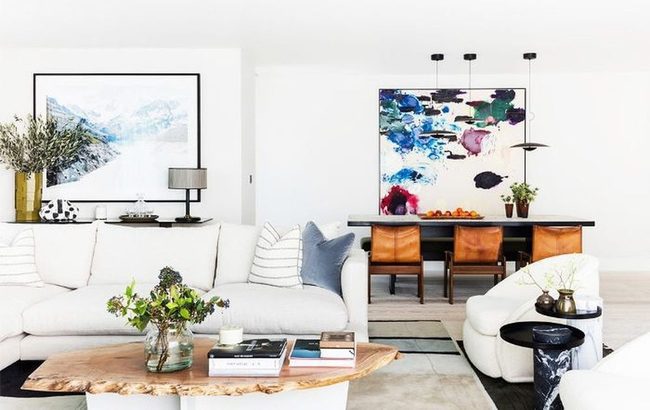
When art hangs at the wrong height on your wall, it stands out like a badly placed prop that you can't help but notice, and while it won't necessarily ruin your space, the distraction can be really hard to ignore.
Henderson compares this to watching a movie where something is just slightly off, and you spend the whole time wishing you could fix it because you know the difference would be obvious.
To get the placement right, imagine dividing your wall into four equal sections from bottom to top, then position your art so it sits in that third section from the floor up.
You don't have to rely on guesswork when it comes to testing this out.
Wall App is a free online tool that lets you upload a photo of your actual room and experiment with different art sizes and placements right on your walls.
This way, you can see exactly how various pieces would look before you ever pick up a hammer.
Furniture Floated From Walls
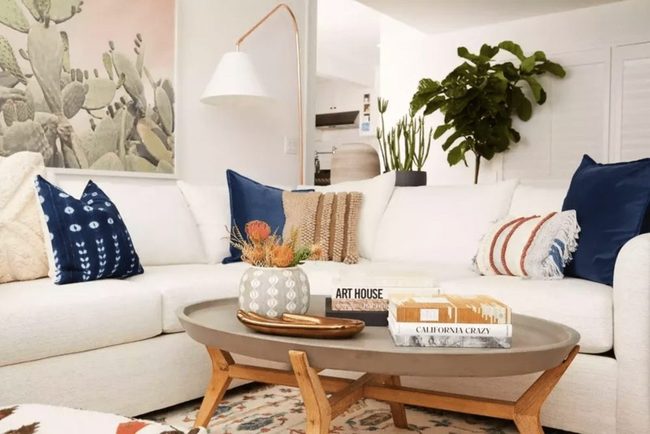
Moving your furniture away from the walls and positioning your sofa or accent chairs toward the center of your room makes a huge difference in how the space feels and functions.
Many people push everything against the walls without realizing it actually makes rooms look smaller and more disconnected.
Instead, try floating your main seating pieces into the middle area to create better balance throughout the space.
This approach lets you define different zones and makes conversation between people seated feel more natural.
You'll notice the room suddenly feels larger and more open once you step away from that wall-hugging layout.
Pulling furniture forward also helps you use the wall space behind for artwork, mirrors, or shelving that adds depth and interest.
It might feel strange at first, but this simple shift transforms how your living room works and looks.
Oversized Rug Anchors Everything
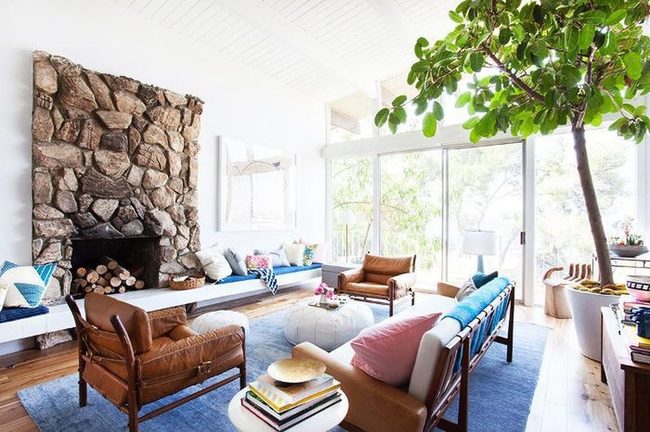
One of the biggest mistakes people make when decorating their living rooms is choosing a rug that's way too small for the space, and this happens so often that it deserves serious attention.
Many of us hesitate to buy larger rugs because they cost more and feel like a risky investment, but skipping this step really does hurt your room's overall look.
According to design experts, getting the right-sized rug is one of the most crucial decisions you'll make in the space.
Small rugs leave your furniture floating awkwardly and break up the room instead of bringing it together.
Your coffee table and seating should anchor onto the rug, not sit at the edges of it.
A properly sized rug grounds the furniture arrangement and makes the whole space feel intentional and pulled together.
So while bigger rugs do come with a higher price tag, they're worth the investment and far easier to avoid than the regret of living with one that's too small.
Functional Coffee Table Essentials
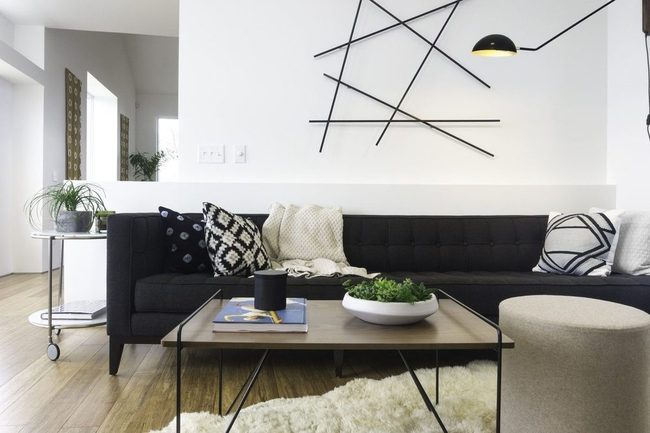
When you shop for a coffee table, think beyond a quick trip to your favorite home goods store and picking the first one that catches your attention.
Your lifestyle and what you actually need should drive every decision you make about materials, height, length, and how much space sits around it.
Do you have kids running around who need a durable surface?
Maybe you need built-in storage for remotes and magazines.
Consider these practical needs first, and they'll guide you toward a table that fits your life instead of fighting against it.
Match your table's style and materials to what your space already has going on, and it becomes something that works for you rather than just sits there.
Taking time to think through these basics means your coffee table will feel like it belongs in your room instead of looking like an afterthought.
Clean Lines, Maximum Flexibility
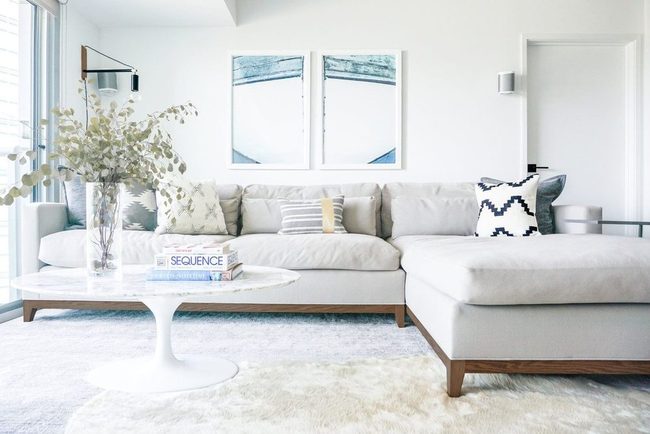
Interior designer Henderson keeps things straightforward with sofas because they're simple to work with and style.
She avoids getting tangled up with ornate details like curved legs, winged arms, tufts, and nailheads that can make a sofa feel fussy.
Basic sofas give you more freedom to change your space whenever you want without fighting against busy design elements.
You won't spend energy battling the sofa's existing personality and can instead focus on what really matters for your room.
Henderson's approach strips away unnecessary complications and lets your other furniture and accessories shine.
Clean lines mean your sofa adapts to different styles as your taste evolves.
It's refreshing to choose pieces that support your vision rather than demand attention all on their own.
Layered Lighting Creates Lived-In Spaces
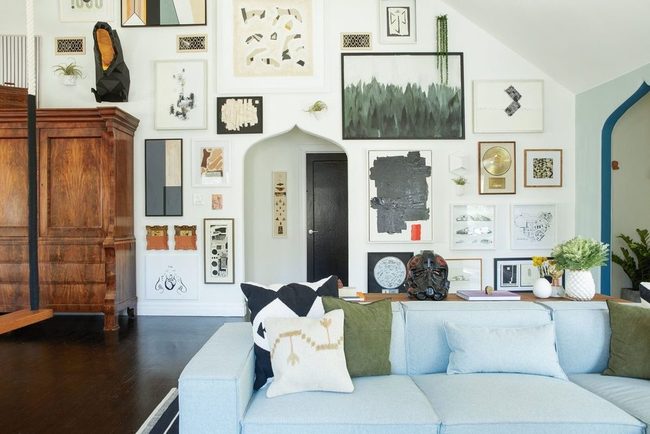
Spending money on lighting and textiles before you run out of budget matters more than most people realize, and Roberts suggests picking out your big furniture pieces first and saving funds for the smaller touches that come after.
Floor lamps and table lamps work better than bright overhead light if you want your living room to feel like home rather than a showroom, and these smaller items do the real work of making a space feel like it belongs to you.
Roberts points out that accessories and soft furnishings are where personality enters a room, so skipping them leaves your space feeling bare and generic.
Low lighting throughout the room creates a warmer mood than harsh overhead fixtures, which can make even beautiful furniture look cold and uninviting.
If you reserve part of your money for these finishing touches, your room will feel balanced and lived-in instead of sterile or rushed.
Many people overlook how much lamps and fabrics matter until they see the difference they make in a finished space.
Planning your budget this way ensures that you don't end up with a room that looks complete on paper but feels empty in person.
Vertical Space Solutions With Floating Shelves
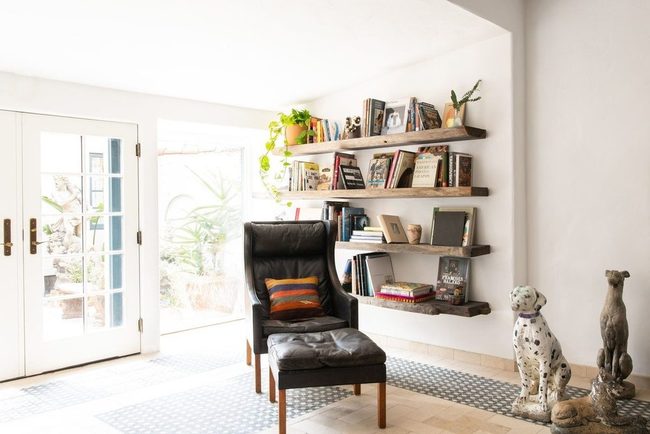
Most people overlook their walls when arranging a room, focusing all their energy on what sits on the ground instead of thinking upward.
According to Los Angeles interior designer Mandy Cheng, floating shelves and hanging plants offer excellent solutions for making use of vertical space.
She points out that we're trained to think about furniture placement in terms of the floor, and when items no longer fit there, many of us simply accept defeat rather than looking up.
Your walls hold tremendous potential for displaying decor and organizing items without taking up precious floor real estate.
By installing shelves at varying heights, you can showcase books, photos, or decorative objects while keeping your space open and airy.
Hanging plants bring greenery into your room and draw attention upward, making the entire space feel taller and more dynamic.
You don't need to stick with traditional arrangements when you have so much untapped square footage waiting above your head.
Next time you're struggling with clutter or wondering how to refresh your room, remember that going vertical can solve both problems at once.
Furniture Built For Real Life
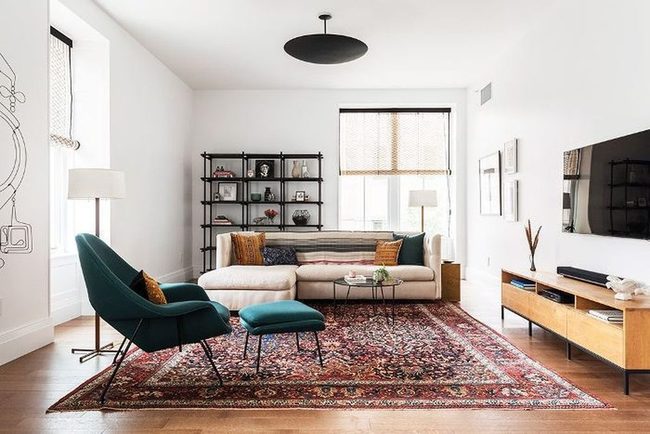
Worn leather couches and machine-washable rugs matter more than pristine showroom displays, and Roberts urges you to pick materials that handle real life without complaint.
She points out that furniture should serve your family's actual needs rather than sit untouched behind plastic sheets.
Durable fabrics work best when you have kids, pets, or simply spend hours relaxing on your sofa each week.
Don't shy away from textiles that show character over time and age beautifully.
Your living room functions best when it welcomes messy game nights, afternoon naps, and the honest marks of a space people actually use.
Roberts believes spaces deserve to be lived in fully, and that means choosing pieces built to handle whatever your household throws at them.
Comfort and practicality should guide your selections, not the fear of damage or stains.
When you prioritize how your room will actually function day to day, you end up with a space that feels both warm and honest.
Wool Rugs Beat Silk Durability
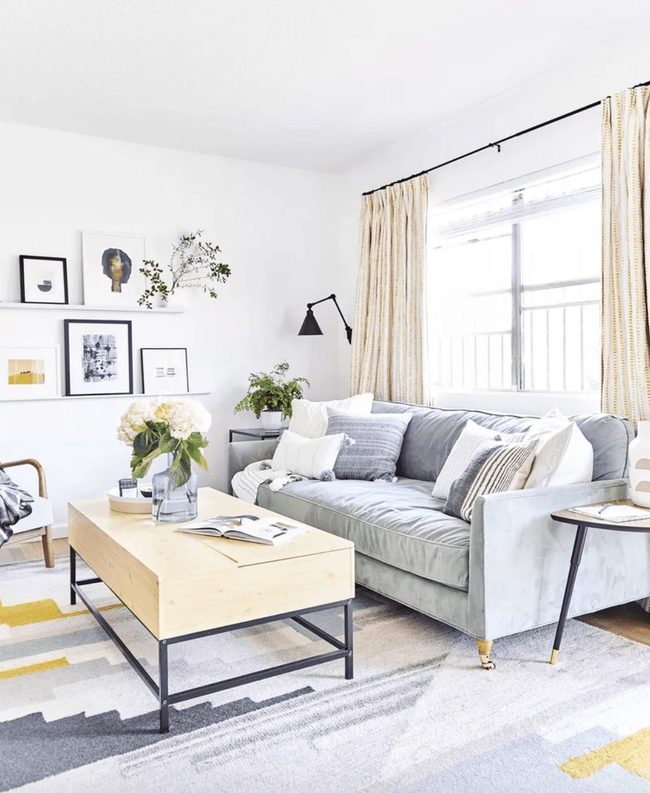
Outdoor fabrics designed for durability are making their way indoors and offer real advantages if you have dogs or kids running around your home.
Roberts recommends skipping delicate silk rugs altogether and instead going with wool options that actually hold up to daily wear and tear.
When you're choosing a rug, think about how much abuse it will take from your family and pick something that won't fall apart after a few months.
Wool rugs have natural resilience and bounce back from foot traffic in ways that silk simply cannot match.
I've noticed that people often get drawn to the softness and sheen of silk without considering what happens when a pet has an accident or a child spills juice on it.
Durable outdoor-grade fabrics are worth exploring since they're made to withstand weather and harsh conditions.
Your rug choice matters more than you might think when you have an active household.
Making this swap means you can relax and stop worrying about protecting your floors from the people and pets you love most.
Sofa First Everything Follows
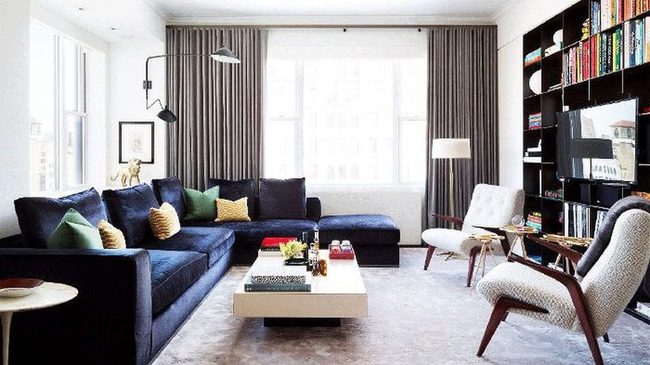
If you want your living room to actually work, start by getting the sofa right because everything else depends on it.
Design experts repeatedly say that homeowners often make this one costly mistake: they keep a sofa they already own simply because it's still functional and doesn't bother them.
What many people don't realize is that holding onto a mediocre sofa will sabotage your whole room, even if the rest of your choices are spot-on.
Stylist and TV host Emily Henderson has had to tell countless clients the hard truth that their existing sofa is preventing them from achieving the space they truly want.
She explains how people come in with great taste but then limit themselves by insisting on working around a piece that doesn't serve the room's potential.
You don't need the sofa to be ancient or falling apart for it to be the wrong choice.
Sometimes it just doesn't match what you're trying to accomplish, and that mismatch will hold back every other decision you make.
Making a bold sofa choice or even replacing an okay one with something better is actually the foundation that lets your whole design vision come together.
Crown Molding Meets Global Modern
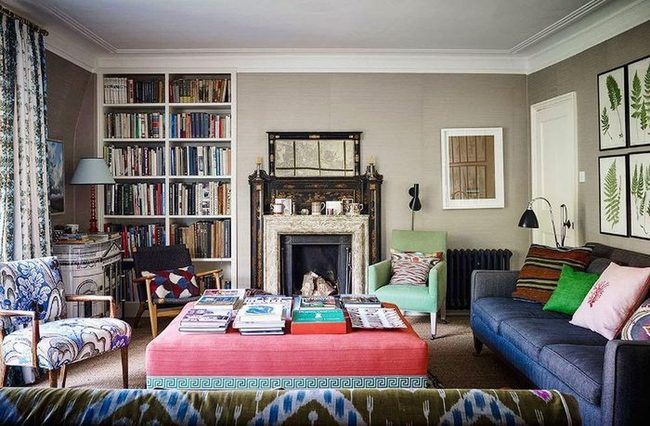
If your home has traditional architectural features like crown molding, you don't need to stick with matching furniture styles-mixing periods and aesthetics actually works well together.
One Georgia home shows how a design firm brought together modern seating pieces with ornate crown molding, Moroccan vintage rugs, and African beaded benches alongside contemporary artwork.
Bold patterned rugs in warm earth tones and rich colors anchor the rooms and make spaces feel layered.
Carved wooden benches add sculptural interest and cultural depth to the design.
Modern art on the walls speaks to the contemporary side of things.
Crown molding overhead ties back to the home's original character.
You can blend what you already have with pieces that excite you instead of feeling limited by your walls.
Vintage Tall, Modern Low
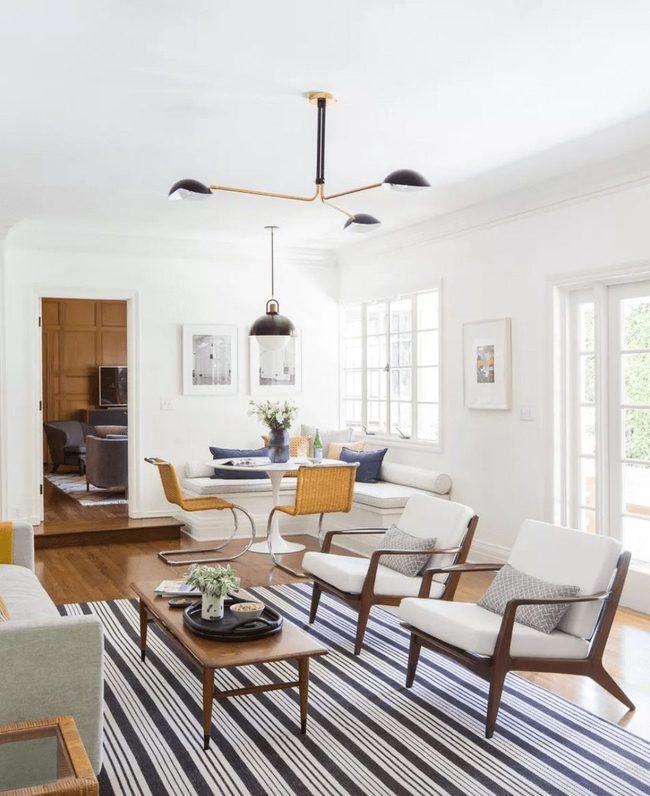
When you blend different time periods and styles in one room, Roberts suggests focusing on furniture heights since vintage pieces tend to stand taller than their modern counterparts.
Getting this detail right makes a real difference in how well your mix works together.
Traditional furniture often reaches higher off the ground, while contemporary designs usually sit lower and closer to the floor.
You'll want to notice this distinction when you're shopping for pieces to combine.
Balancing tall vintage items with shorter modern ones helps everything feel proportioned and connected.
If you're bringing both old and new pieces into your space, keeping an eye on their measurements prevents the room from looking random or awkward.
So before you buy that next chair or table, take a moment to check how high it sits and think about what you already have at home.
Conversation Zones Over Screen Facing
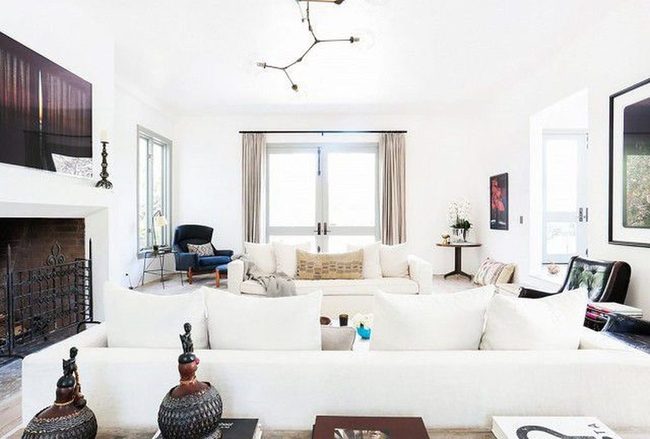
Pushing your sofa against a wall to face the TV seems like an easy solution, but it misses what really makes a living room work well.
Roberts points out that good layout planning takes more thought than that simple approach.
If your room is long and narrow, like many townhouses and lofts, you need to think about how people will actually sit together and talk.
Arranging furniture into smaller seating groups helps break up the space and makes the room feel balanced.
You want guests to be able to chat comfortably without everyone just staring at the same screen.
Setting up a few conversation areas, maybe with chairs facing each other or angled toward a central spot, helps the space feel intentional and livable.
Spacing out your furniture this way prevents the room from feeling stretched out and awkward.
Taking time to plan where everything goes before you move things in saves you from rearranging later and helps your living room actually serve its purpose.
Projector Above Fireplace Mantel
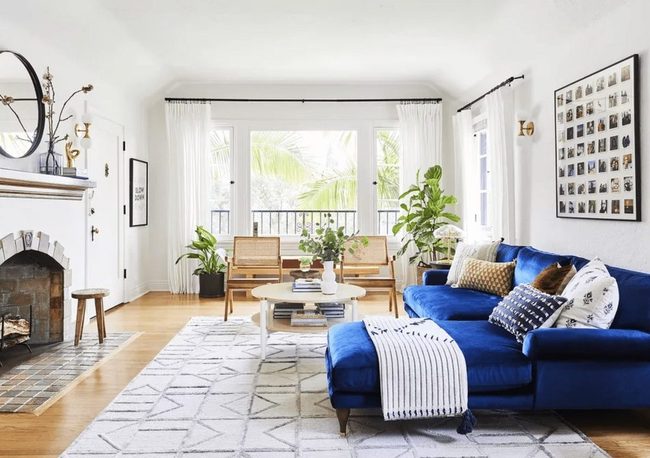
Before you arrange your furniture, spend time sitting in each spot and looking around the room to understand what you'll actually see from those positions.
In a spacious layout, you want your main seating to face out so you can take in the whole space while relaxing.
Smaller rooms need a different approach where windows become part of your sightline and natural light matters more.
If your room has a fireplace, positioning a television there often feels awkward since heavy TV stands eat up floor space and look bulky.
One solution I really like is using a projector that displays onto the wall above your mantel instead.
This approach keeps your room feeling open while still giving you a place to watch films.
Taking these sight lines into account before you buy or move furniture saves you from frustration later and makes the room feel better to actually live in.
Clustered Accessories Over Scattered Clutter
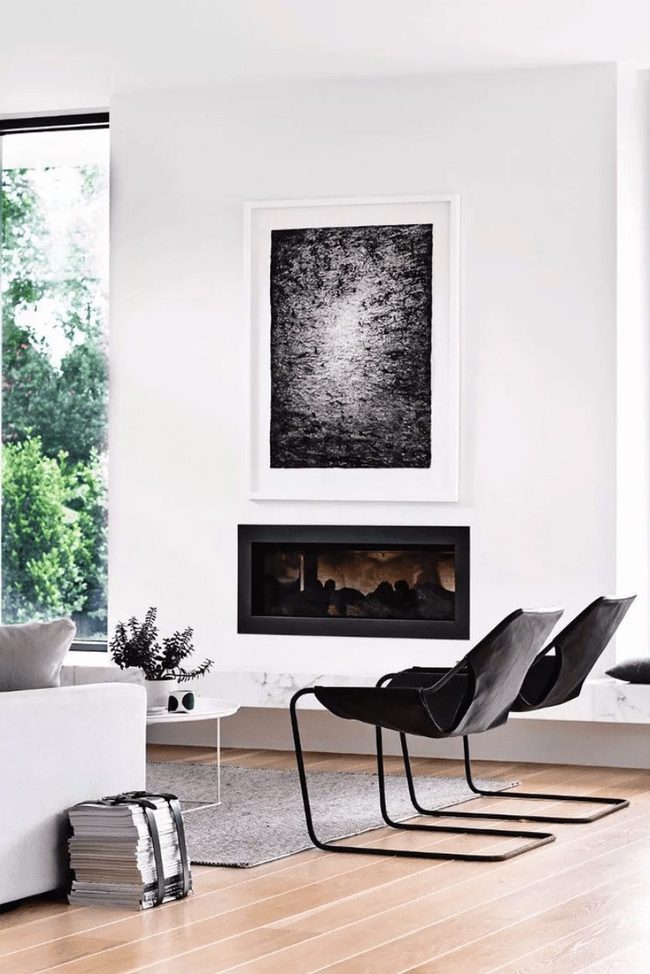
Keeping your space from feeling crowded makes all the difference in how it looks and feels, so skip the temptation to scatter every beautiful item you own across every surface.
Group your accessories together in small clusters on places like coffee tables, shelves, or sideboards and you'll create something much more satisfying to look at.
When items sit alone and spread out, they tend to feel random and disconnected.
Bunching things into tight little arrangements on specific surfaces leaves the rest of your room open and calm.
You don't need expensive pieces to make this work either-simple items grouped with intention will feel far more thoughtful than a bunch of costly things scattered around.
One designer recommends thinking of each grouping as its own small scene that works on its own.
Less really does feel better once you try it out.
Higher Rod, Taller Ceiling
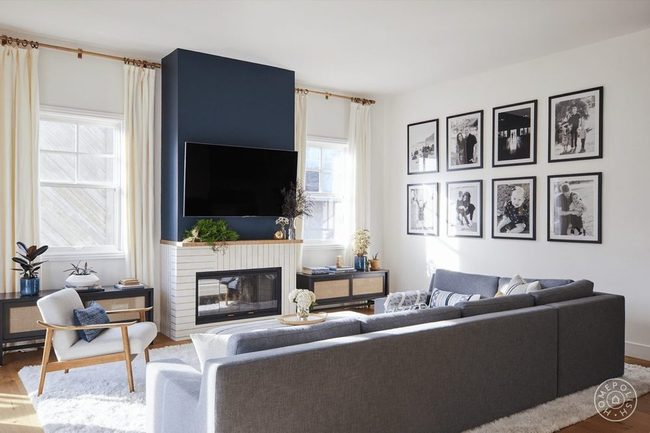
When you hang curtain rods directly above your window frame, the space feels cramped and confined.
Moving the rod up by about six inches makes a significant difference in how your room feels.
You'll notice the ceiling appears higher and the whole area opens up more.
This simple shift in placement works because it creates visual space between the window and the rod.
Getting the rod positioned correctly takes just a moment but delivers real results.
Your room gains a sense of airiness just by adjusting where you install the hardware.
One Quality Piece Matters
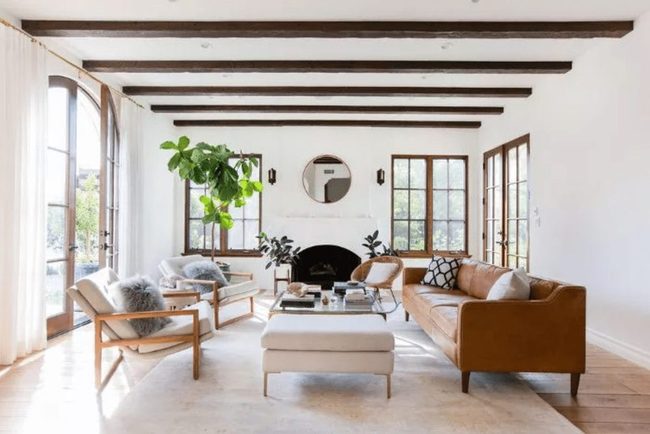
Spending money on one bold statement piece makes more financial sense than buying several cheap items, even though it might seem backward at first.
Designer Ashlie Mastony explains that small things add up to the same price in the end, yet your space ends up looking crowded instead of put-together.
When you choose one standout accent, you're building a foundation that actually lasts and feels intentional.
Multiple low-cost purchases often blur together and drain your budget without giving you anything meaningful in return.
One quality item commands attention and sets the tone for everything else around it.
You'll find that a single investment piece serves as an anchor that ties the whole room together and saves you money while doing it.
Rather than spreading your budget thin across many items, putting resources toward something special and durable pays off both visually and practically.
Soft Light Transforms Every Room
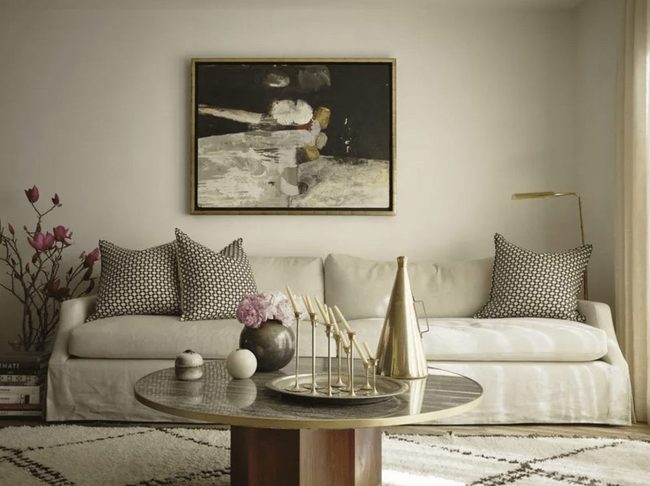
Harsh lighting can drain a room of its charm, so swapping out your fixtures is one of the smartest moves you can make without spending a fortune.
Donegan, a designer and creative director, points out that lighting upgrades deliver sophistication and comfort while staying budget-friendly.
Most people overlook how much difference the right fixtures make, even though they're among the most flexible design elements you'll own.
You can take lamps and pendant lights with you when you move, so investing in quality pieces pays off over time.
Soft, warm bulbs paired with adjustable fixtures let you control the mood throughout your day.
Dimmer switches add another layer of control and cost very little to install.
I've noticed that people often spend money on furniture and wall colors first, yet lighting truly sets the tone for how a space feels.
Start by assessing which rooms need the most help, then prioritize replacing the harshest overhead fixtures with options that flatter your space and suit your lifestyle.
Original Art Over Mass-Produced Prints
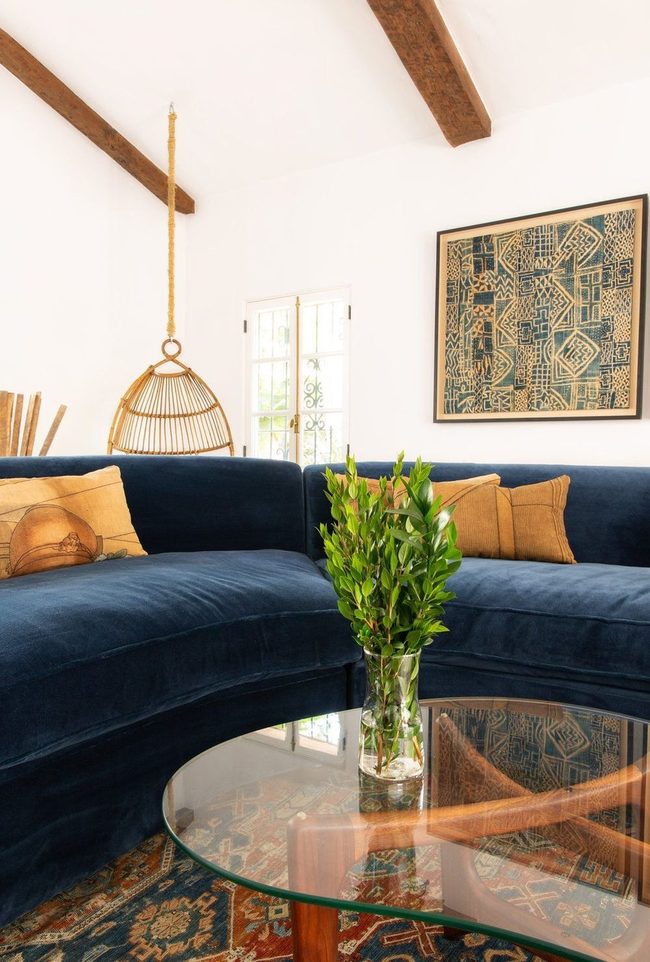
Cheap, generic art can quickly pull down how a room looks and feels, so it's worth skipping those mass-produced pieces you see everywhere.
Instead of settling for bland options, you can turn to custom art services that let you commission original work without breaking the bank.
Services like Minted and Leftbank Art offer ways to get personalized pieces that actually match your space and style You get something unique rather than the same print hanging in dozens of homes.
Commissioning custom art means you can choose colors, subjects, and styles that work with your existing décor.
It's a simple shift that makes a real difference in how put-together your space feels.
Whether you go with a local artist or an online platform, original art gives your room personality that generic options simply can't match.
Isabella Martinez
Founder & Lead Design Enthusiast
Expertise
Seasonal Home Décor, Interior Styling, Space Planning, DIY Home Projects, Sustainable Design Solutions
Education
Savannah College of Art and Design (SCAD)
Pratt Institute, School of Design
Isabella Martinez is the founder of Decorrio, where she shares her love for seasonal home décor and creative design. With a background in interior design from SCAD and a master’s from Pratt Institute, she specializes in stylish, functional, and sustainable spaces.
With over 10 years of experience, Isabella helps homeowners bring warmth and personality into their homes. She loves DIY projects, festive decorating, and collaborating with local artisans to create unique designs.
When she’s not designing, Isabella enjoys exploring Austin’s arts scene, crafting, and hosting gatherings filled with seasonal charm.