
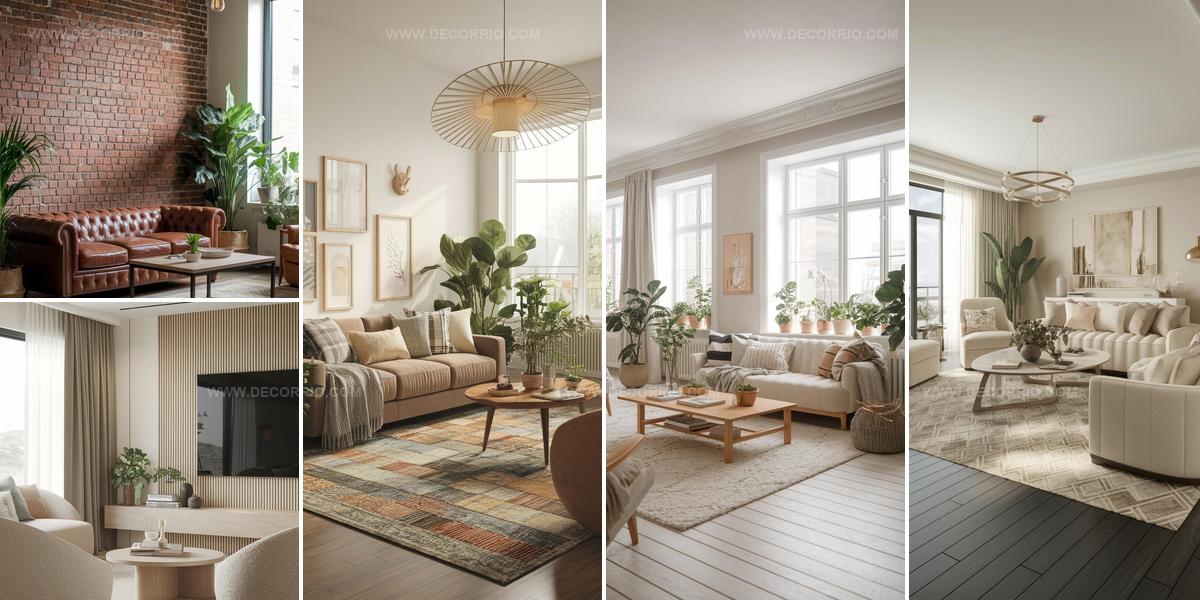
29 Clever Ways to Refresh Your Interior Living Room Ideas

Living rooms serve as the heart of every home, where comfort meets personal style in meaningful ways.
When you consider how much time families spend relaxing, entertaining, and connecting in such spaces, the importance of thoughtful design becomes obvious.
A well-planned room reflects who lives there while providing function for daily activities.
Smart choices about furniture placement, color schemes, and decorative accents can completely change how a space feels.
Small adjustments often make surprisingly big differences in atmosphere and usability.
Whether working with compact apartments or spacious houses, principles of good design remain consistent across different settings.
Ready to refresh the place where memories happen most?
Light Wood And White Scandinavian Simplicity
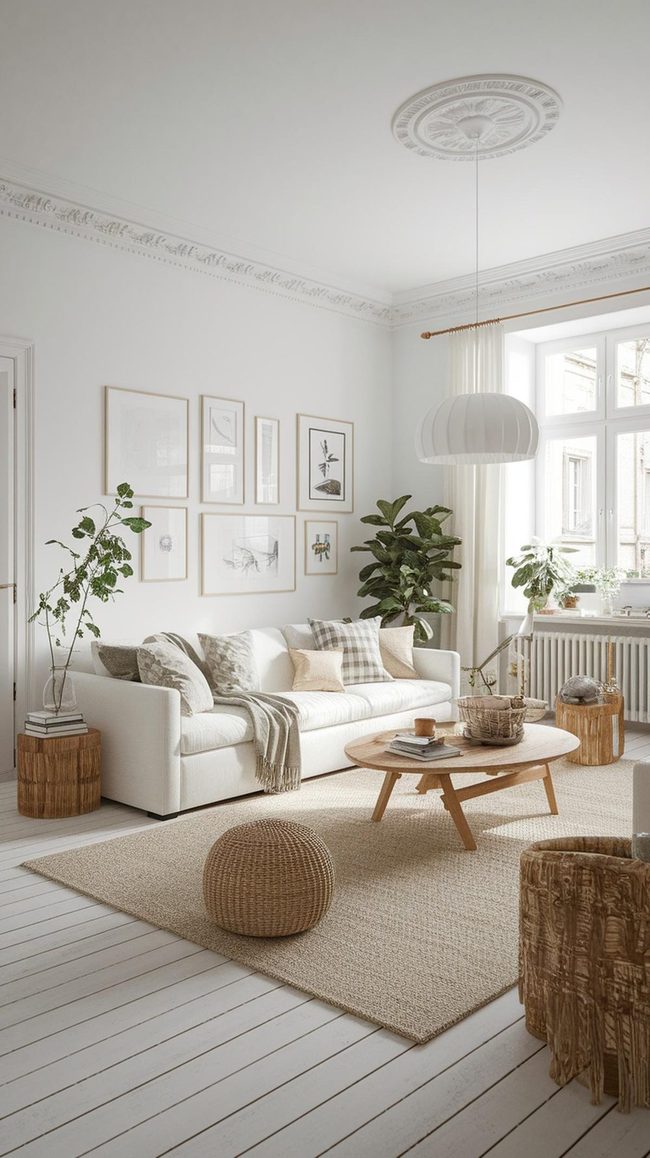
Scandinavian interior design draws you in with its clean lines and high in natural light, open spaces that feel refreshing and calm.
Start your room with white walls and light wood floors as your foundation.
Delicate furnishings in cotton, wool, and leather add warmth and texture without cluttering your space.
Lighting matters tremendously, use gentle white bulbs or candles to achieve that characteristic glow that makes the room feel alive.
Comfortable, fit furniture is key because Scandinavian style prioritizes how you actually live in the space rather than how it looks in photos.
What makes this arrangement feel like home is the balance between wide open areas and small intimate corners where you can relax.
Minimalism with soul is what sets Scandinavian rooms apart from other modern styles.
Floor-To-Ceiling Light Modern Living
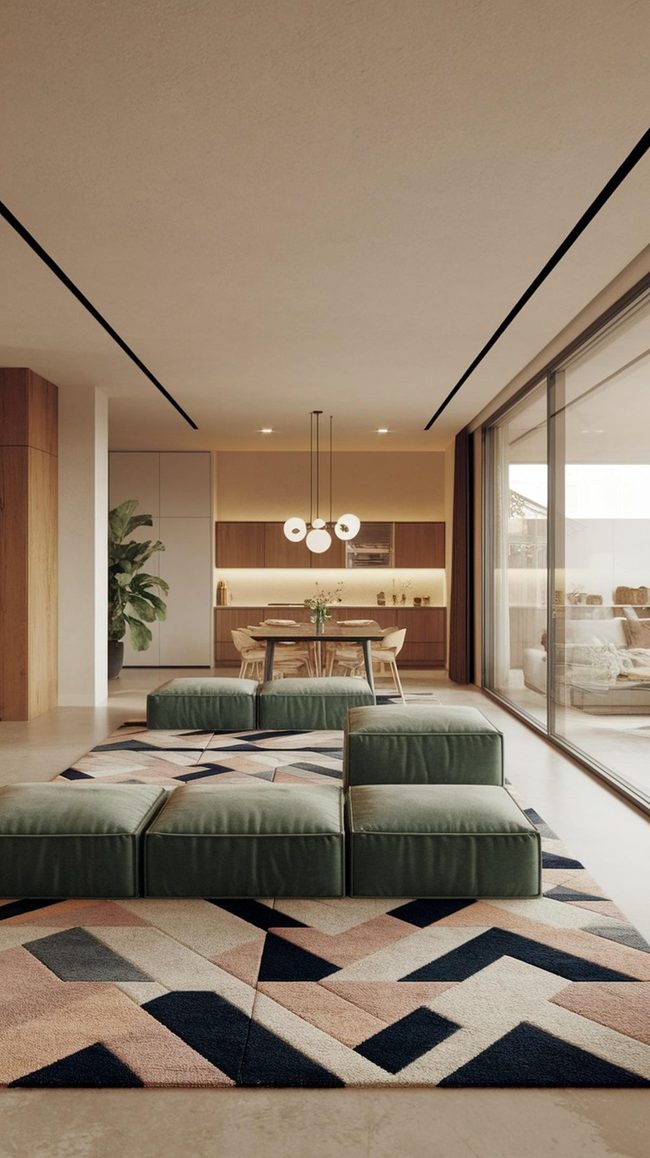
For a modern living room that truly stands out, start with floor-to-ceiling windows that flood the space with natural light and make the room feel open and expansive.
Add two or more sectional sofas arranged away from the walls to build a dynamic, welcoming flow that encourages movement and connection.
Geometric carpets ground the space and reinforce that contemporary feel you're after.
To keep things balanced, stick with a calm color palette as your base, then bring life into the room through accent walls or built-in open shelving that adds depth without overwhelming the eye.
You want the space to feel energizing and full of personality, but it shouldn't feel chaotic or overstuffed.
The key is maintaining that open, organized quality throughout, letting for every piece breathe and allowing the room to feel both modern and lived-in at the same time.
Low Profile Wood And Linen Space
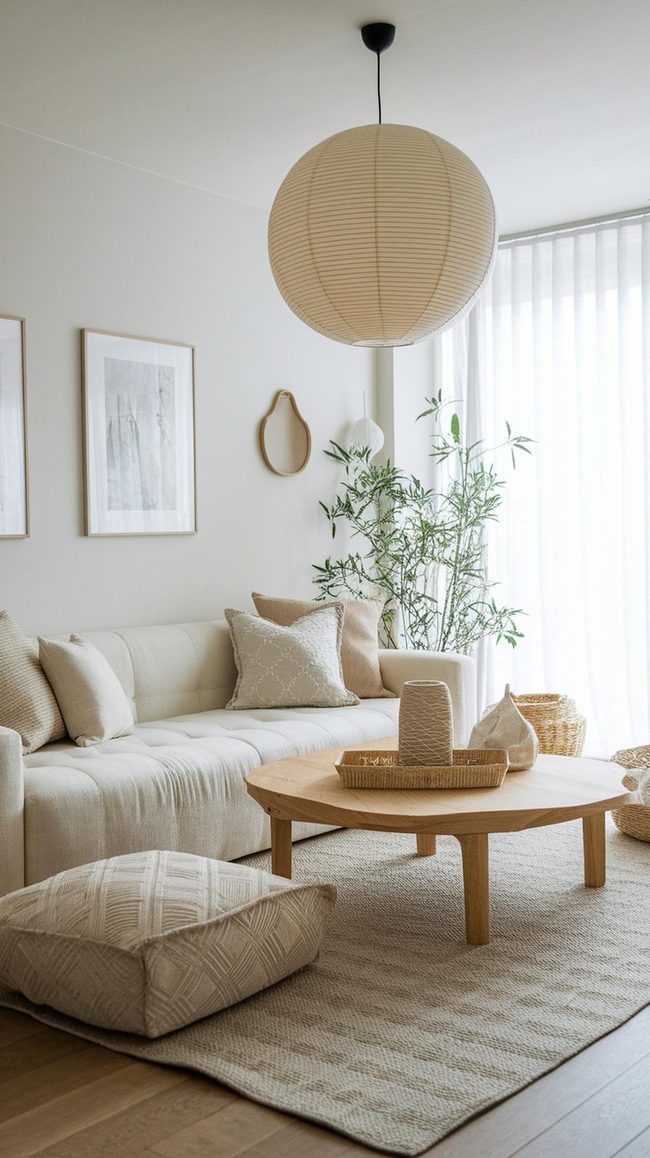
Natural wood finishes and low-profile furniture make the foundation of a Japandi living room, where Scandinavian comfort meets Japanese minimalism in one harmonious space.
Plush beige, muted grey, and natural white tones form your base, while stoneware, bamboo, and linen textures add warmth and depth throughout.
If you're feeling overwhelmed by daily stress and craving a calm retreat without major lifestyle changes, this design approach offers exactly what you need.
Low seating arrangements paired with paper lamps keep sightlines open and uncluttered, allowing your mind to settle into peaceful spaces.
Wide surfaces stay clear of unnecessary items, which means less visual noise and more room to breathe.
Paper lamplight casts a gentle glow that soothes rather than stimulates, and every choice serves both serenity and daily living.
The combination of minimalist layouts and functional pieces works because it removes distractions while keeping your space livable and grounded.
Light-Shifting Neutrals For Living Rooms
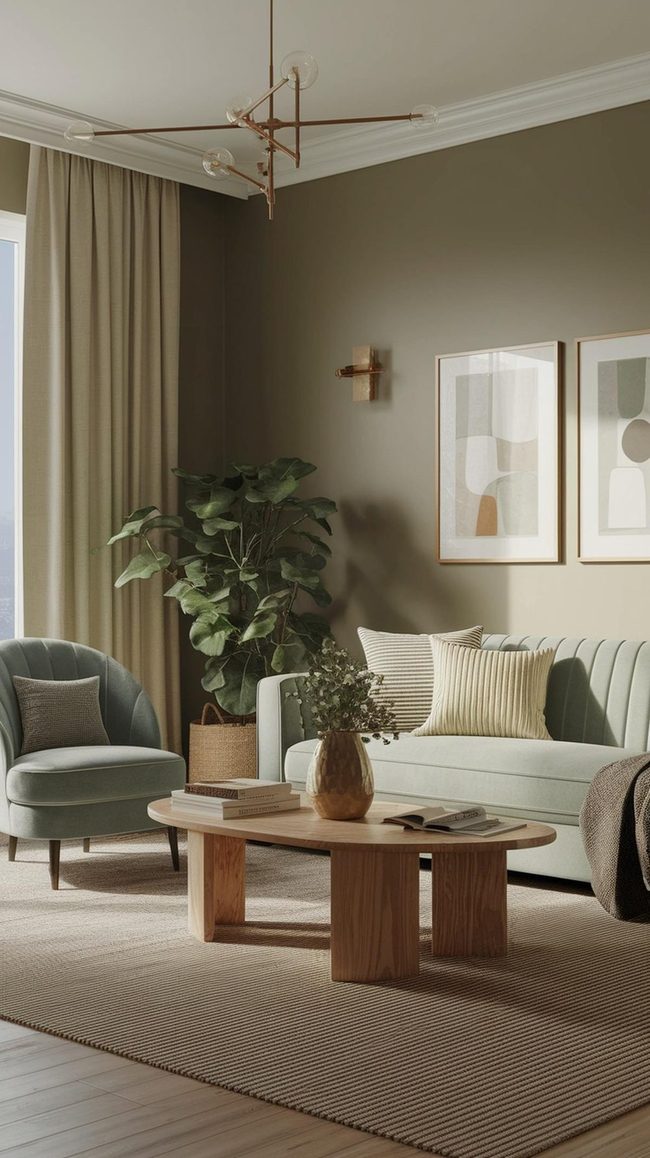
Muted taupe, warm whites, muted blush, and dusty sage shift their appearance throughout the day as natural light moves across your walls, making them excellent choices for any living room.
Because these colors adapt to morning sunlight, afternoon brightness, and evening shadows, you won't feel stuck with one mood in your space.
Unlike bold or dark paint choices, these gentle tones sit back and let your room breathe without demanding too much attention.
When you're ready to pick a color, grab some paint samples and brush them on different walls so you can watch how the light changes them from morning through evening.
Pay special attention to how the colors look during the times of day when you spend the most time in your living room.
This vision helps you avoid the disappointment of choosing a shade that looks completely different once it's on all four walls.
Your living room will feel more balanced and comfortable when the paint works with your natural light rather than against it.
Oversized Art And Fluted Panels
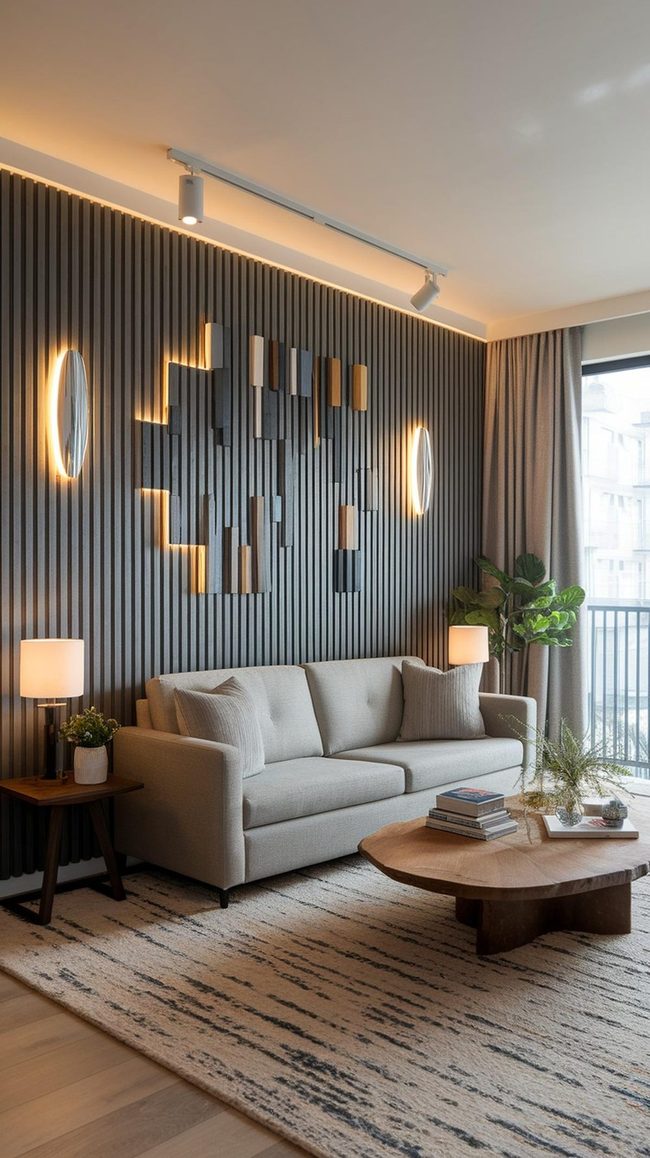
That living room walls do far more than define the space, they set the entire mood for how the room feels when you step inside.
Bold elements like oversized artwork or sculpture grab attention immediately and anchor the room's style, while fluted panels and wood slats bring depth and movement to flat surfaces.
Color-blocking and monumental mirrors add visual punch and drama to walls without taking up floor space.
Beyond looks, wall niches and built-in lighting serve double duty by being both useful and beautiful.
Rather than seeing walls as just boundaries, treat them as active design surfaces that shape everything around them.
When you give your walls this kind of focus and attention, they become the foundation that holds the whole room together and reflects your personal style throughout the space.
Warm Neutrals Modern Living Rooms
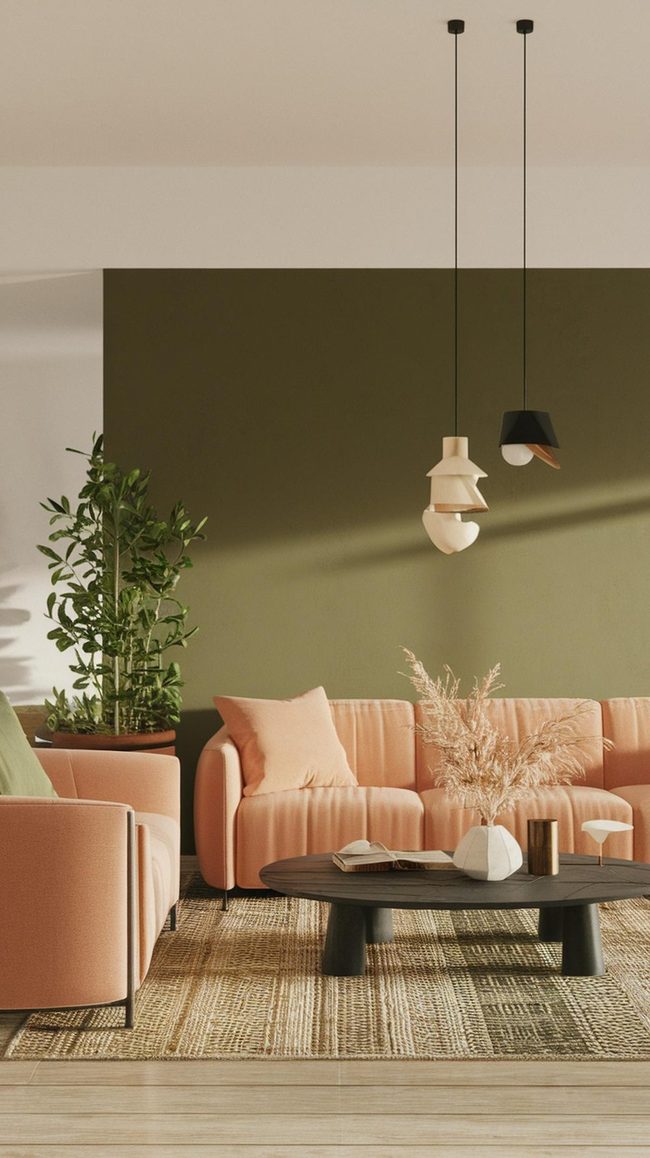
Choosing the right colors for your living room sets the tone for a modern space that won't feel dated, and warm neutrals like sand, terracotta, and light olive are leading the way in contemporary design.
What makes these shades so useful is their flexibility, they pair beautifully with both dark and light accents, giving you lots of options for building your look.
You can bring in smooth black, exposed brass, or slate blue to add depth and contrast without overwhelming the room.
Balancing your color choices with a minimalist layout opens up your space and lets the room breathe.
These combinations work because they're grounded enough to feel sophisticated and adaptable enough to fit your personal style.
When you keep your palette focused and your furniture arrangement clean, you get a living room that feels both current and timeless.
Getting the color foundation right is often the most important step, since everything else builds from there.
Sculptural Pendants Meet Neutral Layers
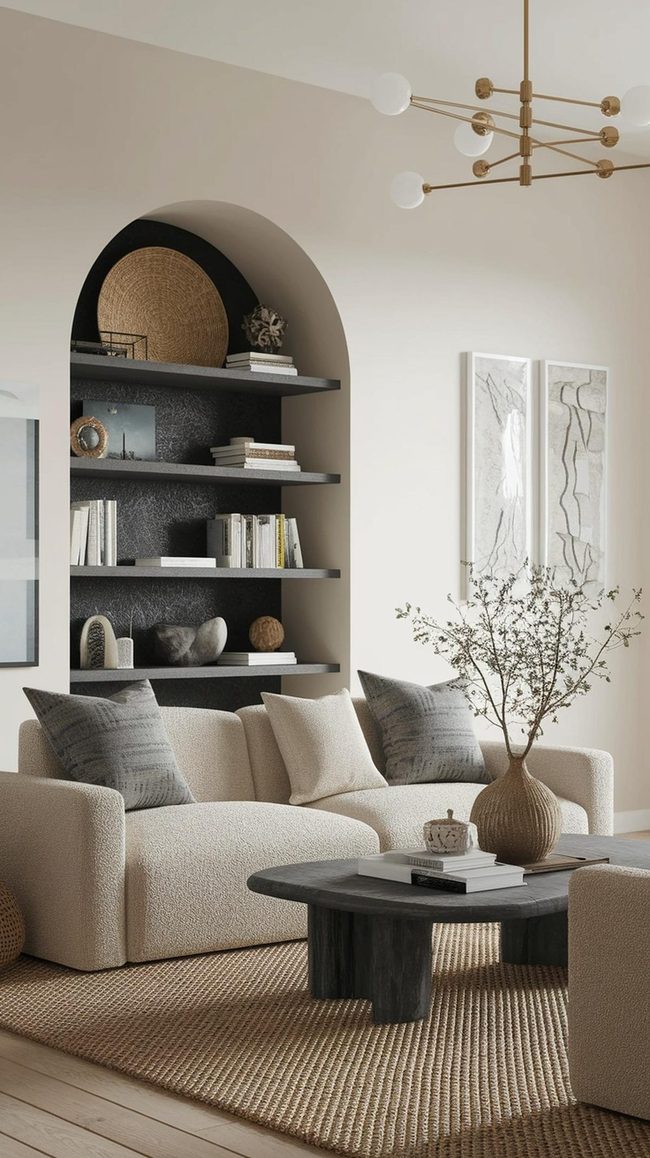
Sculptural pendant lamps hanging above your seating area build an instant visual statement that commands attention, while arched reading nooks tucked into corners offer another layer of architectural interest to explore.
Your living room truly shines when you blend neutral base colors with deeper accent tones and layer in textures like rattan, linen, and boucle across furniture and decor.
Rather than matching everything perfectly, harmony works better because it lets your space feel both personal and thoughtfully arranged.
Mixing vintage pieces with contemporary items in a relaxed, confident way gives rooms their most compelling look and keeps them from feeling too polished or staged.
Make sure to focus on what makes the room feel like it belongs to you rather than what design rules say you should follow.
Balancing old and new elements without overthinking it helps you land on a living room that feels alive and genuine.
Curved Furniture Green Walls Earth Tones
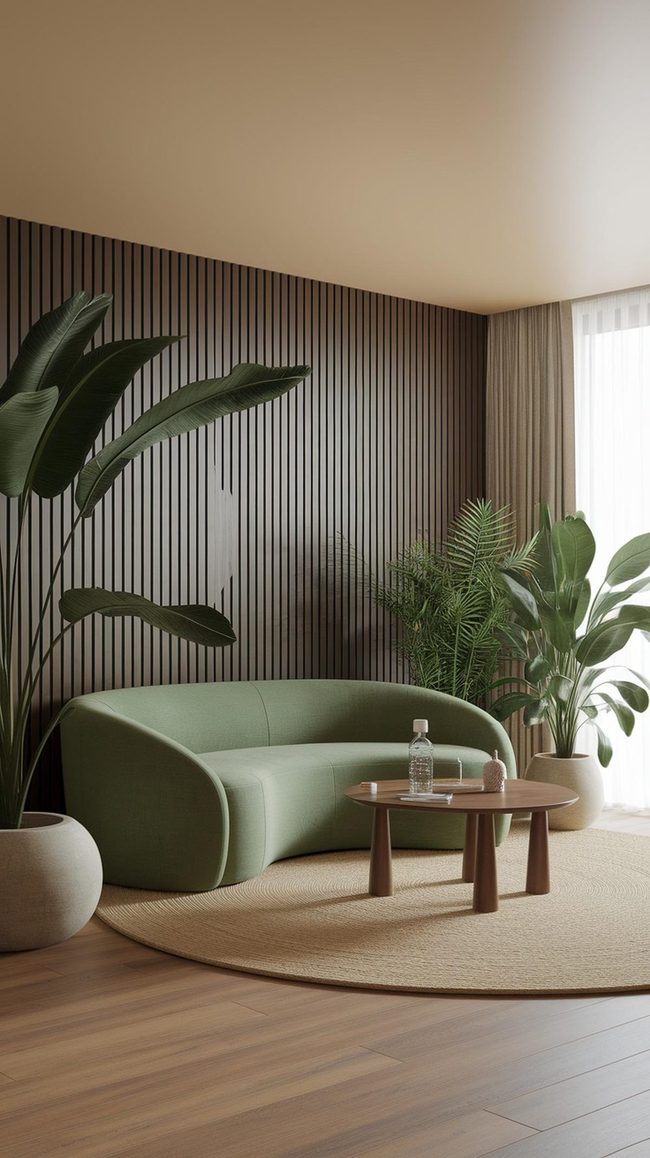
Multi-textured materials and shapely curves will dominate living room design, with organic forms showing up in furniture like tables and couches that prioritize natural flow over sharp edges.
Appreciate spot walls gaining depth through fluted panels and textured finishes that add richness to the space.
Vegetation plays a starring role, bringing greenery throughout the room in ways that connect you to nature indoors.
Earth-toned color schemes featuring gentle browns, creams, and muted olives fix a grounded foundation that feels both warm and restful.
Sustainability sits at the heart of these trends, with eco-friendly materials and mindful choices becoming standard rather than optional.
Combining comfort with planet-conscious solutions offers a direction that resonates with how people want to live now and in the years ahead.
Natural inspiration and responsible design practices go hand in hand, reflecting a shift toward spaces that feel good while respecting the environment.
Light Wood Floors Meet White Walls
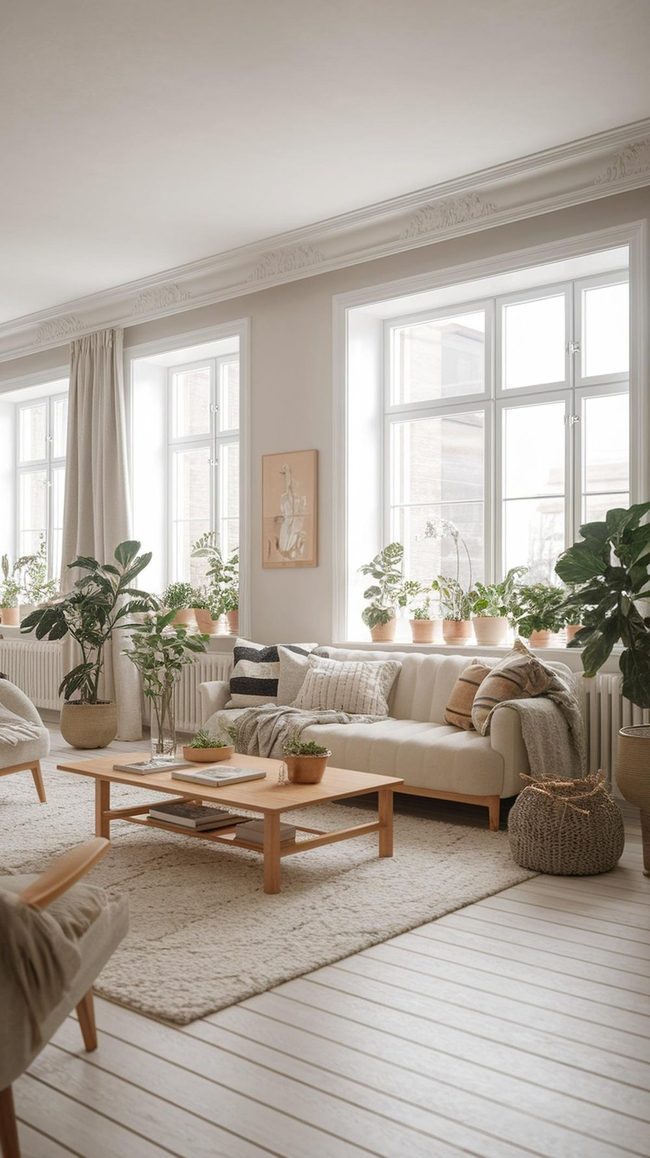
Modern Scandinavian style brings together clean design and comfort in a way that makes your space feel both peaceful and purposeful, starting with the striking visual of light wooden floors and crisp white walls that anchor the room in calm simplicity.
Warm neutral tones like cream flow throughout the space and add depth without overwhelming your senses.
Oversized pendant lights hanging from above draw attention with their geometric shapes and functional beauty.
Chunky knit throws draped over furniture inject warmth and texture you can actually feel when you sit down.
Houseplants scattered around the room bring life to corners and shelves while keeping things uncluttered.
Wall art in abstract styles adds character and keeps your eyes moving around the space.
Every single piece in a Scandinavian room serves a real purpose, so nothing feels random or out of place.
If you love the idea of modern simplicity mixed with genuine comfort, this style welcomes you to form a home that feels both sophisticated and livable.
Tufted Sofa Meets Sage Walls
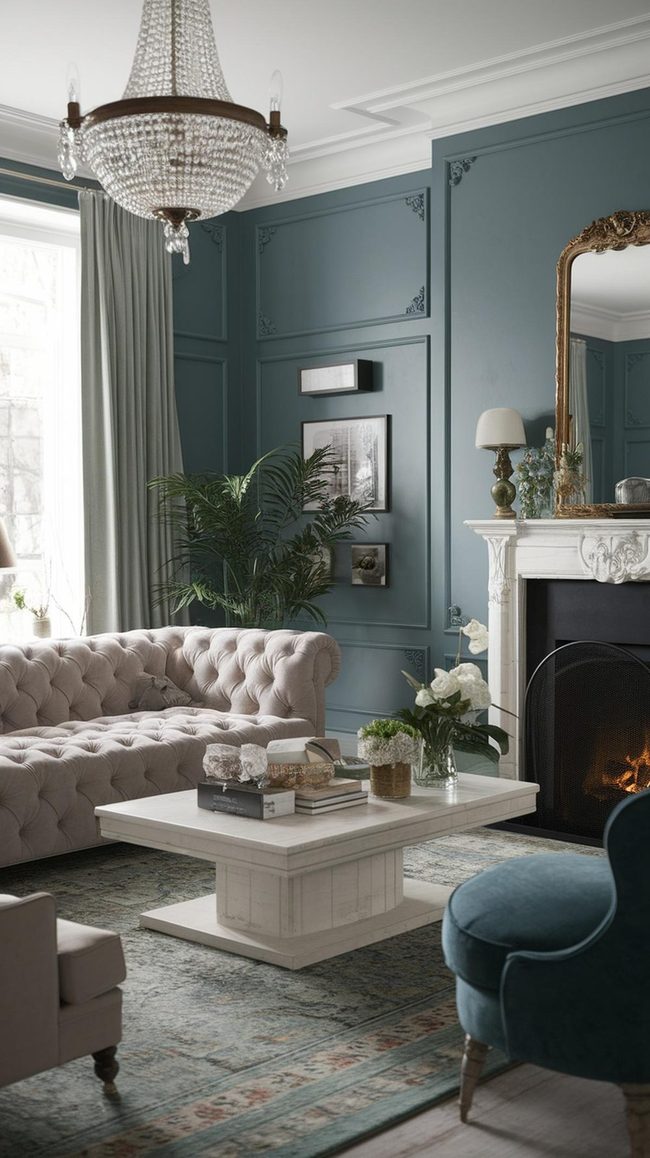
This living room that blends modern and classic design starts with a striking tufted sofa sitting on understated legs, paired with bold artwork hanging above an ornate fireplace that commands attention in the space.
Walls painted in muted sage green or slate blue set a moody while keeping refreshing foundation that feels both current and enduring.
Mixing different lighting styles throughout the room adds dimension and keeps the look from feeling flat or one-dimensional.
To achieve balance in your space, combine clean modern lines with timeless shapes so neither style overpowers the other.
Vintage mirrors look especially good when positioned next to modular furniture pieces that keep the room functional and uncluttered.
You want across within individual part of and every one element to feel like it belongs naturally without clashing.
This concept to blending styles results in a room that feels sophisticated without being stiff or overly designed.
Deep Charcoal Wall With Light Wood Floors
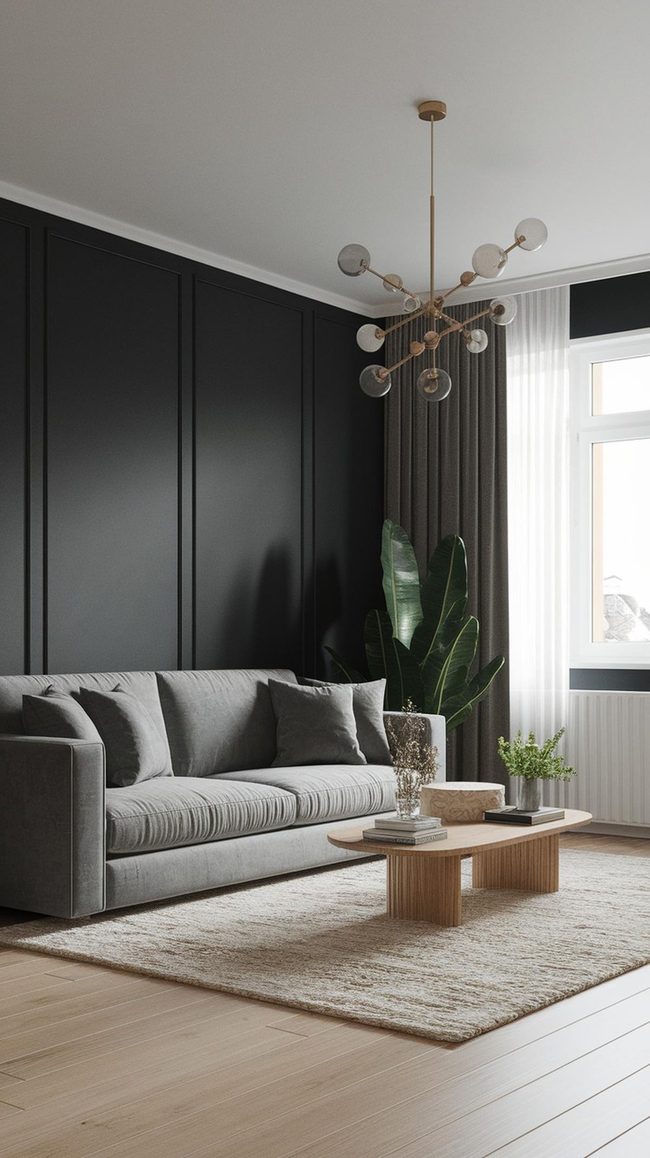
Painting one wall in a deep, moody shade creates an immediate sense of drama that draws the eye, and pairing it with a similarly toned sofa anchors the space beautifully.
Light wooden floors and crisp white curtains prevent the room from feeling heavy, keeping things open and airy.
Metallic accents or glass pieces scattered throughout help bounce light around and break up the darkness in natural ways.
Discover find that this balance between deep tones and brightness builds real visual interest without needing to overcomplicate things.
A minimal approach to combining these contrasting elements tends to feel more modern and sophisticated than filling every corner with items.
Since preferences vary, you can adjust how much dark versus light works best for your own space.
The key is letting one or two statement pieces in darker shades do the heavy lifting rather than covering everything in bold color.
Beige And Clay Living Room Foundation
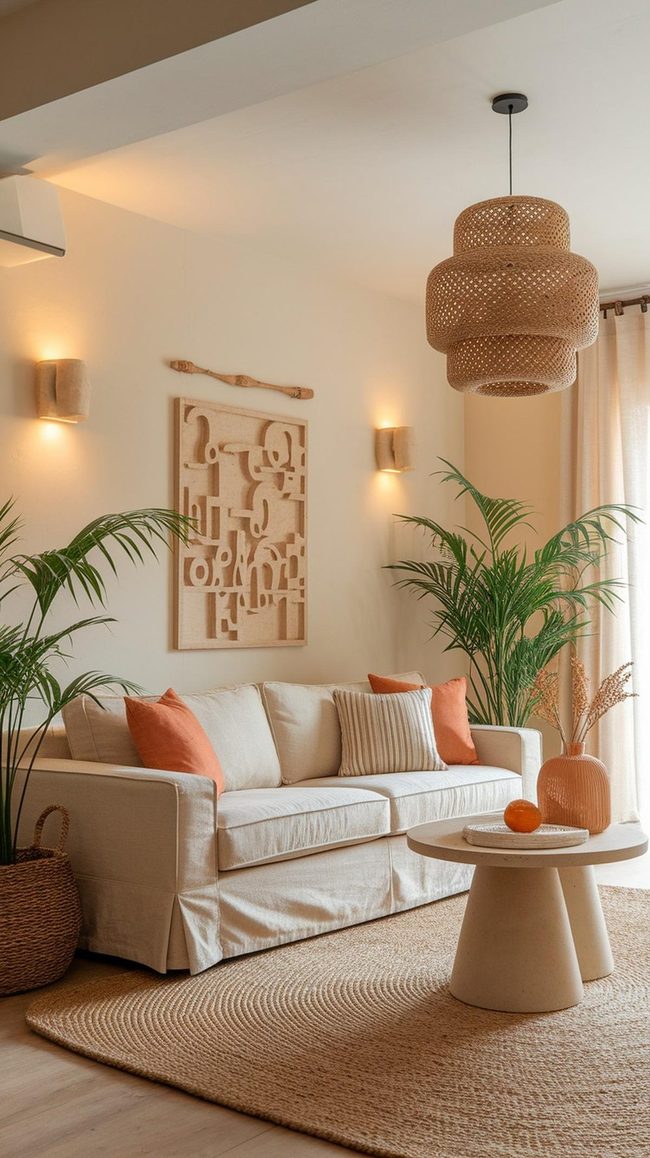
Beige walls paired with clay-colored cushions and terracotta vases design a striking visual foundation for a modern living room, while warm earthy tones blend seamlessly with a beige linen couch and walnut coffee table.
Jute rugs and linen curtains enhance this natural palette without demanding too much attention.
Explore find that this combination stays balanced across different seasons and works well in spaces where you want warmth without loud colors.
Earth tones paired with beige offer genuine comfort for anyone tired of overwhelming hues, and the neutral base allows other room elements to shine.
Such palettes suit contemporary homes that need both style and relaxation.
This design keeps your space feeling grounded and modern at the same time.
Centered Rug Ground Living Room
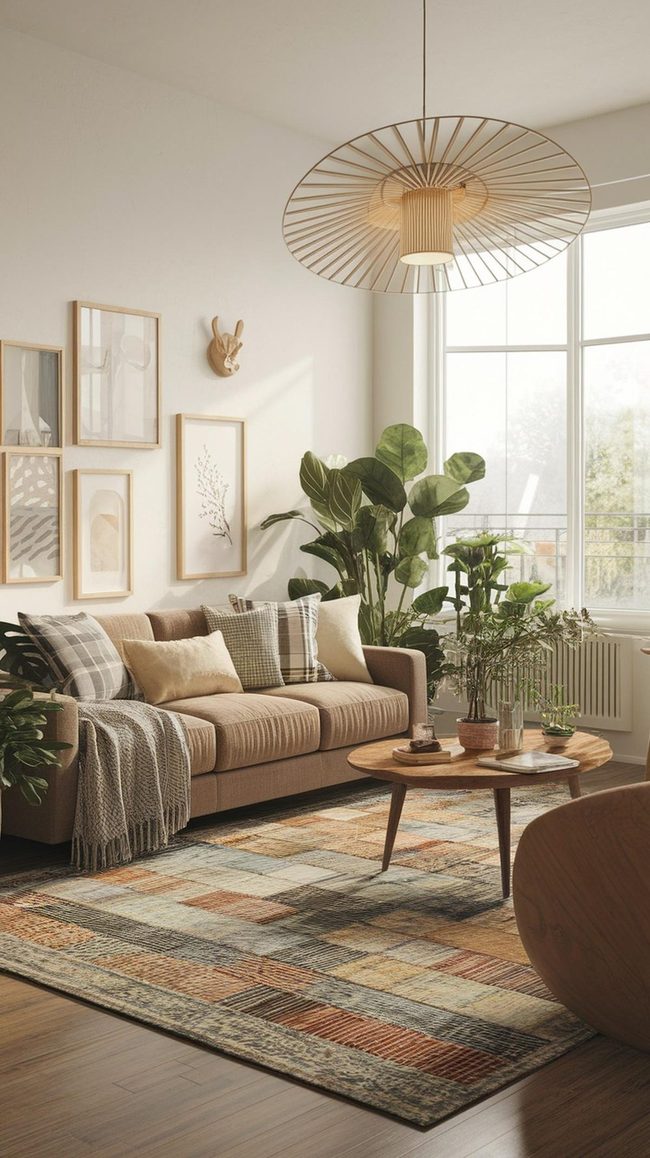
Start by centering a rug in your living room, then build your seating and storage around it to ground the space visually.
Unique light fixtures or an ornamental ceiling that draws attention upward brings immediate interest and stops you from overlooking what's above.
Layer in throws and pillows across your furniture for comfort and texture.
Potted plants scattered throughout add natural elements and soften the room's edges.
Books, art, and heirlooms on shelves or walls share your story and personality without feeling overdone.
Even minimal spaces need life, and the right accents are what make a room feel like yours rather than empty.
Dark Flooring Anchors Modern Contrast
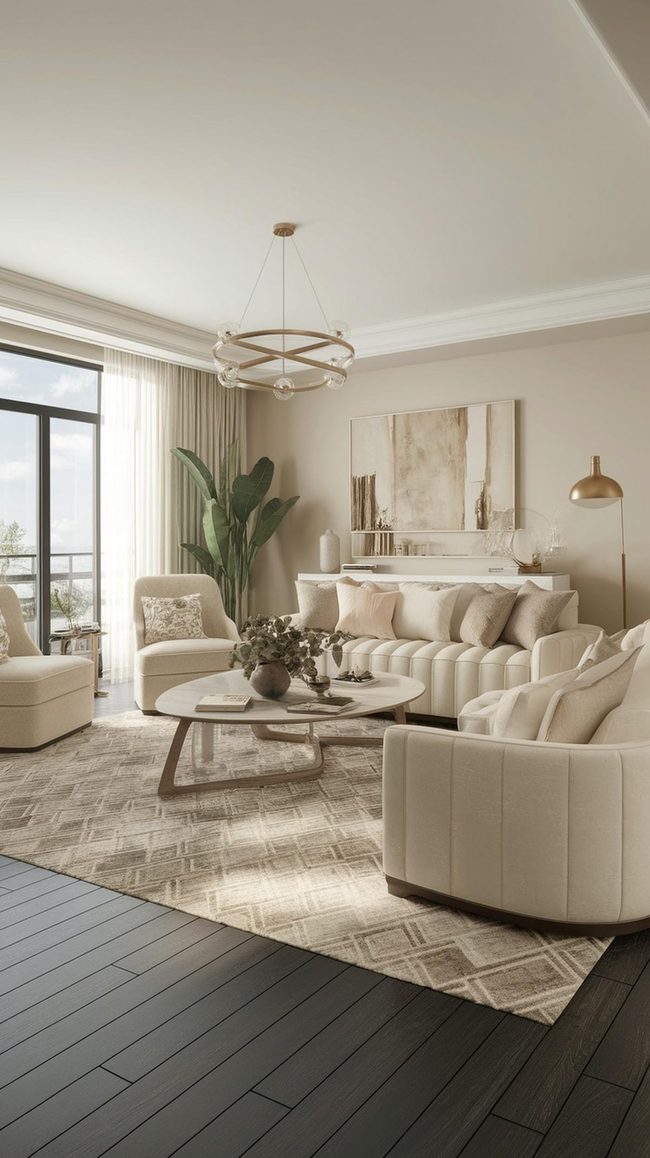
Dark flooring in your living room creates an immediate dramatic contrast that grounds the entire space and demands attention, especially when you choose deep-stained hardwoods, matte charcoal tiles, or polished black concrete for maximum aesthetic presence.
Balancing this bold foundation becomes key, so pairing dark floors with lighter walls and softer furnishings prevents the room from feeling too heavy or overwhelming.
Metallic accents and glass pieces introduce a modern edge that lifts the darkness and adds dimension without cluttering the space.
The real trick is not fighting the boldness but leaning into it strategically, letting the dark floor anchor your design choices.
You can layer in lighter textiles, neutral seating, and reflective surfaces to keep things from feeling closed-in.
Light-colored rugs and artwork also help break up expanses of dark flooring.
When you work with the contrast rather than against it, dark floors become the perfect foundation that lets everything else in your living room shine.
Sculptural Furniture Meets Fur Texture
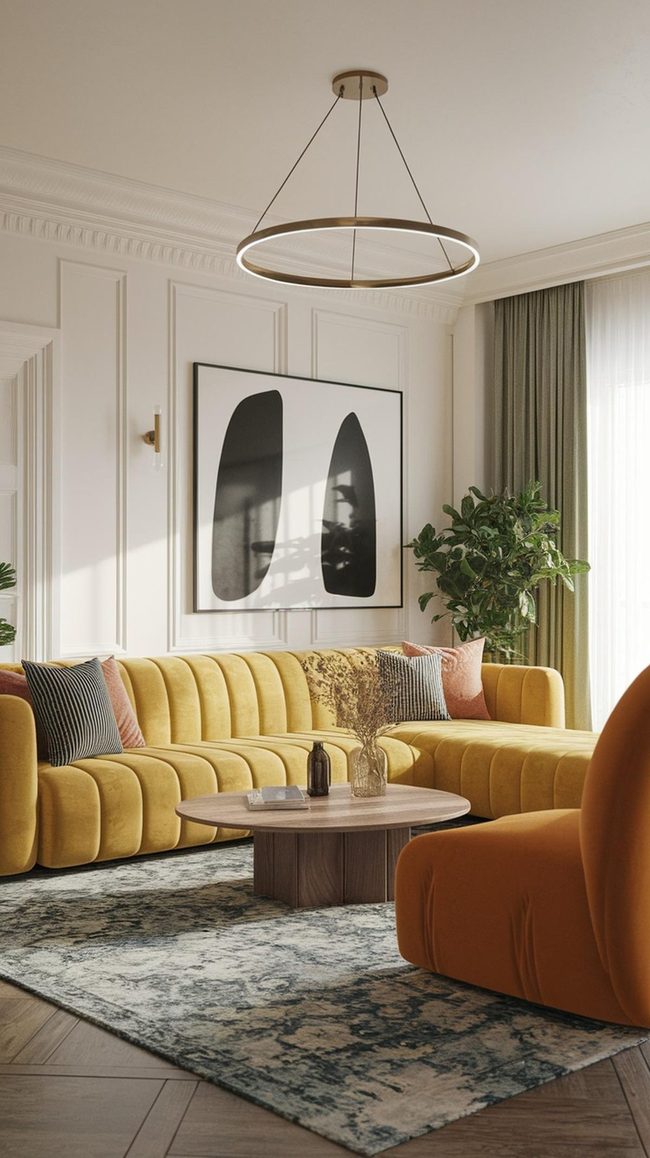
When you're searching for fresh design ideas, platforms like Behance offer entire communities dedicated to helping you discover what's out there.
Explore find bold color combinations and reimagined textures that bring contemporary flair to living spaces, along with clever use of furs and other materials that catch the eye immediately.
Most of these designs balance sculptural beauty with tactical function, so they look distinctive without sacrificing comfort or usability.
If generic interiors leave you feeling uninspired, exploring what designers share on these platforms can spark new directions for your own space.
Starting with visual references helps you build a clearer picture of what style actually resonates with you.
These communities showcase innovative approaches to modern living rooms that go beyond what you'd typically find in standard furniture stores.
Looking at real design work from talented creators gives you permission to think bigger about your own room and what's possible there.
Gray And Black Monochrome Living Room
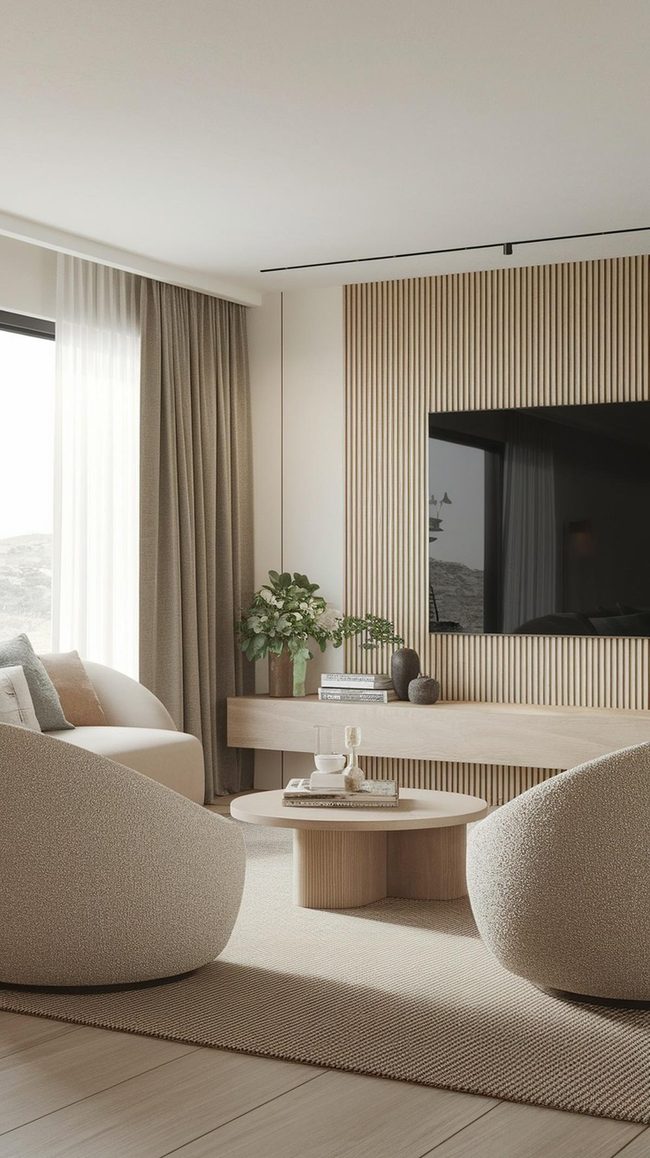
The living room shines with clean lines and minimal clutter, where refined furniture sits low to the ground and open space flows freely throughout.
Neutral tones of gray, beige, and white dominate the room, balanced by sharp accents of matte black or dark wood that ground the design.
Textured pieces like ribbed sideboards and boucle chairs add dimension without overwhelming the space, keeping everything balanced and modern.
Layered textures warm up the room's surfaces while maintaining that organized, uncluttered feel that makes the space so functional.
Simple decor and thoughtful furniture placement mean you can actually live here without stress or visual noise.
Everything connects naturally through restraint and quality, giving you a calm backdrop for daily life.
Deep Charcoal Walls With Gold Accents
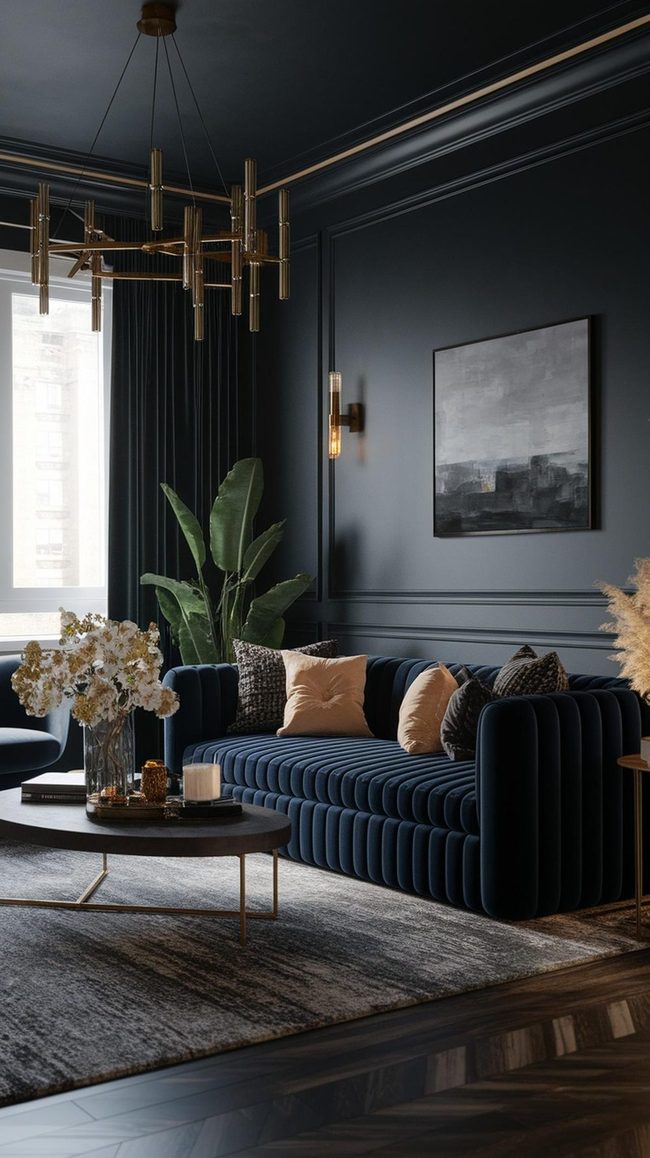
Dark walls in shades of charcoal, navy, or deep green make bold statements and set the tone for a sophisticated living room that feels grown-up and dramatic.
Pairing these rich colors with plush textures like velvet and suede adds luxury and depth to your space.
Lighting plays a huge role in pulling this look together, so consider wall sconces, candles, and dimmable ceiling fixtures to control the mood and prevent the room from feeling gloomy.
Bold artwork or gold accents scattered throughout show confidence in your design choices.
Mirrors and glass tables balance out the darkness and keep the room from closing in on itself.
Your dark-themed space becomes a place where you actually want to spend time, and it does so without feeling heavy or depressing.
Exposed Brick And Industrial Warmth
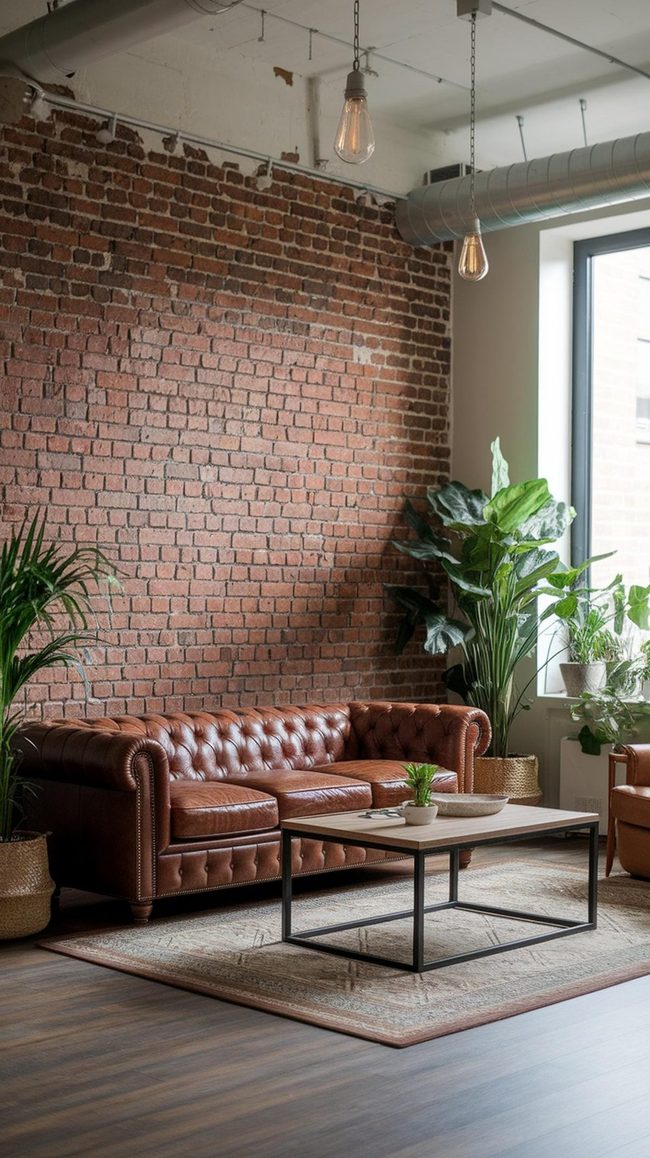
Exposed brick walls bring raw texture and character to your living room, especially when you leave them in their natural red state or paint them a modern white for a lighter feel.
Pairing these walls with metal fixtures and leather seating creates that relaxed loft atmosphere you're probably after, and adding reclaimed wood pieces like coffee tables enhances the industrial charm.
Green indoor plants scattered around the space modernen the harder edges and bring life to the room without overwhelming it.
If you want something with more drama, consider combining moody blue walls with brick accents, it's a timeless pairing that really stands out.
Whether you go minimal or fill the space with vintage finds and contemporary pieces, brick walls work beautifully with so many different styles and keep your living room from feeling cold or sterile.
Gray Neoclassical Sculpture Meets Japandi
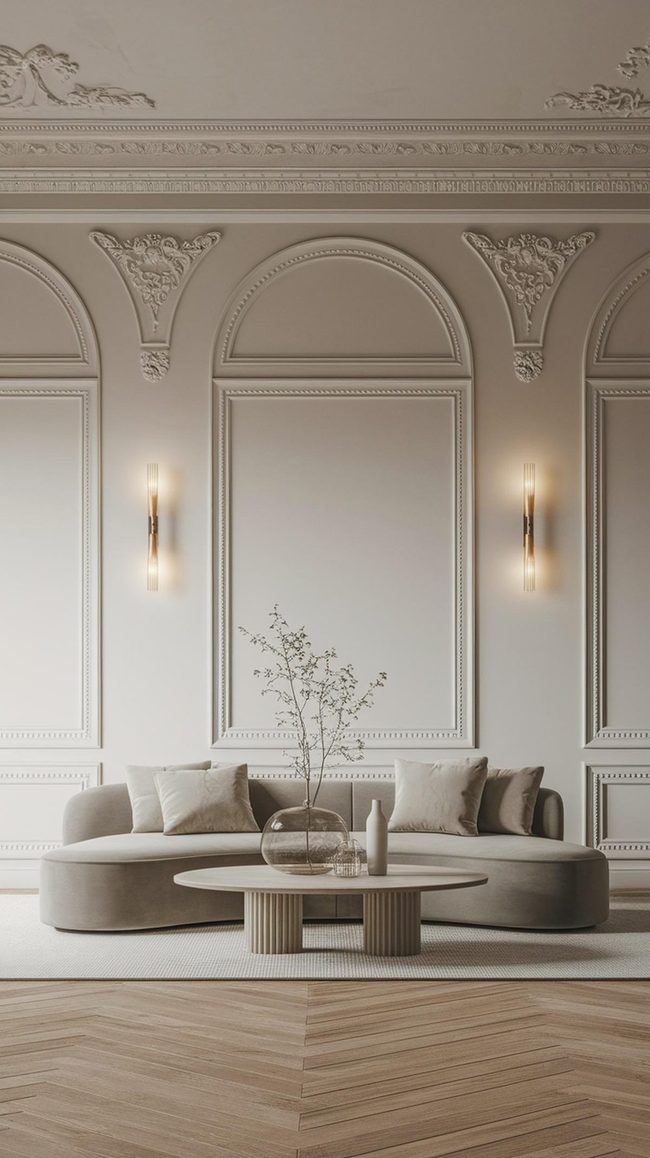
Sculptural decor pieces in neoclassical style command attention as they sit alongside low Japandi furniture and natural materials, creating a striking contrast between East and
Neutral tones of muted gray, cream, and black flow throughout your space, establishing a calm and refined atmosphere that feels both restful and sophisticated.
Open areas between furniture and objects let across every piece stand out on its own, which is essential to this balanced approach.
You get the best of both worlds here, the minimalist roots of Japandi paired with the architectural interest of neoclassical elements.
Nothing feels forced or overdone because restraint guides every choice you make.
Low seating and natural wood textures keep things grounded, while sculptural accents add height and visual interest.
This fusion works because both styles share a respect for quality and simplicity, just expressed in different ways.
Your living room becomes a thoughtful blend of two timeless design traditions without losing its peaceful, uncluttered feel.
Beige Two-Seater Sofa Foundation
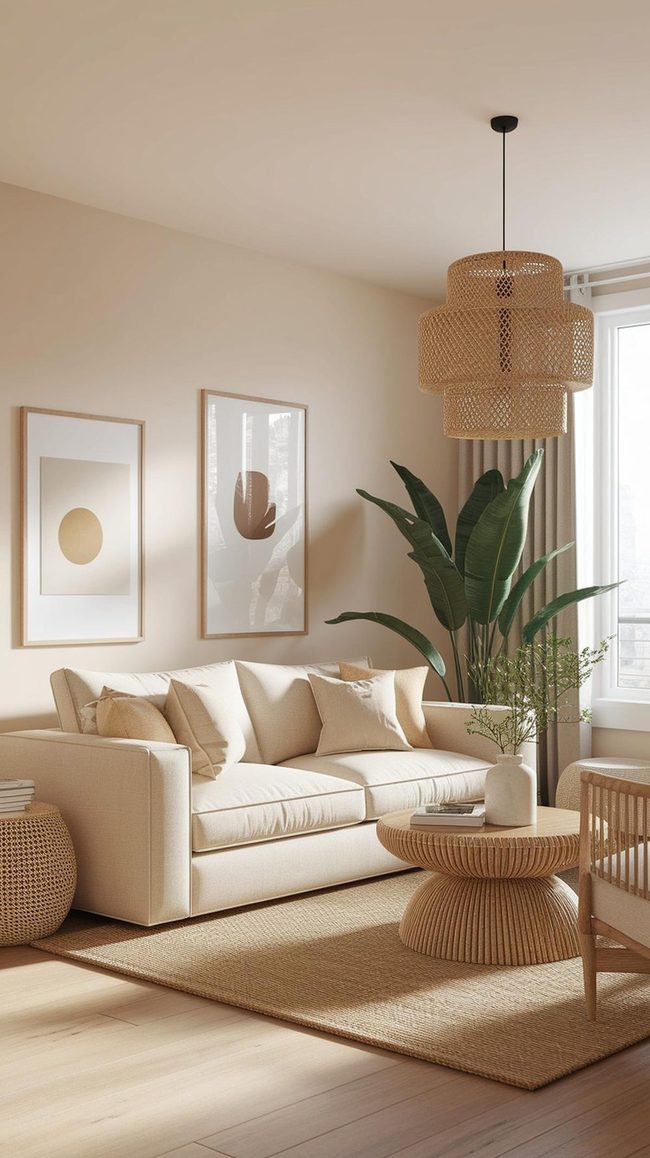
Beige works beautifully as a blank canvas for a refined and restful space, so don't assume it means boring or plain.
A easy beige two-seater sofa paired with a light oak armchair and white curtains creates a grounded foundation, and you can layer in light oak pieces and multiple rugs to build depth.
Woven baskets and linen throws bring texture and warmth to the room, while beige and easy lighting options keep everything calm and connected.
Warm metallics or clay pots add a personal touch without overwhelming the palette.
Your beige living room becomes the perfect backdrop to display beautiful woven baskets that show off your style and add organic character to the space.
Curved Furniture Meets Neutral Tones
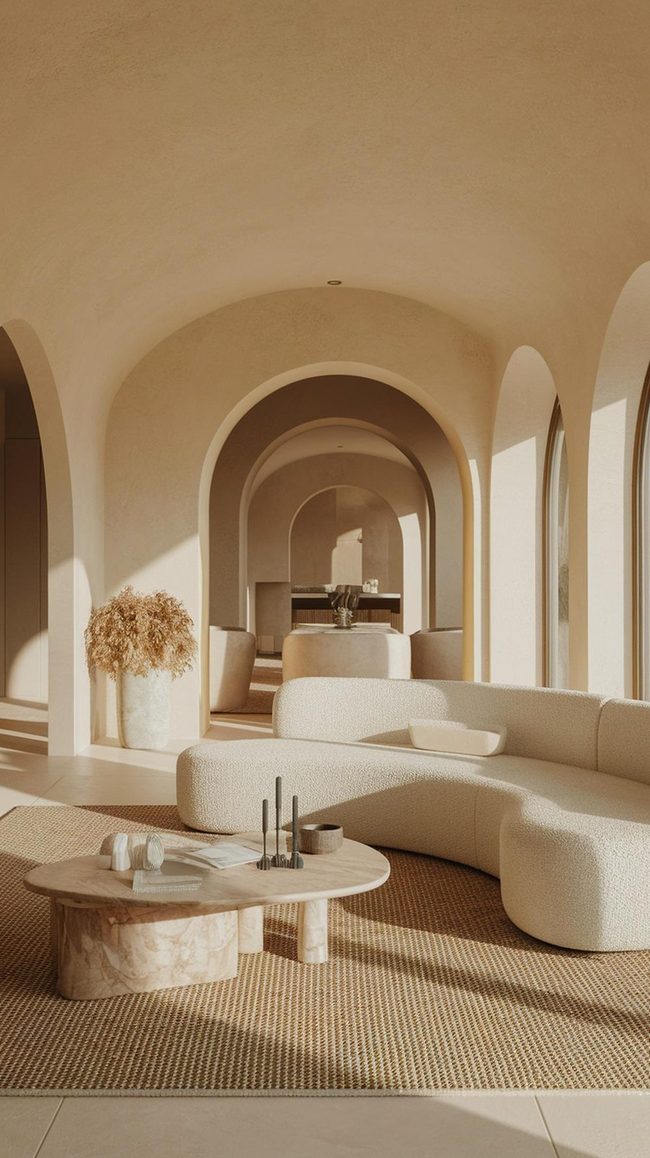
Modern living rooms today embrace a style that blends personal flair with clean, uncluttered design, and you can see this shift everywhere.
Curved furniture pieces and arched doorways yield the most eye-catching elements in these spaces, immediately catching your attention when you walk in.
Eco-friendly materials like rattan and recycled glass feature prominently, reflecting a growing care for the environment.
Warm neutral tones serve as the foundation, paired with light blues and greens that feel calming and grounded.
Luxury in these rooms speaks quietly rather than loudly, it's about sophisticated touches that don't announce themselves.
Mixing light fabric textures with harder materials like glass or stone brings balance and depth to the whole room.
Every surface and piece of furniture serves a purpose, whether for sitting, storing, or simply looking beautiful.
Velvet Sofas With Intricate Wallpaper
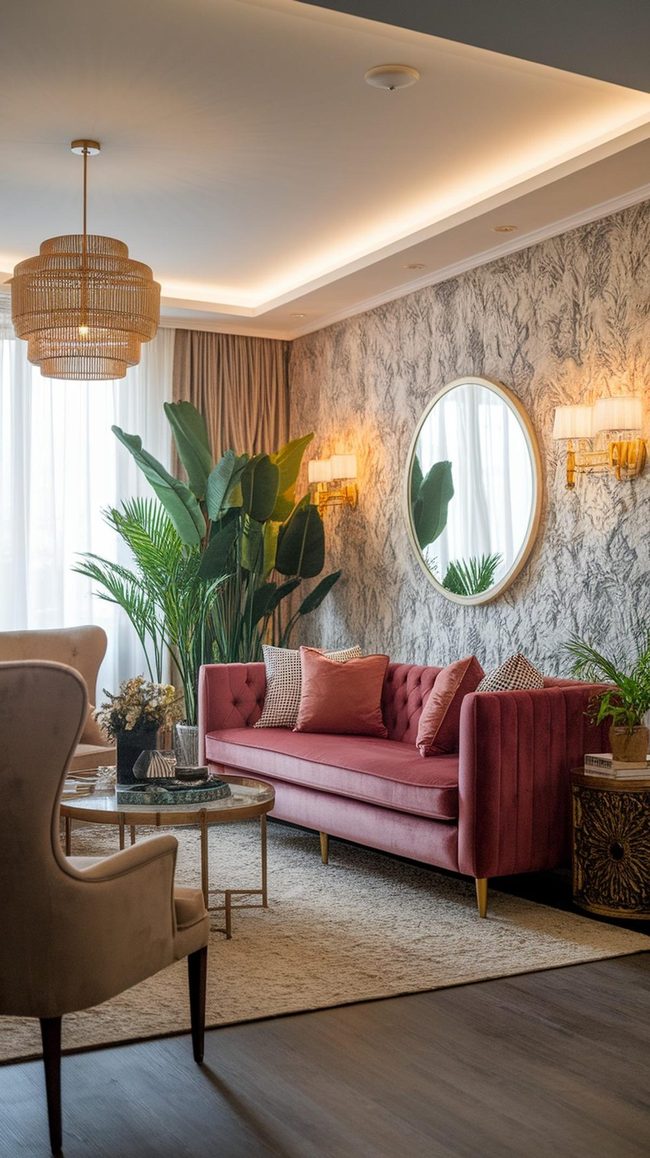
Creating a beautiful living room means balancing what looks good with what feels comfortable, and you can start by pairing striking pieces like vintage armchairs with sculptural coffee tables that command attention in your space.
Modern design celebrates personal style through choices like rich velvet sofas paired with intricate wallpaper that serves as a bold backdrop and layered color schemes that feel distinctive.
Beyond the main furniture, you should add depth with books, candles, and textured throws scattered throughout your room.
Spaces that truly shine rarely feel sterile or overly polished because they reflect genuine personality and choices that matter to you.
Mixing different styles, building in contrast, and following your instincts rather than rules makes a room feel alive.
At its heart, what separates a nice room from a beautiful one is how it makes you feel when you're actually in it.
Vibrant Light Fixture Anchors A Simple Space
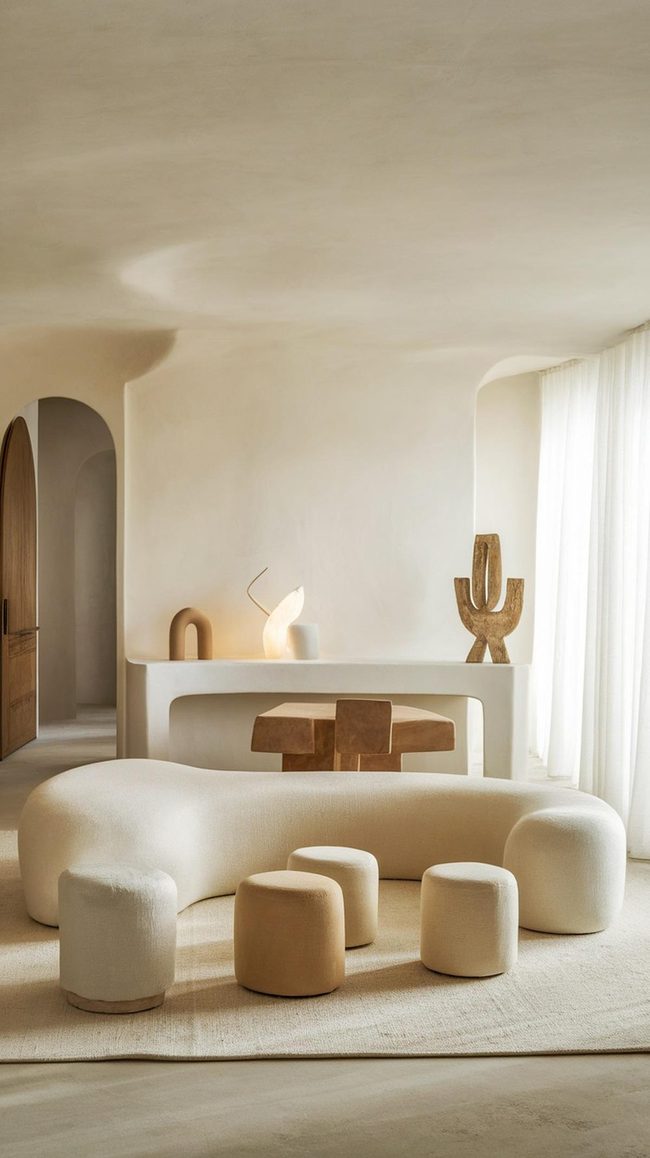
When you strip away excess and focus on what truly matters, form and light become stars of the show, and a minimalist living room gains real power through simplicity.
Bold choices like an abstract light fixture or a sculptural sofa serve as statement pieces that anchor the entire space without clutter getting in the way.
Working with a limited palette of ivory, beige, and charcoal keeps everything unified while materials such as wood, linen, and concrete add depth and character to every surface.
Luxury doesn't need to shout, it whispers through restraint and thoughtful selection of only what belongs.
Fewer pieces selected with care often feel richer and more refined than rooms stuffed with options.
Enjoy the feel of find that this method lets every item breathe and speak for itself, which means the room feels more spacious and calm.
Less really does deliver more when every choice has a reason and nothing distracts from quality and balance.
Sunlit Living Room With Floating Storage
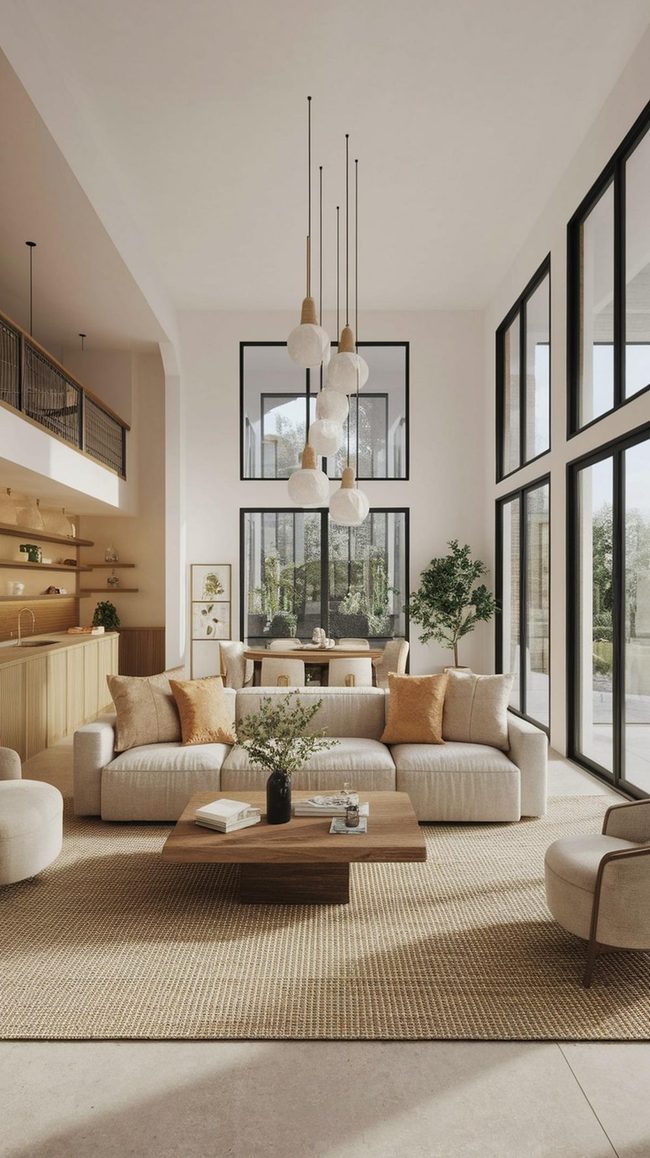
The living room serves as the heart of your home, blending how you live with how the space looks, so improving its aesthetics matters for the whole house.
Large windows flood the room with natural light and become the first thing you pick up on when entering, making them a natural anchor for your design.
Modern built-ins and floating storage along the walls add visual interest and clean lines without taking up floor space.
Arrange your furniture into different zones using rugs and placement so you can lounge, read, and entertain company comfortably in separate areas.
Layering your lighting with overhead fixtures, floor lamps, and task lights means you can adjust the mood throughout the day and evening.
When done well, the best rooms feel like everything belongs right where it is, as though the design unfolded naturally rather than being forced into place.
Your space should feel balanced and livable rather than overdone or stiff.
Gray Walls, Gold Accents, Columns
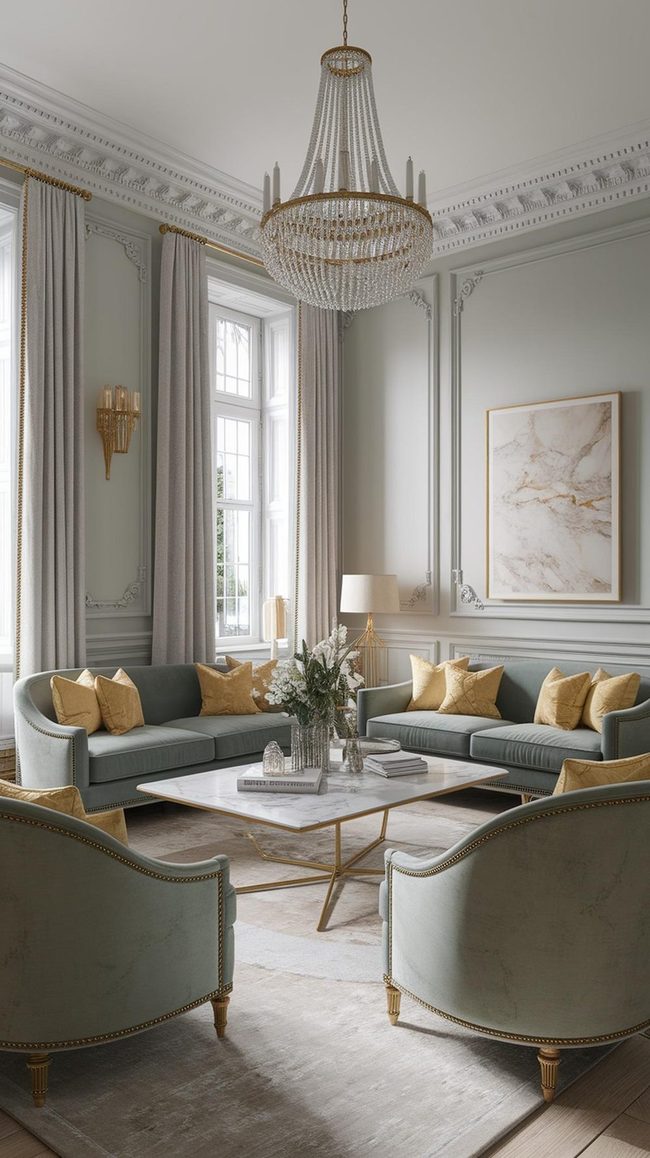
Neoclassical living rooms draw their power from dramatic architectural elements like soaring ceilings, ornate crown moldings, and graceful columns that command attention the moment you step inside.
Pairing these statement features with muted wall colors and understated furnishings keeps the space feeling balanced rather than overdone.
Luxurious textures elevate the room further, think velvet armchairs, marble-topped coffee tables, and light fixtures finished in warm gold tones that catch the eye without overpowering the space.
Wall panels in gray or ivory introduce quiet visual depth through refined detailing, while restraint ensures the design remains sophisticated rather than cluttered.
A symmetrical layout works especially well in this style, as mirroring furniture placement across the room reinforces a sense of order and calm that defines neoclassical design.
Balance should guide the arrangement of seating and decorative pieces, allowing key elements to stand out while everything else supports a composed, unified whole.
Light-Filled Rooms Through Strategic Mirrors
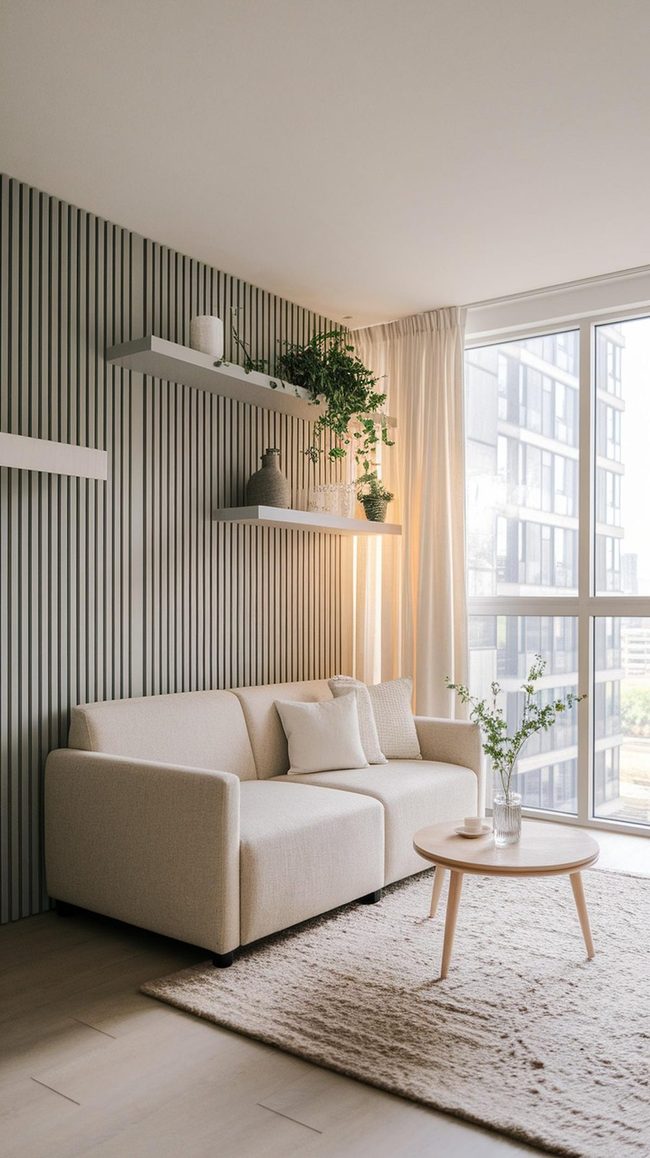
Mirrors bounce light across your walls and make rooms feel twice as wide, so placing them opposite windows or light sources does wonders for small spaces.
Light-colored paint and furnishings keep things from feeling heavy or confined, and they work well with mirrors to amplify that airy sensation.
Furniture with exposed legs and open frames allows you to see through to the walls beyond them, which tricks your eye into thinking there's more room than there actually is.
Vertical storage solutions draw the eye upward and use wall space instead of eating into your floor area, while items like compartmentalized ottomans serve double duty for seating and storage.
Round tables and slim sofas work better than bulky pieces because they let people move around without squeezing past everything in the room.
Keeping furniture scaled to match your space is what really matters here, as oversized pieces make small rooms feel cramped while right-sized selections maintain a breathable, open feeling.
Balance is key when every inch counts.
Matte Black Accents On Neutrals
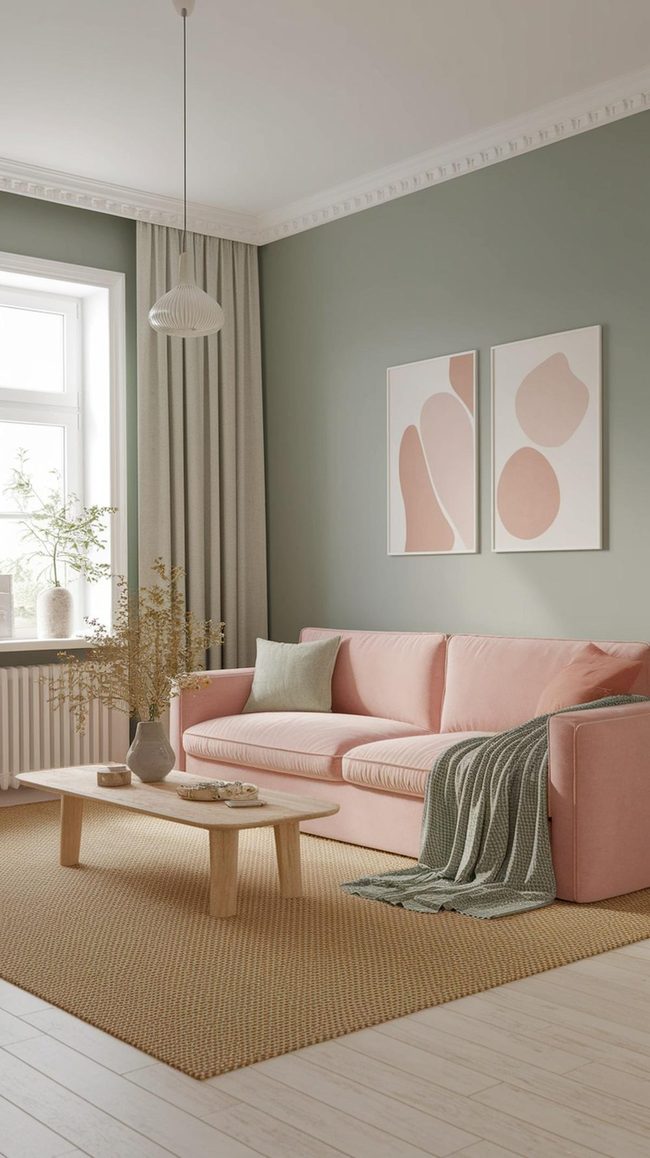
Matte black accents and bold artwork stand out beautifully against the softer backdrop of a Scandinavian room, offering striking contrast that keeps your space from feeling one-note and dull.
Warm grays, pale pinks, oat beiges, and muted sage tones form the foundation of this design style, delivering a peaceful base that feels both grounded and refined.
Pairing these calm colors with light wood furnishings keeps everything balanced and lets within every one one element breathe without overwhelming the senses.
You can stick with textiles in similar tones to build harmony throughout the room, or you can break things up with those darker accents for visual interest.
What makes this method so appealing is how it manages to feel serene without being boring, as the layering of neutral shades creates real depth and sophistication.
Light wood paired with muted palettes means your living room becomes a sanctuary that soothes without sacrificing style.
Scandinavian design relies on this balance between calm colors and thoughtful restraint, letting you enjoy a space that feels both peaceful and multidimensional.
Layered Lighting Warms Scandinavian Rooms
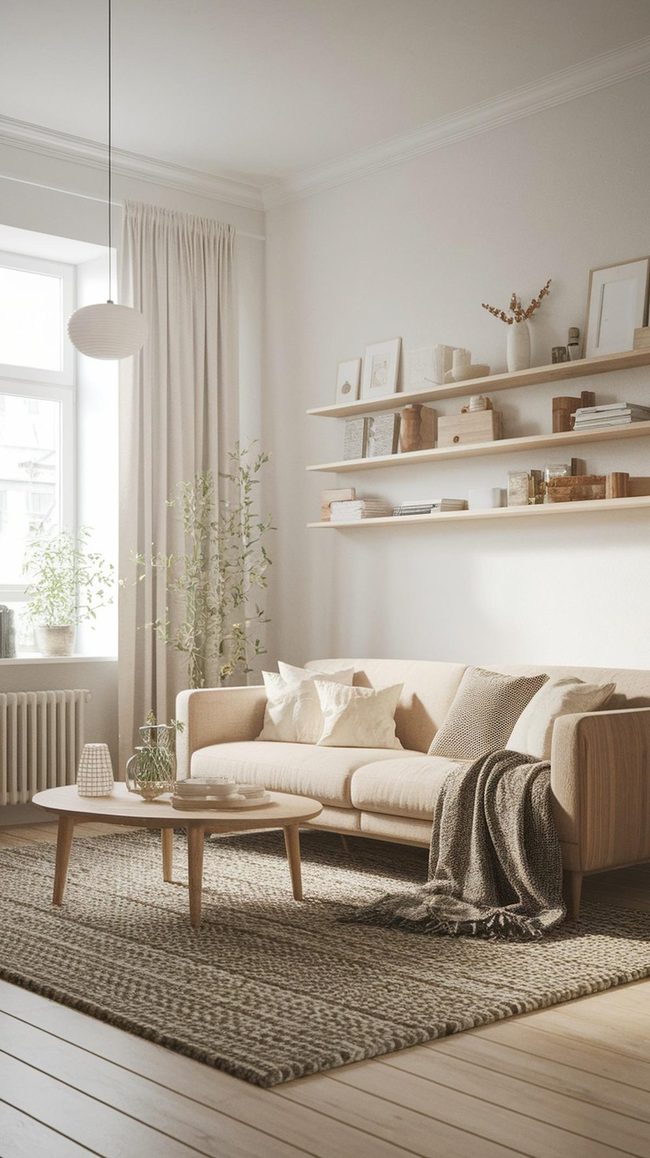
Scandinavian living rooms balance clean lines with genuine comfort, and easily register this most clearly in the layered lighting that fills the space with warmth through table lamps and wall sconces positioned throughout the room.
Textured pieces like wool rugs and cotton cushions sit alongside furniture in gray, white, or natural blonde wood, grounding the space in both softness and simplicity.
Floating shelves display a few meaningful objects while keeping surfaces uncluttered and breathing, and natural elements bring life to corners without overwhelming the room.
Open layouts let light move freely from window to wall, making every square inch feel purposeful rather than cramped.
This method supports the Scandinavian idea of hygge, a way of living that finds joy in simple moments and relaxed evenings at home.
You can lean into this style by choosing a few quality pieces over many decorative ones and letting negative space be as important as what you actually place in the room.
Wood tones and neutral colors form the backbone here, creating a calm foundation that lets you relax fully.
Mirrors And Vertical Shelving For Apartments
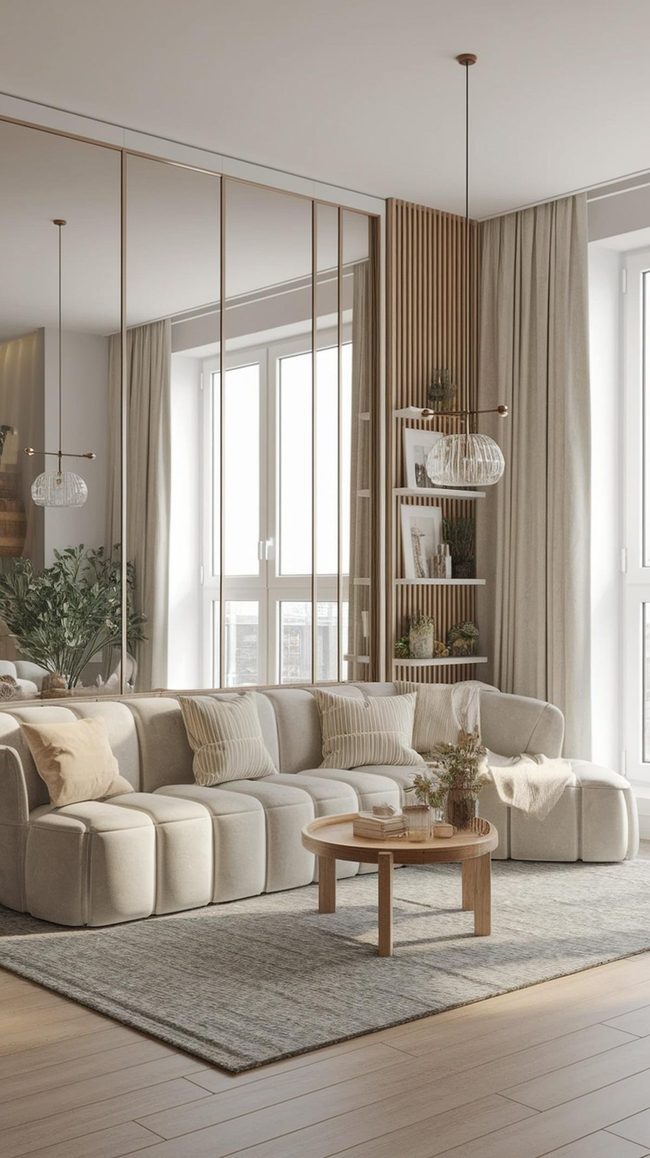
When designing your apartment living room, users want to start with pieces that serve double duty, a stylish sofa bed or nesting tables can transform your space without eating up floor space.
Mirrors deserve a spot on your walls because they bounce light around and make the room feel wider than it actually is.
Vertical shelving keeps clutter hidden and draws your eyes upward, which makes the space feel taller.
Once you have those big pieces in place, a light base color sets a calm foundation that you can layer with bold pillows and artwork throughout the room.
Since apartments demand thoughtful choices about what stays and what goes, every single item you bring in should earn its place through style or function.
Small living rooms aren't boring, they're just spaces that benefit from being selective and tailored with what you choose.
Michael Thompson
Senior Content Editor
Expertise
Content Strategy Development, Editorial Team Leadership, Home Décor Trends & Style Curation, Digital Storytelling for Interior Design, Quality Assurance in Publishing
Education
University of Missouri, Columbia
University of Texas at Austin
Michael Thompson is the senior content editor at Decorrio, bringing over 12 years of experience in journalism and home décor writing. With a journalism degree from the University of Missouri and a master’s in English from UT Austin, he blends storytelling with expert design insights.
At Decorrio, Michael curates inspiring content that helps readers transform their spaces with style and ease. He’s passionate about home organization, DIY projects, and quality design ideas that make everyday living more enjoyable.
Outside of work, Michael enjoys exploring Austin’s culture, tackling home improvement projects, and mentoring aspiring writers.