
10 Smart Ways to Arrange Your Living Room Space

Living room arrangement tips can make any space feel more welcoming and functional for everyone who enters.
The way furniture sits in a room affects how comfortable people feel when spending time together or relaxing alone.
Most homes have awkward corners or challenging layouts that seem impossible to work with at first glance.
Simple adjustments to where sofas, chairs, and tables go often solve problems faster than buying new pieces.
Balance matters more than following strict rules since every room has different dimensions and natural light patterns.
Small shifts in positioning create better flow and help conversations happen more naturally among family and friends.
Learning what works best means the difference between a cramped area and one where you actually want to spend hours.
Symmetry Meets Balanced Contrast
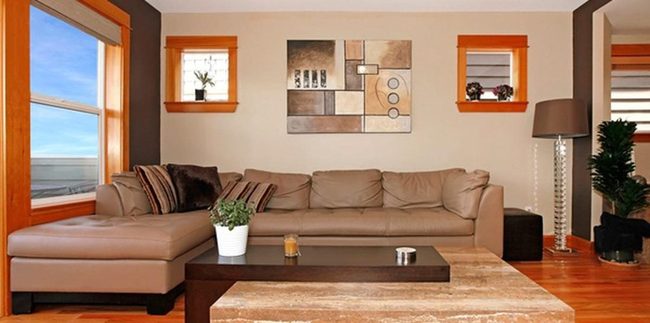
Colors that work well together, matching shapes, and styles that align with one another help your space feel organized and put-together.
Symmetry does this by using paired items like matching sofas and lamps, which gives rooms a refined quality.
Asymmetry takes a different route and brings energy to your space through mixing various designs and different sizes, like unusual vases or lamp styles that still relate to each other in some way.
Finding the right mix of these approaches lets your personality shine through in your decorating choices while keeping the room feeling both personal and comfortable.
You can lean toward symmetry if order matters most to you, or try asymmetry if you want something more dynamic.
Many people find that a blend of both methods works best for their homes.
The key is stepping back regularly to see how your choices feel together and adjusting as needed.
Circles Of Conversation
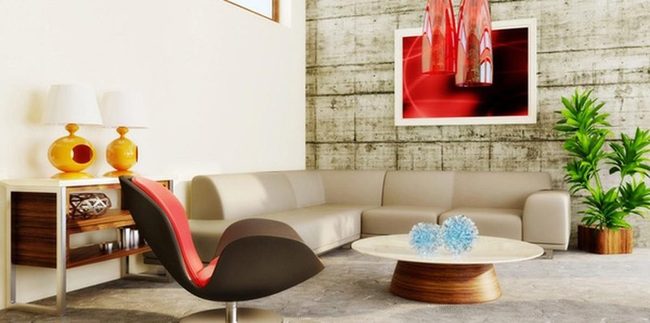
Seating that faces inward naturally encourages people to talk and laugh together, and arranging furniture so that different areas stay close enough for easy conversation makes everyone feel included without anyone needing to shout across the room.
We all know how much better discussions flow when you're not struggling to hear what someone's saying, so grouping chairs and sofas in circles or semi-circles helps people connect more easily.
You can also tuck a couple of chairs into quieter corners for those moments when someone wants a more private chat, and this works well because the rest of the space still feels open and connected.
Small conversational pockets mixed throughout let people break off into groups if they want, while the overall layout keeps the room from feeling divided or closed off.
Spacing matters too - when seating is too spread out, it kills the energy, but when it's thoughtfully positioned, everyone naturally gravitates toward actually engaging with one another rather than just sitting in silence.
Mixed Furniture, Maximum Personality
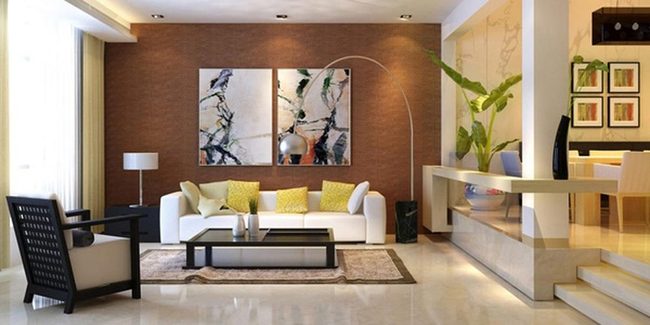
Living room with furniture of different sizes and shapes brings energy and interest to the space, and mixing styles from various collections helps you express your personality while avoiding the flatness that matching everything can create.
Ottomans and accent chairs add both comfort and unexpected forms that make the room feel more dynamic.
You can pull pieces from different sources without worrying about whether they match perfectly, and this approach actually lets your space tell your story in a way that rooms with uniform furniture simply cannot.
When you blend styles and sizes together, you get a room that feels lived-in and reflects who you are rather than looking like it came straight from a showroom.
Comfort and character go hand in hand when you're willing to break the rules about what should go together.
Scaled Furniture Opens Living Rooms
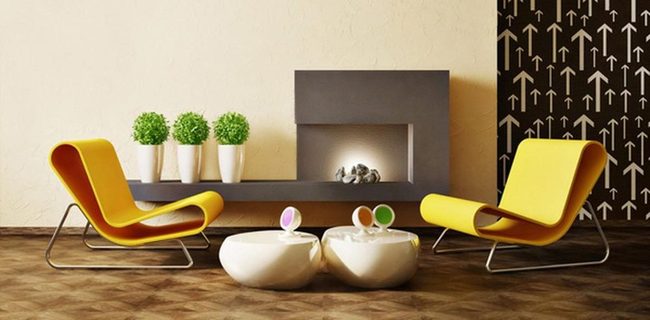
Furniture scale makes a real difference in how your living room functions and feels, so picking chairs instead of massive sofas opens up the space and lets air move through the room more naturally.
When you keep furniture proportions in mind, smaller decoration pieces balance everything out and prevent the room from feeling cramped or heavy.
Colors and textures should work alongside your furniture choices, and selecting options that harmonize together adds dimension without making the space feel overstuffed.
I've noticed that thinking through these elements as a group helps the room breathe and feel comfortable for everyday living.
Your eye will move more smoothly around a room designed with proper scale in mind.
We can all appreciate how a well-proportioned space invites you to relax and move freely throughout the area.
Small Rug, Unified Room
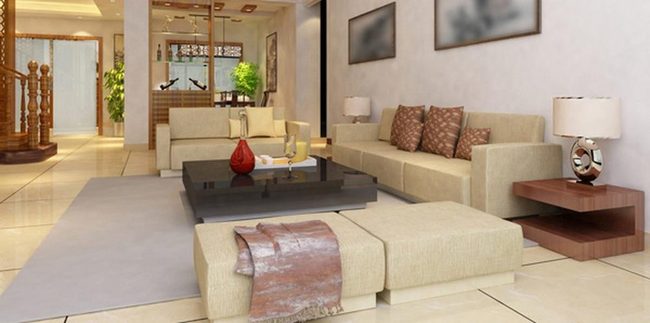
Area rugs do more than just cover your floor - they pull your furniture together and make the whole room feel like it belongs.
You don't need a massive rug that covers everything either; even a smaller one works great when you position it so the furniture legs sit right on it or just touch the edge.
This simple placement helps everything feel connected and unified, and it's one of the easiest ways to make your space look intentionally designed rather than random.
Sunlit Reading Nook With Game Zone
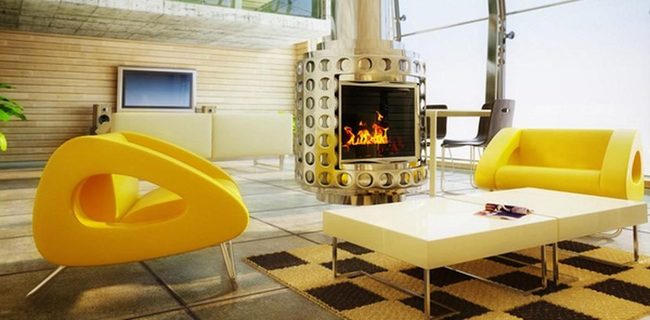
Your living room can feel more functional and appealing when you divide it into different seating zones, each serving its own purpose.
By a sunny window, you might set up a spot where natural light pours in - ideal for curling up with a book or sipping coffee in the morning.
Elsewhere, you could arrange seating around a table for board games or creative projects, making it easy for family and friends to gather and enjoy time together.
In another area, perhaps near a bay window, a quiet corner becomes perfect for moments when you need to unwind or simply sit with your thoughts.
Breaking up your room this way helps you and your loved ones move between activities without crowding one space, and it gives different parts of the room distinct energy and purpose.
Smart Sizing Before Furniture Shopping
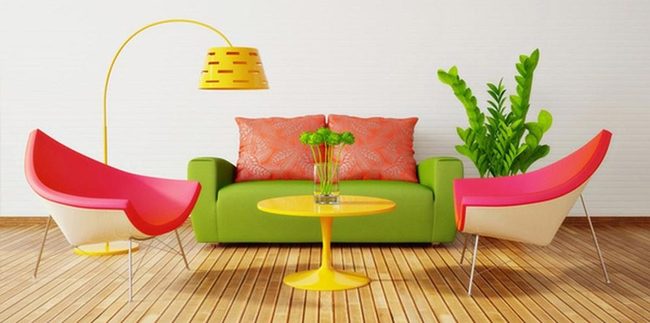
Knowing how big your living room is makes all the difference when you arrange furniture and pick out pieces that actually fit.
It's easy to end up with an oversized couch that takes over a small space and leaves barely any room to walk around comfortably.
Doorways and hallways matter too because you need to make sure new pieces can get inside without getting stuck or damaged.
Planning ahead saves you from the stress and frustration of trying to squeeze large items through tight spots later on.
Symmetrical Anchor Point Living Room
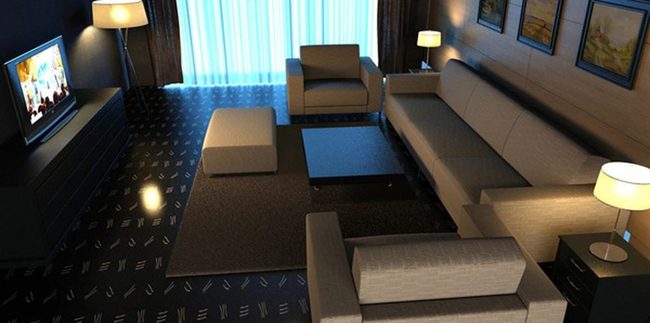
Your living room needs something that stops people in their tracks the moment they walk in, so pick a fireplace, television, or large piece of art to serve as the anchor for everything else.
Once you've settled on that main element, you can use two matching side tables with lamps positioned on either side to frame it and keep the space feeling balanced.
This simple setup naturally draws the eye upward and prevents the room from feeling flat or one-sided.
Placing these pieces at different heights adds rhythm to the space and makes it more interesting to look at.
We find that this basic arrangement gives the room structure without requiring you to overthink the design.
Since these elements work together, they help the whole space feel put together and organized.
It's a straightforward way to build a living room that feels purposeful and grounded without any complicated decorating tricks.
L-Shaped Seating Draws People Together
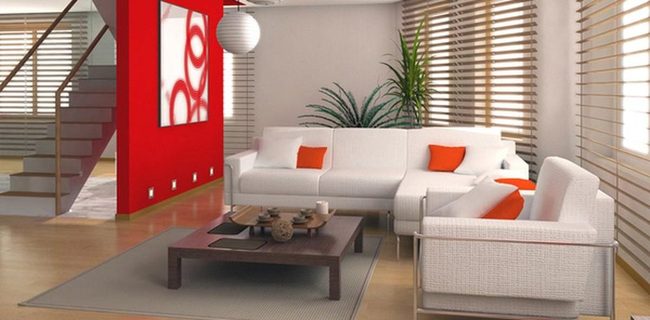
Positioning your sofa and loveseat in an L-shape across the room gives you both comfort and visual interest right away.
Most people place a coffee table in the middle of this arrangement, and it becomes the natural spot where everyone gathers for games or just hanging out together.
What sets this apart is how it lets people move around without feeling cramped or blocked off.
You and your family can chat easily because everyone faces toward the center, and that simple positioning actually encourages people to relax and spend time together.
The open flow between furniture means guests don't feel trapped or awkwardly placed.
When you arrange things this way, the room naturally becomes livelier and more welcoming, and conversations happen without any effort at all.
Carpet Divides Open Living Zones
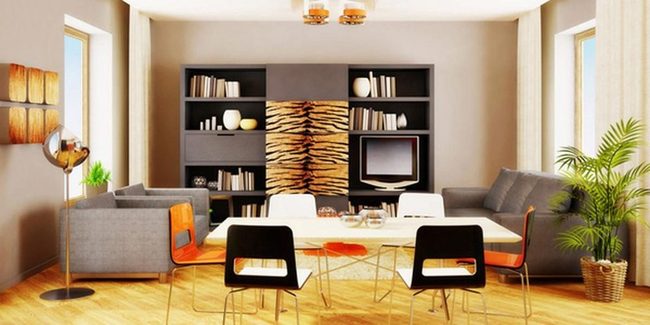
Dividing a large room with a carpet or area rug instantly gives your main living space a clear sense of identity and purpose.
Position your sofa to face away from high-traffic areas, and you'll naturally create privacy while encouraging people to gather and talk together.
Another seating arrangement in the secondary area allows for relaxation and social connection without the space feeling tight or crowded.
Open pathways between the two zones keep movement easy and smooth, so everyone can enjoy both areas without feeling blocked or awkward.
This kind of layout enhances how your room actually works and makes the flow from one space to the next feel natural.
We all benefit when larger rooms are split thoughtfully this way because it turns what could feel empty into several functional spots that serve different purposes.
Isabella Martinez
Founder & Lead Design Enthusiast
Expertise
Seasonal Home Décor, Interior Styling, Space Planning, DIY Home Projects, Sustainable Design Solutions
Education
Savannah College of Art and Design (SCAD)
Pratt Institute, School of Design
Isabella Martinez is the founder of Decorrio, where she shares her love for seasonal home décor and creative design. With a background in interior design from SCAD and a master’s from Pratt Institute, she specializes in stylish, functional, and sustainable spaces.
With over 10 years of experience, Isabella helps homeowners bring warmth and personality into their homes. She loves DIY projects, festive decorating, and collaborating with local artisans to create unique designs.
When she’s not designing, Isabella enjoys exploring Austin’s arts scene, crafting, and hosting gatherings filled with seasonal charm.