
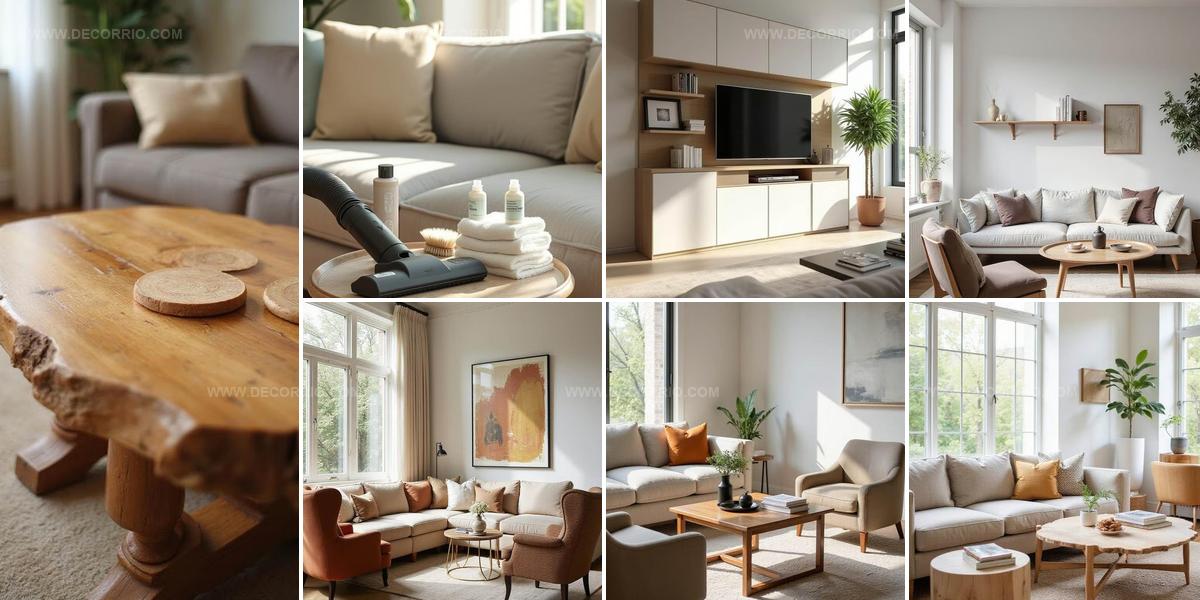
21 Furniture Decor Ideas That Refresh Your Living Room
A living room furniture decor approach can completely reshape how you experience the heart of your home.
The right combination of seating, tables, and accent pieces sets the foundation for both comfort and style in this essential space.
Many people struggle with balancing functionality against aesthetic appeal when selecting what belongs in their main gathering area.
Smart furniture placement influences traffic flow, conversation dynamics, and overall atmosphere more than most realize.
Colors, textures, and proportions must work together harmoniously to avoid a cluttered or disconnected feeling.
Whether you prefer minimalist designs or cozy arrangements, understanding basic principles helps you make confident decisions.
Online Research, Showroom Touch
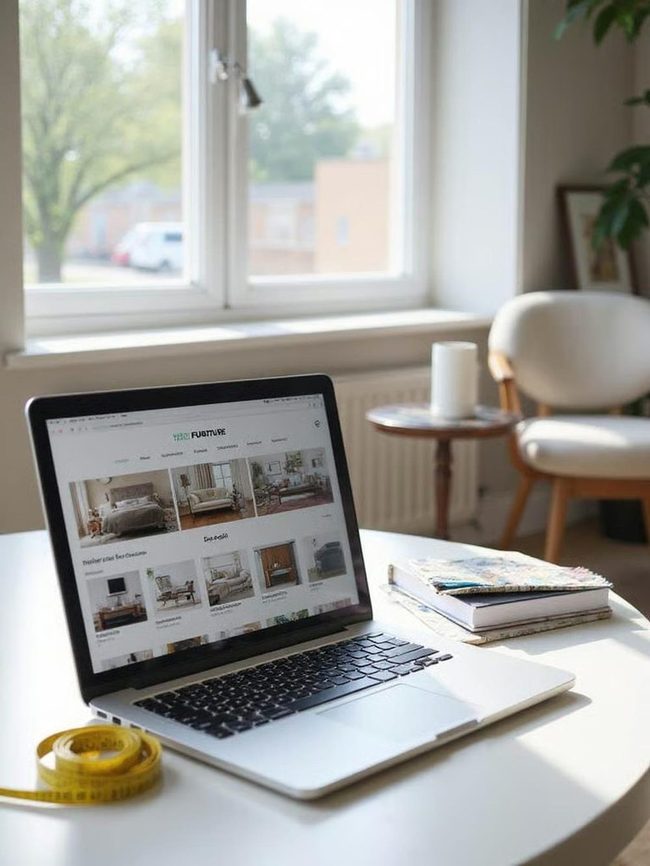
Online shopping shines when you want to research and compare, reading reviews and browsing endless options from your couch, and it's where I hunt for inspiration and discover smaller artisan brands that might not have physical locations.
However, major pieces like sofas and armchairs deserve a visit to a showroom because you simply can't judge comfort through a screen, and experiencing a fabric's texture or understanding how a piece's actual size fits your space makes all the difference.
Let the internet be your starting point for discovery and ideas, but save the showroom visits for those big, hands-on decisions where your own judgment and feel matter most.
Of course, finding a good deal is always a win no matter where you're shopping.
Seating Arranged For Genuine Connection
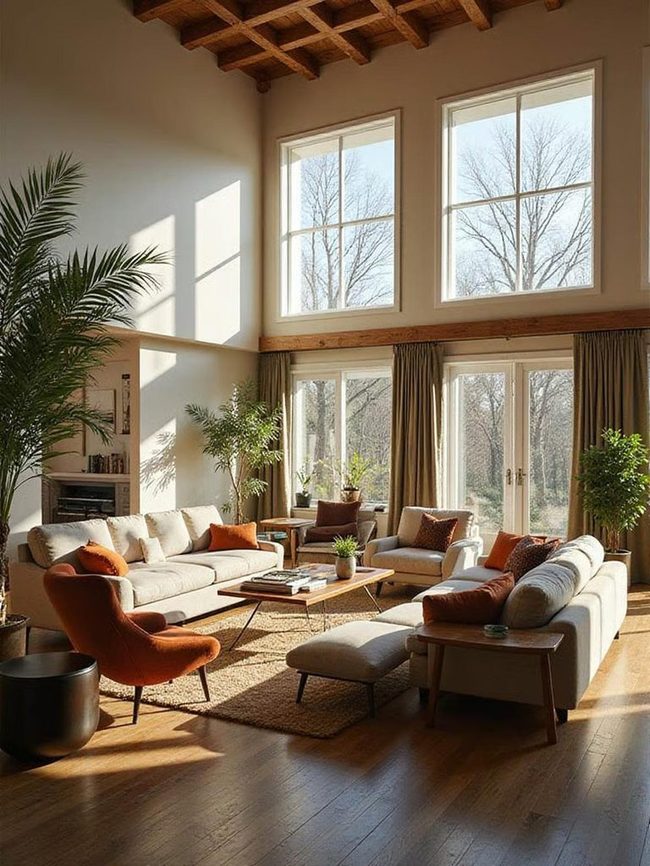
Pulling your furniture away from the walls updates how a room actually works, and this simple shift makes all the difference in how people interact with throughout other.
Most of us instinctively push seating against walls, but moving pieces toward the center creates an intimate gathering spot where entertaining flows naturally instead of getting lost across empty space.
You want your main seating arranged so chairs and sofas face throughout other or angle toward one another, keeping them about four to eight feet apart, close enough that nobody has to strain their voice, but far enough that everyone respects personal boundaries.
Without this thoughtful spacing, people end up scattered around the edges, forced to sit awkwardly or raise their voices to connect.
Even in smaller rooms, pulling furniture inward actually makes the space feel warmer and more welcoming rather than cramped, and larger rooms give you even more flexibility to experiment with multiple seating zones or offset arrangements.
Beautiful furniture placed poorly will never feel right no matter how nice the pieces are, but when you arrange seating to encourage actual entertaining, the room comes alive and people naturally want to linger and chat.
Mother-Of-Pearl Inlay Side Tables
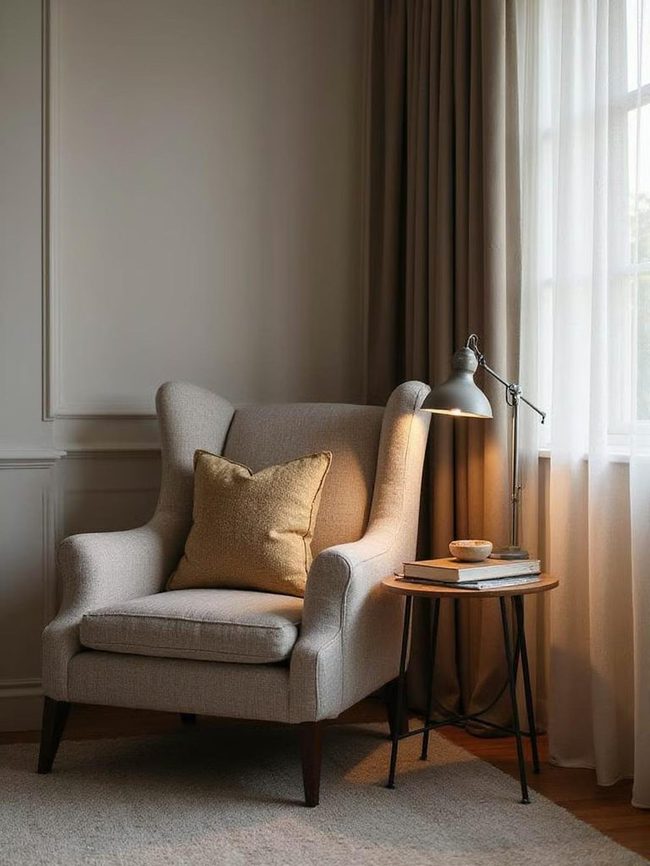
Side tables quietly serve your space by doing something simple but essential: they make your room actually livable and comfortable for people spending time there.
Pairing contrasting materials together is where these pieces shine most, picture a modern sofa next to antique tables with mother-of-pearl inlay, or a hammered-brass drum table beside a linen chair, and suddenly you have layers of warmth and craftsmanship without overwhelming the room.
Getting the height right matters more than people realize; a side table should align with your chair or sofa arm so a reading lamp sits naturally there and provides that essential pool of warm light.
Nobody wants to awkwardly stretch forward just to set down a drink, and leaving a book on the floor looks careless.
A well-positioned side table shows you care about how people actually live in your space.
These pieces work best when they feel like useful for everyday living necessities rather than decorative afterthoughts.
Think about what surfaces your people need within arm's reach and let that guide your choices.
British South Asian Velvet Performance Blend
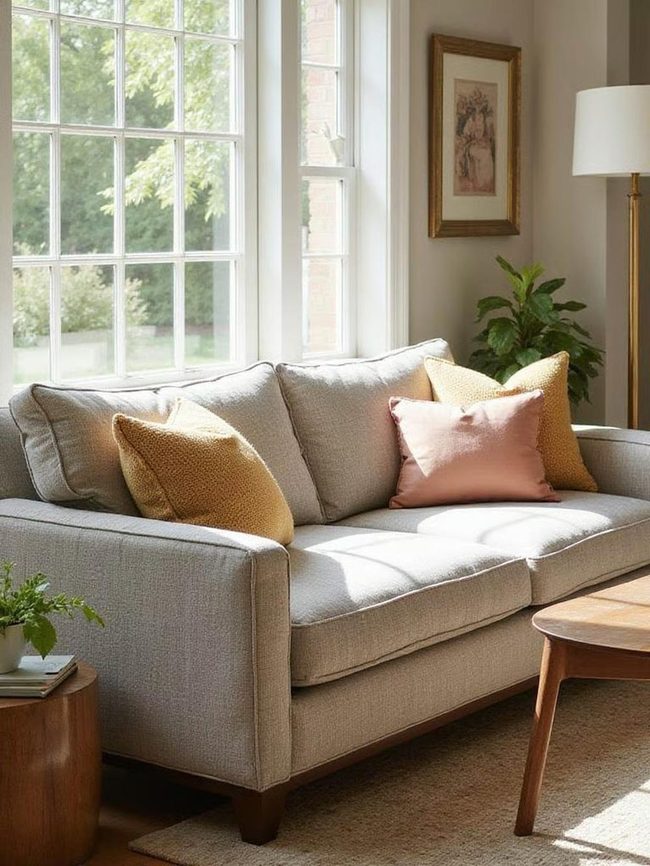
When you're picking fabrics for your sofa and chairs, you're making a choice that needs to work hard for years to come.
Beauty matters, but so does standing up to real life, and that's where space-saving sense and real design beauty have to meet.
In blending British and South Asian aesthetics, I've learned that textiles carry so much weight in a space, yet a delicate hand-embroidered silk that takes your breath away might fall apart under the wear of kids and pets using it every single day.
Modern performance fabrics have shifted dramatically and now deliver serious stain and fade resistance while still feeling natural and delicate to the touch.
High-quality velvet or a tightly woven linen blend gives you that rich, textured quality without sacrificing durability for everyday living.
If you love more delicate or artisanal textiles, reserve them for accent cushions or throws where they belong and where you can maintain them with ease.
Stepping back to see your whole room, these choices layer together to shape the space you're building and ensure it stays as good as it looks.
Mood Board Guide To Connected Interiors
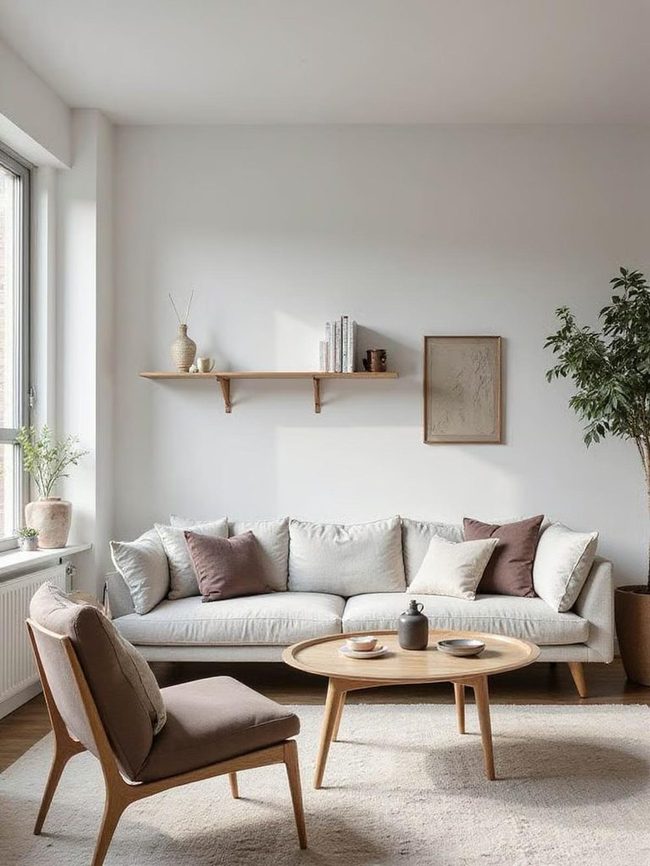
Building a polished room has nothing to do with buying matching sets, and I want to help you move past that old thinking.
What actually matters is selecting pieces from anywhere that all feel connected to the same story, one you define through your own style.
Start by gathering images you love into a mood board and pin everything that speaks to you.
Pretty soon, you are able to spot patterns in what draws you in, maybe it's Scandinavian simplicity with clean lines and natural wood, or perhaps jewel tones layered with pattern in a maximalist way, or warm earthy textures of modern bohemian style.
Once you know your design direction, choosing new pieces becomes so much easier because you have something to guide you.
Let your main furniture like sofas and chairs establish this primary mood, and then bring in other items that either support that feeling or offer contrast as long as they still connect back to your core idea.
Still, we've noticed the most interesting spaces are often the ones that know when to break their own rules.
Marble Nesting Tables With Hidden Storage
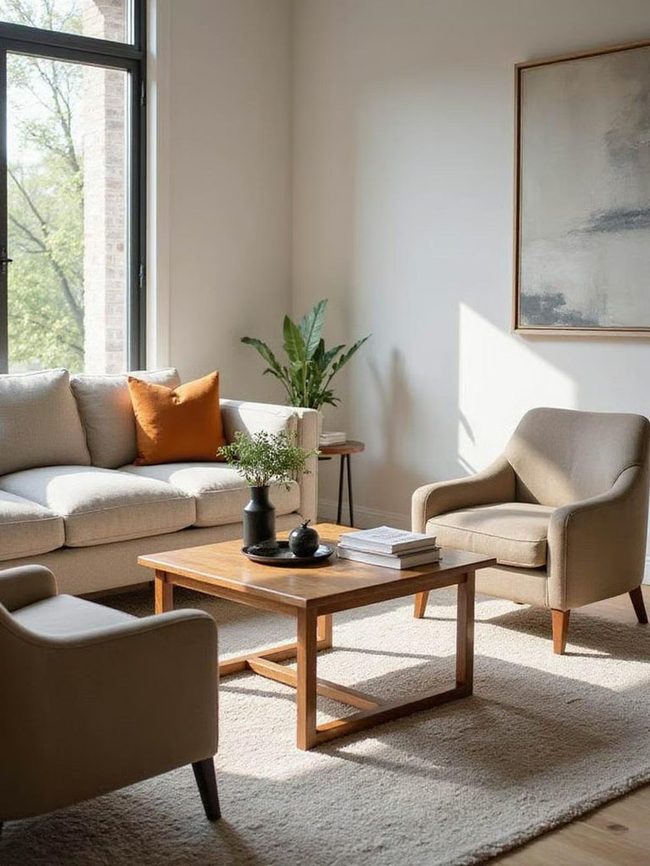
Coffee table sits at the heart of your living room like a modern campfire, serving as the central landing spot for stacked books, resting mugs, and propped-up feet, so it needs to truly earn that prime real estate by matching how you actually live.
If you're constantly juggling remotes and coasters, hidden storage becomes essential, while a minimalist approach might call for nothing more than a beautiful surface holding a vase and a candle.
While tradition suggests keeping the height within a couple inches of your sofa's seat cushions and the length at about two-thirds of the sofa's width, rules can absolutely be bent to suit your space better.
I've had great success swapping one large table for a cluster of smaller ones, mixing nesting marble pieces with an antique wooden table for visual interest and flexibility.
An upholstered ottoman works wonderfully too, softening the entire room while doubling as extra seating when needed.
Whatever you choose needs to feel reachable from every seat in the room and pull everyone together naturally.
Smaller surfaces surrounding this central point make your whole room function even better and give you more places to set things down throughout the day.
Reclaimed Lumber Furniture, Forever Quality
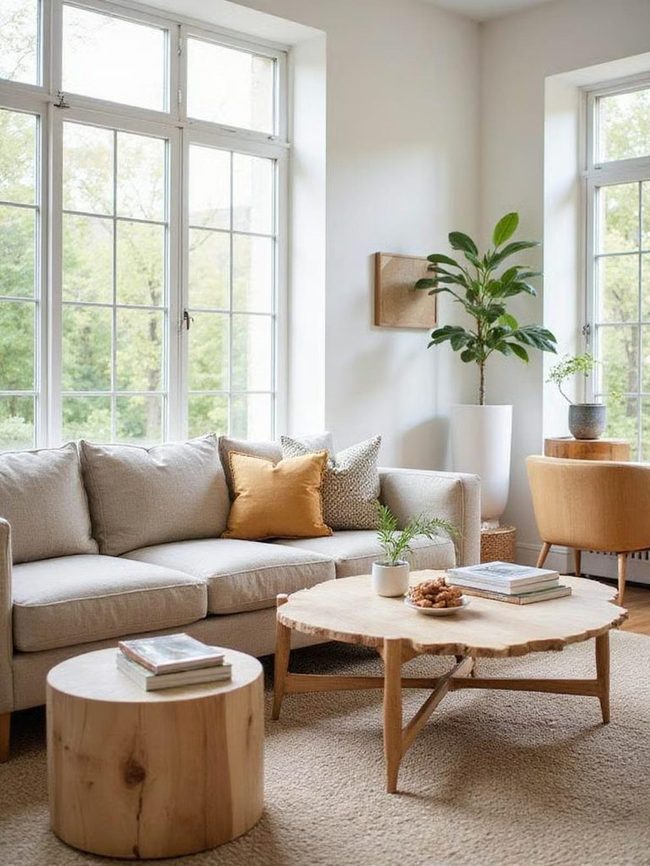
When you decorate your home, thinking about the planet matters just as much as thinking about your style and comfort, and sustainable design goes far beyond a simple label to represent a real commitment to quality, health, and responsible sourcing.
Reclaimed wood and certified sustainably-harvested woods make excellent furniture choices that bring both character and conscience into your space.
Natural, non-toxic materials and finishes improve your home's air quality while keeping harmful chemicals out of your living areas.
Brands and artisans focused on sustainability often demonstrate remarkable dedication to their craft and build pieces that can be repaired and passed down rather than discarded when they wear out.
There's something meaningful about supporting makers who work with the same care and intention that people once invested in all their possessions, creating items meant to last for generations.
In the end, choosing sustainable options usually means you're also choosing better quality and pieces that will serve you well for years to come.
Smart Budget Furniture Priorities
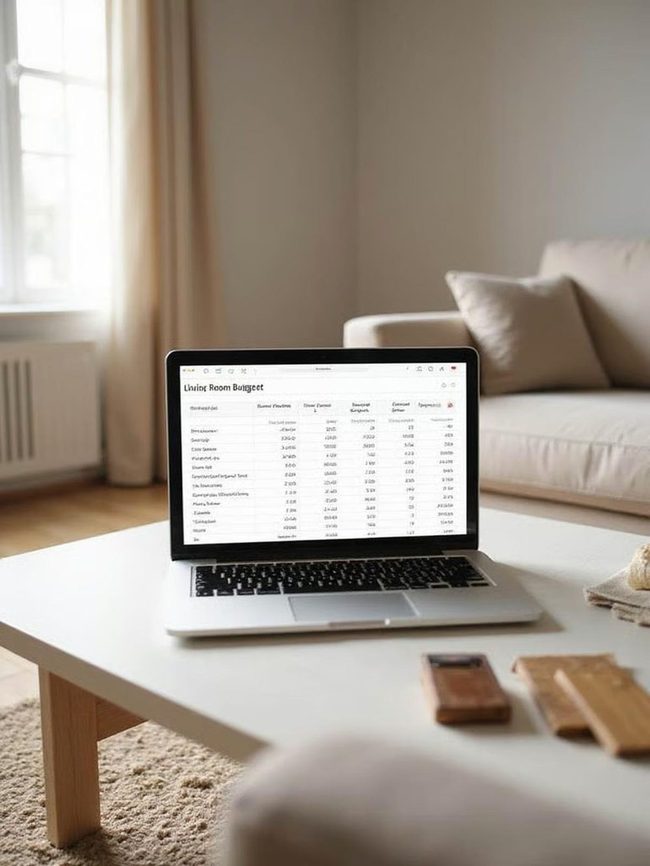
Being honest about money matters, a solid budget works as your guide rather than your cage, and it pushes you to decide what really counts.
Without one, you drift through stores picking up expensive favorites while your wallet empties fast and you end up with almost nothing to show for it.
Put your largest spending toward pieces you sit on and use daily, like your sofa and main chairs, since these items take the most wear and tear.
You can spend less on things like side tables, lamps, and smaller accessories since swapping those out later is simple and affordable.
Build in an extra 10 to 15 percent for surprises, delivery costs, that unexpected vintage find, or life's random needs, and you could shop with calm instead of stress.
Having this plan in place means you know exactly what you're working with and can move forward without second-guessing yourself.
Upholstered Furniture Care Guide
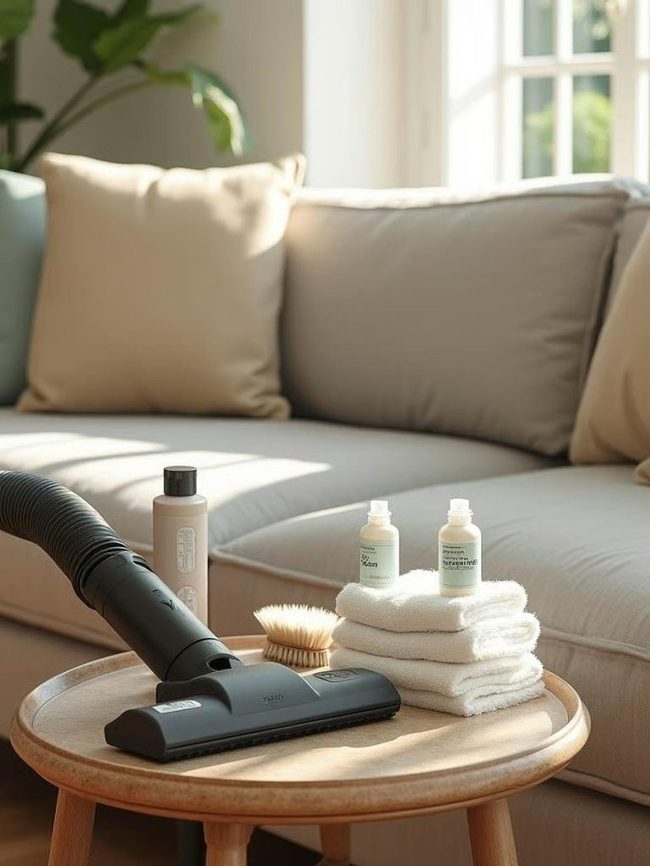
That upholstered furniture deserves regular attention to stay beautiful for years to come, and checking the cleaning code on the tag is your first step, look for "W" if you need water-based cleaners, "S" for solvent-based options, "WS" when either works, or "X" if vacuuming is your only choice.
Following these instructions keeps you from accidentally damaging expensive pieces, so don't skip this part.
Spills happen, and blotting them right away from the outer edges toward the center stops stains from spreading or setting in.
Rubbing actually pushes liquid deeper into the material, so resist the urge.
For delicate fabrics like raw silk or fine embroidery, calling in a professional cleaner is worth every penny since the cost of repairs far exceeds the cleaning bill.
Even the frame and structure of your furniture need similar respect and care to stay sturdy and sound.
Golden Natural Timber Furniture Care Guide
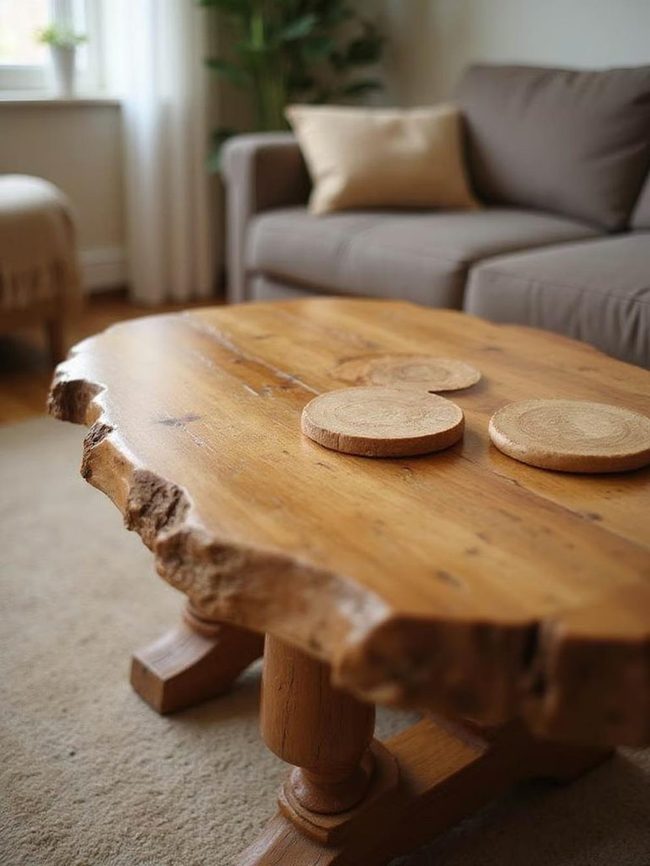
Wood carries a warmth into your home that feels alive and genuine in ways other materials simply cannot match, but since it's a natural substance, protecting it requires some attention to keep it looking its best over time.
Sunlight, heat, and moisture are what damage wood most, so you may want to safeguard against these three enemies.
Coasters and placemats might seem like small gestures, yet they stop water rings and heat stains from etching into the finish permanently.
Position your darker woods like Sheesham or Walnut away from direct sun, as they fade more easily than lighter varieties.
Dust along the grain with a soft, dry cloth regularly, and every few months apply a quality wax or polish made for your wood's specific finish.
Wood pieces that receive this kind of consistent care don't just age, they develop deeper character and richness, showing the beauty of genuine use and thoughtful maintenance over the years.
Smart home technology continues to evolve, and our furniture is becoming part of that innovation as well.
Carved Grain Sculpture Anchors Minimalist Space
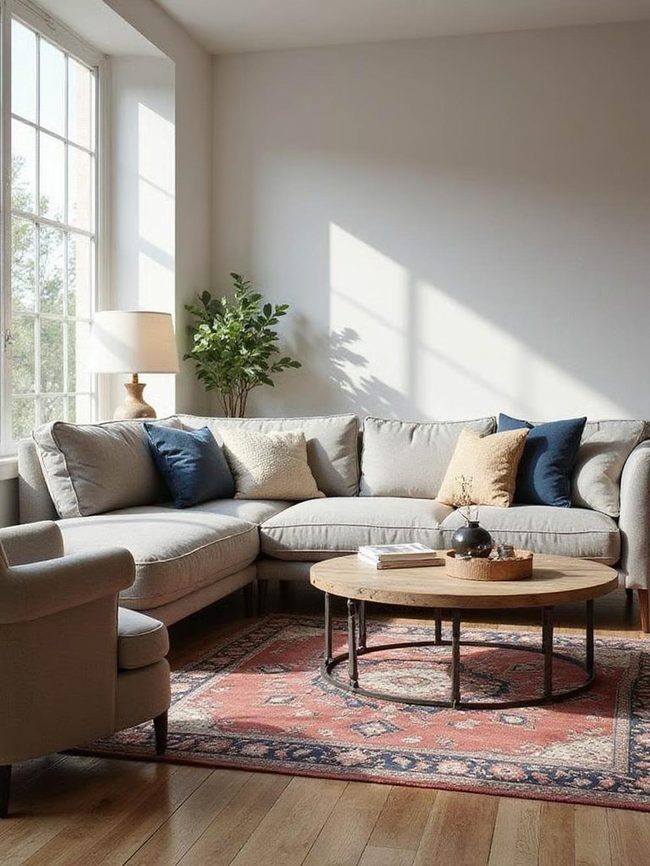
Mixing styles is what gives a room depth and personality, and it's honestly one of my favorite parts of decorating because it makes a space look collected and lived-in rather than bought all at once.
An ornate carved piece like an Indian jharokha can anchor a minimalist room if you keep everything else simple, think white walls and natural linens that let the sculpture shine as the main attraction.
You can pair a polished modern sofa with rustic reclaimed wood tables when they share a similar low profile, or combine a classic armchair with a contemporary glass coffee table if a consistent color in the rug underneath ties them together visually.
What makes this work is finding that unifying element, whether it's a color, a texture, or a shared shape language.
Balancing different styles takes some thought, but once you understand how pieces can speak to every other, you can see how easy it becomes.
That said, mixing styles smartly also means being realistic about your budget and what you can actually afford.
Sofa Back Creates Natural Room Division
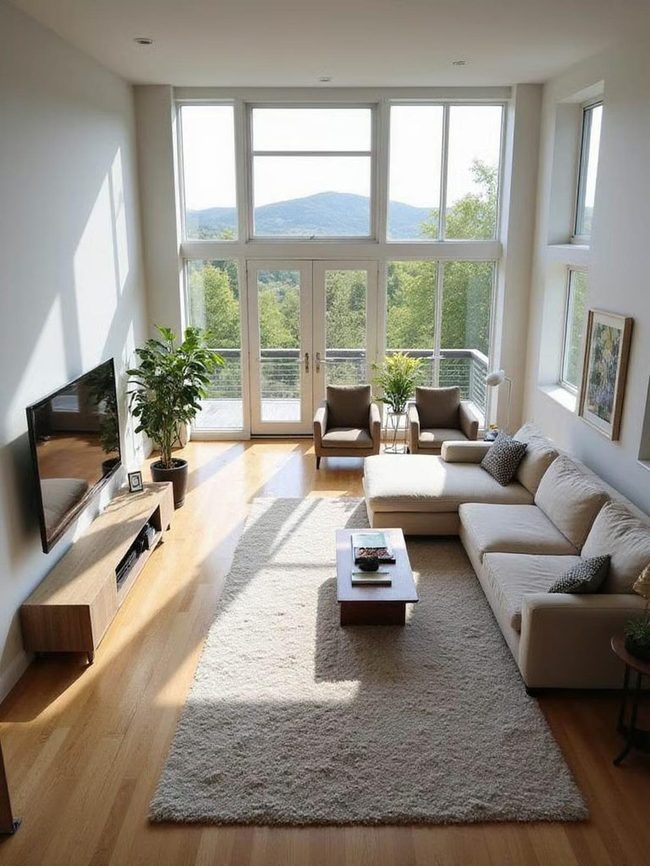
Oversized open-plan living areas can feel empty and unwelcoming without some smart planning, so breaking them into distinct zones is the way to go.
Positioning the back of a sofa acts like an invisible wall and separates your main seating arrangement from a quiet reading spot by the window, and a console table behind it strengthens that division even more.
One large area rug grounds the seating zone and signals where people naturally gather, while another smaller rug in a different corner marks off an intimate retreat with a single chair, side table, and standing lamp for reading or relaxing.
Don't forget that you need clear pathways throughout the room so movement feels natural and unobstructed.
Furniture placement does the heavy lifting here, and rugs are your secret tool for making boundaries feel real without walls.
Layering these elements together a sprawling space into multiple relaxed areas that still feel open and flowing.
You end up with a room that feels both spacious and warm at the same time.
The key is balance, enough separation to define purpose, enough openness to keep the room breathing.
Lift-Top Coffee Tables Transform Spaces
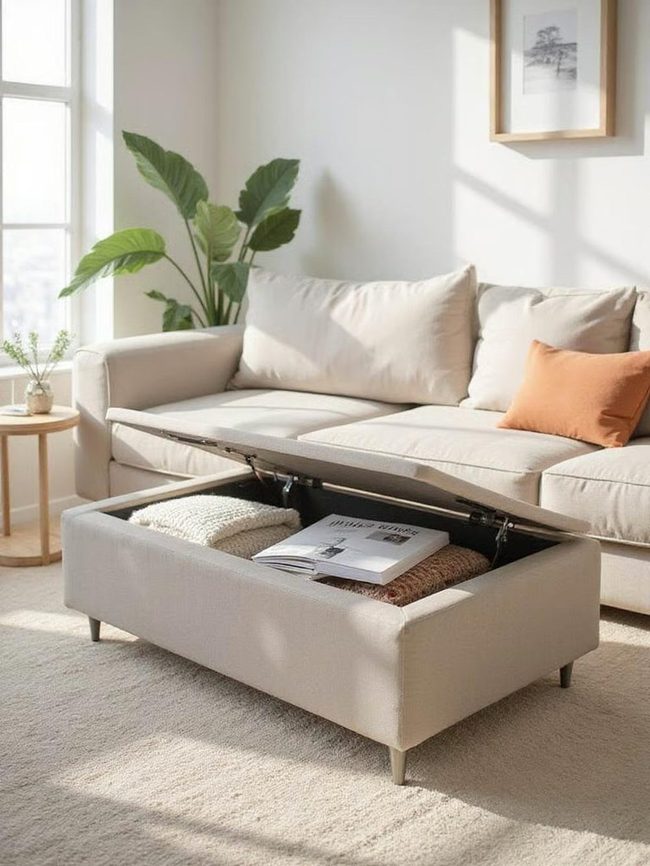
In modern homes, especially in cities where space is a luxury, every piece of furniture has to earn its keep, and multifunctional design isn't just a clever gimmick but a smart response to how we actually live.
Lift-top coffee tables that rise to become dining or work surfaces work well for small-space living and keep your room flexible.
A bench at the foot of your sofa can hold books and magazines on a lower shelf while offering extra seating when you need it.
These pieces let your room shift from a relaxing lounge to a workspace to a dining area depending on what your day requires.
When you're shopping for these pieces, pay close attention to how the mechanism feels and moves.
It should operate smoothly, feel sturdy under your hands, and hold up to regular use over time.
Beyond your own space, the choices we make about how we furnish our homes ripple outward and matter more than we might think.
Open Pathways Define Home Flow
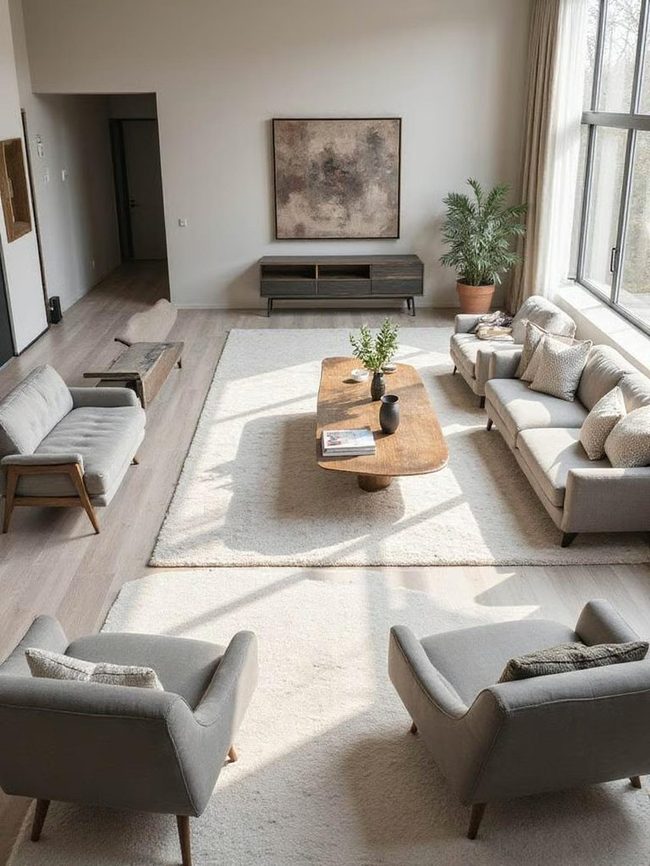
Envision aself walking through a home and recognize how people naturally move from the entryway to the sofa and then toward the kitchen, these invisible pathways are really the lifeblood of how a space functions and feels.
When these routes get blocked or squeezed, the whole room starts to feel awkward and uncomfortable to be in.
You will want to keep a main traffic lanes open and roomy, ideally at least 30 to 36 inches wide, because no one should have to turn sideways just to pass by a coffee table or navigate around a furniture.
Arranging a pieces so they guide visitors around a seating areas instead of straight through them makes a huge difference in how welcoming and spacious a home feels.
This kind of thoughtful planning about movement keeps a seating zones private and intimate while making the entire space flow naturally.
When people can move freely without obstacles, a home instantly feels more gracious and comfortable.
Now that we've covered how a furniture is positioned in the room, let's dive into what that furniture is actually made of, the upholstery.
Jaipur Blue Diwan Measurement Reality
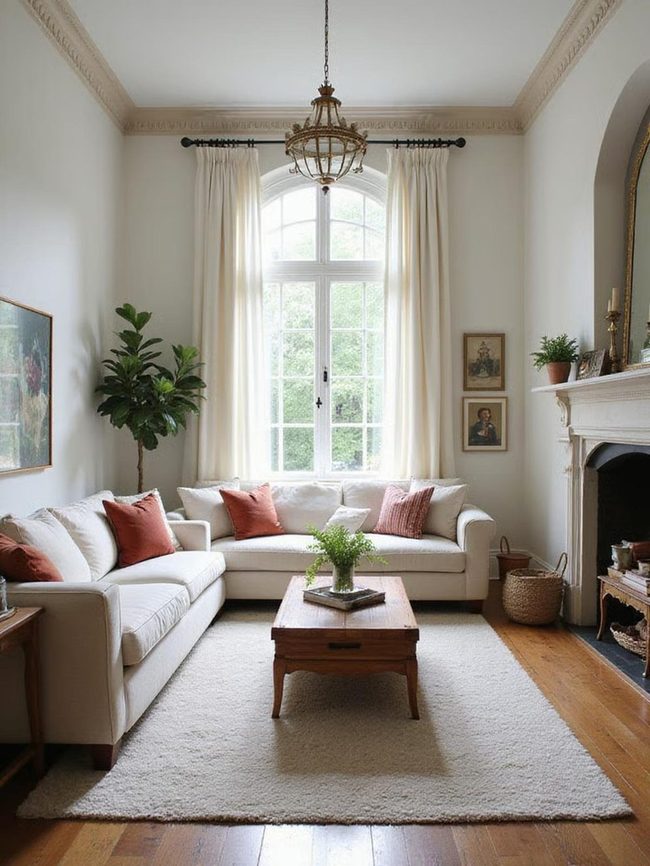
Before you fall in love with a velvet sectional or a brass-inlaid console, start with the single most unglamorous with a more most atmosphere essential tool in design: the tape measure.
Getting measurements right is the difference between a room that flows and one that feels like a frustrating puzzle with pieces that don't fit.
I once worked with a couple who ordered a spectacular Jaipur-blue diwan-style sofa that couldn't make the tight turn on their narrow Victorian staircase, a heartbreaking and expensive lesson in logistics.
So measure not just the room, but every doorway, hallway, and corner on the path to it.
Use painter's tape on the floor to mock up where a sofa or table will sit, and walk around it to feel how the space actually works.
This simple, functional step might sound boring, but it's the foundation that gives you complete creative freedom.
Once you finish this important groundwork, you're ready to think about what really matters in the room.
Wooden Chest Double-Duty Furniture
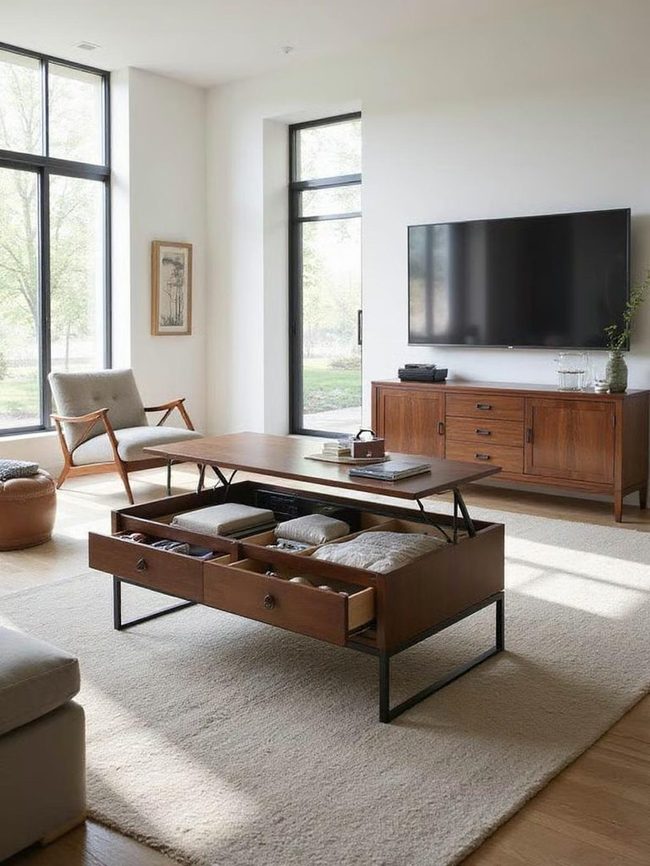
Clutter pulls away from any sense of calm, but homes need space for the things you actually use and live with every day.
Rather than hiding everything away, look for furniture that serves double duty and handles storage while looking beautiful in your space.
A carved wooden chest works wonderfully as a coffee table and holds extra blankets and pillows inside.
Wall-mounted sideboards bring dining room sophistication into living areas and give you places to stash board games, albums, or bottles for when people visit.
Open shelving with baskets tucked underneath keeps things organized without looking messy.
Sometimes the smartest solution is also the most straightforward one.
When you think about eachpiece, consider not just what it is but what it can actually do for your daily life.
This approach to storage means your home stays calm and functional at the same time.
Deep Seating Defines Living Room Life
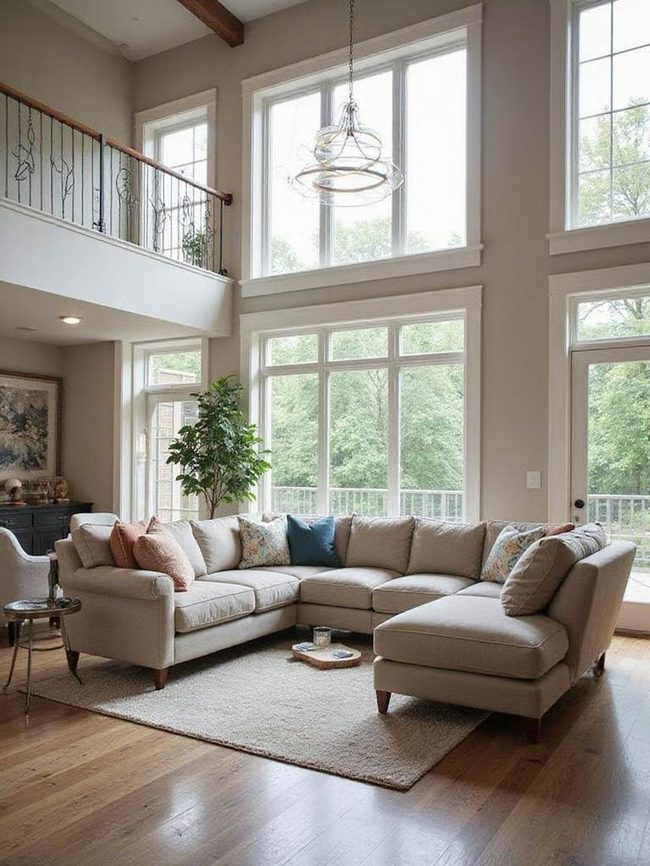
Sofa sits at the heart of your living room, serving as the anchor that everything else revolves around.
Choosing the right size goes beyond fitting it against a wall because you're really shaping how people will interact in that space.
Do you want a setup for close, intimate conversations, or something sprawling where your family can stretch out during movie nights?
Proportion matters quite a bit, and a good baseline is letting your sofa take up roughly two-thirds of the wall behind it.
Here's where your personal style and how you actually live come into play.
A traditional British Chesterfield encourages you to sit upright and engage differently than a low, deep sofa that lets you sink in and lounge like a communal diwan.
Seat depth shifts the whole feeling because a deeper cushion says "stay and get comfortable," while a shallower one reads as more formal and structured.
Neither option is better than the other, but picking one means choosing the lifestyle you want in that room.
Once your sofa is in place, it's the other pieces around it that bring in personality and make the space truly yours.
Dark Mango Teak Entertainment Console
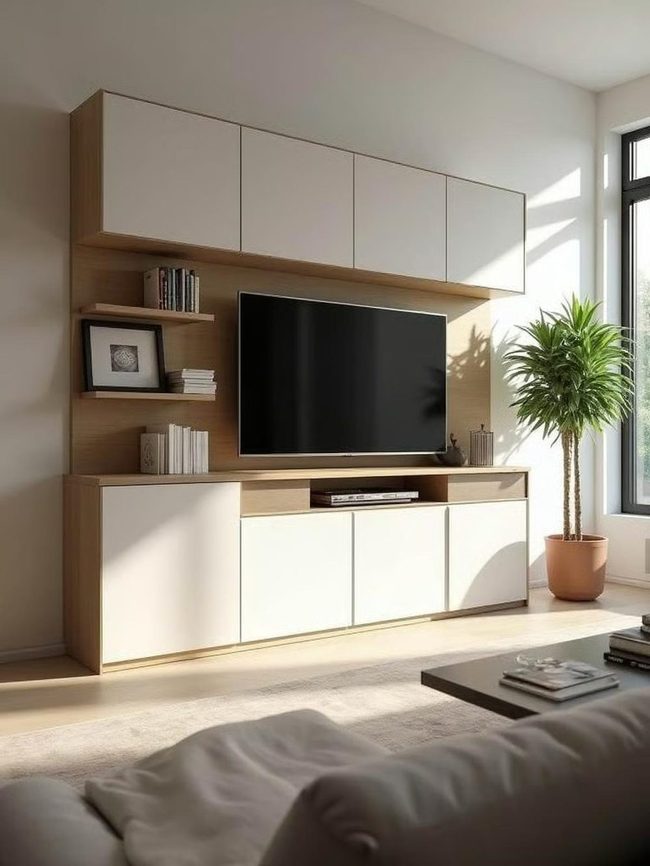
Since we're all honest about it, the television is probably a big part of your daily life, and rather than pretending it isn't there, you can make it look measured and beautiful with the right media unit.
A well-selected entertainment console serves as a visual foundation for your TV and prevents it from seeming like something you just stuck in as an afterthought, while also hiding away all those tangled cables, gaming systems, and remote controls that would otherwise clutter the space.
Look for pieces that combine both open and closed storage options so you can display your favorite books, trailing plants, and ceramic treasures on open shelves while keeping everything else behind doors.
Design touches like slatted fronts or cane webbing add nice texture to the piece and still let remote signals pass through plus allow air to circulate around your electronics.
One project I worked on used a long, low console in dark mango wood that looked modern and clean but had a rich, varied grain pattern that gave the whole setup warmth and prevented the technology from feeling cold and impersonal.
Beyond just storing your entertainment gear, good organization in your room helps everything feel calmer and more peaceful.
Mid-Century Teak Bookshelf Discovery
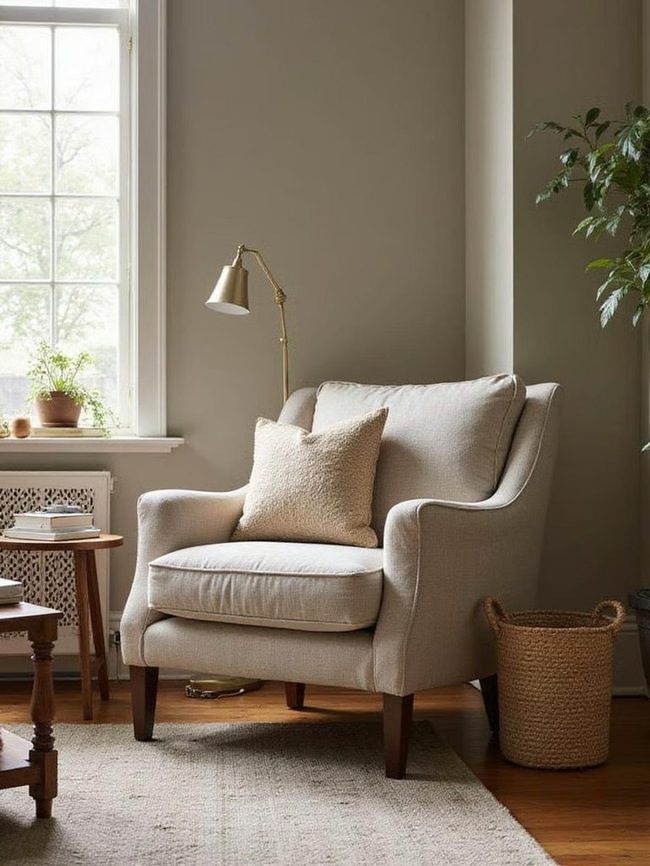
Discovering quality furniture at bargain prices delivers a rush that's hard to match, and you can make it happen by being smart about your search.
Stores follow predictable sales cycles, with major holidays in spring and late summer offering the best clearance deals as they make room for fresh inventory.
Beyond mainstream retailers, antique markets and consignment shops hold incredible treasures if you're willing to look closely.
Online marketplaces expand your options even further, connecting you to unique pieces from all over.
One of my most cherished belongings came from an auction, a mid-century teak bookshelf originally from an old government office in Chandigarh, and it holds far more personality and history than anything mass-produced could offer.
You might need to invest some time in restoration work, but owning something with a real story and character makes the effort worthwhile.
Once you've brought these beautiful finds home, protecting and maintaining them becomes essential so they continue to shine for years ahead.
Four Functioning Teal Leather Ottoman
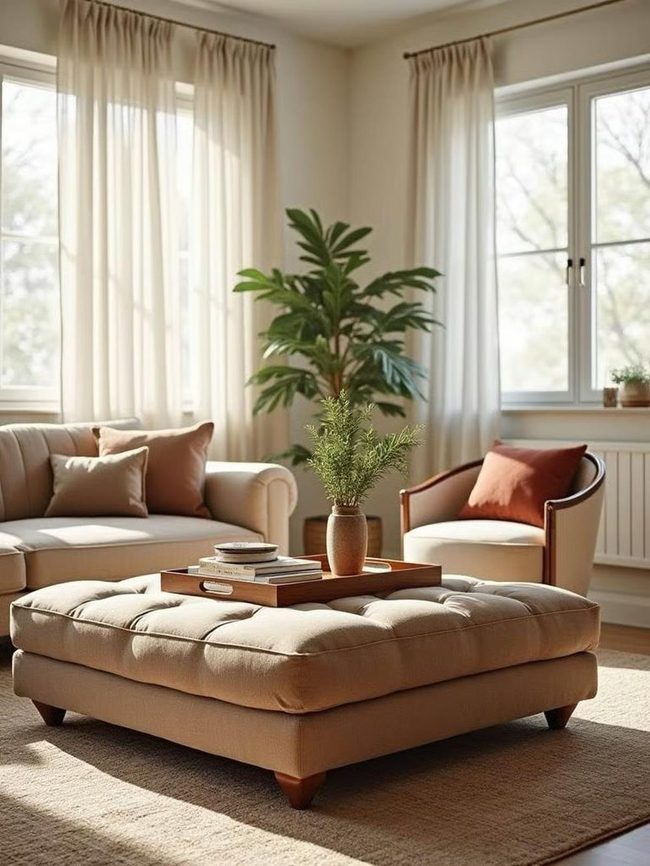
If there's a multitasking champion in furniture, it has to be the ottoman, and you will find it works as a footrest, an extra seat, a coffee table when you top it with a tray, and often a storage chest all in one.
Its flexibility makes it essential in modern homes where rooms need to shift and adapt throughout your day.
A large square upholstered ottoman in a rich color or bold pattern becomes a soft centerpiece that works especially well in homes with small children since there are no sharp corners to worry about.
For a global feel, a Moroccan pouf made of worn leather brings instant texture and a relaxed bohemian vibe to your space.
When you're shopping, think about how firm you want the top to be, something firmer works better if it's doing double duty as a coffee table, while a softer ottoman suits pure lounging.
How you arrange all these pieces matters just as much as the pieces themselves, so consider both function and style as you bring everything together.
Peacock Blue Velvet Statement Chair
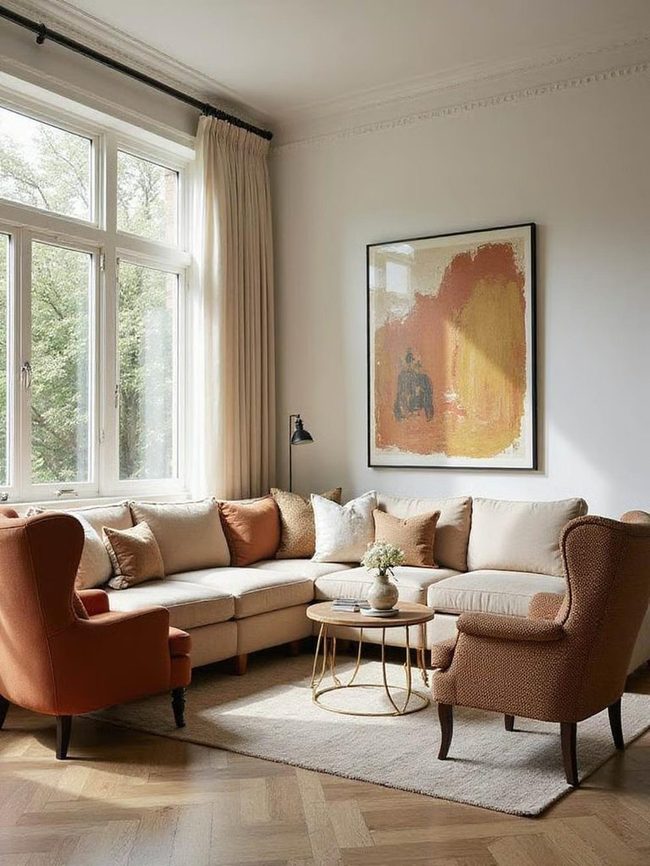
Accent chairs let you play with bold colors, unexpected textures, and interesting shapes that might feel like too much on a sofa, so think of them as sculptural elements that punctuate your room's design rather than just extra spots to sit.
You don't need these pieces to match your main seating, and often they look better when they don't, which gives you permission to bring in that striking peacock-blue velvet cocktail chair or a pair of low-slung rattan loungers that hint at colonial style.
Hand-blocked kalamkari or ikat fabrics turn a simple chair into functional art that speaks to your personality.
Scale matters though, so the arm height should feel comfortable next to your sofa even if the shape looks completely different.
Once you've sorted out your seating, the next step is finding something to anchor the space where everyone naturally gathers.
Michael Thompson
Senior Content Editor
Expertise
Content Strategy Development, Editorial Team Leadership, Home Décor Trends & Style Curation, Digital Storytelling for Interior Design, Quality Assurance in Publishing
Education
University of Missouri, Columbia
University of Texas at Austin
Michael Thompson is the senior content editor at Decorrio, bringing over 12 years of experience in journalism and home décor writing. With a journalism degree from the University of Missouri and a master’s in English from UT Austin, he blends storytelling with expert design insights.
At Decorrio, Michael curates inspiring content that helps readers transform their spaces with style and ease. He’s passionate about home organization, DIY projects, and quality design ideas that make everyday living more enjoyable.
Outside of work, Michael enjoys exploring Austin’s culture, tackling home improvement projects, and mentoring aspiring writers.