
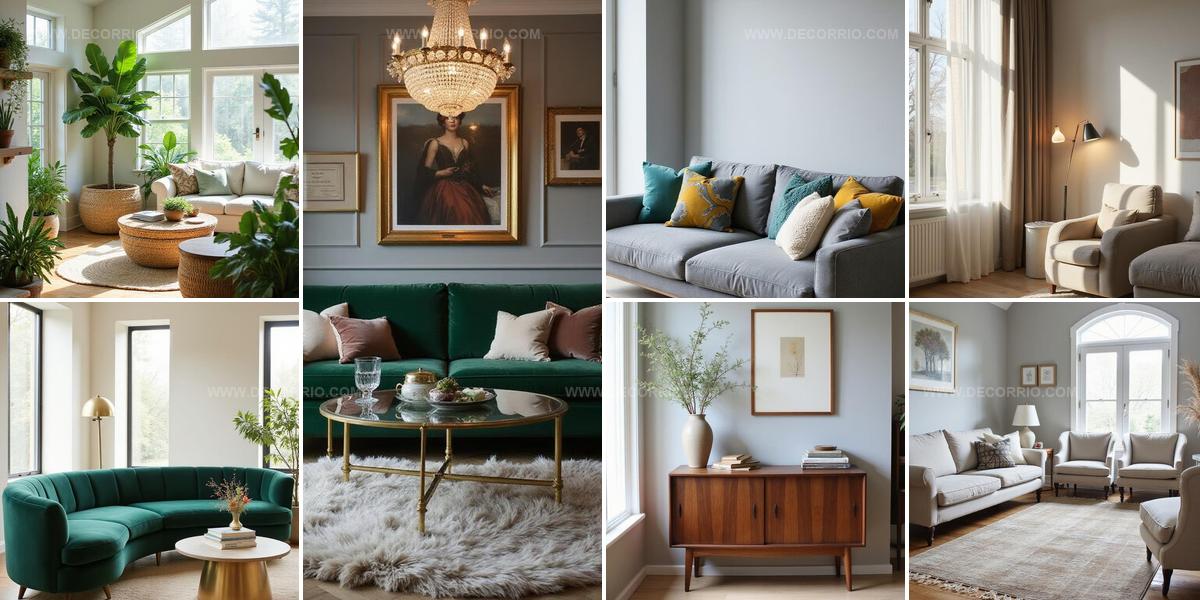
22 Furniture Ideas That Refresh Your Living Room
Living room furniture inspirations can completely reshape how you experience daily moments at home.
The right pieces establish comfort while reflecting personal style in ways that feel both inviting and authentic.
Finding furniture that balances function with aesthetic appeal sometimes feels overwhelming with so many choices available today.
Quality selections make spaces where families gather, conversations flow, and relaxation comes naturally after long days.
Well-chosen items anchor a room's design while providing practical solutions for storage, seating, and display needs.
Fresh approaches to arrangement and selection help create environments that genuinely feel like yours rather than following rigid design rules.
Beautiful, functional spaces are within reach when you consider options that align with how you actually live.
Layered Global Patterns With Natural Textures
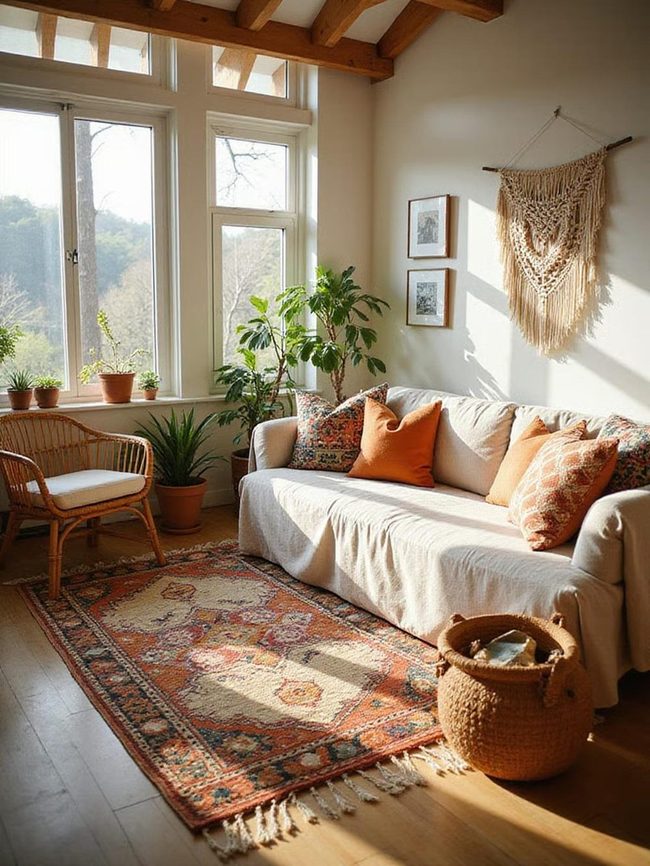
Moroccan rugs layered with Indian throws and macramé wall hangings rich tactile experiences that define bohemian living rooms, while floor cushions and poufs scattered around low-slung furniture encourage casual gathering and relaxed comfort.
Natural materials like rattan, bamboo, and reclaimed wood bring organic warmth throughout the space, and plants reinforce your connection to nature while adding life to every corner.
Pattern mixing becomes an art form here, with florals, geometrics, and global motifs coexisting in high-energy harmony without feeling chaotic or overwhelming.
To keep mixed patterns and textures from clashing, establish a consistent color story, perhaps jewel tones or earth hues, that threads through diverse elements and s harmony amid variety.
Varying pattern scale prevents visual competition; a large-scale floral works well with a small-geometry when they share color notes, while solid textures like velvet pillows provide breaks between patterned pieces.
Start with larger neutral pieces like sofas and rugs, then layer pattern through smaller items to build the look gradually.
Oak And Walnut Furniture Ages Beautifully
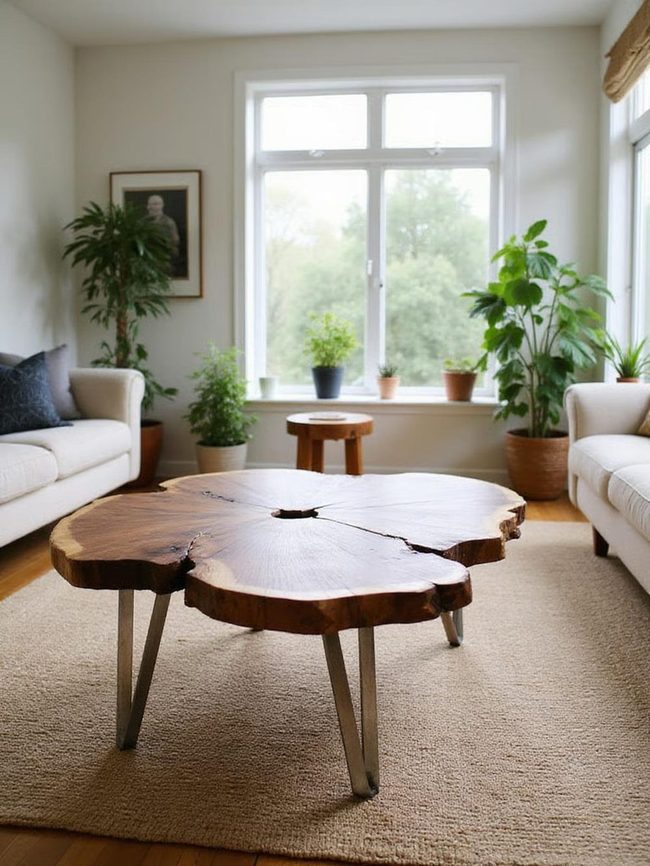
Wood furniture brings timeless warmth that manufactured materials simply cannot match, and throughout piece carries its own unique story through grain patterns that nature creates like fingerprints.
Oak offers prominent grain and exceptional durability, making it perfect for coffee tables and dining surfaces that handle daily use and work demands.
Maple's smoother, more uniform surface suits contemporary spaces where you want muted natural elements without overwhelming the room.
Walnut brings rich chocolate tones that add sophistication and depth, while cherry develops a distinctive patina over time and actually improves with age, a rare quality in our disposable world.
Wood's remarkable versatility means it works across any style, from rustic to refined, so it stays relevant as trends shift and change.
In artist studios particularly, wood's organic warmth balances the sometimes clinical nature of creative tools, and these living materials respond to their environment by developing character that reflects your space's history.
When you're selecting pieces, consider how wood will age in your specific space since some species darken with sun exposure, and mixing different wood tones gives you a collected rather than matched appearance.
Looking for sustainable harvesting certifications when purchasing new wood furniture helps you feel good about your choices.
Reclaimed Lumber And Stone Retreat
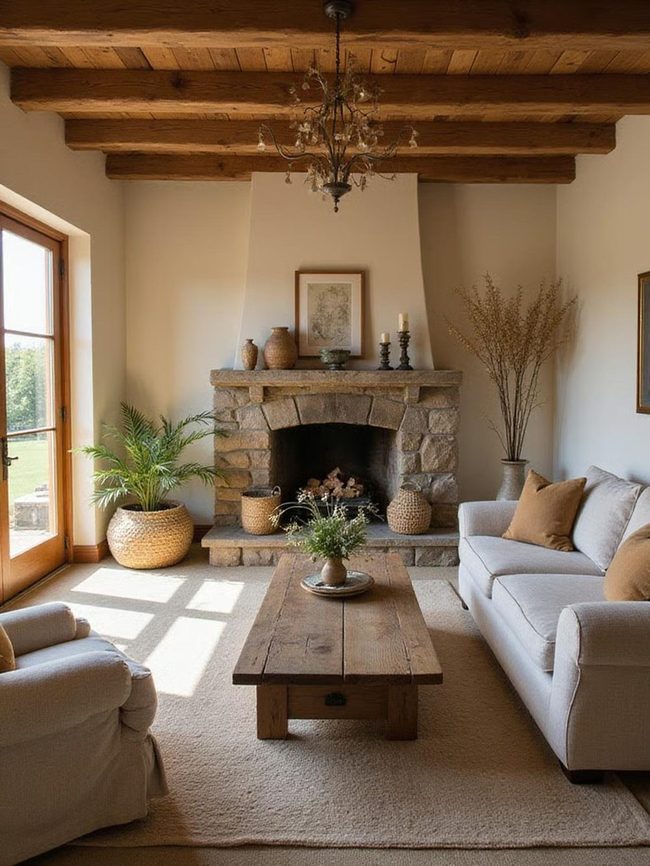
Rustic retreat living rooms draw you in with natural wood and stone surfaces that show their age and texture, while warm earth-tone colors and neutral palettes echo the comfort of natural landscapes, and you can find the real soul of the space in architectural small touches like exposed beams or stone fireplaces that anchor everything with genuine character.
Comfortable, generous seating with overstuffed cushions and diffused fabrics invites you to settle in for hours, and the unpretentious welcome of these spaces works well for artists seeking rest from intensive creative work since they encourage both lingering conversations and quiet moments alone.
Reclaimed wood brings particular charm through its patina, nail holes, and weathering marks that every tell a story of history and authenticity, while pine offers casual warmth with its knots and grain variations, oak provides timeless strength with distinctive patterns that grow richer over time, and cedar adds both visual warmth and pleasant scent to enhance the sensory experience throughout the room.
You can balance the sometimes cerebral nature of creative work by grounding the space in tactile reality through these wood choices, which meaningful connections to nature and remind us why we love handcrafted environments.
Velvet And Gold Statement Living
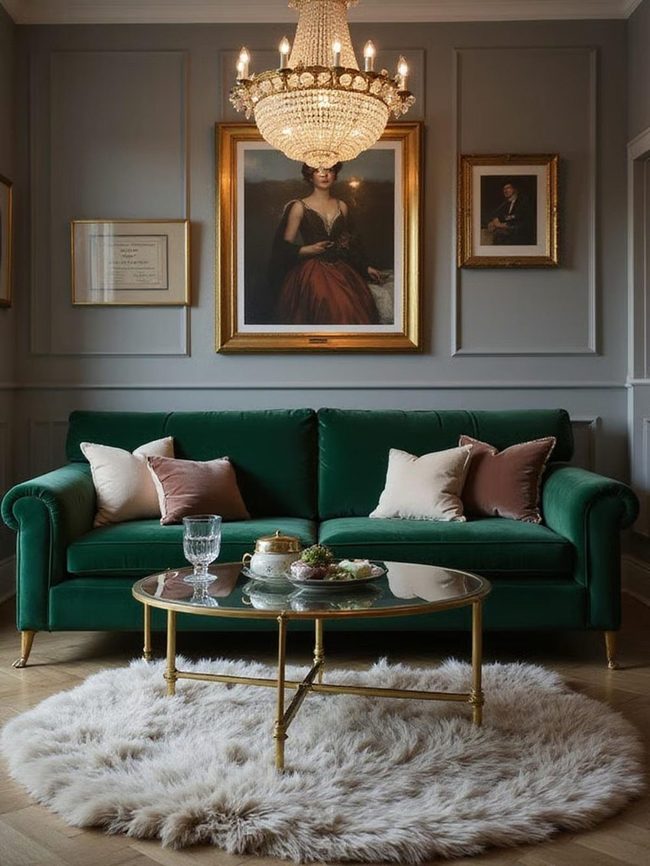
Luxurious velvet upholstery refreshes ordinary furniture into striking statements through its light-catching pile that creates remarkable depth and richness, making it supreme for glamorous living rooms where even simple forms become something special.
Silk in pillows or drapery adds a luminous sheen that shifts subtly as daylight moves across your space throughout the day, while faux fur introduces textural drama and tactile pleasure in throws and accent pillows that people enjoy touching and experiencing.
Metallic accents work best when you select just one primary tone per room, gold for warmth, silver for coolness, or brass for vintage appeal, and position them as jewelry for your space through lamp bases, picture frames, decorative objects, and furniture legs rather than large-scale applications.
Mirrors with metallic frames amplify light and bounce metallic reflections around your room in dynamic ways that shift as you move through the space, and combining metallic finishes with matte textures creates balanced contrast that keeps things feeling sophisticated rather than overdone.
Narrow Profile Finds Solutions For Small Spaces
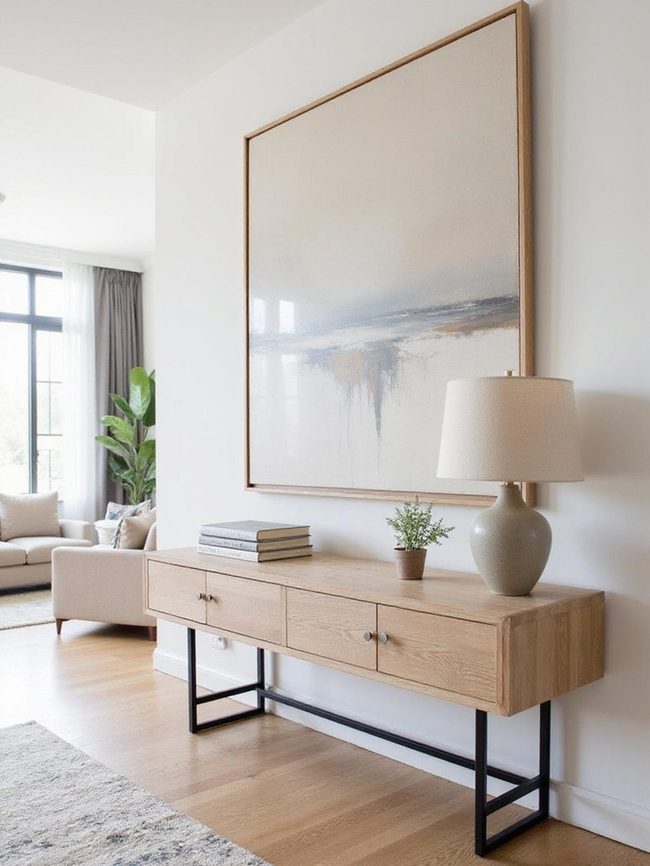
Console tables solve multiple design problems at once and look great doing it.
In studio apartments, they work beautifully as room dividers that let you separate living and working areas without needing actual walls.
Open floor plans benefit from consoles because they mark a clear boundary between your entryway and the rest of your home.
You will love how they catch all your daily clutter, keys, mail, bags, and keep these things from spreading across your creative spaces.
Living room walls that seemed empty suddenly become useful display areas where you can rotate your art collections.
Console tables shift their style depending on what you need: sleek metal and glass versions almost disappear in modern spaces and let the function shine through, while vintage consoles with worn finishes bring character and history into eclectic rooms.
Smaller spaces benefit most from consoles that include storage like drawers for supplies or hidden compartments for things you'd rather not see.
Since console tables have a narrow profile, they fit into tight corners and hallways where standard furniture just won't work.
Round Ottoman Gems Solutions Furniture
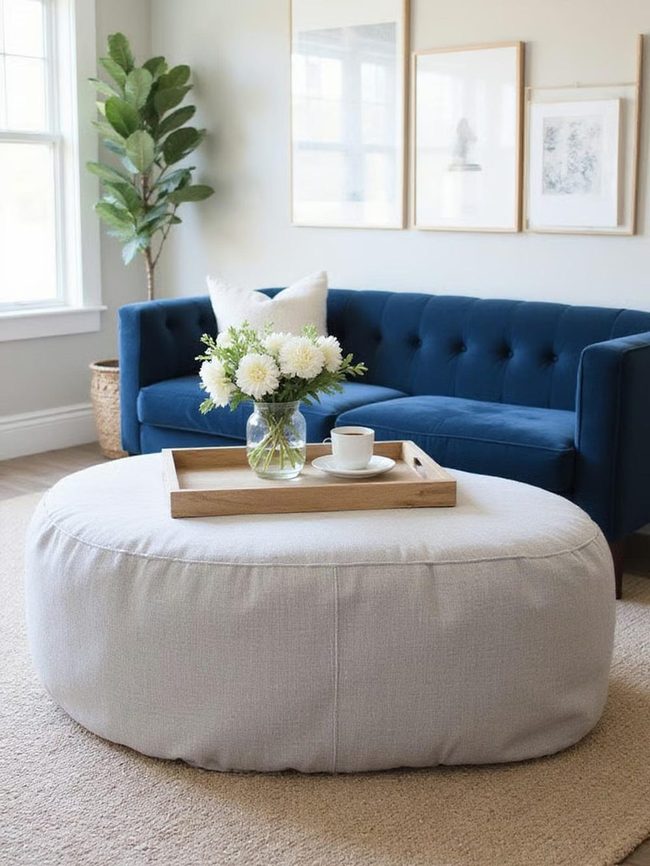
Ottomans might be the hardest working furniture you can bring into a living room, and their ability to shift from seating to footrest to impromptu table makes them invaluable in spaces where flexibility matters most.
Round ottomans en rooms dominated by rectangular furniture and add visual balance to your layout.
Storage ottomans perform double-duty by hiding art supplies, extra bedding for overnight everyone, or seasonal items while still serving as functional seating or a surface for drinks and books.
Style options range from traditional tufted versions that bring classic elegance to formal spaces, to pared-back leather cubes that complement contemporary aesthetics, to poufs in textural fabrics for bohemian studios that add warmth and informality.
When you need ottomans that move frequently, consider ones with casters built in for easy repositioning.
In studios where art-making happens, look for washable covers so you don't worry about spills and stains.
Raw Metal Contrast Small Surfaces
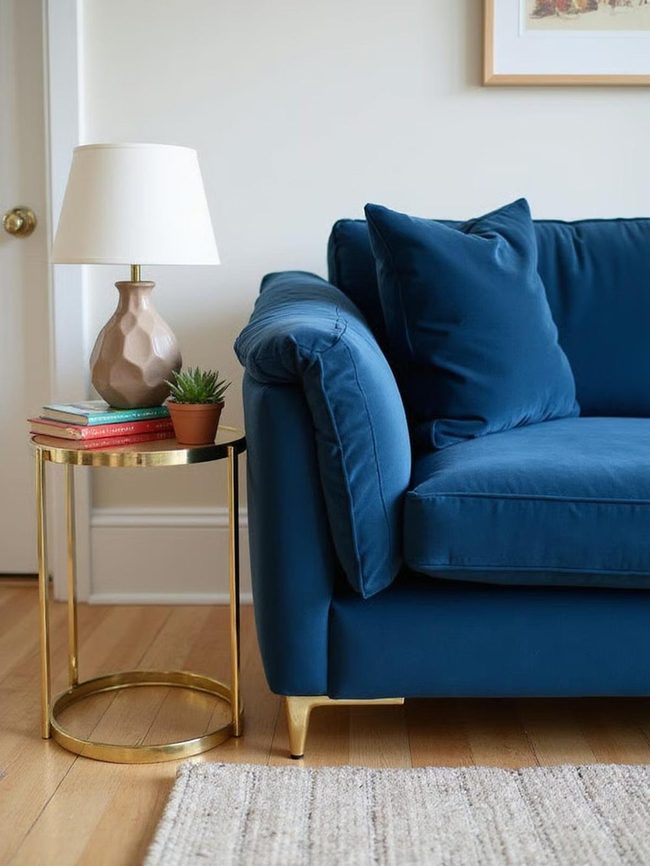
Side tables might seem minor, but they pack serious design punch when you get the height right, aim for within three inches of your seating's arm height so reaching for your coffee feels natural and not awkward.
Nesting tables work wonderfully in tight artist studios because they expand when you need extra surface for creative projects and collapse back down when square footage matters.
Beyond function, these small surfaces let you introduce materials that would feel overwhelming on bigger pieces, like pairing a plush velvet sofa with a raw metal table for striking contrast or softening a room of hard lines and clean surfaces with curved, organic shapes.
C-tables that slide under sofas free up floor space in compact spaces, and you can find height-adjustable options if you need flexible work surfaces or ones with built-in lighting for dual duty.
Honestly, of side tables as personality pieces in minimal rooms, a vintage find with history or a sculptural object that doubles as art reworks these small stages into spots where you tell your story through the objects you display.
Console tables shine in those in-between spaces and hallways, working as both functional surfaces and style statements that tie a room together.
Green Leaves Sharpen Creative Focus
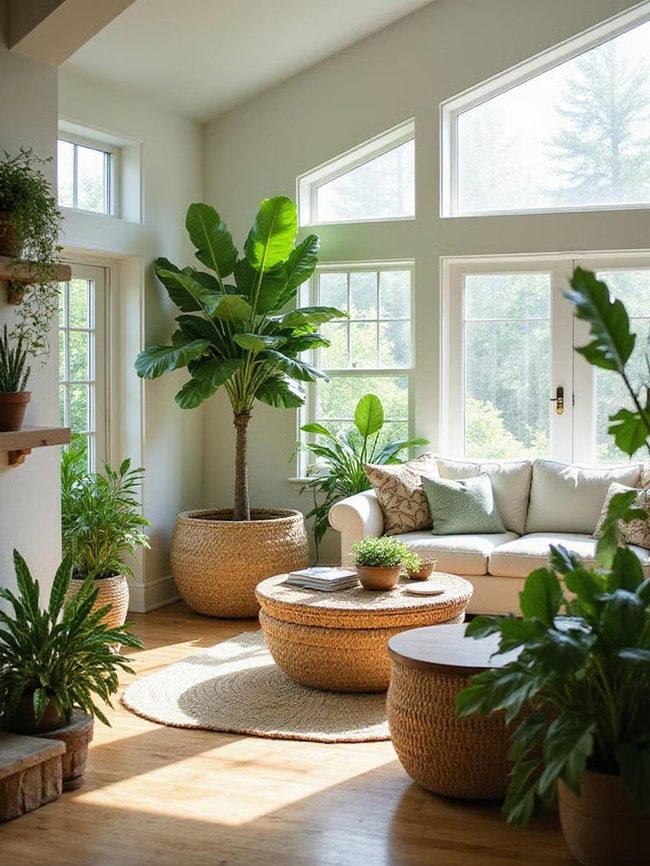
Plants do far more than sit in corners looking nice, they genuinely improve how your space feels and functions.
Beyond cleaning the air of toxins that art materials release, plants lower stress and sharpen your focus in ways that matter for both creative work and everyday life.
What makes them so powerful visually is how their organic, flowing shapes break up the rigid lines of furniture and walls, bringing movement and understatedness into rooms that would otherwise feel static.
Snake plants handle neglect beautifully and work in low light, while ZZ plants add glossy texture without demanding much care, and pothos vines cascade down shelves and walls with minimal fussing.
Succulents give you sculptural forms that pair well with modern spaces if you have open windows.
Grouping plants at different heights keeps the eye moving around your room, and positioning them near where you work means you get better air quality right where you need it most.
Matching what you choose to your actual light and how often you remember to water makes the difference between plants that thrive and ones that disappoint, so be honest about what your space and schedule can really handle.
Patterned Pillows Layer Living Rooms
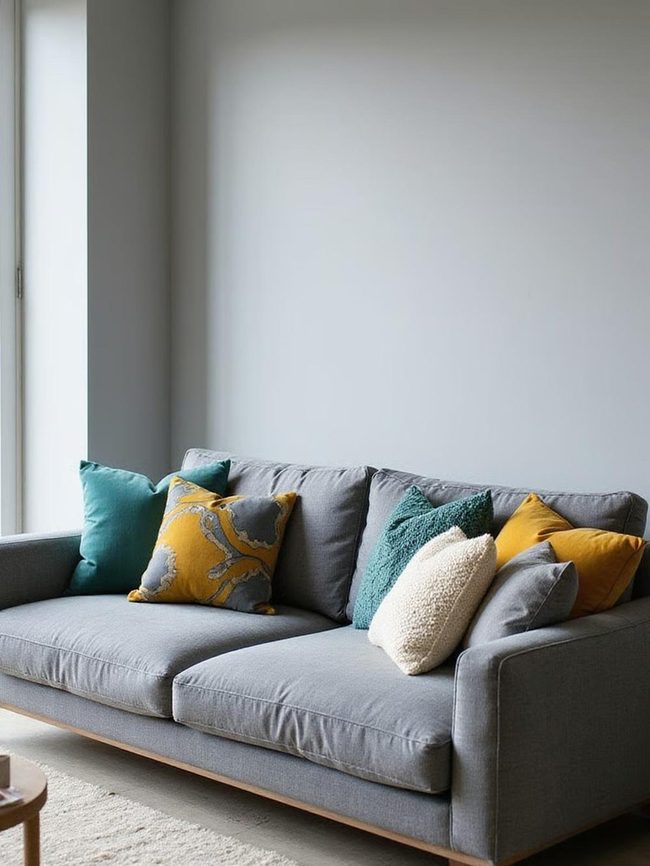
Stacked pillows in various patterns and textures build the most eye-catching element on any sofa, so it makes sense to start your decorating there.
Getting the number right means balancing what your sofa needs with how you actually use the space, a studio sofa that serves as client seating works well with three to five pillows, while a living room dedicated to relaxation can handle five to seven without feeling cramped.
Mixing patterns, textures, and sizes is where things get interesting and fun.
Start by choosing a color story, maybe pulling inspiration from a nearby painting or artwork, then play with different pattern sizes like pairing a large geometric print with a medium floral and a small textured piece to build visual rhythm.
Don't forget about tactile variety either, velvet next to linen next to knit keeps things dynamic and engaging.
One solid pillow always helps ground the arrangement and gives your eyes a place to rest between all the pattern.
For spaces where creativity happens and accidents occur, zipper covers make washing easy and keep your setup looking fresh.
Layered Lighting Elevates Living Room Depth
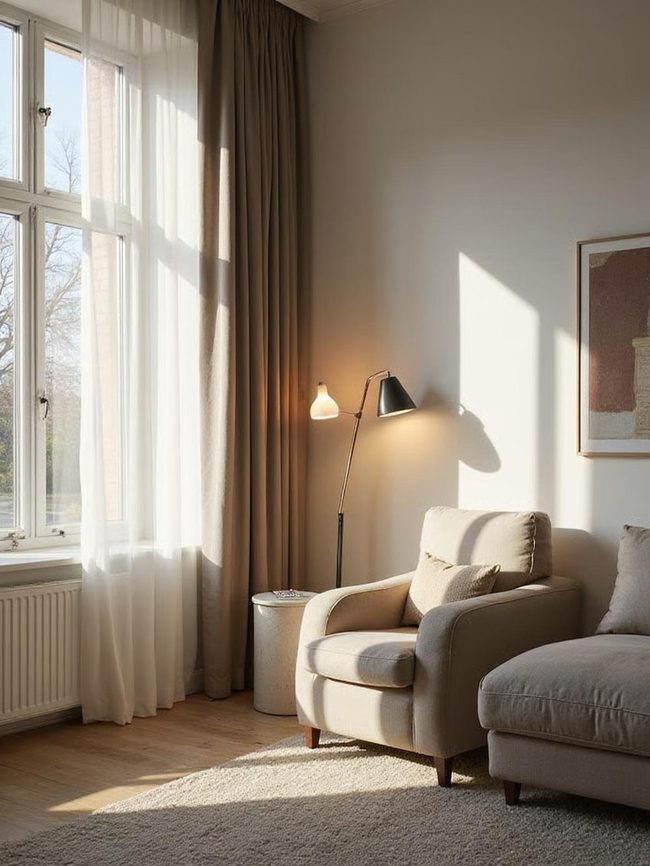
Layered lighting elevates living rooms from flat and one-dimensional spaces into something with real depth and visual interest, and strategic placement of floor, table, and accent lamps makes all the difference in how a room functions and feels.
Multiple light sources, ambient, task, and accent varieties, highlight architectural features and allow your space to shift from daytime focus to evening relaxation, which proves especially valuable if you live and work in the same room since it needs to serve different purposes throughout the day.
Starting with ambient lighting like a central fixture or torchiere floor lamp provides overall illumination, then adding task lighting near seating areas supports reading and detailed work, and finally accent lighting draws attention to artwork or architectural design touches and makes everything look its best.
Independent control of eachlayer through dimmers or separate switches lets you adjust the mood as needed and ensures your furniture looks good in any lighting scenario.
Warmer color temperatures between 2700K and 3000K bring coziness to the space while cooler lights around 4000K and above enhance concentration and focus.
Velvet Sculptural Sofa Statement Piece
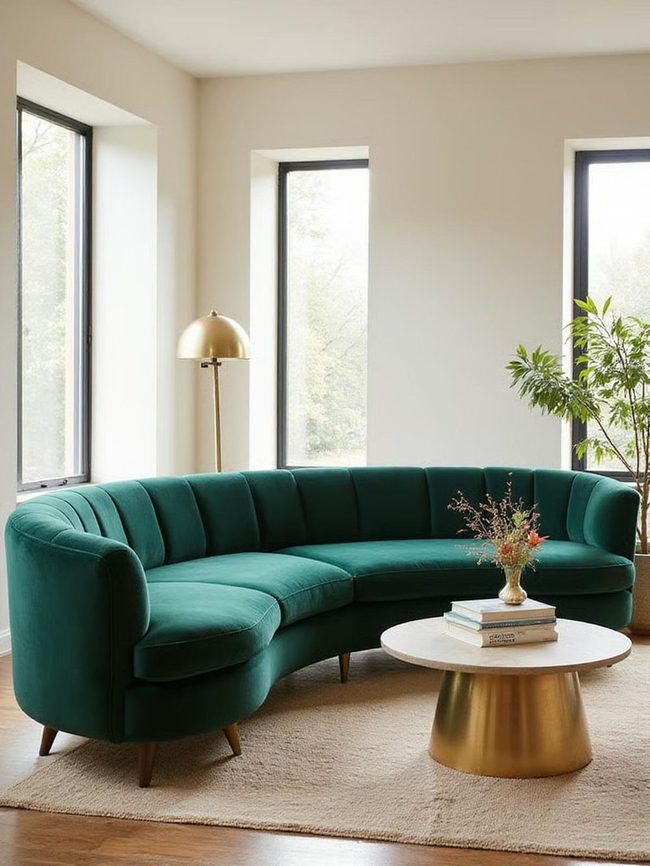
When you walk into a room, a statement sofa stops you in the main tracks because it's bold, it's confident, and it refuses to fade into the background, bold colors, luxurious textures like velvet or bouclé, and sculptural silhouettes all flow together to make sure this piece demands attention the moment you enter.
Unlike standard sofas that simply provide seating, statement pieces anchor the main entire color story and set the tone for how the space feels and flows.
Balance matters when you're choosing the mains, so measure the main room deliberately because an oversized sofa can swallow up a small studio apartment and leave no room to breathe.
A lifestyle should guide the main decision too, if you're doing art projects on it or spending hours with sketchbooks, you could want a durable fabric that holds up to real use.
Once you nail this choice, you've set the stage for everything else in the main living room to follow, and the rest of the main design story falls into place naturally.
Large Mirrors Amplify Small Spaces
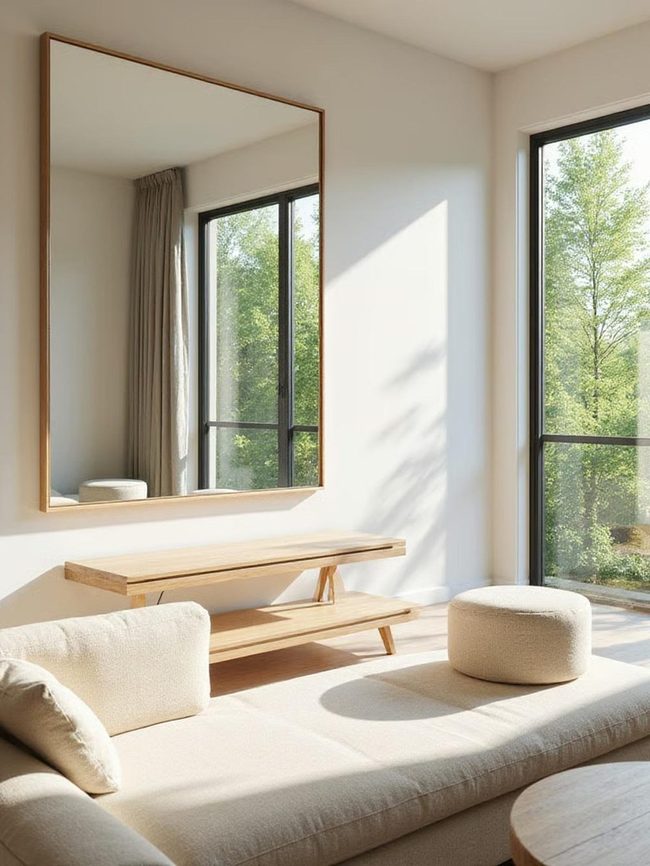
Mirrors work like optical tricks that can make cramped areas feel much bigger and brighter than they actually are, and I've seen this work beautifully in small artist studios where a large mirror positioned across from a window instantly doubles how much space and light you perceive in the room.
Rather than just reflecting whatever's in front of it, you will want to angle your mirror so it bounces back views of garden plants, nice architectural features, or your favorite furniture pieces, since this kind of selective reflection makes spaces feel far more generous and pulls focus away from clutter.
Natural light is especially valuable in creative environments where you need accurate colors, and by angling mirrors to catch and redirect window light, you can brighten dark corners and dial back how much artificial lighting you need throughout the day.
When evening rolls around, mirrors placed near lamps or candles multiply their warm glow and introduce a more intimate feeling in your space.
Getting placement right matters both during daylight hours and after the sun sets, so think about how your mirrors will work in different lighting conditions.
Gray Polypropylene Rug Anchors Space
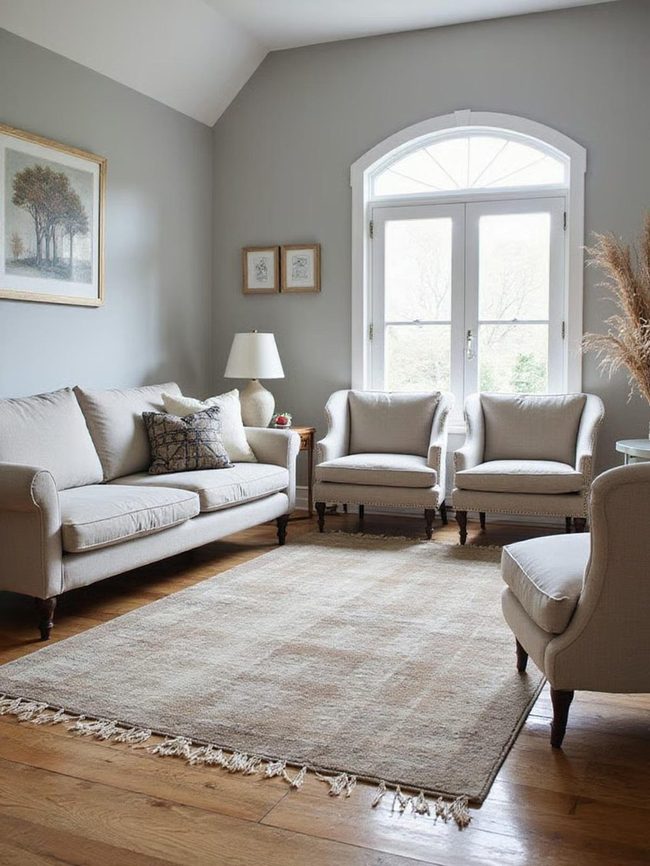
Bold rug sprawled across your living room floor instantly anchors the space and stops furniture from floating around like separate islands.
In open layouts, rugs work as invisible walls and divide your area into distinct zones for living, working, and sleeping without needing actual barriers.
Your choice of color, pattern, and texture sets everything's mood and either lets other pieces shine or makes a statement that holds the room together.
Size really matters here, pick something too small and it feels like an afterthought, go too large and you've swallowed the whole space.
For creative areas where spills happen, polypropylene rugs handle stains and cleanup easily since you can hose them off when needed.
Natural fibers like wool add warmth but demand more care and can collect debris from your projects.
High-pile textures feel amazing under bare feet while keeping a wear mood down quickly in busy studios, so think about how much foot traffic moves through your room.
Finding the right rug means balancing durability with how it pairs alongside your living room furniture and supports your actual lifestyle, not just how a space looks in pictures.
Natural Walnut Meets Clean Lines
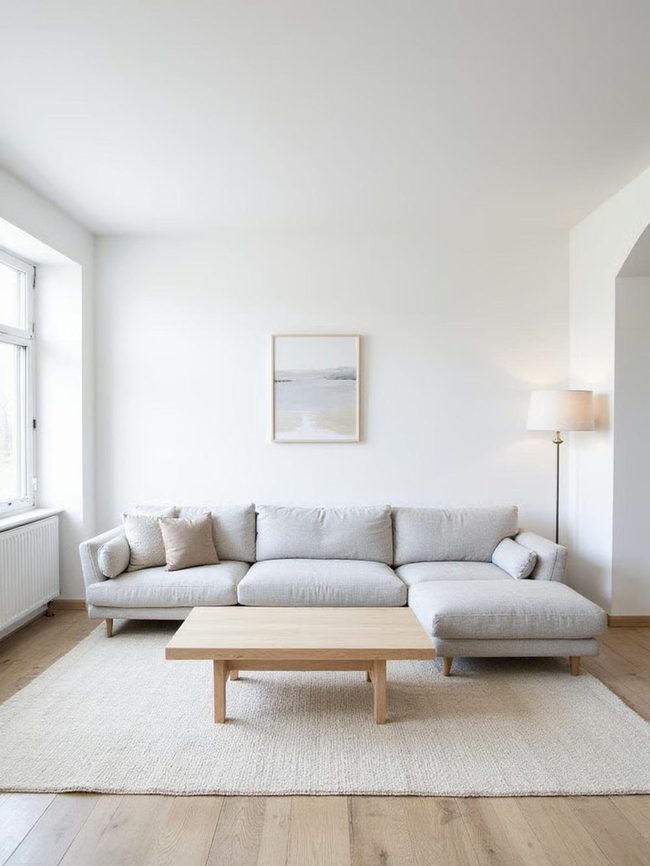
Modern minimalist furniture makes a bold statement through its clean geometric forms and uncluttered spaces that let eachpiece stand on its own without unnecessary decoration.
Natural materials like visible wood grain, brushed metal, and clear glass show off their honest beauty rather than hiding it, while neutral color palettes keep things visually calm and let your architectural elements shine through.
Low-profile silhouettes keep sight lines open and emphasize how spacious your room feels, and in creative spaces this kind of clarity gives your mind a visual rest from constant stimulation.
Getting minimalism right without losing comfort means choosing fewer high-quality pieces over many mediocre ones, so look for items with hidden depth like a sofa with excellent ergonomic design or storage that's organized thoughtfully inside.
Adding texture through natural materials prevents spaces from feeling too sterile, try pairing a wool rug against concrete floors or linen upholstery against polished wood to maintain warmth while keeping visual clutter away.
Multi-functional pieces help you avoid needing extra furniture, and sometimes one statement piece works well among otherwise quiet elements, with the negative space between items becoming just as important as the furniture itself.
Merino Wool Throw Blanket Perfection
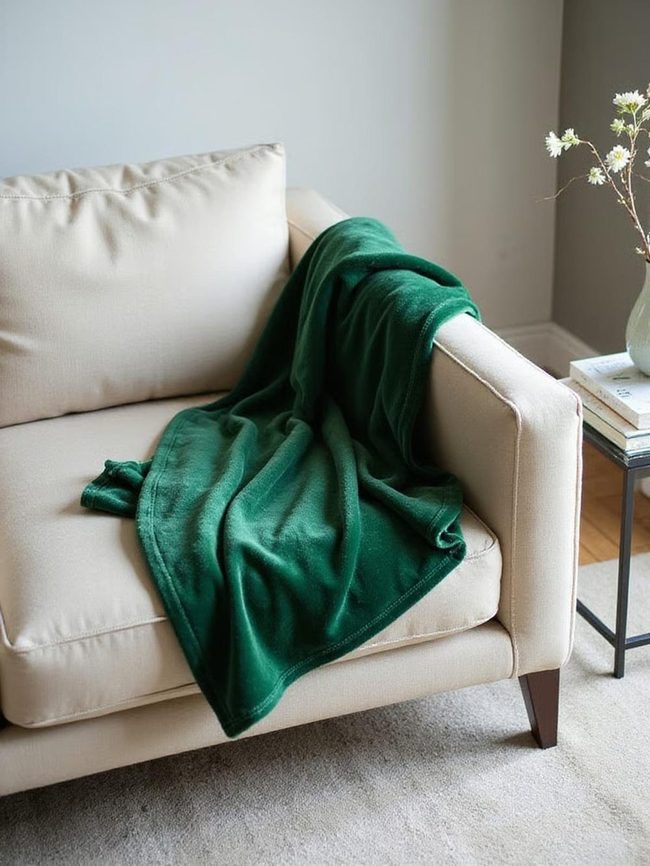
Draping a luxurious throw blanket across your sofa creates an immediate sense of warmth and texture that catches attention the moment you walk into a room, and the right material makes all the difference in how it feels and functions.
Merino wool delivers remarkable warmth without adding bulk and naturally resists stains, making it perfect for artist studios that double as living spaces where creative messes happen.
Cashmere brings unmatched luxury for purely decorative throws in formal areas, while cotton and linen throws work beautifully in warmer climates or for summer use and provide just enough warmth for air-conditioned evenings.
Size matters too, a standard 50×60 inch throw is large enough to actually use without overwhelming your furniture, and on sectionals you could want something closer to 60×80 for better proportion.
Choosing a color that picks up an accent tone from your artwork or introduces a complementary hue to your existing palette makes the throw feel like it belongs there rather than an afterthought.
You can fold throws neatly for formal settings or drape them casually for a relaxed vibe depending on the mood you want to set.
Light-Shifting Jewel Tone Velvet
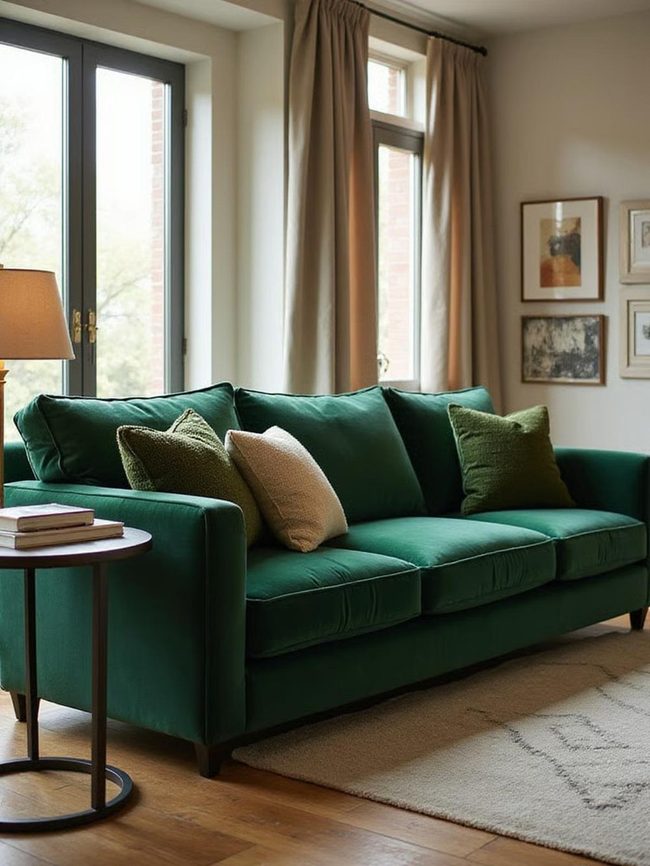
Velvet upholstery redefines your space through its impressive light-reactive properties, where the pile shifts in color and depth as light moves across its surface, making even solid-colored pieces visually dynamic and layered.
Jewel tones like emerald green, sapphire blue, and ruby red showcase velvet's richness most powerfully, creating strong anchor points that command attention in any room.
Beyond the visual drama, velvet delivers real tactile pleasure with its plush pile that naturally invites you to sink in and relax.
Modern performance velvets have become far more built for regular use than their luxurious feel suggests, resisting stains and wear so you can enjoy the luxury without constant worry about damage.
Neutral shades in gray, taupe, and ivory offer a quieter sophistication that works smoothly with existing colors while still providing that distinctive textural quality velvet brings.
Darker tones in navy or charcoal introduce a sense of closeness and calm, perfect for spaces where you want to unwind in the evenings or settle into deep thinking.
Sizing And Placement Guide Wall Art
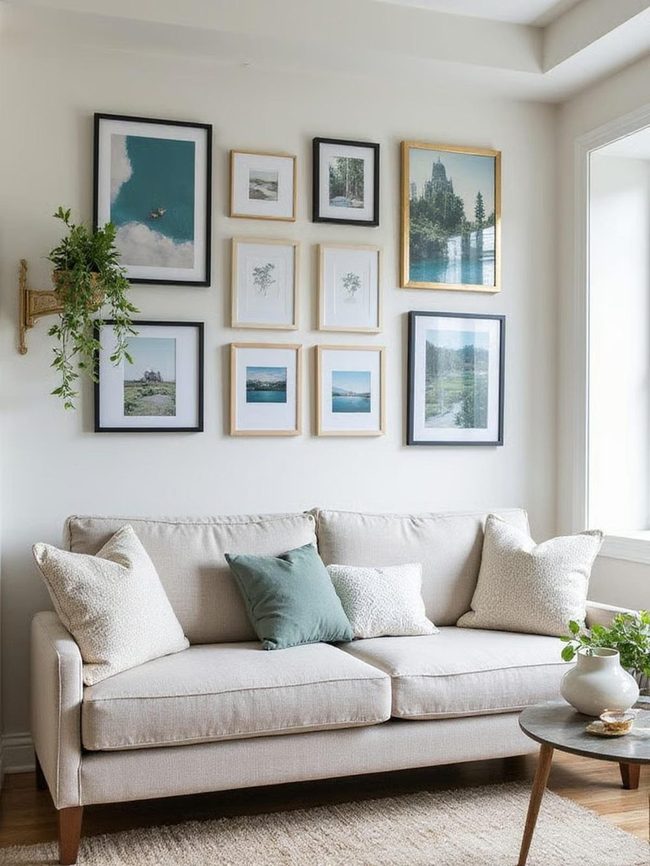
Wall art mistakes can easily ruin a room with otherwise great furniture, so it's worth getting it right from the start.
Artwork that's way too small for a large wall or oversized pieces cramped onto a tiny wall are common problems I see happen all the time.
Hanging art too high is another issue, aim for the center of your pieces at around eye level, which is about 57 to 60 inches from the floor.
Many people pick generic art quickly without thinking about whether it actually speaks to them, and that's a missed chance to show who you really are.
If you're an artist yourself, mixing your own work with pieces you've collected makes your walls tell your true creative story and feel genuinely personal.
Finding art that works with your furniture means thinking about both how they look together and whether they should contrast in interesting ways.
If your furniture is mostly angular and bold, organic flowing artwork can soften things up and add balance.
On the other hand, structured graphic pieces can give definition to rooms filled with softer, rounder furniture shapes.
Your wall art and furniture colors should either echo every other for a calm, put-together feel or introduce colors that pop and energize the space.
Bold Colored Chair Statement Piece
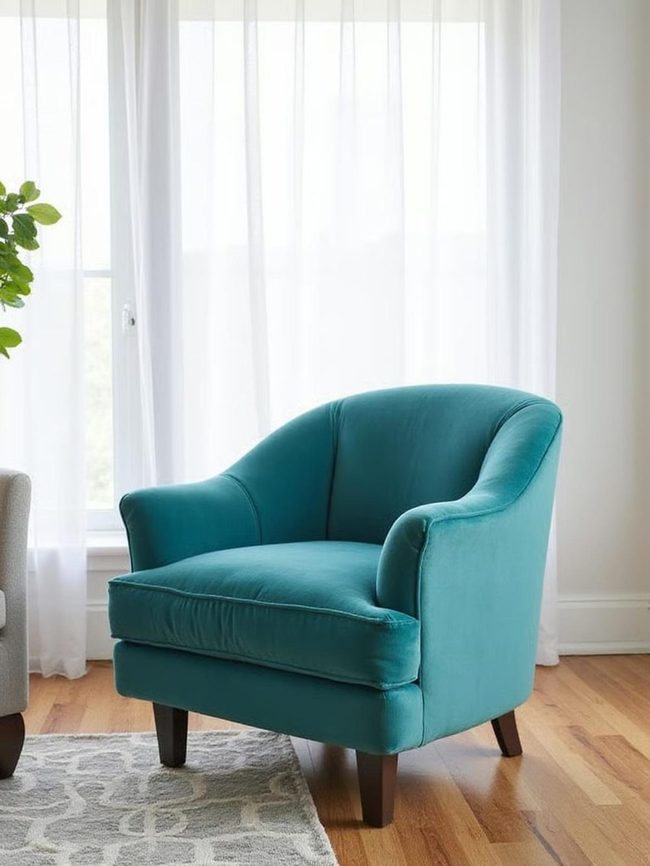
When you're shopping for accent chairs, start by thinking about what that piece will actually do in your space and who will use it.
Will it be a reading spot where you curl up with books, or somewhere people sit during visits?
Once you know its purpose, the style and form should follow naturally.
Material makes a huge difference too, and I've learned that a gorgeous chair becomes frustrating if the fabric is too delicate for real living.
Keep in mind that sitting in your accent chair should feel as good as it looks.
Placement matters just as much as the chair itself, and positioning one near a window or light source can completely shift how the whole room feels.
Bold colored chairs next to neutral sofas build visual contrast that draws attention right where you want it, and adding a floor lamp beside your seat turns it into something special.
Look for chairs with interesting shapes or architectural features like sculptural arms or unique outlines.
Swivel chairs work well in creative rooms that serve multiple purposes, vintage finds often have better craftsmanship and bring real character, and washable slipcovers keep your chairs looking fresh in busy spaces.
White Storage Cabinets Hide Clutter
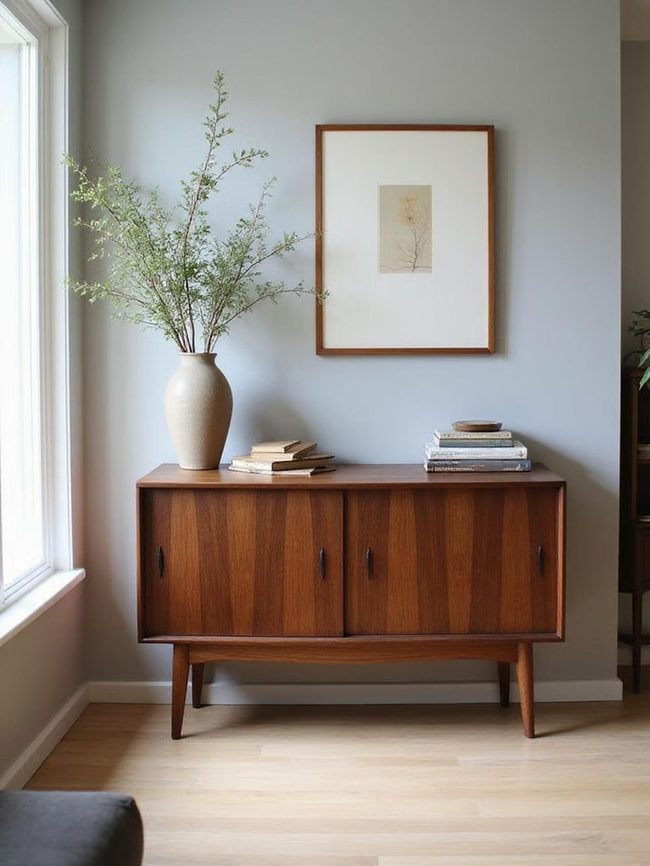
Cabinets with clean lines and modern finishes transform a room's entire look by hiding clutter while adding real character to plain walls, and your choice of style sets the tone for whether your space feels modern, traditional, or vintage.
Modern cabinets with minimal hardware establish a crisp, organized feel that works beautifully in contemporary homes, while glass-front versions with interior lighting let you show off collections and keep dust away at the same time.
Industrial cabinets hold up well in artist studios where creative supplies pile up fast, and mid-century designs on tapered legs give you that retro appeal without eating up precious floor space.
Beyond looking good, these storage solutions act as anchors that bring rooms together and introduce new textures and finishes that enhance your whole design.
I've worked with countless people who struggled to balance their work supplies with their living areas, and quality cabinets solve this by hiding the necessary mess of creative projects while keeping the space looking calm and put-together.
Round Coffee Table, Small Space Friendly
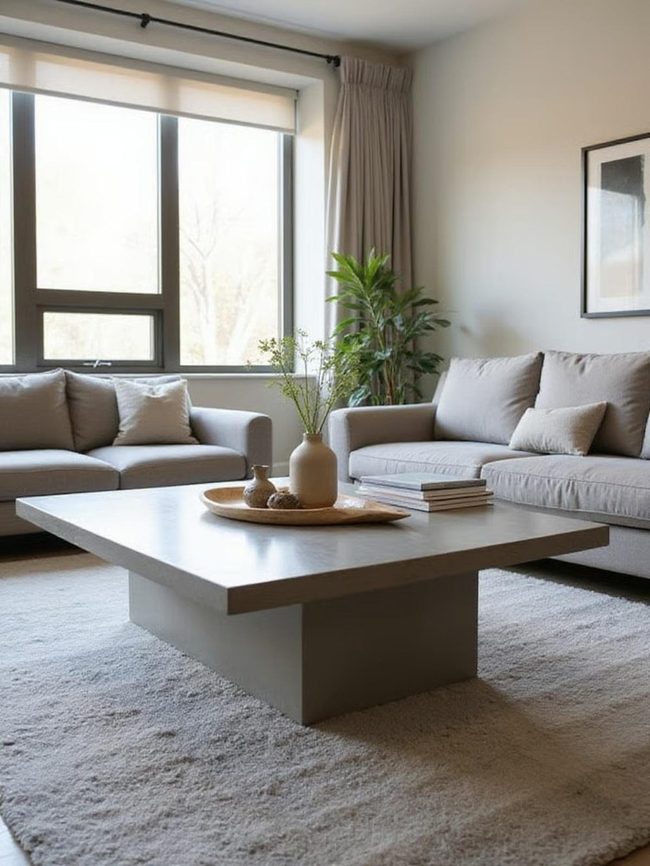
Coffee tables need to balance size, function, and style so they fit well in your space.
Round tables work better in smaller studios because they let you move around without bumping your hips on corners.
Larger spaces benefit from substantial rectangular tables that define seating zones and give you plenty of room for creative work.
Your lifestyle shapes what features matter most, if you add art at home, you could want durable surfaces that handle coffee spills and stains without showing damage.
Lift-top tables solve a common problem by turning into work surfaces when you need them, making them perfect if you sketch in your living room.
Storage compartments hide portfolios and art books so they're there when you want them but disappear from view when you don't.
Material choices affect both how the table looks and performs: reclaimed wood brings warmth and character, glass keeps spaces feeling open and airy, and concrete delivers industrial durability for artists who work hard on their surfaces.
Beyond your main table, smaller side tables add function and style while giving you extra spots to set down drinks, books, or supplies without cluttering your main surface.
L-Shaped Sectional Modular Furniture
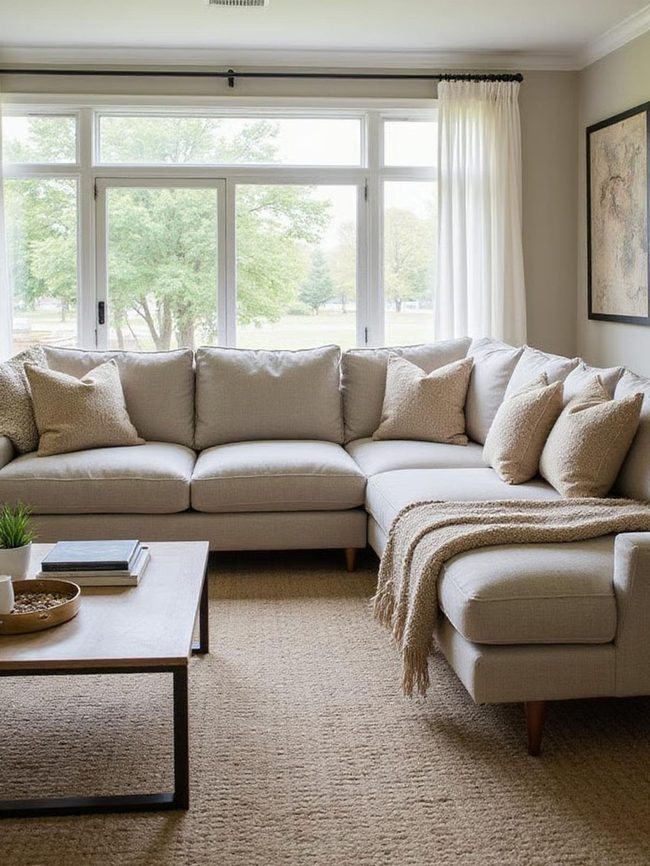
Sectional sofas offer remarkable advantages that separate pieces simply cannot deliver, and in studio apartment designs, they function as game-changers for artists who need flexible work and living spaces.
L-shaped sectionals tuck perfectly into corners, maximizing seating without requiring multiple purchases, which matters enormously when hosting critique sessions or collaborative work.
U-shaped designs carve out intimate gathering spaces ideal for creative discussions, while modular sectionals provide unparalleled flexibility so you can reconfigure them for a drawing session one day and a gallery opening the next.
Chaise sectionals give you that perfect spot to stretch out while reviewing portfolios or sketching new ideas.
Performance fabrics work best in active studio spaces where durability counts, and built-in storage compartments hide art supplies neatly away.
Neutral colors serve you well if you display colorful artwork nearby, letting your creations shine without competing for attention.
Space-defining sectionals help establish boundaries within open floor plans, which proves especially valuable when you live and work in the same room.
Adding an accent chair to your seating arrangement brings personality and reworks a purely functional setup into something more thoughtful and measured.
Open Shelves Display Your Books
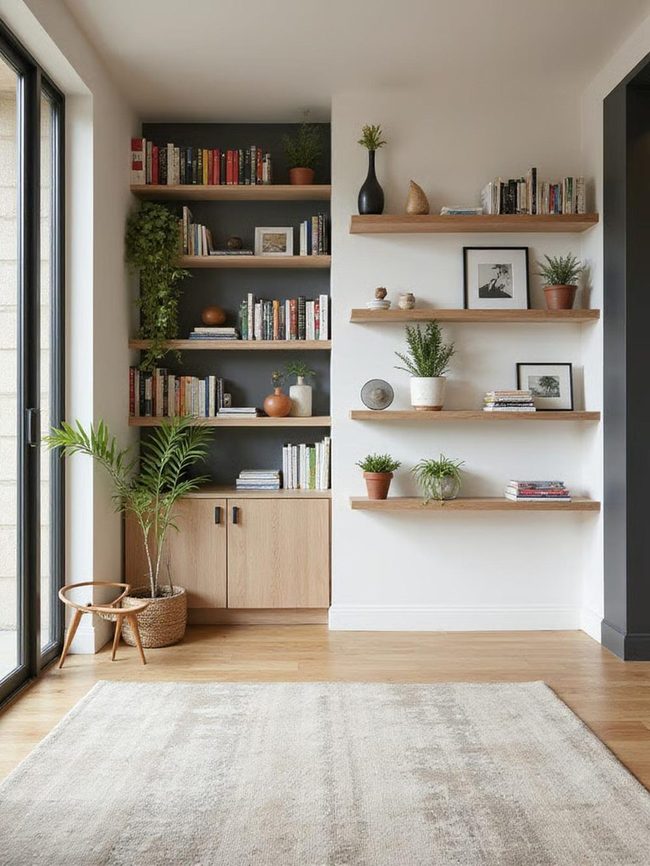
Shelving that showcases your style starts with honest thinking about what you need to store and how you want your space to look, and open shelves work wonderfully for displaying portfolios, art books, and pieces that deserve to be seen while closed storage keeps supplies and less attractive items hidden away.
Floating shelves installed at varying heights form dynamic wall compositions that function as art displays, and the space between shelves matters just as much as the shelves themselves since empty room prevents visual clutter and lets your arrangements breathe.
Lighting built into shelving, whether recessed strips or picture lights, brings special pieces into focus and adds depth through shadows, making even ordinary walls turn into powerful display areas.
Mixing both open and closed shelving keeps spaces feeling organized and personal and blends functionality with beauty, and asymmetrical arrangements of varying heights form more visual interest than uniform rows.
Grouping similar items together helps everything feel purposeful and leaves about 30% of across shelf empty so things don't look crowded or overwhelming.
Adding plants to your shelving brings life and gentleness to the arrangement and breaks up straight lines with natural texture.
Michael Thompson
Senior Content Editor
Expertise
Content Strategy Development, Editorial Team Leadership, Home Décor Trends & Style Curation, Digital Storytelling for Interior Design, Quality Assurance in Publishing
Education
University of Missouri, Columbia
University of Texas at Austin
Michael Thompson is the senior content editor at Decorrio, bringing over 12 years of experience in journalism and home décor writing. With a journalism degree from the University of Missouri and a master’s in English from UT Austin, he blends storytelling with expert design insights.
At Decorrio, Michael curates inspiring content that helps readers transform their spaces with style and ease. He’s passionate about home organization, DIY projects, and quality design ideas that make everyday living more enjoyable.
Outside of work, Michael enjoys exploring Austin’s culture, tackling home improvement projects, and mentoring aspiring writers.