
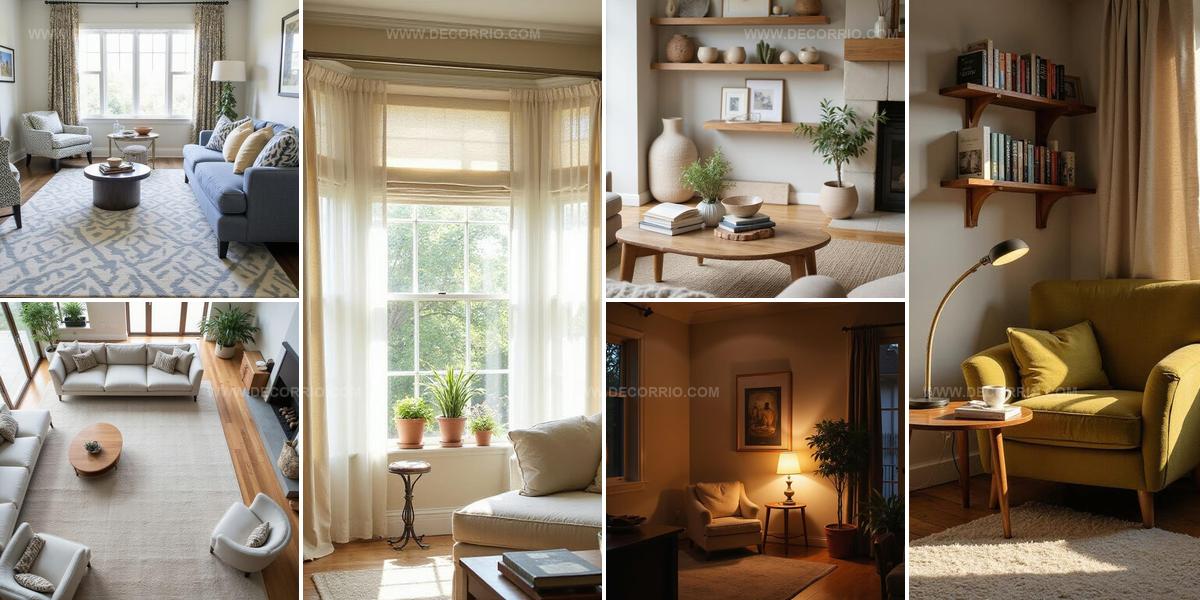
18 Elegant Living Room Interior Designs That Inspire

Modern living room interior designs shape how we experience comfort and connection within homes we cherish most.
Beautiful spaces reflect personal style while serving practical needs that matter during daily life.
When rooms balance aesthetics with function, families naturally gather and relax in harmony together.
Smart choices about layout, color, and furniture can completely change how a space feels to everyone who enters.
Whether working with compact apartments or spacious houses, the right approach makes any area more inviting.
Simple updates often produce dramatic results that exceed what you initially expected from basic changes.
Layered Patterns, Unified Color Palette
Mixing patterns across your living room brings energy and personality to the space, though it does take some care to pull off successfully.
Start with one large-scale or geometric pattern on something substantial like a rug or sofa, then layer in medium-scale patterns such as florals or stripes on pillows and accent chairs, and finish with small-scale patterns like paisleys on smaller pieces.
Keep your colors consistent throughout, patterns work best when they share at least one or two hues with in all other, and use solid colors and textures as breaks between the patterned elements so your eye gets a rest.
Mixing different pattern types (geometric, floral, abstract, and organic) prevents things from feeling too samey, and using at least three different patterns in varying sizes stops the room from looking chaotic.
If you're uncertain where to begin, pick two or three main colors and stick with them across all your patterns to make everything feel connected.
Wall and ceiling patterns matter too, so look up and think about how the vertical parts of your room work with your pattern choices.
Historically, people loved layering patterns during the Victorian era, creating rich and personal spaces that showed off cultural tastes and style.
Mixed Art Layers Eye Level
Wall art and decorative pieces transform your living room into a space that feels genuinely yours and reflects who you are, from your travels and interests to your personal style.
Mix paintings, prints, photographs, textiles, and sculptural objects together to keep things visually interesting and layered.
When you hang art on walls, aim for the center point to sit around 57-60 inches from the floor, which lands near where your eyes naturally fall.
Small groupings of objects on shelves and tables work best when you vary the heights, shapes, and textures and leave some breathing room around every cluster so nothing feels cramped.
Odd numbers like three items tend to look more balanced than even groupings.
For gallery walls, try laying out your arrangement on the floor first before you pick up a hammer, this saves you from extra nail holes and lets you see if the mix of personal photos, meaningful artwork, and varied frames actually works together.
Books function as decorative elements too, not just things to read; stack them both ways and top them with smaller objects for extra dimension.
Furniture Scale Transforms Room Balance
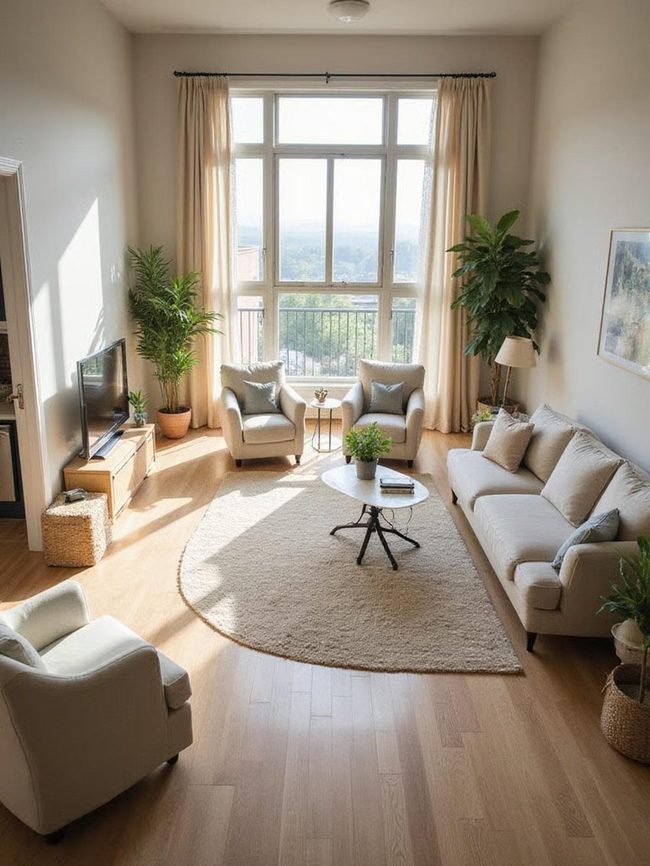
How your furniture relates to your room size matters far more than you might realize, and getting these relationships wrong shapes an uneasy feeling even when people can't explain what bothers them.
Measure your room mindfully and use painter's tape on the floor to map out where pieces will go before you buy anything.
That oversized sectional looking perfect in a showroom could completely swallow your actual living room, while a small coffee table might vanish beside bigger seating pieces.
Pay attention to visual weight too, darker and solid furniture feels heavier than lighter colors or see-through designs, which affects how balanced the room feels overall.
Leave plenty of open space around your furniture so the room can breathe and your eye has room to rest.
Good scale and proportion shape comfort and look more appealing to us naturally, even when we don't stop to think about exactly why spaces feel right.
Your room's architectural lines should guide how you position everything, and once furniture is in place at the right sizes and distances, lighting becomes your next tool for setting mood and making sure the space actually works for how you live.
Living Green Corners With Clean Air
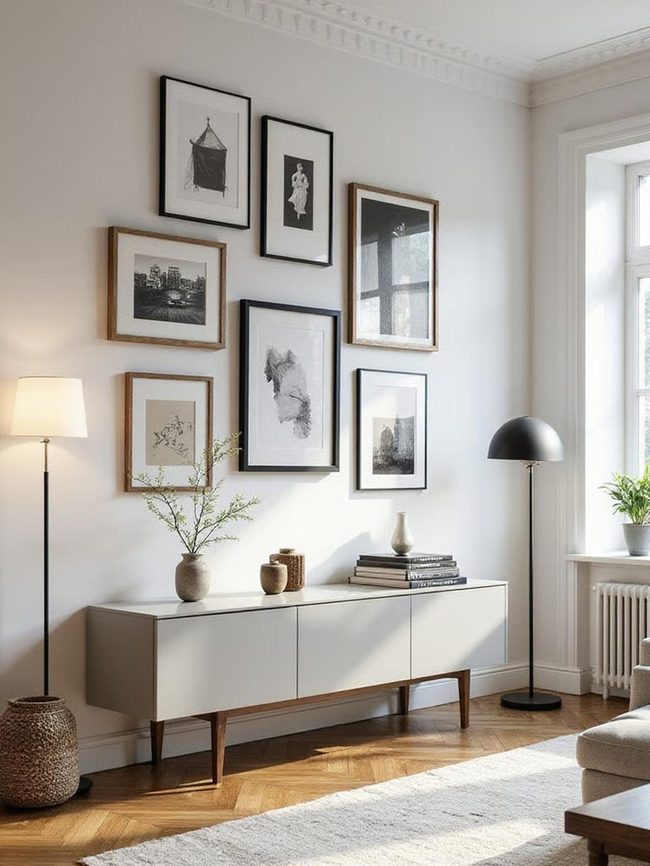
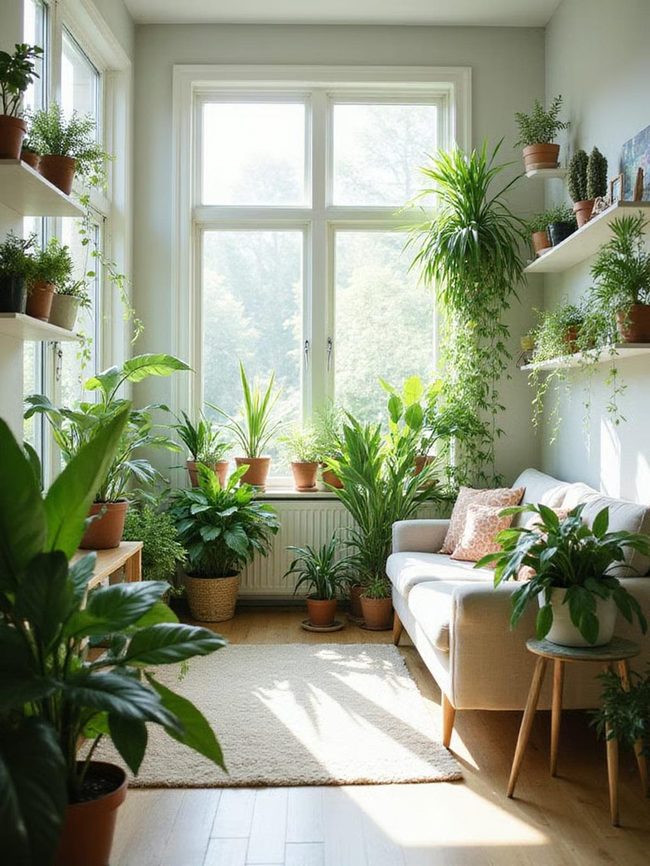
Houseplants bring genuine life into your living room by introducing natural colors, textures, and organic shapes that soften hard lines and add energy to the space.
Beyond looking good, many plants actually improve your indoor air quality by filtering toxins and releasing oxygen into the room.
Research shows that spending time around plants reduces stress, improves your mood, and boosts how productive you feel, all of which makes your living room feel more relaxing and enjoyable.
Selecting the right plants depends on how much light your room gets, how much space you have, and how much time you're willing to spend caring for them.
If you want low-maintenance options, Snake Plants, ZZ Plants, Pothos, and Spider Plants all work well and don't demand much attention.
Large statement plants like Fiddle Leaf Figs, Bird of Paradise, or Monsteras can sit in corners or beside seating areas to anchor the room, while smaller plants fit nicely on shelves, side tables, or in hanging planters scattered around.
Hidden Finds Ottomans Display Function
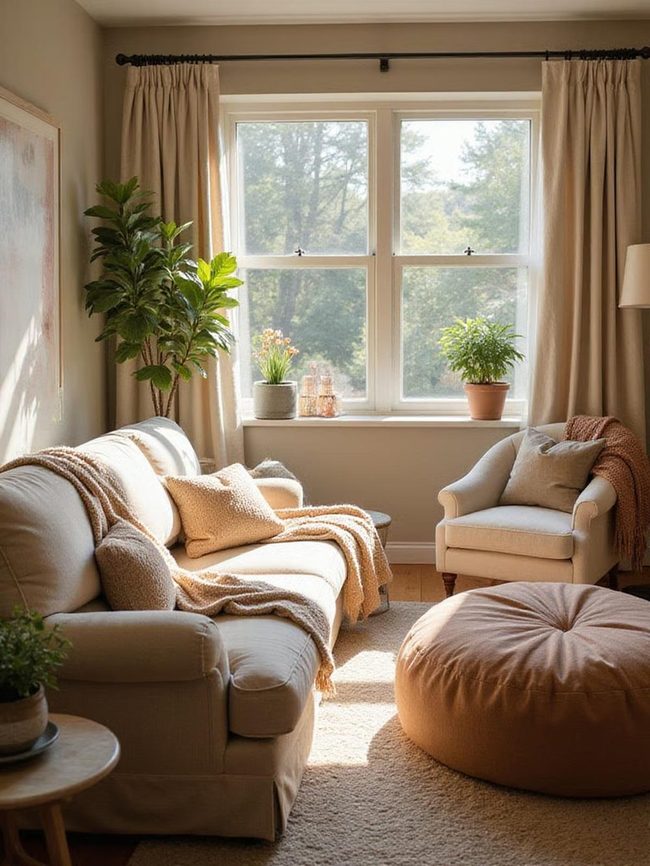
Clutter can quickly ruin even the most beautiful living room, which is why smart storage solutions matter so much for keeping the space looking clean and organized while holding all those everyday items like remote controls, magazines, blankets, and electronics.
Built-in shelving that displays the favorite objects or an ottoman with hidden storage space can actually become a design feature rather than just functional pieces tucked away out of sight.
Beyond standard cabinets, you can explore coffee tables with compartments inside, console tables with drawers, or modular systems that shift and change as the needs do, and decorative boxes and baskets also work nicely to store things while adding to the room's overall look.
Before you invest in any storage, spend time getting rid of what you don't need and sorting what stays so you know exactly how much space and what type of storage will work best.
Research shows that living surrounded by mess actually raises stress and makes it harder to concentrate, so organizing the things is really about protecting both how the room looks and how you feel in it.
Once the storage is handled properly, you can then turn the attention to the smaller touches that make the living room feel like thes and reflect the own personality.
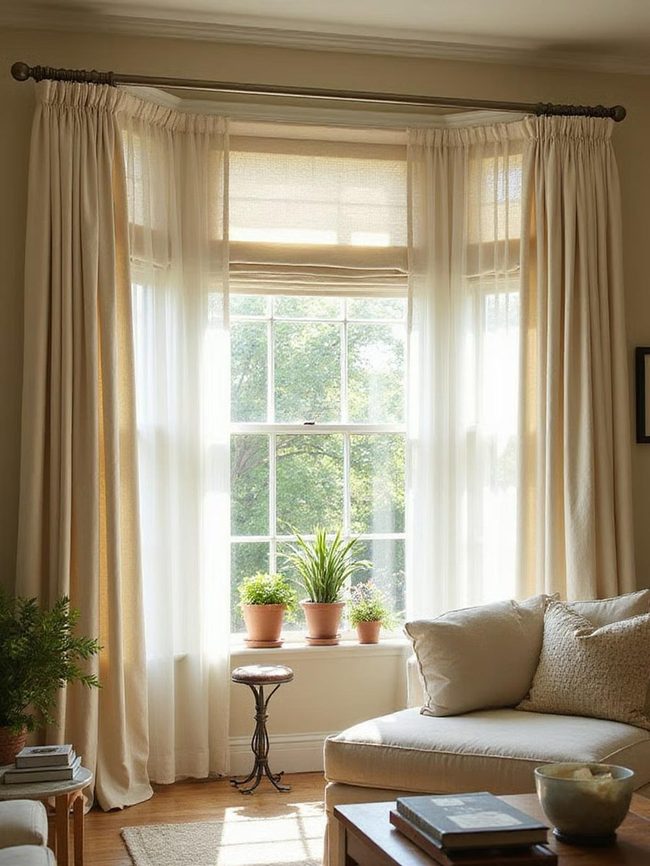
Layered Curtains Light Flow Control
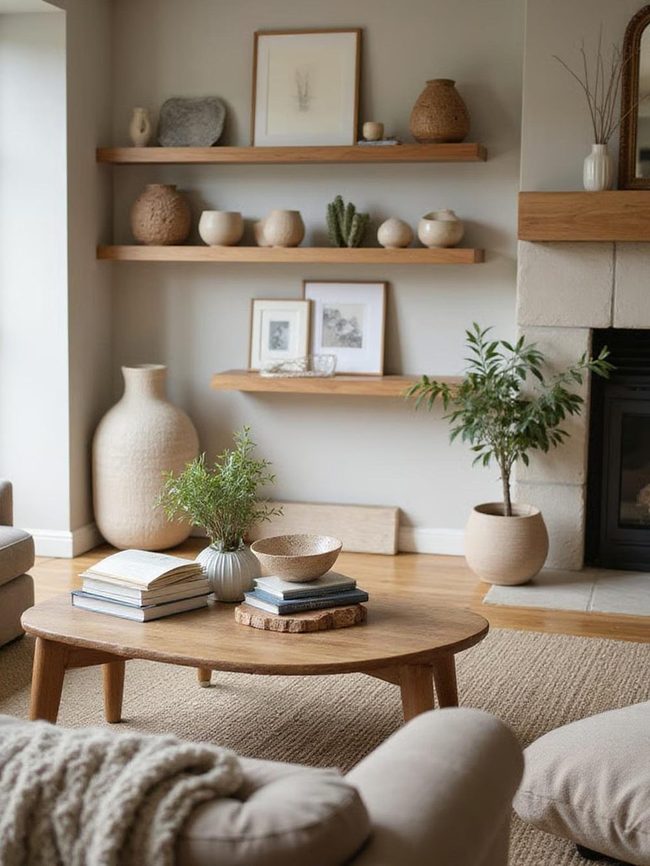
Window treatments serve as both functional necessities and design elements, managing light and privacy while shaping how your living room feels and looks.
Curtains and drapes offer primarily decorative appeal with light filtering or blocking options, blinds provide precise control over light and views, shades deliver a clean appearance and good insulation, and shutters supply excellent light management alongside a classic style.
Your choice depends on what matters most, whether you prioritize light control, privacy, insulation, or aesthetic impact.
Colors can either blend seamlessly by matching your walls or make a bold statement through complementary or contrasting shades, and materials matter too since different fabrics drape differently and filter light in unique ways.
Layering treatments gives you maximum flexibility, like pairing sheer shades with decorative drapes for both function and style.
When you measure, add 6 to 12 inches on across side of the window frame for proper stack-back and fullness, then decide if your treatments should racross the sill, apron, or floor based on your overall look.
Choosing sustainably sourced materials whenever possible shows respect for the environment.
Multiple Light Sources Define Living Spaces
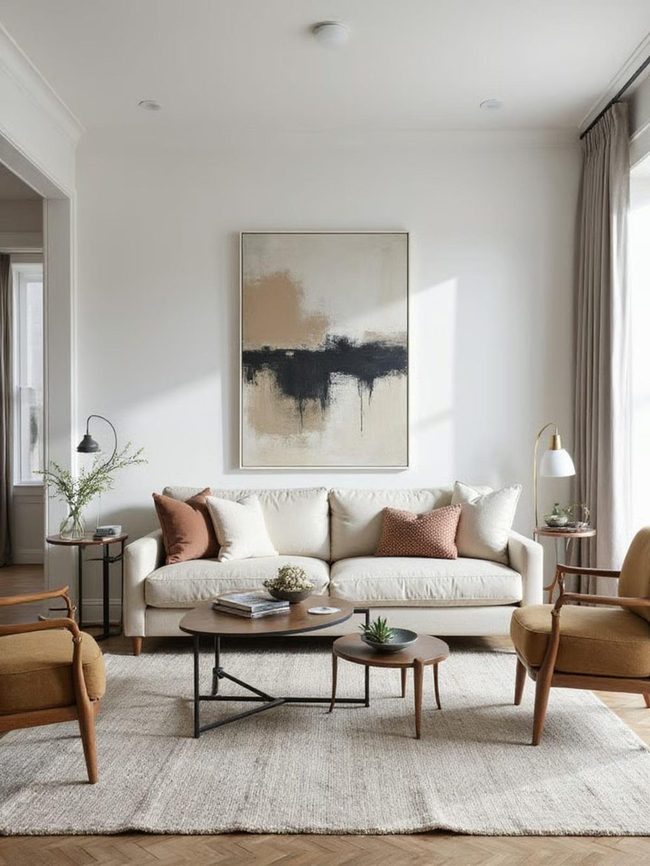
Layered lighting your living room more dramatically than almost anything else you can do, and it's worth understanding how to get it right.
Rather than sticking with just one overhead light, combining ambient lighting for general visibility, task lighting for activities like reading, and accent lighting for artwork or architectural gives you real depth and flexibility.
Dimmers are your friend here because they let you adjust the intensity and completely shift how your space feels depending on the time of day or what you're doing.
Warm white light around 2700K to 3000K feels more relaxing than brighter options, which is why most people prefer it in living areas.
Pay attention to how light hits different surfaces too, when you aim light across textured walls or fabrics at an angle, it creates shadows and makes everything feel more dimensional.
As evening comes, your lighting setup actually changes the energy of the whole room.
Once you've settled on your lighting plan, adding an area rug helps define different zones and ties those areas together with the rest of your design scheme.
Books, Sculptural Objects, Layered Heights
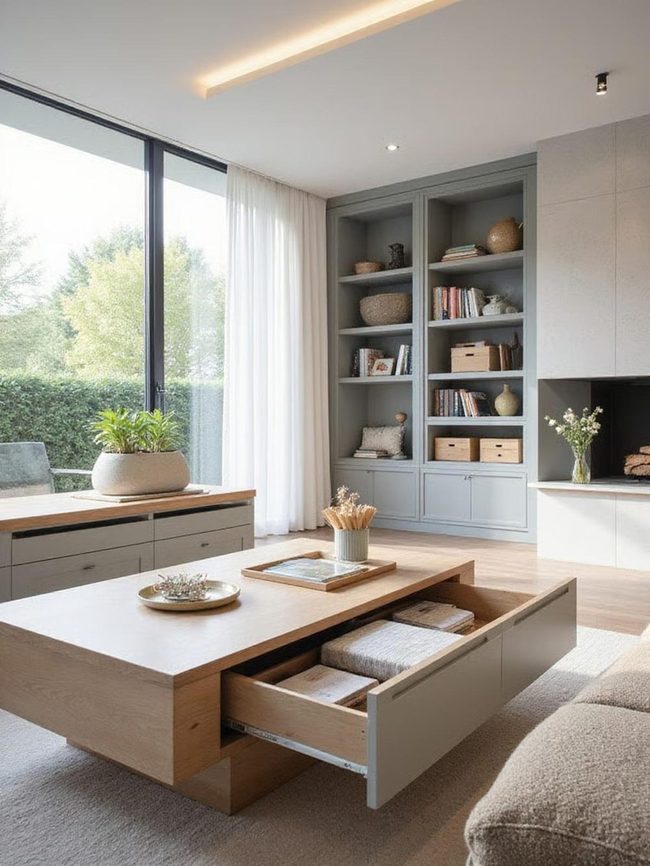
Stacked books with a sculptural object balanced on top and a framed photo leaning nearby give rise to height variation that makes surfaces come alive, while grouping similar items in odd numbers of three generates far more visual appeal than even arrangements and prevents your space from feeling like a bland hotel room rather than somewhere you actually live.
Accessories are what separate a living room from feeling sterile and empty, since these smaller pieces inject character and warmth while telling the story of who lives there.
You'll want to choose pieces that mean something to you, souvenirs from trips, family items passed down, objects linked to your hobbies, or artwork that stirs your emotions, rather than filling shelves with generic decorative things.
Spacing matters just as much as the items themselves, so leave breathing room between pieces instead of crowding every inch of a surface.
Rotating your seasonal accessories every few months keeps your room feeling fresh and new without demanding a complete overhaul of your design.
Different textures, heights, and shapes within small groupings break up large furniture and hard lines, adding depth and that lived-in feel we all want.
Living Room Purpose First
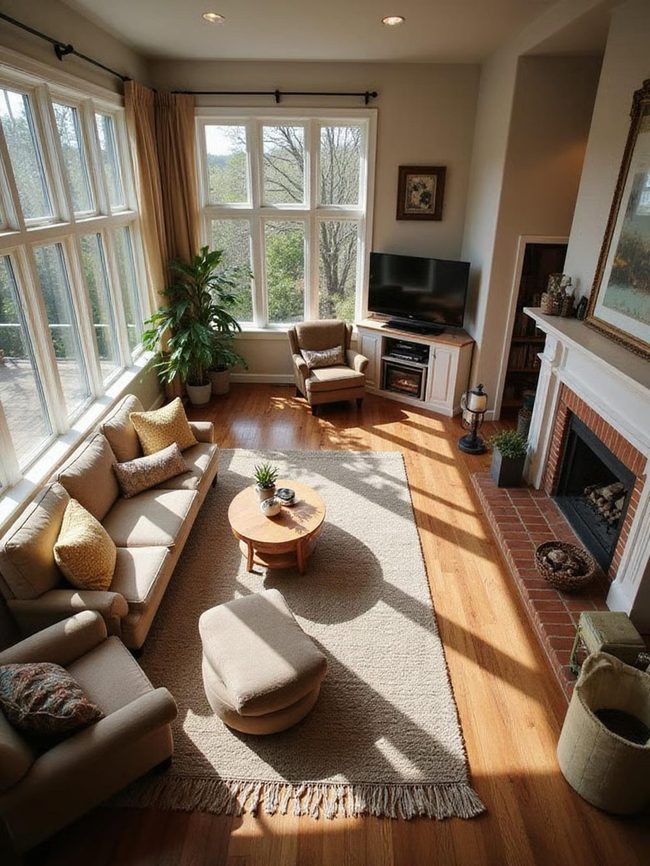
Before you pick out paint colors or measure for furniture, sit down and think about what your living room actually needs to do for you.
Are you looking for a quiet retreat where you can settle in with a book and hot tea?
Maybe it's the heart of your home where people gather and stay late talking?
Perhaps it shifts throughout the day from a play zone for kids to a relaxation spot for adults once bedtime arrives?
Knowing who spends time there, when they show up, and what happens in that space becomes the real starting point for everything else you can decide about the room.
Your furniture choices, how you arrange things, what kind of lighting you need, and where you can store items all flow from understanding this purpose first.
A room built for hosting visitors needs completely different seating and traffic patterns than one where you and your family mostly watch movies and play games together.
Rather than designing based on what sounds nice, pay attention to how you actually want to use the space day after day.
It helps to ask everyone in your household, including kids, what they need from this room, since their ideas might show you something you hadn't considered.
Quiet Corner With Soft Armchair
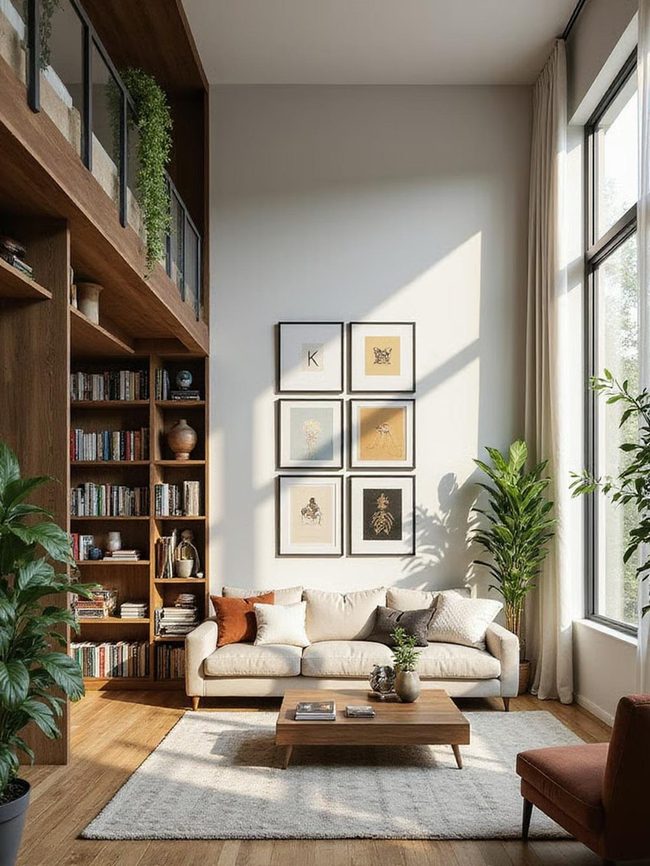
Building a comfortable reading nook in your living room gives you a personal retreat where you can settle down with a book, sip tea, or simply rest away from screens and daily noise.
Position this corner near a window so you get natural daylight, or tuck it into an underused space that feels slightly separated from your main seating area.
Start with a comfortable chair, plush armchairs, chaise lounges, and window seats all work wonderfully for this purpose.
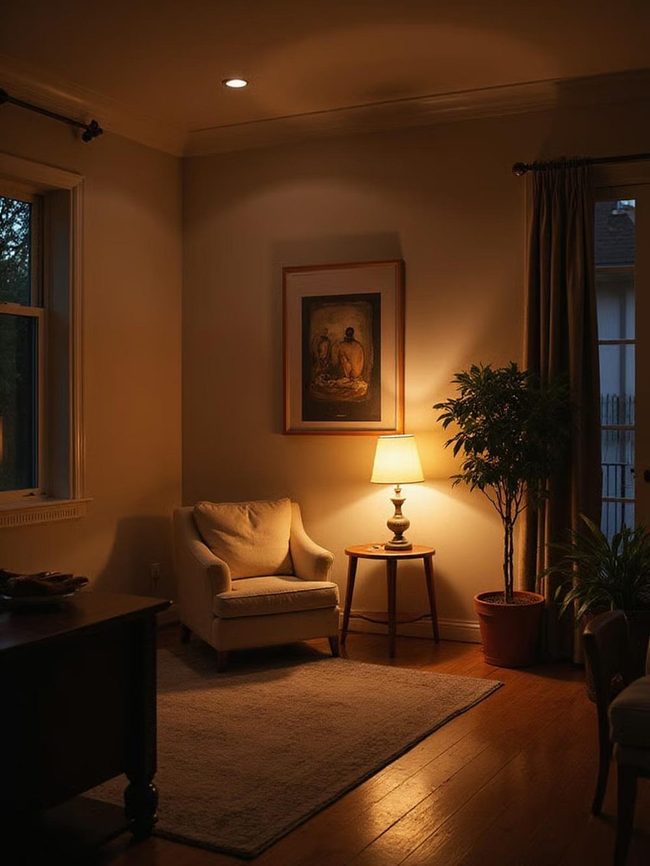
Pair your seating with good lighting by combining window light with a dedicated lamp that uses warm bulbs and won't strain your eyes.
Add a small side table next to your chair to hold books and drinks within easy reach.
Muted throws and pillows make the space feel more lived-in and give you extra comfort during long reading sessions.
You can even paint the walls in this corner a different shade to show where your reading space begins and the rest of your room ends.
Since research shows that reading for just six minutes can lower stress by up to sixty-eight percent, this simple corner becomes a powerful tool for relaxation in your home, and keeping books and cups organized in this spot means you will actually use it regularly.
Floor-To-Ceiling Shelf Gems Solution
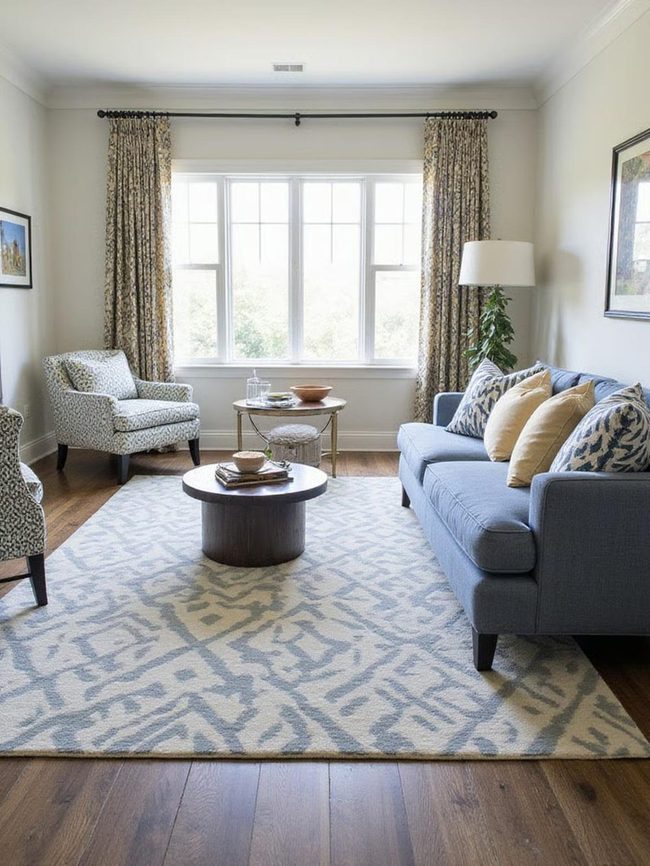
Living room's vertical space holds tremendous untapped potential that most people overlook while focusing on what sits on the floor.
Tall bookshelves reaching from bottom to top multiply your storage while establishing strong lines that pull your gaze upward and make the whole room feel bigger and more open.
Gallery walls work best when they stretch toward the ceiling instead of stopping at eye level, and hanging curtains high and close to the ceiling will stretch out your windows and emphasize height.
Adding tall plants or trees naturally directs attention up the walls.
Balancing horizontal pieces like sofas with these vertical elements creates a pleasing equilibrium throughout the room.
In smaller living rooms especially, through the design, becomes invaluable because while floor space runs short, walls offer plenty of room to work with.
Even tucking a warm nook into an unused corner with tall shelving nearby gives you a personal retreat that takes full advantage of vertical real estate you already have.
Gray Area Rug Defines Space
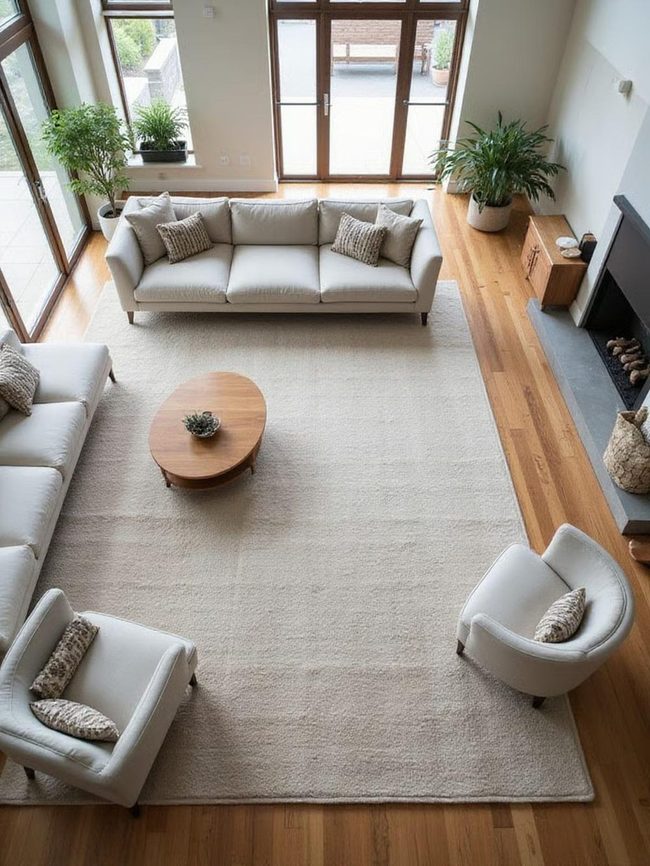
Area rugs divide open spaces into distinct zones without needing walls, and they help organize large rooms by separating seating areas, reading nooks, and other functional spaces while adding warmth and texture at the same time.
When you position a rug under your main seating, place it so the front legs of your furniture rest on it for a connected look, and if you want something more luxurious, let all your furniture sit fully on the rug instead.
What you should avoid is putting furniture entirely off the rug's edges, which makes things feel scattered and unanchored to the space.
Most designers suggest extending your rug at least 6 to 12 inches past the sides of your main seating pieces so everything feels grounded together.
Historically, textiles have served this same purpose for centuries, defining areas within large open structures like tents and halls.
Beyond just creating visual boundaries, rugs bring different textures into your room and layer the design in ways that make your space feel more complete and livable.
Choosing the right rug size and placement changes how people experience your room and makes throughout area feel and purposeful.
Deep Seating For Maximum Comfort
This living room should serve its main purpose well, which means comfortable seating matters more than anything else in the space.
Seat depth and height need attention, your feet should rest flat on the ground while your thighs get proper support, and good lumbar support in the backrest makes a real difference for how you feel after hours of sitting.
Cushion firmness strikes a balance between and supportive, armrests should align with your elbow height, and upholstery should feel nice against your skin and breathe well throughout the day.
Most adults find that seats around 16 to 18 inches high work best, keeping knees at roughly a 90-degree angle and letting you relax naturally.
Mixing different seating types helps since a deep sofa works wonderfully for watching movies while more upright chairs suit reading or chatting better, and ottomans or poufs give you flexibility for leg support and extra spots when needed.
I recommend testing furniture in person before you buy because comfort feels different to everyone and photos just don't tell the whole story.
Layered Materials Create Living Room Depth
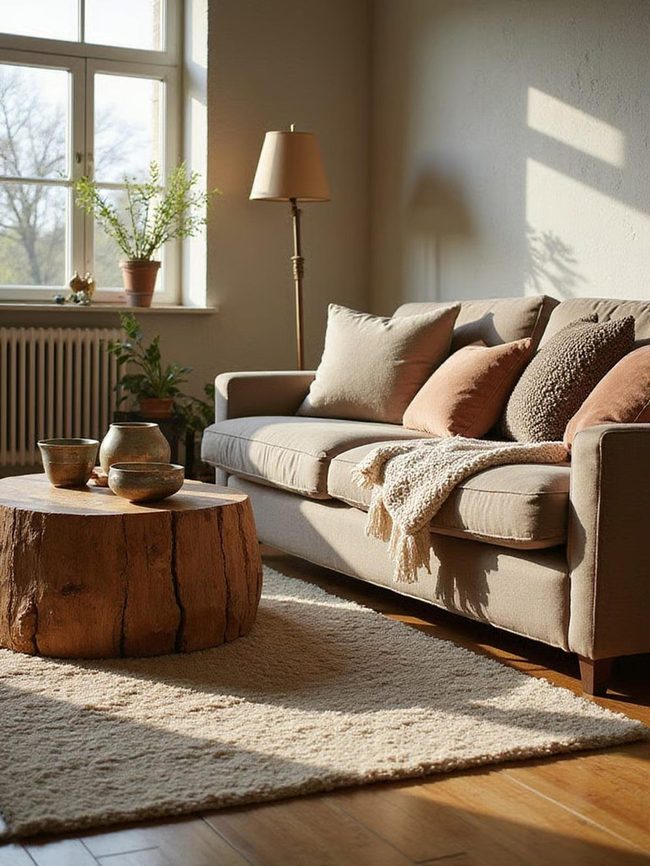
Rough brick walls, distressed wood furniture, and chunky knit blankets transform your living room by adding visual depth and dimension that color alone simply cannot deliver.
Textures engage both your sense of sight and touch, making the space feel more complete and lived-in rather than flat or sterile.
You can layer textured elements throughout the room by mixing materials like smooth velvet sofas with rough rattan chairs, throw pillows in linen and knits alongside glossy accents, and natural fiber rugs under heavy curtains.
Running your hand across these varied surfaces reveals muted shifts in how light bounces and dances throughout the day, adding richness to every corner.
Seasonal swaps work well too, heavier textures keep things cozy in winter while lighter fabrics breathe better during warmer months.
Without this sensory variety, even the most thoughtfully selected colors and furniture pieces can feel disconnected and empty.
Once you have your foundational textures in place alongside your color scheme, your room gains the personality and warmth it needs to truly feel like home.
Blue Walls Create Instant Calm
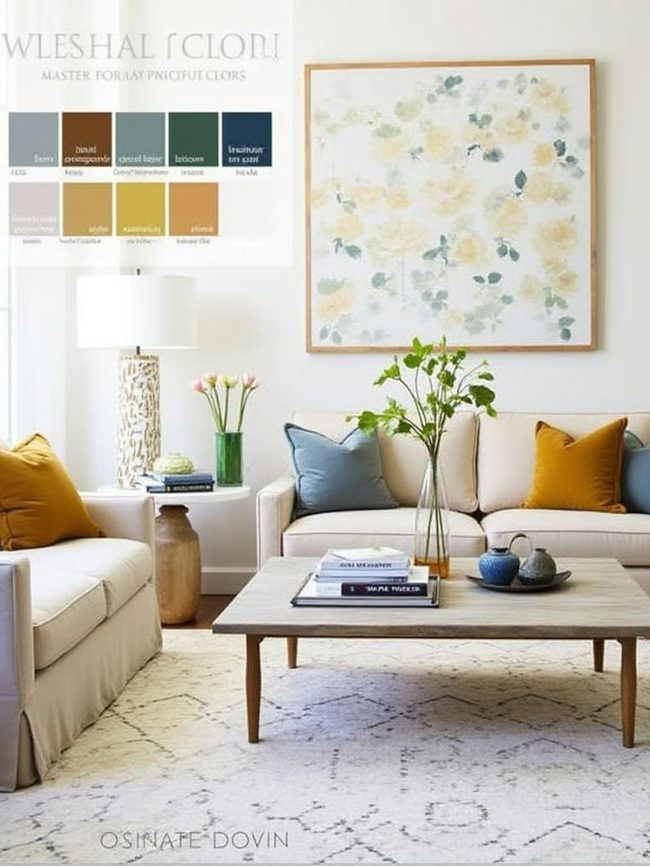
Color sets the mood for how your living room feels, and understanding how different hues affect emotions helps you pick shades that work for your space and lifestyle, warm tones like red, orange, and yellow bring energy and coziness, while cool shades such as blue, green, and purple help you relax and make rooms feel bigger.
Natural light plays a huge role in how colors show up in your room, so north-facing spaces handle cool colors well and south-facing areas work beautifully with either warm or cool options.
When you're ready to choose your palette, the 60-30-10 rule keeps things balanced: use your dominant color for 60% of the room (walls and large pieces), a secondary color for 30% (curtains, chairs, rugs), and an accent color for just 10% (pillows, art, small items).
Testing paint colors matters more than you might think, so grab large swatches and put them on different walls to see how they look throughout the day and as light changes.
Blue tones are especially great for living rooms since they naturally calm you down and can even lower your heart rate.
Conversation Distance Furniture Arrangement
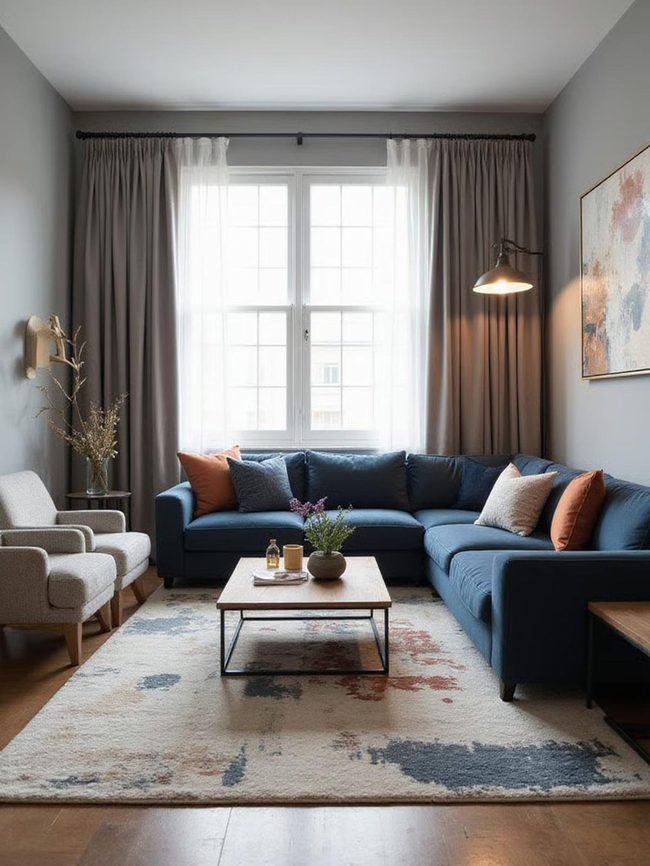
Furniture placement shapes how people naturally move and talk in your living room, so positioning seating within 3 to 8 feet of across other lets conversations happen without strain or awkwardness.
Starting with your room's main feature, a fireplace, window view, or entertainment area, and turning primary seating toward it makes the space feel purposeful and organized.
Pushing everything to the walls creates a tunnel-like feel that forces people to speak loudly across empty areas, so instead build smaller groupings that draw people together and encourage mingling.
Circular or semicircular seating arrangements actually help people feel equally included and more willing to participate, according to what psychologists have observed about how spaces influence behavior.
Open pathways between doorways, seating spots, and different functional areas keep movement smooth and prevent awkward bottlenecks that make a room feel cramped.
For bigger rooms, you can set up multiple seating zones with different purposes while keeping everything connected through matching colors and styles.
Clear Surfaces Define Living Room
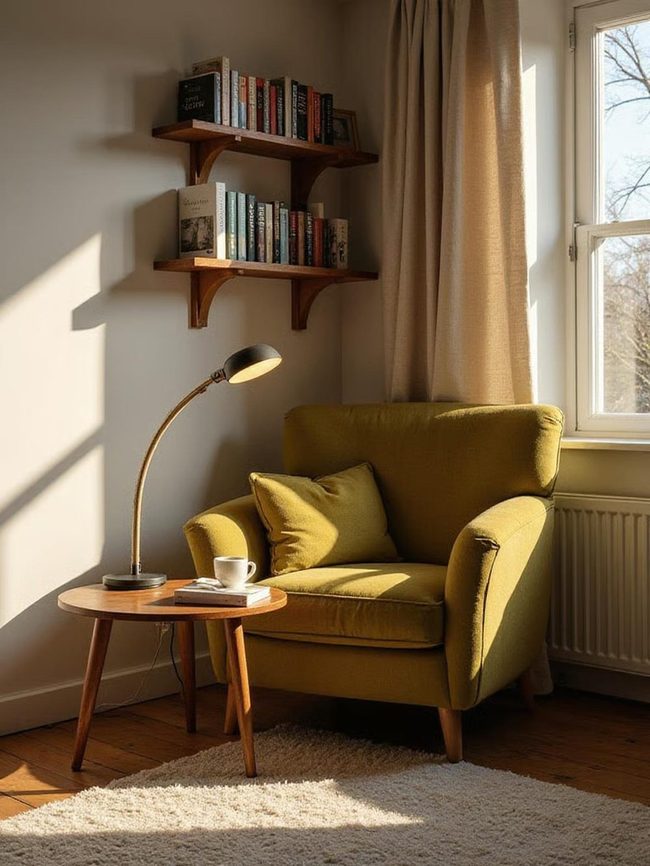
Clutter will sabotage even the most skillfully designed living room, so keeping surfaces clear matters more than you might think.
A messy space feels cramped and chaotic no matter how expensive the furniture or well-planned the layout, and all that visual noise pulls your attention away from the design elements you've actually invested in.
Beyond how it looks, research shows that clutter increases stress and anxiety because it reminds you of unfinished tasks and makes it harder to relax or focus, so a tidy room genuinely helps you feel calmer and more in control.
Studies have even found that high clutter levels raise cortisol, your body's stress hormone, which means a clean space isn't just nice to look at, it's better for your wellbeing.
Looks the simplest way to stay on top of this is spending five minutes across evening putting things back where they belong and straightening up pillows and blankets before they pile up.
When you give across piece room to breathe, your living room finally shows off what you've chosen and lets you actually unwind there.
Neutral Walls, Changeable Accessories
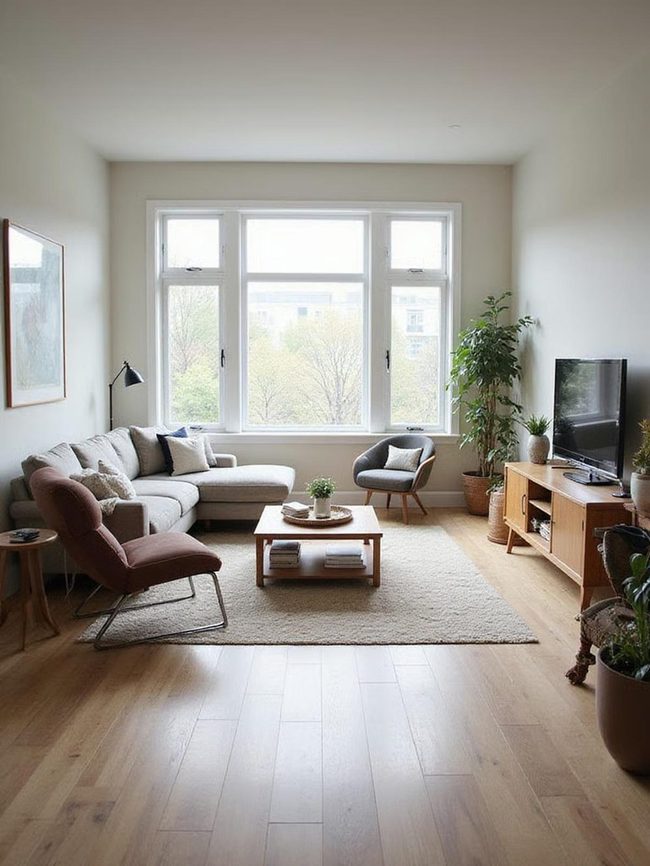
Furniture pieces like sofas and built-in shelving form the foundation of your living room, so investing in quality items with classic proportions makes sense for the long haul.
Walls painted in neutral tones and architectural features stay relevant across decades, unlike trendy styles that age quickly.
You can express your personality through accessories like pillows, artwork, and smaller furniture that you can swap out whenever your taste shifts or new trends appeal to you.
This split approach means your space feels grounded and current without needing a complete redesign every few years.
Choosing timeless forms over fleeting styles also reduces waste and keeps your budget manageable by directing money toward pieces that last.
Your living room reflects who you are today while staying flexible enough to grow as you change, and that balance between personal expression and lasting appeal is what makes a space truly yours.
Michael Thompson
Senior Content Editor
Expertise
Content Strategy Development, Editorial Team Leadership, Home Décor Trends & Style Curation, Digital Storytelling for Interior Design, Quality Assurance in Publishing
Education
University of Missouri, Columbia
University of Texas at Austin
Michael Thompson is the senior content editor at Decorrio, bringing over 12 years of experience in journalism and home décor writing. With a journalism degree from the University of Missouri and a master’s in English from UT Austin, he blends storytelling with expert design insights.
At Decorrio, Michael curates inspiring content that helps readers transform their spaces with style and ease. He’s passionate about home organization, DIY projects, and quality design ideas that make everyday living more enjoyable.
Outside of work, Michael enjoys exploring Austin’s culture, tackling home improvement projects, and mentoring aspiring writers.