
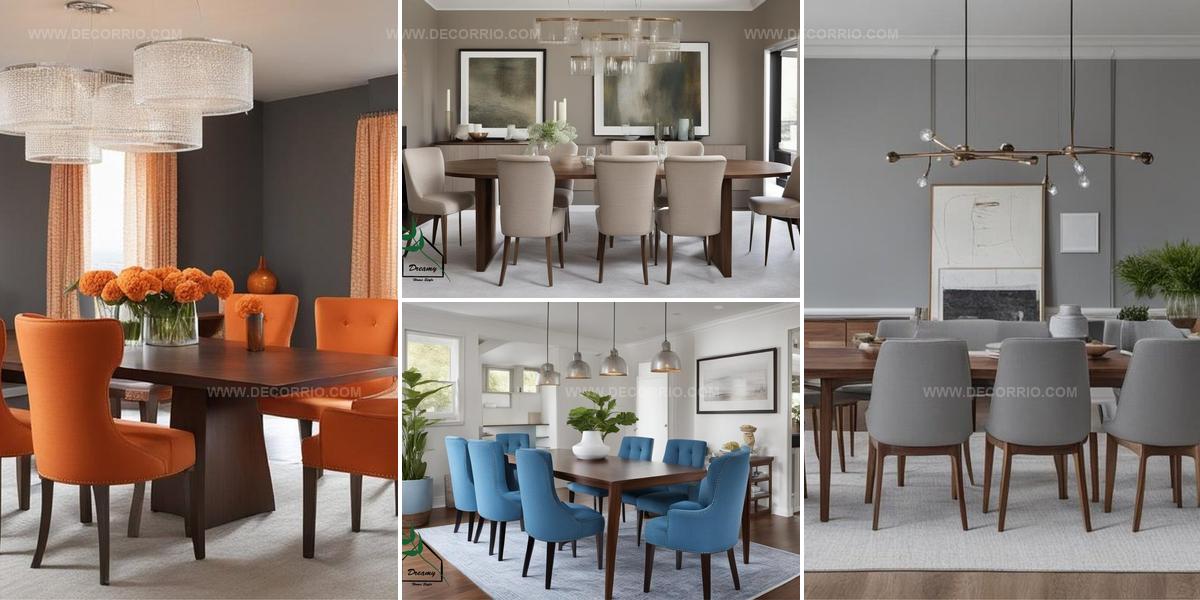
6 Must-Have Chair Colors To Go With Walnut Table
Walnut tables pair beautifully with chairs in many hues, from soft neutrals to bold statement colors.
The rich brown tones of walnut wood offer incredible versatility when selecting seating options.
Cream and beige chairs complement the warmth without competing for attention in a room.
Black or charcoal seating creates dramatic contrast that highlights the natural grain patterns.
Navy blue or forest green options add depth while maintaining an elegant, cohesive appearance.
Mixing metals like brass or copper legs can introduce contemporary flair alongside traditional wood finishes.
Finding the perfect match for a dining space becomes an exciting design opportunity when considering all the beautiful combinations available.
Taupe Bridges Gray And Brown Perfectly
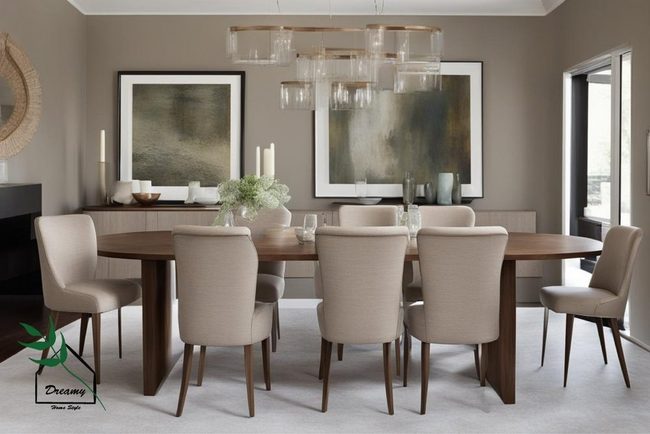
Taupe pairs beautifully with walnut wood and keeps your space feeling refined without sliding into dull territory.
Known as "dull pink," taupe offers real sophistication through its neutral sepia tones that bridge gray and brown perfectly.
You can use taupe in muted furnishings like drapes, pillows, or a throw blanket draped over the back of a chair to echo walnut's warm, rich notes without overpowering the wood's natural beauty.
Walls painted in taupe work as a light, airy backdrop that still feels grounded and breathable, even in smaller rooms.
A plush taupe area rug adds another layer of polish to the overall look and helps anchor the space.
One built for regular use bonus is that taupe hides dirt and dust really well, so your room stays looking fresh between cleanings.
What makes taupe so useful is its flexibility, it slides seamlessly into traditional spaces, modern designs, and farmhouse styles alike.
If you're after understated refinement and a pairing that feels effortless rather than forced, taupe is exactly what you need next to your walnut pieces.
Salmon Pink Walnut Maple Pairing
Salmon brings warmth and energy to walnut's solid foundation, with coral, peach, and apricot shades pulling out hidden pink and orange tones in the wood grain that shine when paired together.
You can introduce this lively color through bohemian pillows, art prints, or planters without overwhelming your space.
Walnut and salmon work beautifully in coastal settings like beach cottages and mountain cabins, as well as casually elegant farmhouse spaces where the combination feels both grounded and uplifting.
Modern contexts benefit from this pairing too, think Moroccan or Turkish inspired accents for a globally eclectic feel.
In any setting, salmon enlivens walnut's understated character and creates a balanced union that blends natural sophistication with laid-back charm.
Whether you lean toward earth tones or prefer more high-energy hues as accents, the key is finding a palette that matches your personal style.
Walnut And Terra Cotta Accents
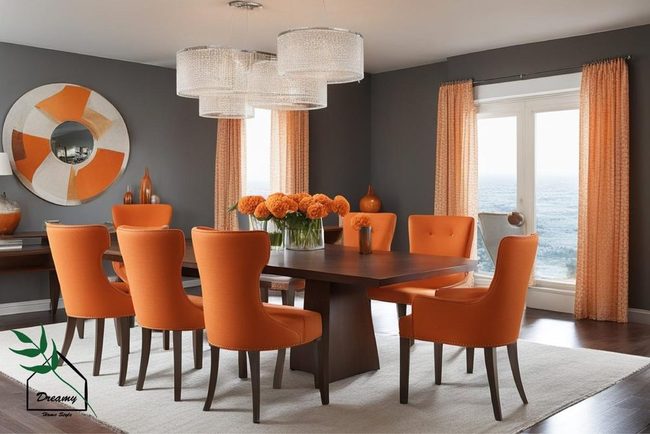
Orange might surprise you as a pairing with walnut, but burnt sienna and terra cotta shades deliver bold warmth that still lets walnut's natural character stand out beautifully.
Throw pillows, framed prints, or decorative bowls in these orange tones become eye-catching accents without overwhelming the space.
Used sparingly, orange adds liveliness and dimension in ways few other colors can match.
Earthy shades like terra cotta ground the look and tap into walnut's inherent coziness naturally.
What makes this combination special is how it works across seasons, these hues feel festive in fall while keeping a equally mood chic against snowy backdrops or summery patterns.
Orange adds a warm glow similar to a bronze tan, present without demanding attention.
Don't hesitate to break design norms and pair walnut with orange for something entirely fresh and original.
You can find this combination brings joy and energy year-round, making any room feel more lively and personal.
Walnut Oak Meets Emerald Green
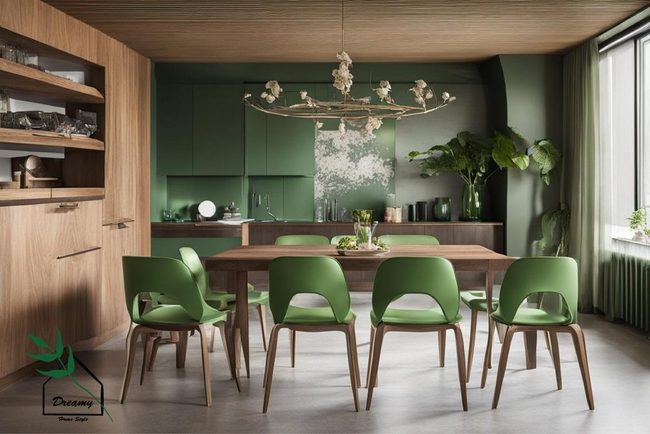
Walnut wood paired with deep forest or emerald green creates a notable contrast that highlights the richness of both colors and brings an immediate sense of natural sophistication to any room.
Lighter shades like mint or sage brighten the space without overwhelming the wood's warmth, and you can shift between these tones depending on whether you want a modern farmhouse feel or a mid-century minimal look.
Green has a remarkable ability to make spaces feel relaxed and grounded, and when it partners with walnut's classic charm, it introduces a refreshed contemporary edge that feels both timeless and current.
You can introduce green through pillows and artwork, or keep it understated with small accents scattered around a walnut table or cabinet.
Even a simple low arrangement of fresh leaves or potted plants makes a noticeable statement next to walnut built-ins and creates a natural connection throughout your space.
Olive and pine tones work beautifully for traditional settings, while mint and emerald shine in modern designs.
Adding green to your walnut furniture is essentially the eco-friendly finishing touch your space has been waiting for.
Medium Gray With Warm Walnut Wood
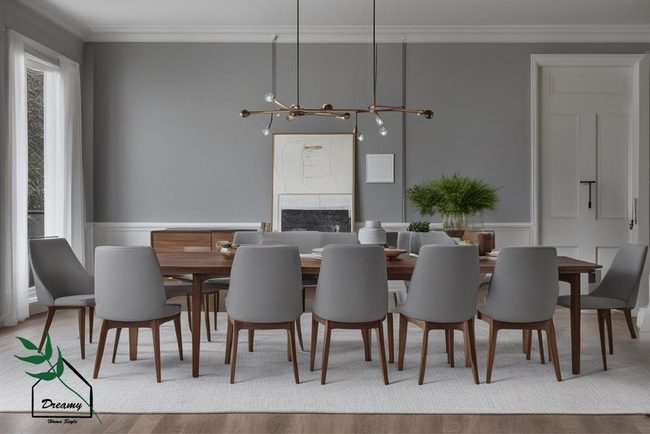
Charcoal gray brings serious drama to walnut wood, creating bold visual contrast that stops you in your tracks, while lighter shades like mist or dove keep spaces feeling light-filled and airy instead.
Medium grays such as storm cloud or iron offer the best balance between the two extremes and work across nearly any room style you choose.
Gray pairs so well with walnut because it stays neutral and lets the rich brown woodgrain shine without competing for attention, and this backdrop approach gives you the warmth of wood plus the sophistication that comes from cooler tones.
You can use gray on walls, accent chairs, bedding, and area rugs, and a gray rug under a walnut table brings the whole space into harmony in a way that feels refined.
What makes this pairing so reliable is that gray works equally well in traditional homes and modern spaces alike, never falling out of favor or feeling dated.
Gray doesn't dominate the room or clash with walnut's natural beauty, instead sitting quietly in the background so the wood can be the real star.
Whether you want something light and open or bold and moody, this color combination adapts to your vision.
Walnut and gray simply belong together, and you can find this duo works in nearly every decorating situation you encounter.
Navy Blue Walnut Sophisticated Pairing
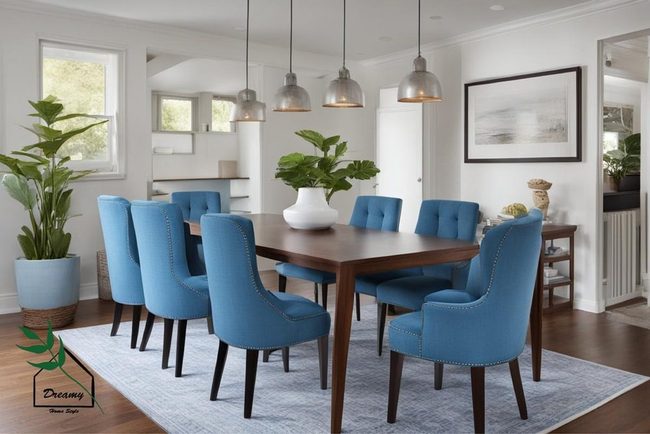
Navy blue and walnut wood together hit you with instant curb appeal, combining that rich wood with deep, saturated color to deliver old-world aristocracy and vintage glam vibes reminiscent of antique furnishings and velvet drapes.
If dark tones feel too heavy, lighter blues like robin's egg or periwinkle work equally well and bring a fresher coastal feel that brightens walnut's warmth in a sophisticated way.
You can introduce blue through art, décor, or a few statement pieces without overwhelming the space, since less is more with this pairing.
A printed pillow sham or gallery wall delivers high impact while maintaining balance, and walnut's richness naturally grounds those airy blue tones so they feel grounded rather than scattered.
Blue accents pair beautifully across decorating styles too, whether you lean traditional or modern, so you have real flexibility in how you approach it.
The combination of these two colors works because they honor both sophistication and vibrancy at once.
Michael Thompson
Senior Content Editor
Expertise
Content Strategy Development, Editorial Team Leadership, Home Décor Trends & Style Curation, Digital Storytelling for Interior Design, Quality Assurance in Publishing
Education
University of Missouri, Columbia
University of Texas at Austin
Michael Thompson is the senior content editor at Decorrio, bringing over 12 years of experience in journalism and home décor writing. With a journalism degree from the University of Missouri and a master’s in English from UT Austin, he blends storytelling with expert design insights.
At Decorrio, Michael curates inspiring content that helps readers transform their spaces with style and ease. He’s passionate about home organization, DIY projects, and quality design ideas that make everyday living more enjoyable.
Outside of work, Michael enjoys exploring Austin’s culture, tackling home improvement projects, and mentoring aspiring writers.