
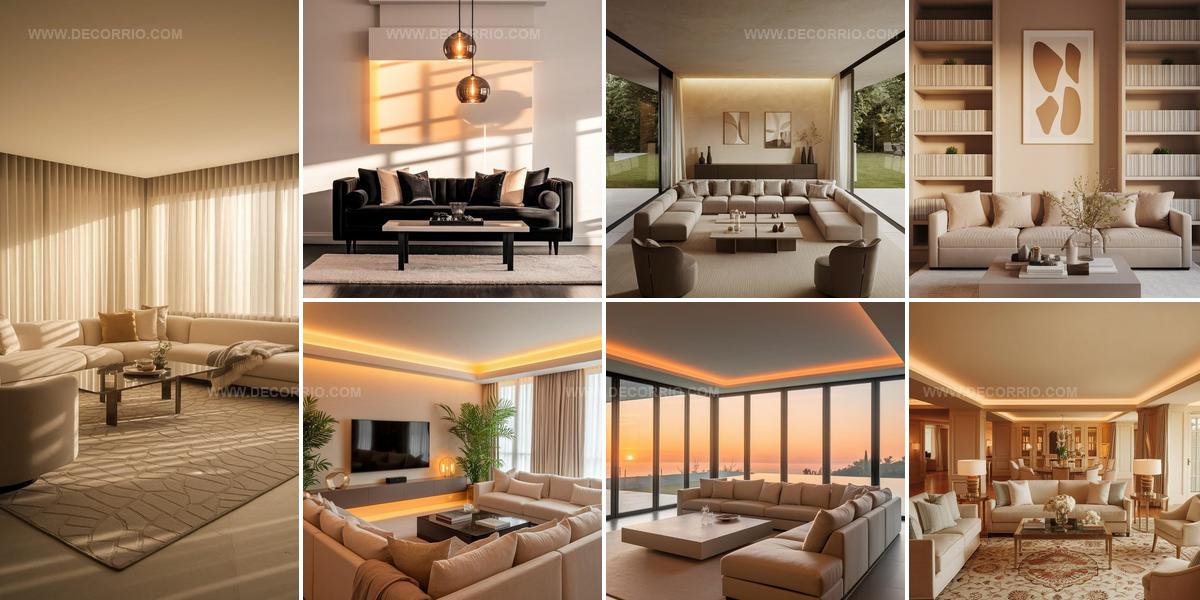
27 Smart Layout Plans for Rectangle Living Room Ideas
Rectangle living rooms present unique opportunities that many homeowners face when arranging furniture and maximizing space.
Long, narrow floor plans can feel challenging at first, but thoughtful layout choices make all the difference in how comfortable and functional the room becomes.
Smart furniture placement helps define separate zones without making the area feel cramped or awkward.
Color schemes, lighting options, and clever design tricks work together to balance proportions and enhance the natural flow.
Whether dealing with a compact apartment or spacious home, rectangular spaces respond beautifully to strategic planning.
Simple adjustments can shift a room from feeling like a bowling alley to an inviting place where everyone wants to gather.
You have more control over the final result than might seem possible at first glance.
Light Neutrals Open Narrow Spaces
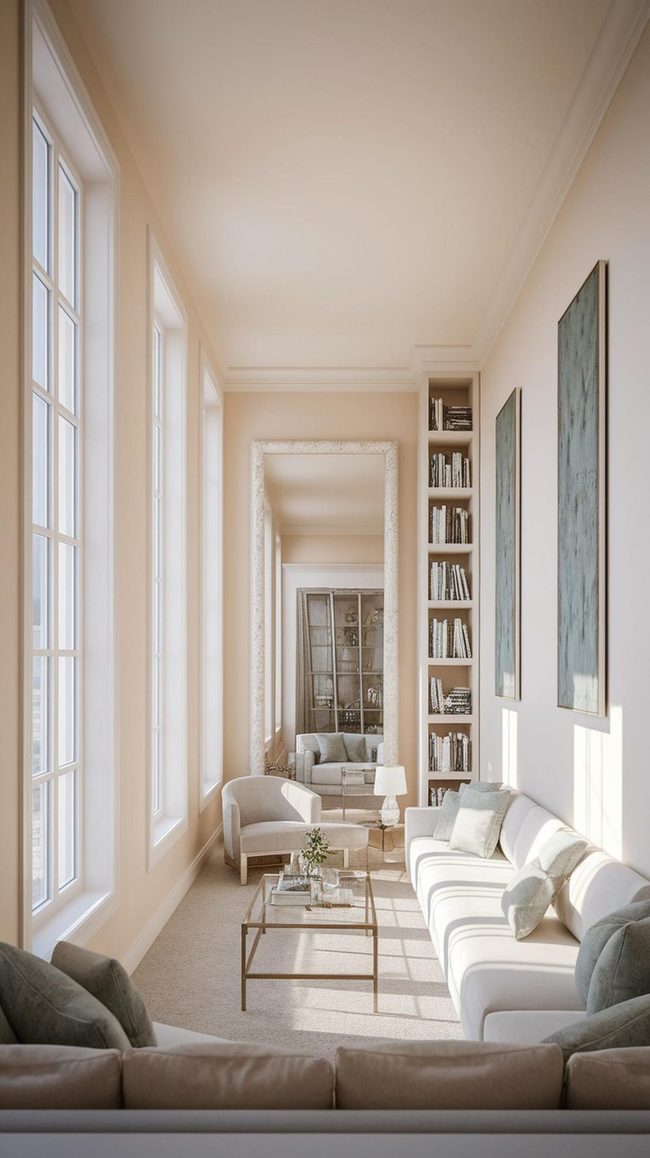
Decorating a narrow rectangle living room takes smart planning to avoid that squeezed-in feeling, so start by painting your walls in light, neutral shades that open up the space and make it feel bigger.
Mirrors and glass furniture work well because they reflect light and add depth to the room.
Mount your furniture on walls rather than placing it on the floor, and choose sofas that fade into the background so they don't eat up precious square footage.
Tall bookcases and artwork hung high on your walls draw the eye upward, which lifts the whole room and gives it an airy quality.
You can also use decorative pieces on higher shelves to emphasize that vertical space.
This concept helps your long, narrow room feel less cramped and more welcoming for everyday living.
Open Floor Plan Living Room Arrangement
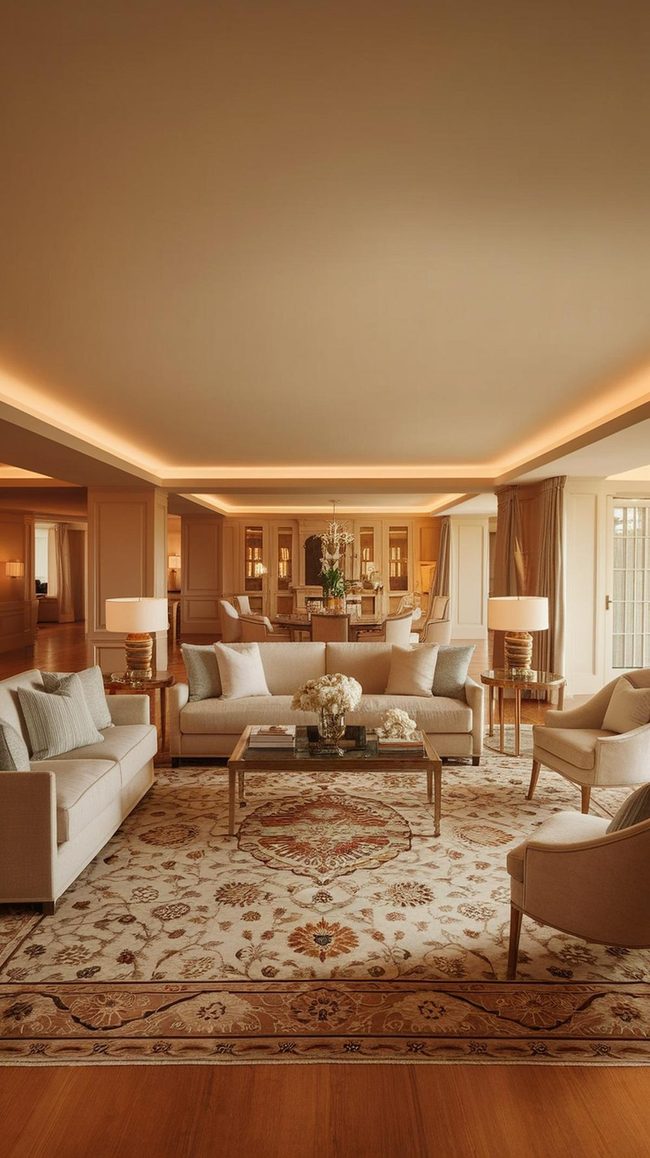
The rectangular living room layout depends mostly on the space itself and how you plan to use it, and once you understand these basics, you can arrange furniture in ways that feel both open and purposeful.
If your room is generous in size, keeping the area between your living and dining zones uncluttered allows you to move freely between spaces when you need to.
Positioning your sofa away from the walls rather than pushed against them helps the room feel less cramped and more balanced.
U-shaped or L-shaped seating works beautifully for relaxation and gathering, wrapping around the room in a natural way.
Wall-mounted storage and built-in shelving save floor space while keeping clutter out of sight, and they give your room a cleaner look overall.
The real goal is finding that sweet spot where you have just enough furniture to serve your needs without overwhelming the space with pieces, and leaving plenty of breathing room around what you do include makes all the difference in how the space functions day to day.
Gold Starburst Wall Shimmer
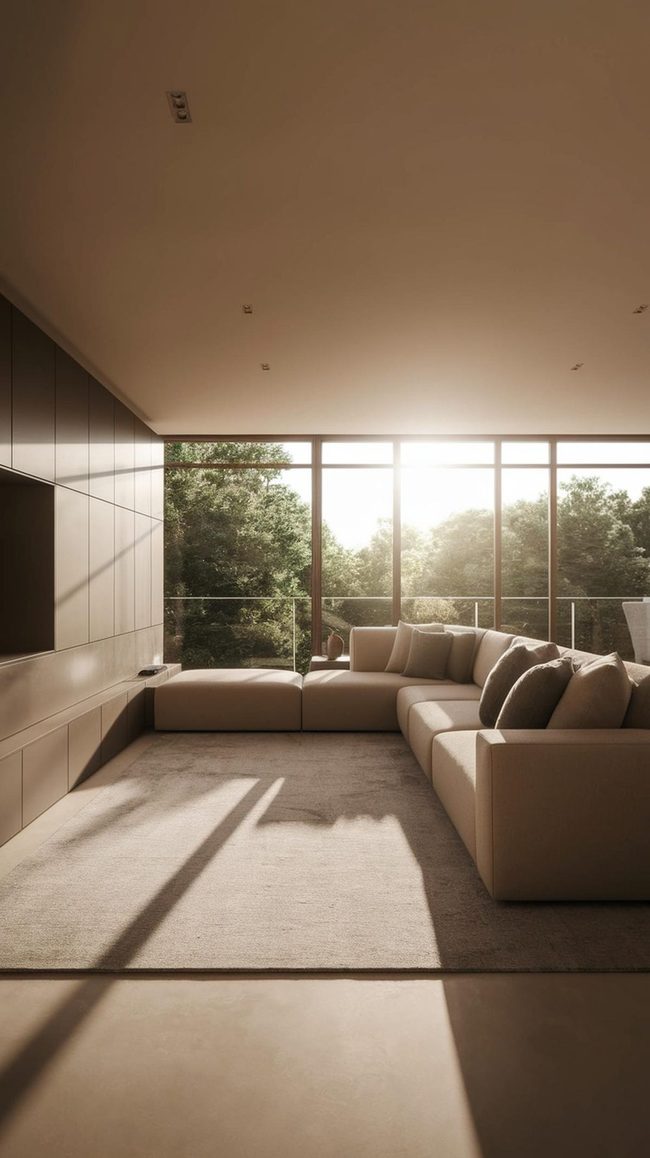
Gold starburst wall hangings bring instant shimmer and glamour to your rectangle living room, catching light and adding dimension to bare walls.
Tall artificial palm trees or a decorative room divider positioned strategically in corners brings greenery and vertical interest that makes the space feel larger and more dynamic.
Large area rugs in modern patterns anchor your furniture arrangement and define different zones within the room, while layered lighting from various sources keeps the space from feeling flat or one-dimensional.
A redesignible sectional sofa with a chaise offers both style and flexibility, adapting to how you actually live in the room whether you're lounging or entertaining.
Oversized bean bags in bold colors provide extra seating that's relaxed and casual without cluttering the layout.
Motorized roller shades add a smart, contemporary edge while keeping lines clean and unobstructed.
Metal bookends and smaller decorative objects on shelves add personality without overwhelming the space.
Keep your furniture placement balanced and avoid cramming too many pieces into one area, which lets the room breathe and flow naturally from one section to another.
Glass Top Table Brightens Long Spaces
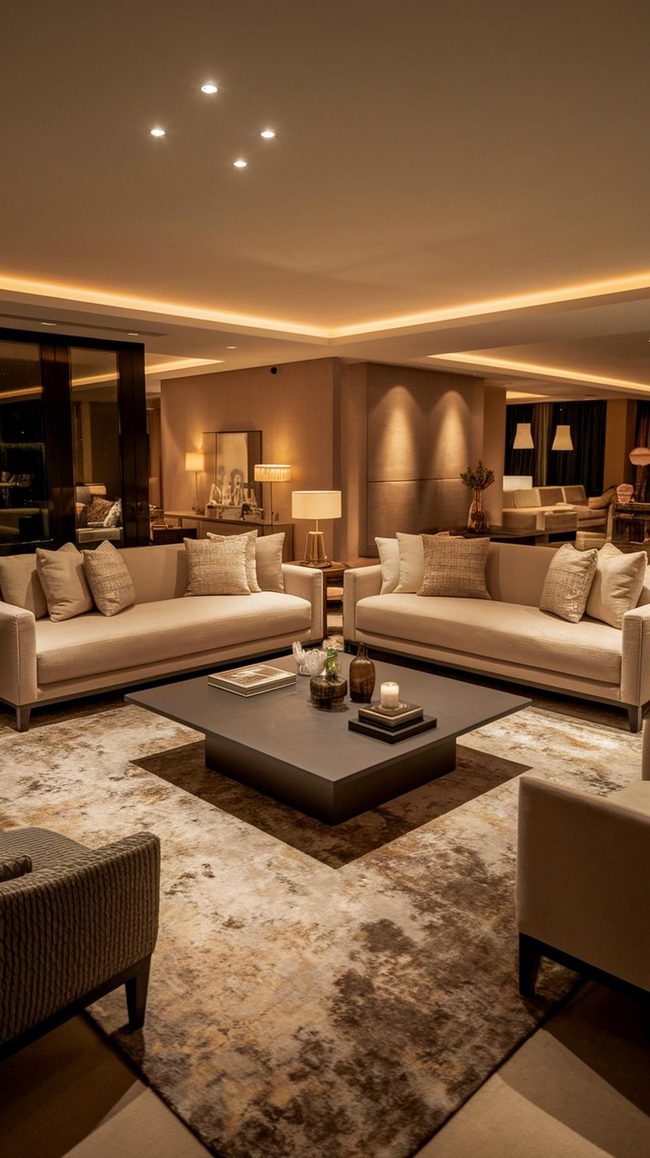
Rectangle living room demands a coffee table that matches the room's own proportions, so selecting one with an elongated shape works beautifully for those long, narrow spaces.
Round tables offer a nice contrast in tight layouts and soften the straight lines around you.
Glass tops function as grand art pieces since they bounce and reflect light throughout the room and bring brightness without taking up visual weight.
Wood finishes, metal bases, and stone surfaces all speak different style languages depending on what mood you want in your space.
Matching your table's material to your existing decor makes everything feel connected and strategic.
Dark woods suit traditional rooms while lighter tones open up modern spaces.
Once you land on the right table, it anchors your whole seating arrangement and ties together how comfortable and stylish your living area feels.
Wall-Mounted Tv With Modern Media Console
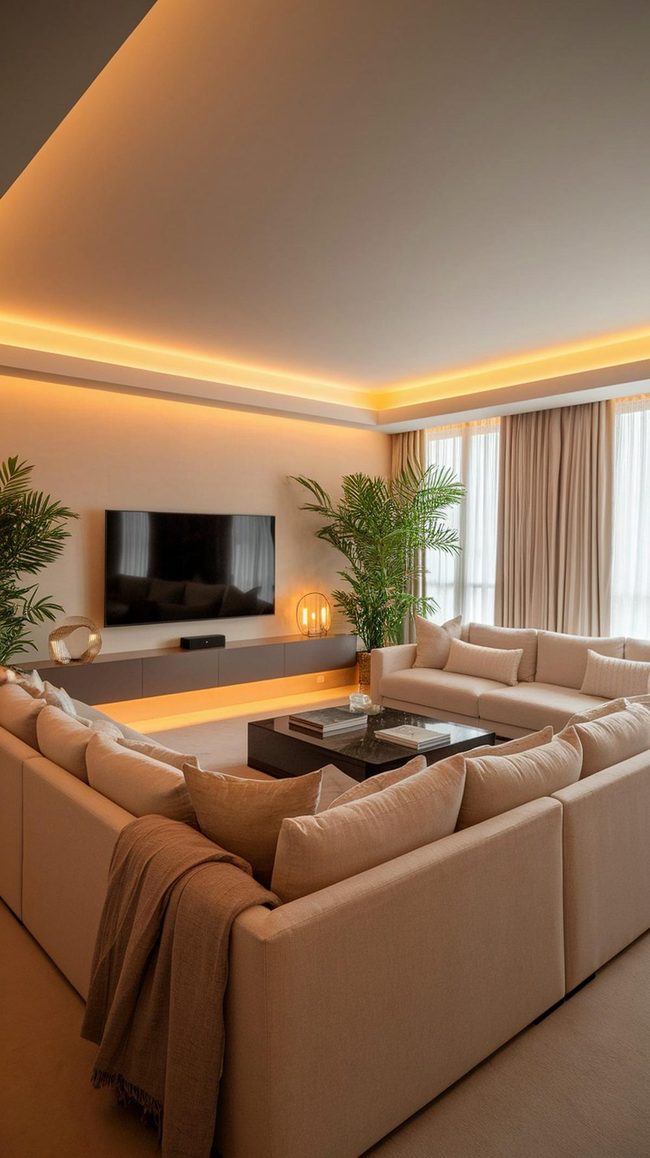
TV setup deserves to be both beautiful and handy, so placing the television on a central wall or above a fireplace saves valuable space while keeping everyone's sight line perfect.
A understated, low-profile media console below handles all your electronics and maintains that modern feel without clutter.
Position your seating at the right distance to enjoy movies the way they're meant to be seen.
Lighting makes all the difference in transforming the mood, so install LED strips behind the TV or add dimmable sconces on either side to give your space that theater-like atmosphere.
Discover register how these elements coordinate to make your entertainment area feel both refined and genuinely comfortable for relaxing and watching with others.
Flexible Furniture Arrangement For Flow
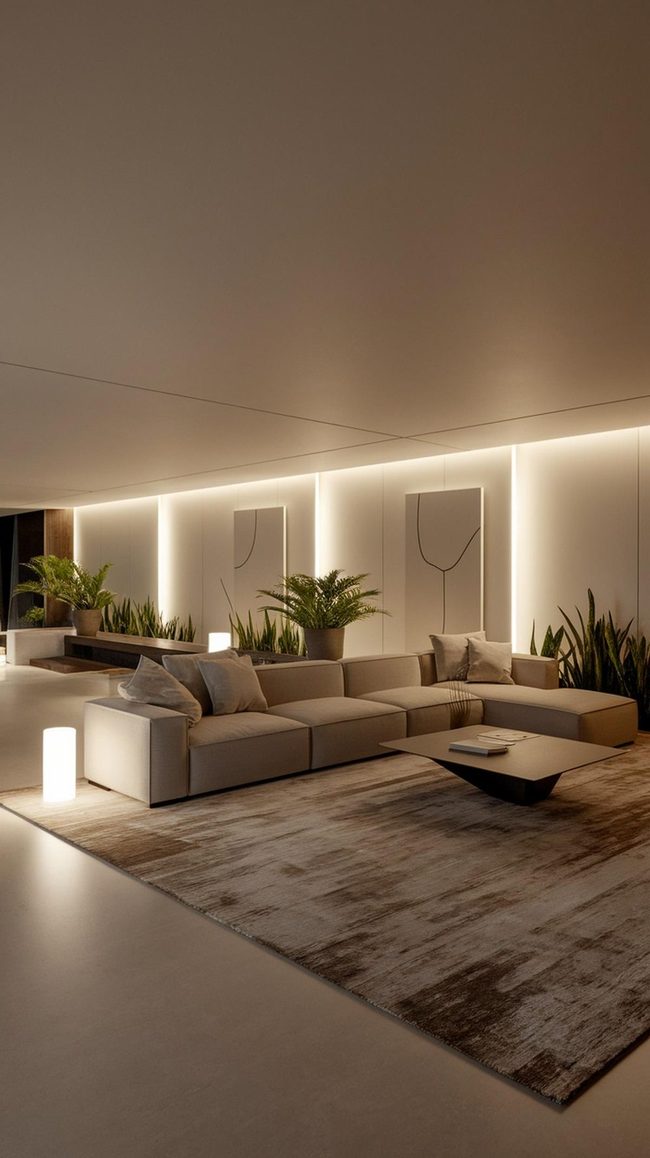
Room's layout sets the stage for everything else, and how you arrange the space matters more than you might think.
Open floor plans work beautifully in larger rooms and let the area breathe, while movable furniture keeps smaller spaces from feeling cramped no matter what size you're working with.
Symmetrical arrangements bring a sense of calm and order to your surroundings, whereas asymmetrical setups give the space a livelier, more dynamic feel.
Built-in storage keeps clutter hidden and out of sight, and clear pathways guide you and others through the room without any awkward stops or tight squeezes.
Balanced Furniture Zones Rectangle Room
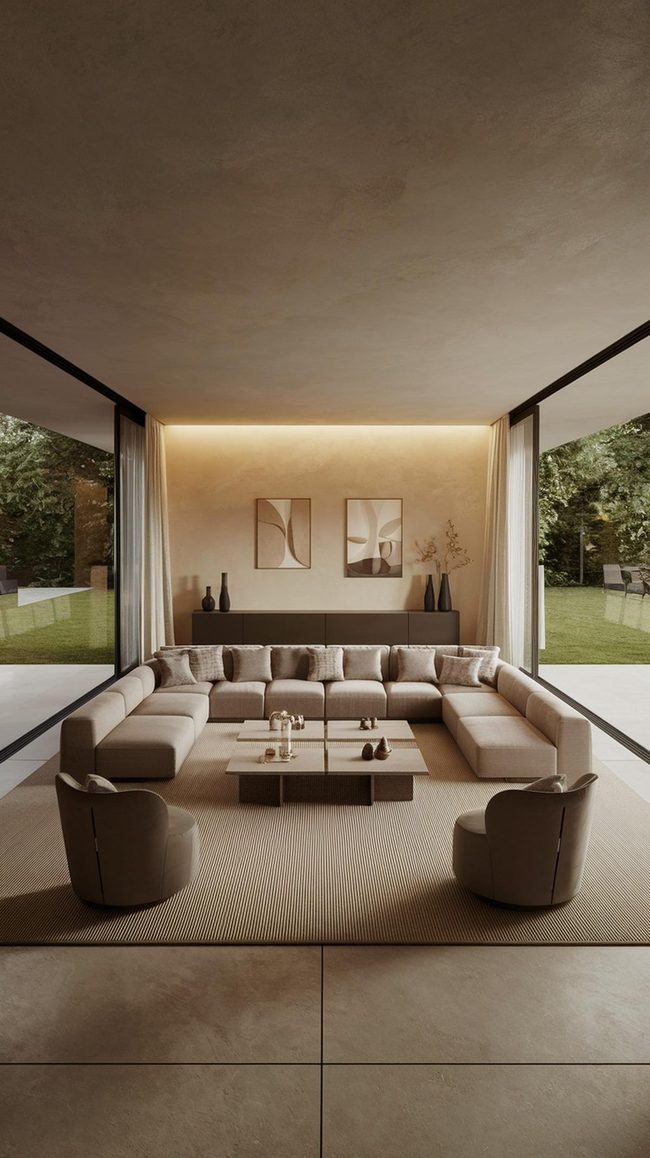
Rectangle living room works best when you start by mapping out where seating, entertainment, and pathways will go throughout the space.
Position your main sofa with two accent chairs across from it to distribute weight evenly and keep the room from feeling lopsided.
If your room stretches quite long, breaking it into smaller zones like a reading corner or desk area prevents it from seeming too elongated and empty.
Mark where people naturally walk and use area rugs to show where per individual zone begins and ends.
A coffee table sized right for your seating arrangement becomes a natural gathering point and anchors the layout.
Tall shelving units take up minimal floor space and hand you both storage and a way to draw the eye upward without cramping the room.
Dark Wood Rectangle Living Room Table
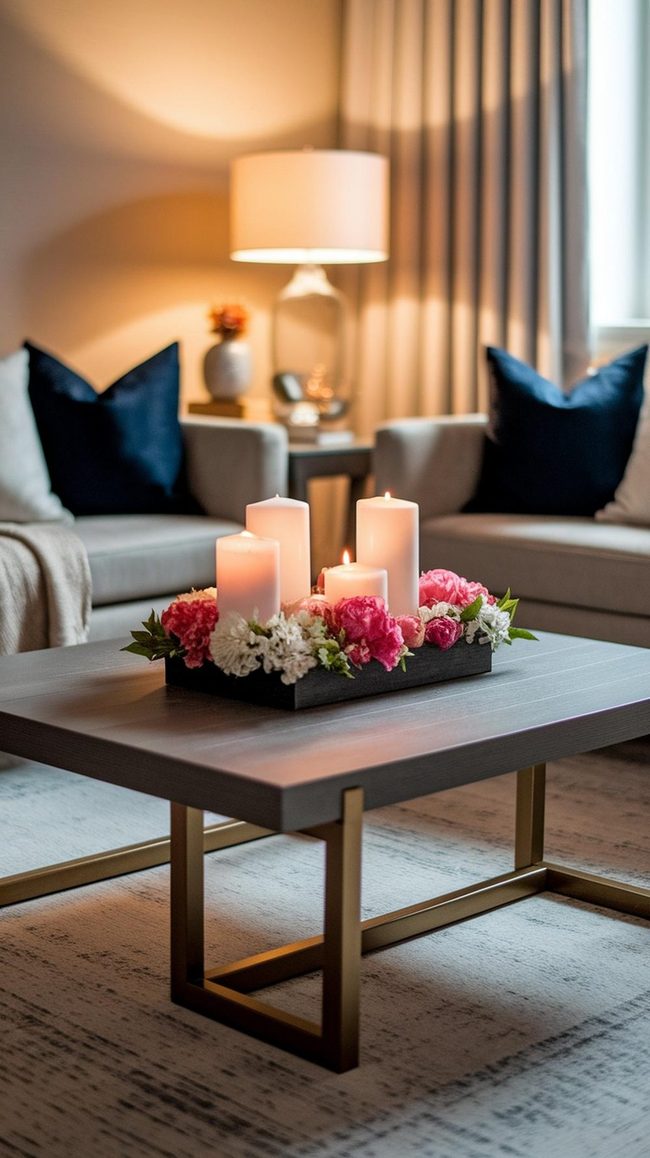
Rectangle living room table does double duty as both a sober surface and a style statement in your space.
You can select from various shapes and sizes to place at furniture ends and strengthen your room's overall design flow.
Glass-top options work beautifully for a light, airy feel, while nesting tables offer flexibility when you need extra surface area.
Dark wood and industrial materials bring a modern edge to any living room.
Once you add a tray with candles or a vase of fresh flowers on top, your table becomes a real focal point that draws attention and shows off your personal taste.
Open Plan Living Room Zoning
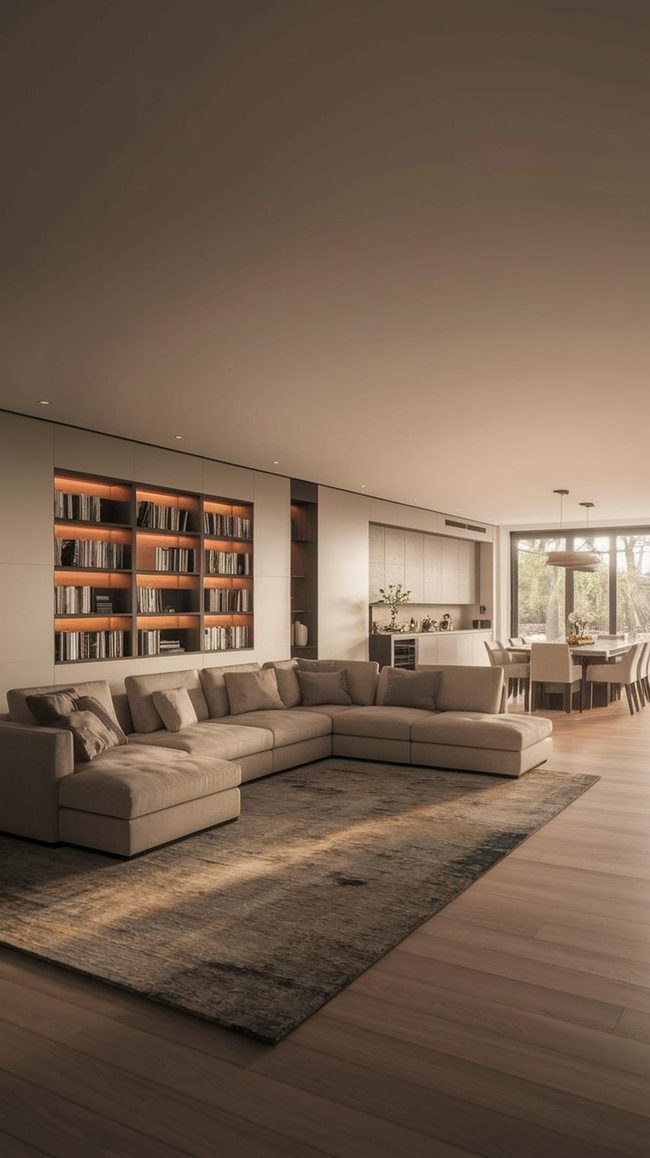
Positioning your furniture smartly keeps a rectangular living room from feeling cramped and awkward, so try floating your seating away from the walls to open up the space and avoid creating rigid boundaries that chop up the room.
Large area rugs anchor your seating zones and help distinguish your living space from the kitchen or dining area without needing actual walls.
Built-in shelves work as natural dividers between sections of your home while keeping everything light and airy.
Decorative panels and small accent lamps placed around the room also separate different zones, and they add visual interest without stuffing the space.
By mixing these strategies together, you can carve out distinct areas for relaxing, dining, and kitchen work while your living room still feels connected and spacious.
The key is balancing definition with openness so no corner feels isolated or boxed in.
This theme lets you enjoy the benefits of an open plan without sacrificing that sense of separate zones your home needs.
Wall-Mounted Tv With Neutral Furnishings
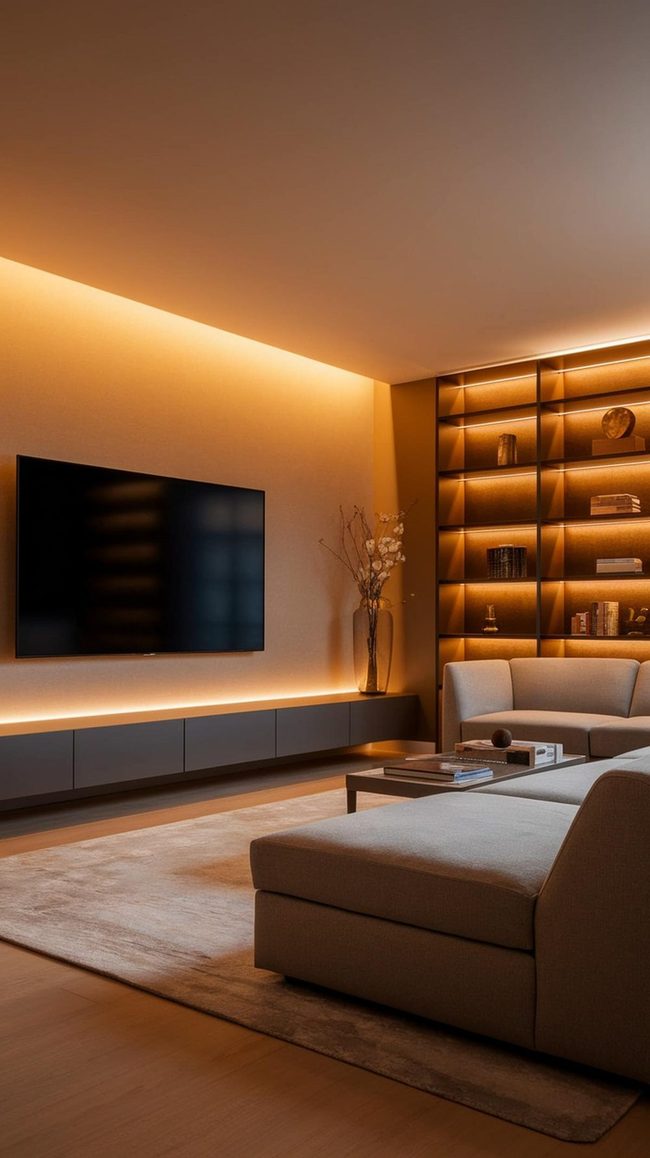
Hanging your TV on the middle wall of a rectangle room keeps it at eye level and opens up valuable floor space around it.
For longer rooms, a floating media unit paired with sharp-lined shelving creates a smooth entertainment setup without taking up much room.
An L-shaped or sectional sofa works well as your main seating piece and helps keep the layout feeling open and spacious.
LED backlighting along the TV edges adds a warm glow to the room and looks modern without overwhelming the space.
Stick with neutral-colored furniture so your room feels fresh and relaxed rather than cramped or heavy.
One thing to avoid is mounting your TV in front of windows because sunlight will bounce off the screen and make viewing difficult.
Adding curtains or blinds near your windows solves this problem and gives you control over how much light enters the room.
Geometric Patterns In Neutral Tones
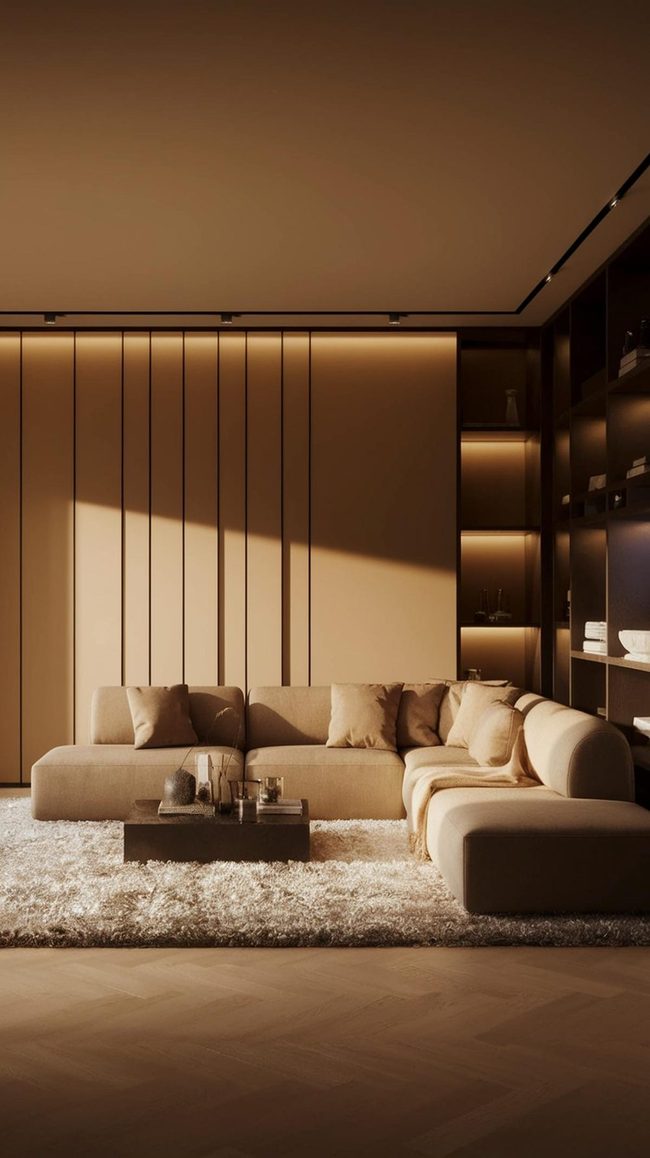
Rectangular living rooms offer a chance to balance beauty with smart use of space, and the key to success lies in good symmetry regardless of your style preference.
Bold geometric patterns on cushions and covers stand out immediately in modern spaces with neutral colors, making them the first thing you see when you walk in.
For a warmer, more relaxed feeling, you can layer in wood textures and furniture in earthy and lighter shades with natural fabrics.
Lighting makes a huge difference in how the room feels, and combining pendant lights, sconces, and layered lamps spreads warmth throughout the space.
Artwork and mirrors add visual interest and help balance the room's proportions.
Small touches like these transform a basic room into one that feels deliberate and well-designed.
Pale Walls Open Narrow Rooms
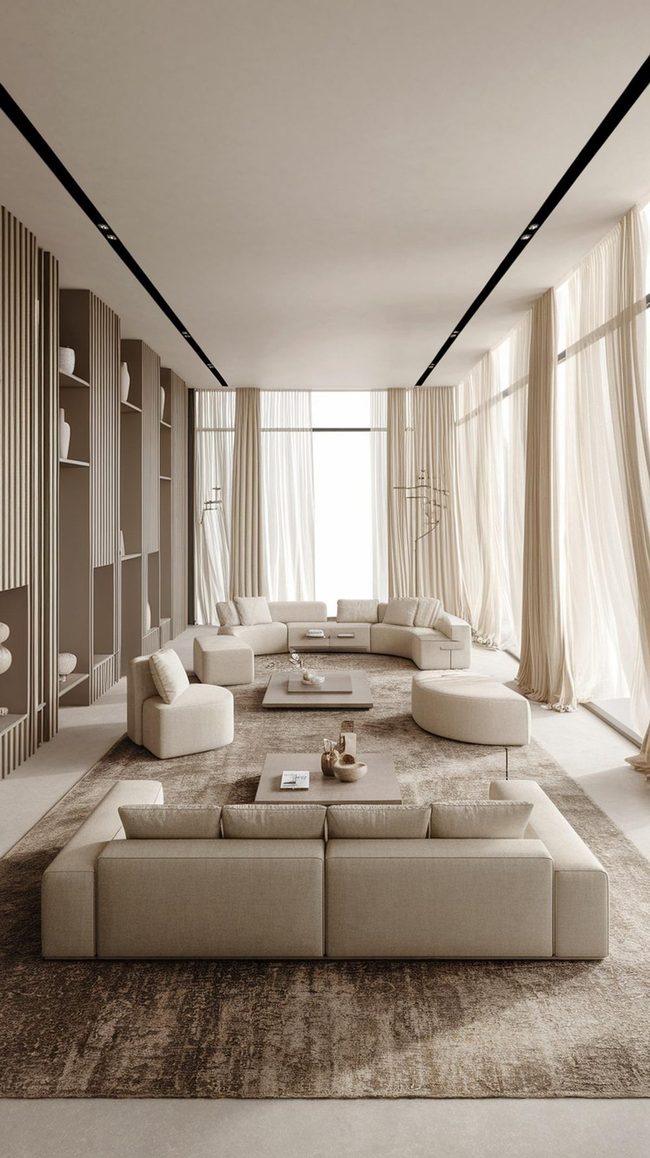
Rectangular living room doesn't have to feel cramped just because of its narrow shape, and you can open up the space with some smart design choices.
Light colors on your walls and furniture make the room feel airy and expansive, so consider painting everything in pale tones.
Rearranging your furniture to float in the center of the room instead of pushing it against walls frees up space and lets you move around more easily.
Choosing pieces with legs rather than skirted bottoms also helps the eye see more floor, which makes everything feel less dense.
Going vertical with tall bookcases, wall-mounted shelving, and high artwork draws the eye upward and adds dimension to your space.
Natural light from windows plays a huge role too, so keep your window treatments minimal and let brightness fill the room.
Mirrors are another simple trick that bounces light around and makes the length of your room feel even longer.
These layers of choices flow to transform a tight rectangular space into somewhere that actually feels open and welcoming.
Soft Fabrics Meet Metal Accents
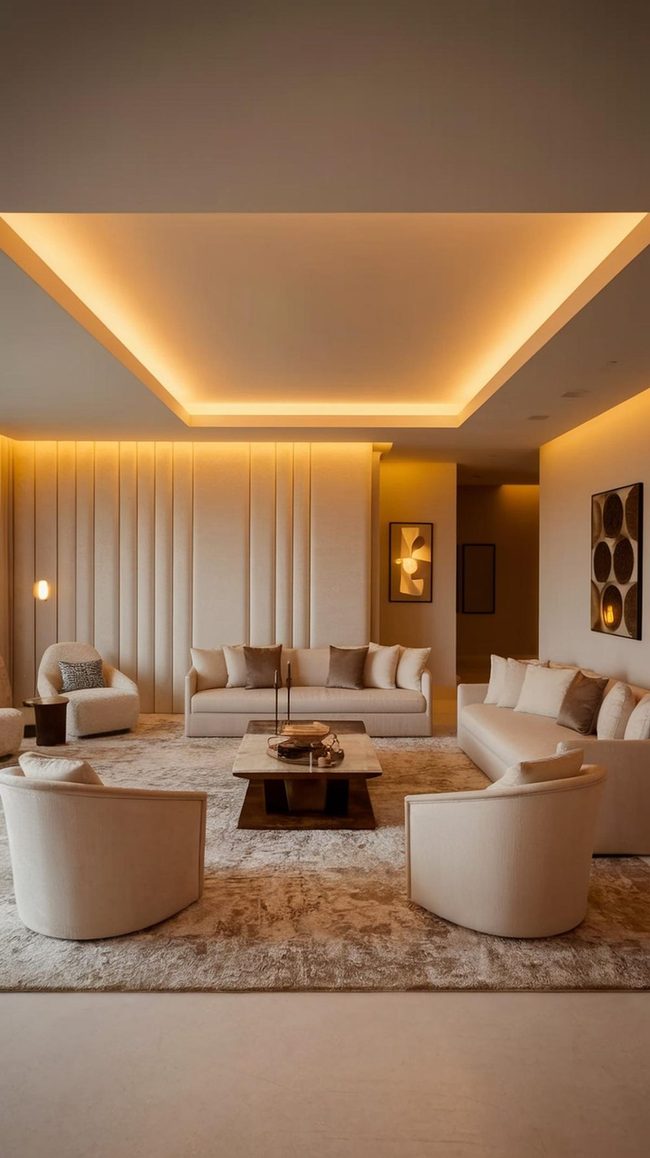
The living room layout works best when it balances your personal style with how you actually use the space, and one of the most striking ways to achieve this is through bold contrasts like pairing a plush rug with minimal metal accents, which immediately draws the eye and adds depth to the room.
You can go minimalist with clean lines and neutral tones for a calm foundation, or you can layer in varied colors and accessories for more personality and visual interest.
How you arrange your furniture matters just as much as what you choose, since pieces that fit your room's dimensions and flow birth open areas you can adapt over time.
Whether your taste runs toward simplicity or mixing different styles together, the key is making sure everything has its place and serves a purpose in how you live.
Open floor space lets you breathe and move freely through the room, and it also gives you room to shift things around as your needs change.
Pairing textures like delicate fabrics with hard finishes brings warmth without feeling cluttered, and this balance is what keeps a room from feeling cold or too busy.
Your design should feel good to live in every day, not just look good in photos.
Sunlit Dining Window Flow
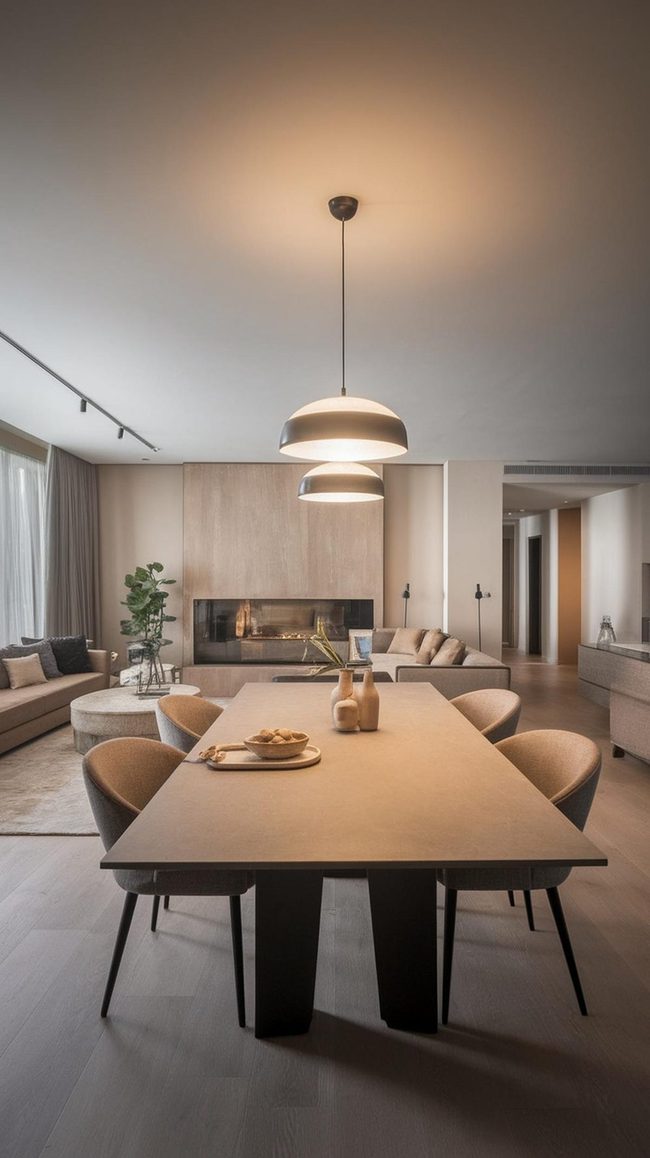
Rectangle living room gains drama when you position the dining table right by the window, where sunlight floods in and keeps foot traffic flowing smoothly through the seating area.
A rectangular dining table works perfectly here because it echoes your room's long shape and makes everything feel balanced.
Matching colors throughout both zones and repeating design elements like pendant lights and rugs help the two areas feel like one structurally consistent flow.
Furniture that serves double duty, like tables with hidden storage or benches that double as seating, keeps the space functional without cramping your layout.
Skip heavy dividers and instead let the two areas blend naturally.
Furniture choices and thoughtful spacing work better than walls or screens.
Layered Textures With Statement Lighting
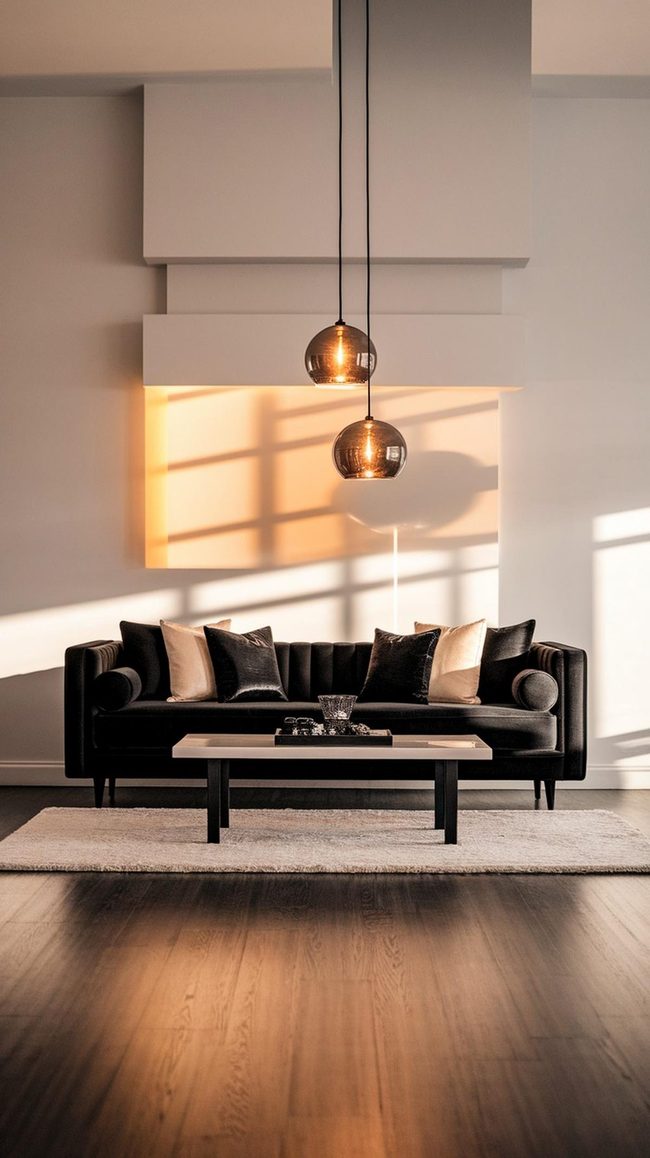
Lighting fixtures like chandeliers and pendant lights should be your first priority because they grab attention and define the entire room's character.
Layering different materials such as velvet sofas, wooden floors, and metal accents throughout the space adds depth and draws the eye upward naturally.
A neutral base using monochrome or earth tones gives the room a refined quality and lets you breathe easier when decorating.
Strategic pops of color in your accessories and decorative pieces prevent the space from feeling dull or flat.
Built-in shelving and room dividers serve a dual purpose by organizing your belongings while also carving out distinct zones within the rectangular layout.
This combination of smart choices means you get both beauty and usefulness in one space that actually works for how you live and move around daily.
Spacious Living Room Multiple Functional Zones
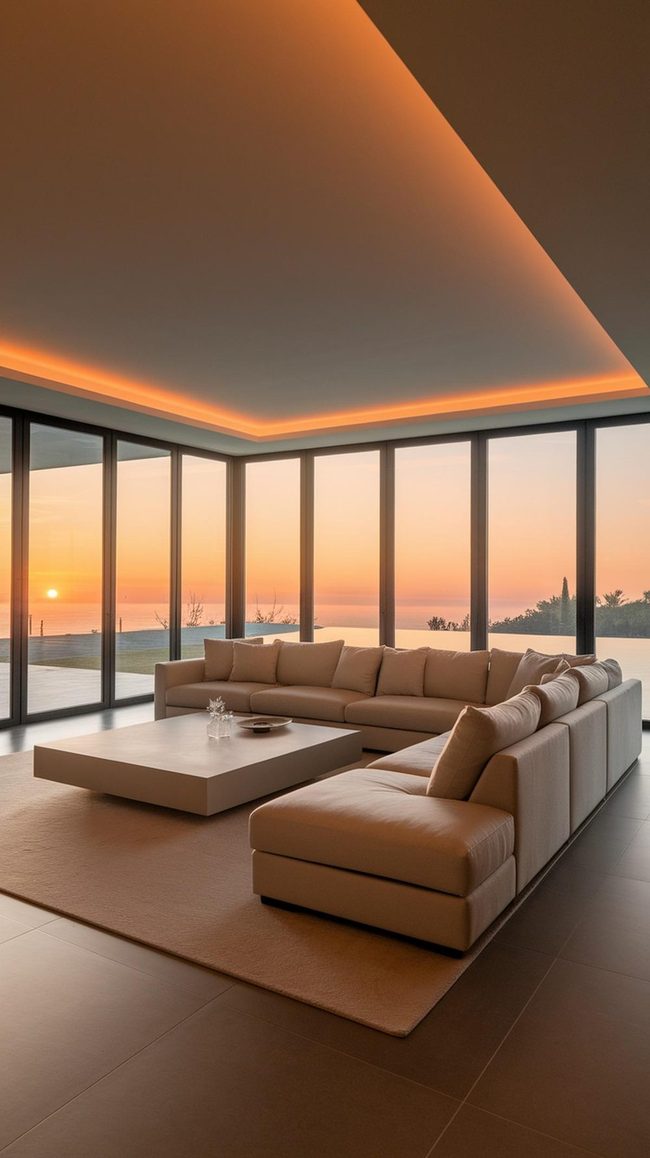
This large rectangular living room gives you freedom to design exactly what you want, so evaluate dividing the space into different zones based on how you can use it, perhaps a seating area, a spot for watching TV, and a quiet corner for reading.
Big furniture pieces like a deep sectional sofa and a substantial coffee table fill the room without making it feel empty or cold.
Multiple light sources scattered throughout, such as floor lamps and hanging lights, let you adjust the mood and brightness depending on what you're doing at any moment.
Since you have so much square footage to work with, you can add layers and depth that make the room feel complete and balanced.
The key is thinking about how people will actually move through and spend time in your space.
You want furniture arranged so gatherings happen naturally and across every zone feels purposeful.
Breaking up one large area into smaller, defined spaces prevents it from feeling sparse or disconnected.
Your unique tastes and needs should guide every choice you make, since this room is yours to shape however you like.
Floor-To-Ceiling Glass Opens Spaces
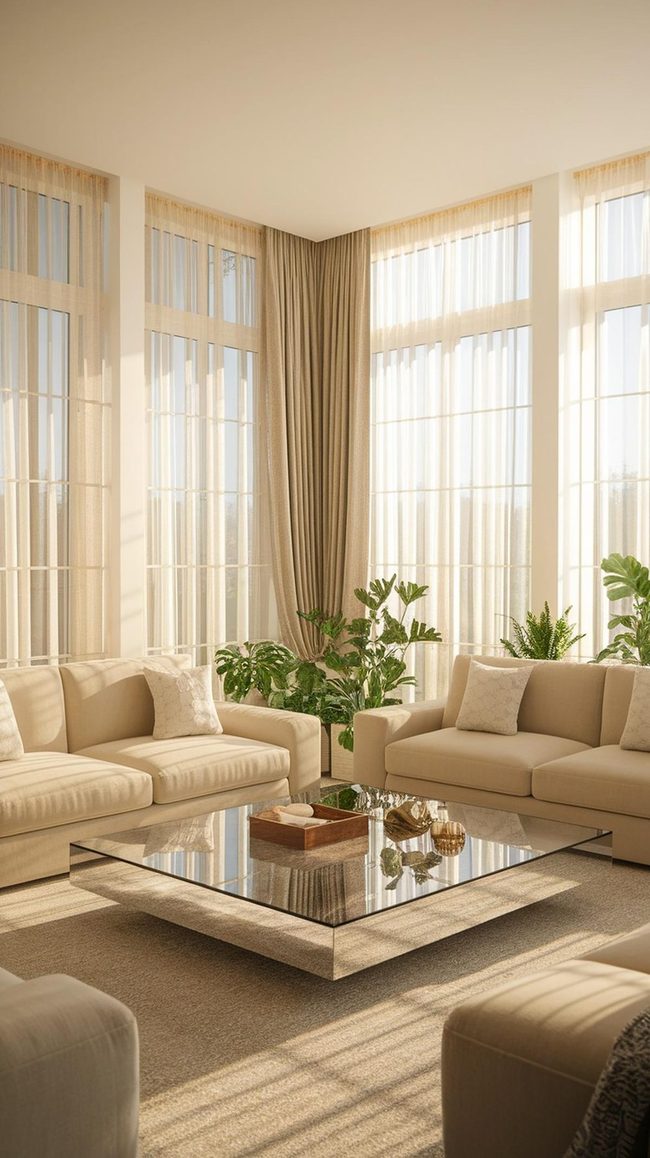
Windows that stretch from floor to ceiling or curve around corners as glass bays make a narrow living room feel immediately open and airy, and this natural brightness lifts your mood while making the space feel larger.
Sheer curtains and adjustable blinds let you control privacy without blocking out the warmth and glow that streams through during the day.
Positioning mirrors across from windows bounces sunlight throughout the room and spreads that brightness to corners that don't get direct rays.
White walls and light-colored furniture keep the space feeling fresh and spacious rather than cramped.
Glass tables and other reflective surfaces catch the light and scatter it around, preventing any dull spots.
You get a living room that feels both comfortable and expansive without needing to knock down walls or add expensive skylights.
Simple choices with lighting and materials make the biggest difference in how your long, narrow room actually feels to live in.
Large Patterned Rug Anchors Living Room
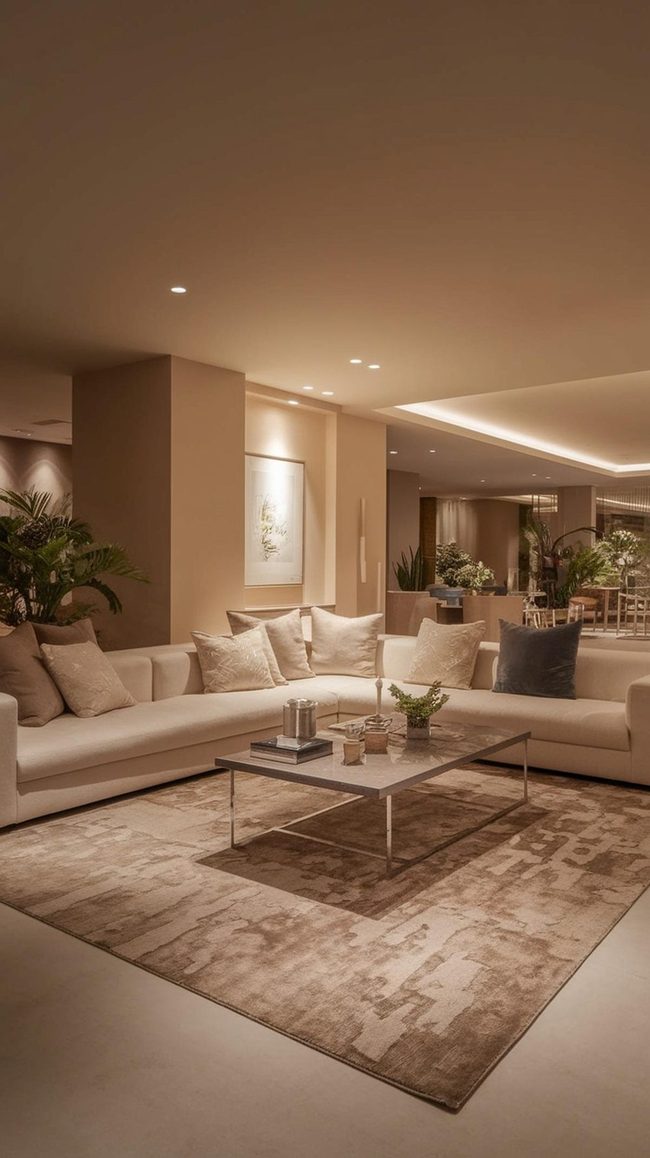
Large area rug that matches the scale of your furniture (except end tables) can anchor your rectangular living room and unify the layout in one go.
Patterned rugs bring personality and visual interest to the space, while light-colored options make the room feel more open and airy.
Runner-style rugs are excellent for emphasizing your room's length and creating an elongated effect without blocking other design possibilities.
Smaller rugs work well when you want to highlight different zones within the same room.
Getting the rug size right is key to defining your space and bringing everything together cohesively.
Whether you choose a bold pattern or a neutral tone depends on what mood you're going for.
Rectangular rooms need thoughtful rug placement to balance proportions and guide the eye through the space.
Sofa Anchoring Long Wall Layout
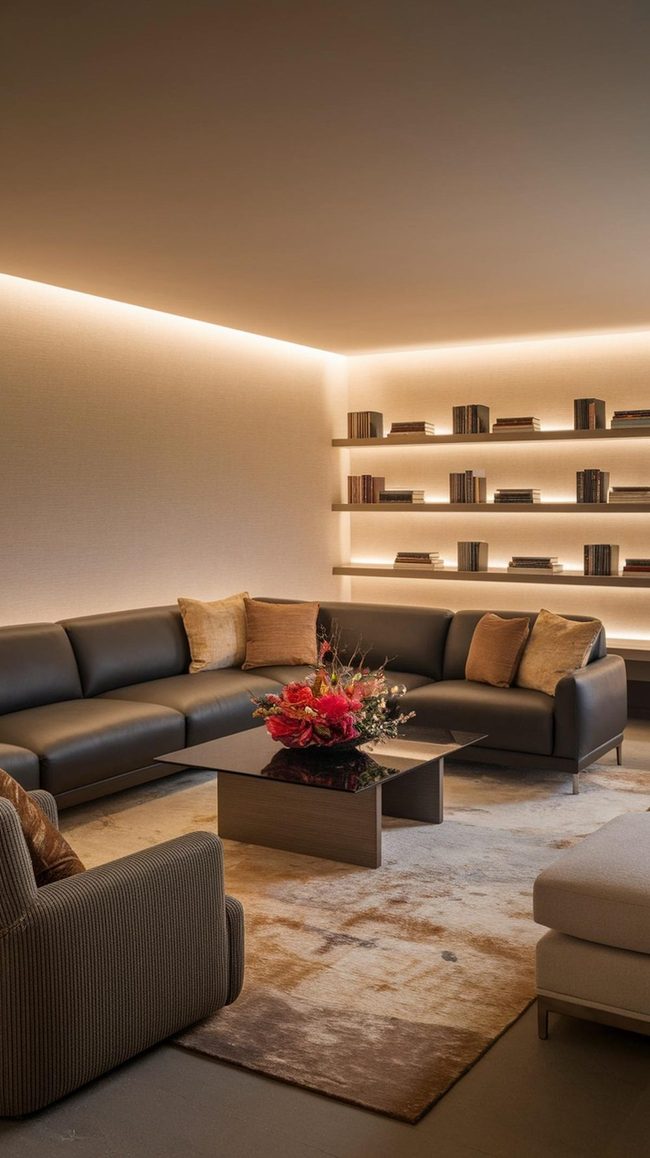
Positioning your sofa on the longest wall in a rectangular living room gives you a natural anchor that feels balanced and open at the same time.
Recliners or redesignible pieces add extra seating without crowding the space or blocking movement through the room.
Storage ottomans and nesting tables serve double duty as both hidden storage solutions and surfaces for drinks or books.
Rugs help define different zones and make the layout feel structured without feeling cramped.
Lighting placed strategically throughout the room shows you've thought about how people will use the space.
This look to furniture arrangement delivers most of the benefits of a warm, attractive room while keeping things airy and functional.
You end up with a space that looks organized and lives better for daily use.
Neutral Sectional Defines Open Living
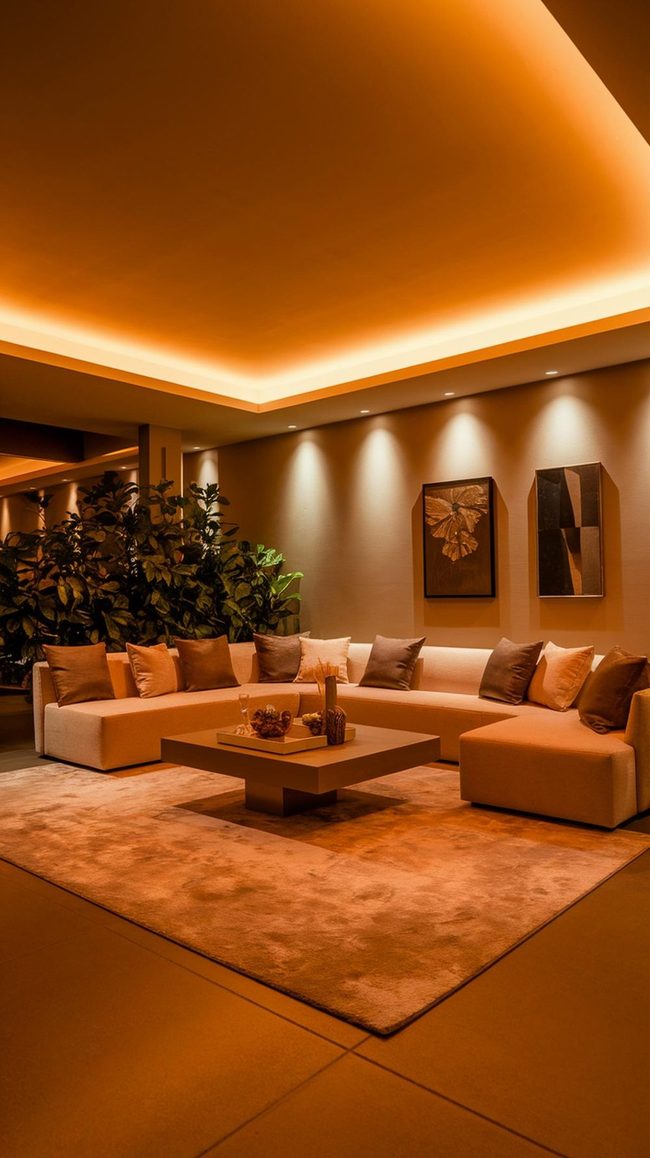
Positioning a sectional sofa along the longer wall in your rectangular living room instantly opens up the space and guides your eye naturally from one end to the other, making the room feel much larger than it actually is.
In open-plan homes, you can also use the sectional as a smart divider between your living and dining areas, which gives per zone its own purpose without blocking sightlines.
A stylish coffee table paired with your sectional grounds the seating area and provides both function and style.
Beneath your feet, a textured area rug anchors the whole setup and adds warmth underfoot.
Layered lighting from various sources keeps the room flexible for different moods and activities throughout the day.
Choosing a neutral-toned sectional means you have endless freedom to change your decor later on without starting from scratch.
Decorative pillows and throws scattered across the sofa inject personality and make the space feel like home, plus they're easy to swap out whenever you want a fresh look.
Curved Furniture Breaks Long Rectangle
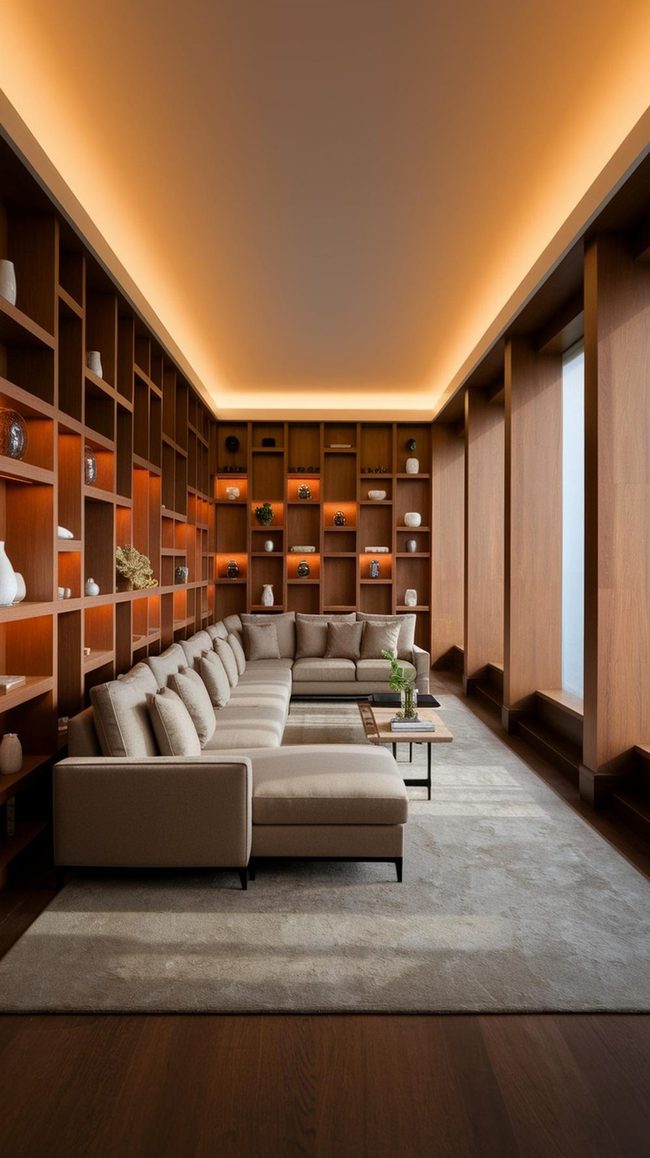
Long rectangular living rooms can feel like a tunnel, so breaking them into different zones works well to solve this problem.
You might set up a seating area on one side and a reading nook on the other, which helps the space feel balanced.
Round or curved furniture pieces also help break up the straight lines and make the room feel less stretched out.
Vertical elements like hanging shelves and tall decor items in various colors and patterns draw your eyes upward, which makes the proportions seem more even and pleasant throughout the room.
Neutral Layers With Living Plants
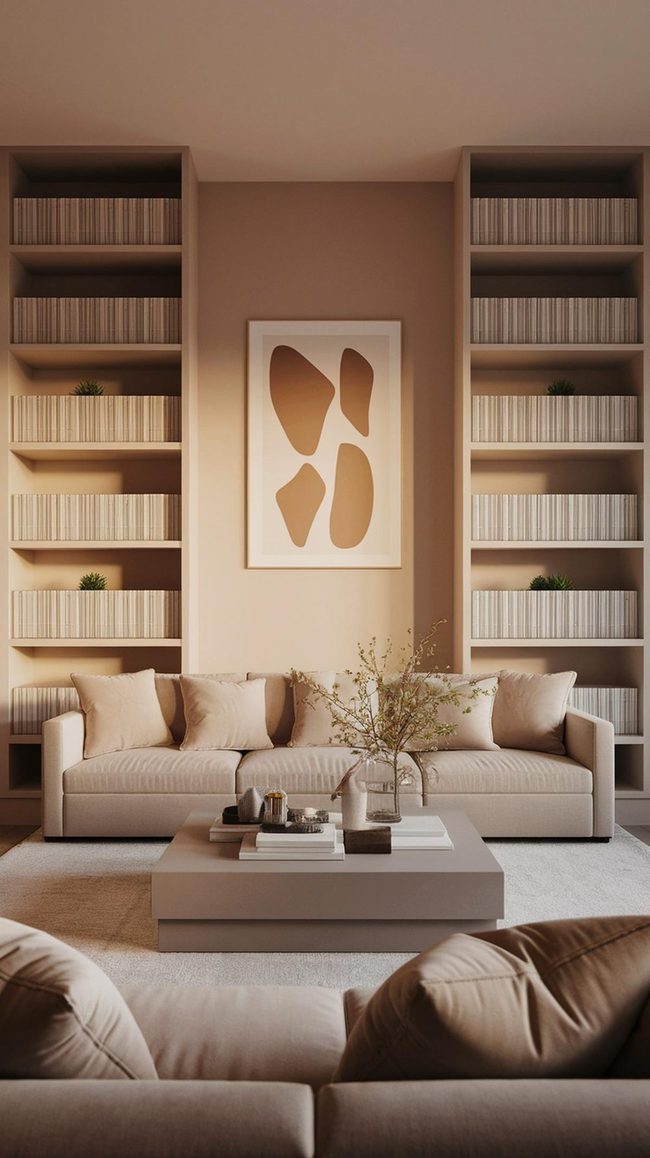
Hanging wall art, mirrors, or gallery walls across your rectangular room divides the space visually and adds instant style to bare walls.
Indoor plants positioned near windows take advantage of natural light and bring freshness into your apartment.
Light throws draped over furniture and plush cushions scattered around build comfort and warmth that makes the room feel lived-in.
Decorative shelving gives you a functional way to display books and objects without wasting any of your floor space.
Choose a neutral color palette as your foundation and layer in different textures such as metal, wood, and glass to keep things modern while keeping warm.
This mix of elements refreshes a plain rectangular room into a space where you actually want to spend your time.
Cream Walls, Woven Storage Solutions
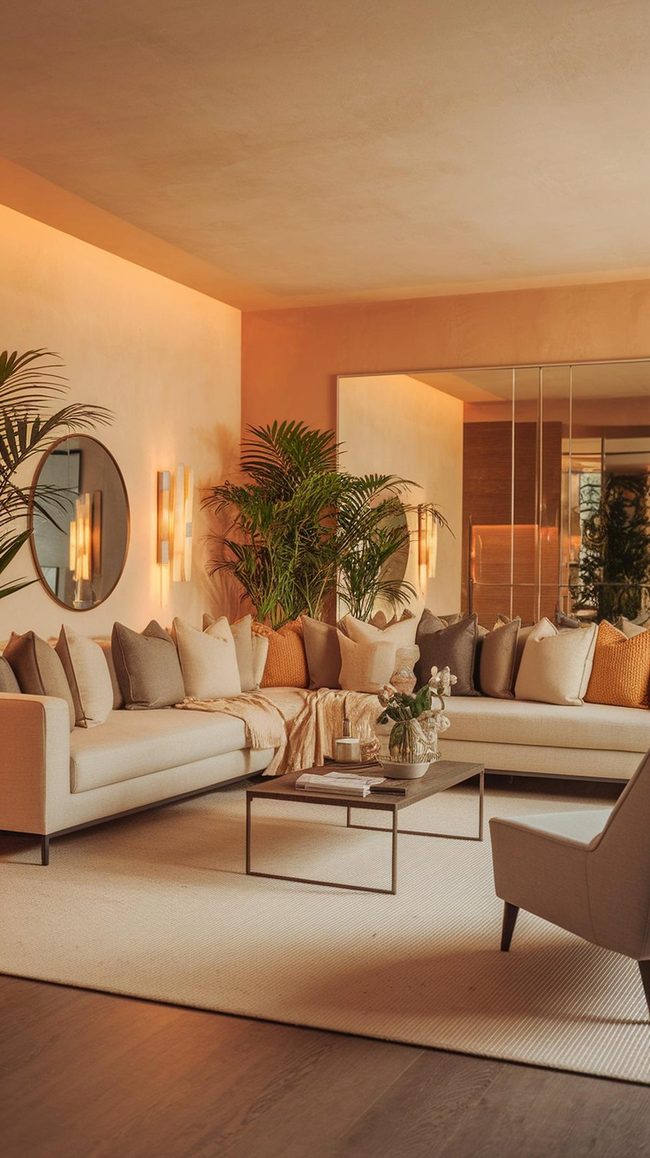
Wall art, decorative mirrors, and textured wallpapers can transform a long rectangular living room by breaking up plain surfaces and adding real personality to the space.
Choosing a unified color scheme that works with the natural light flowing through your room keeps everything looking fresh and balanced.
Warm furnishings like throws and patterned cushions make the space feel warm and comfortable while pulling the whole room together visually.
Decorative storage such as woven baskets and floating shelves serves double duty by keeping things organized and enhancing how the room looks at the same time.
Metallic Accents Transform Rectangular Rooms
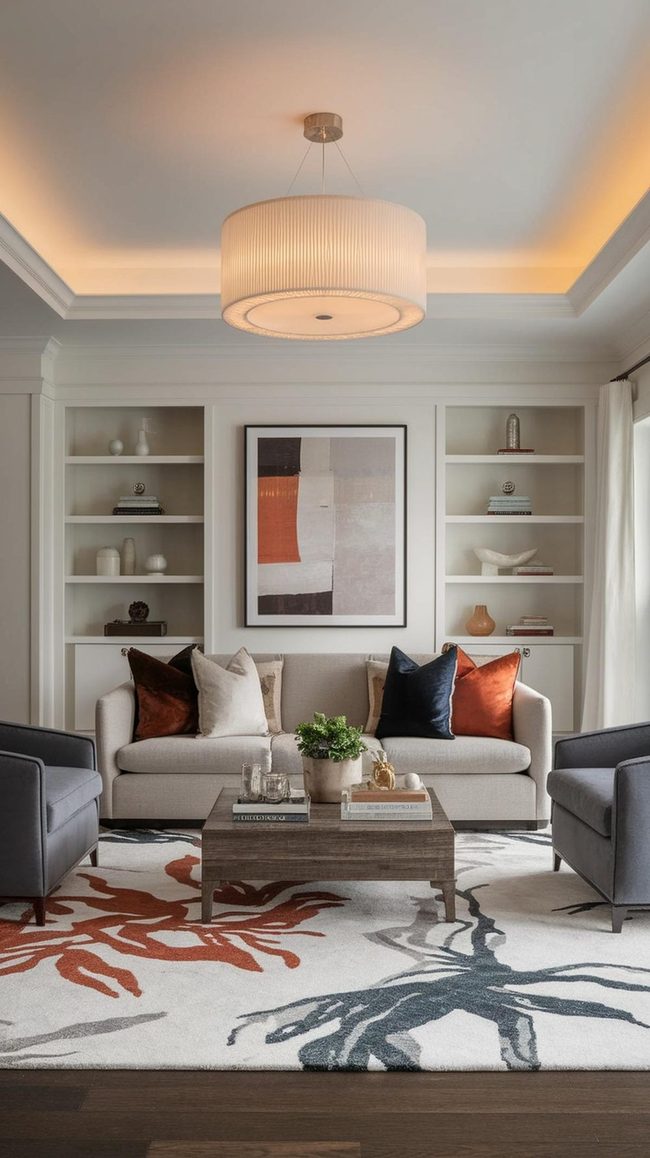
Start with a statement-making chandelier or hanging lamp positioned above your seating area to draw attention upward and anchor the room's layout.
Plush-colored walls and furniture form your foundation and allow you to layer in personality without overwhelming the space.
Colorful accent rugs scattered throughout add warmth and define different zones within your rectangular layout.
Light, flowing curtains frame your windows beautifully and smoothen the natural light coming in.
Metallic and glass accents mixed into your furniture arrangement bring a polished, elevated feel to the overall scheme.
Wall decorations arranged in pairs or matching sets add balance and rhythm along your longer walls.
These layered elements fit to make your rectangular living room feel complete and well-designed.
Furniture Arrangements That Maximize Space
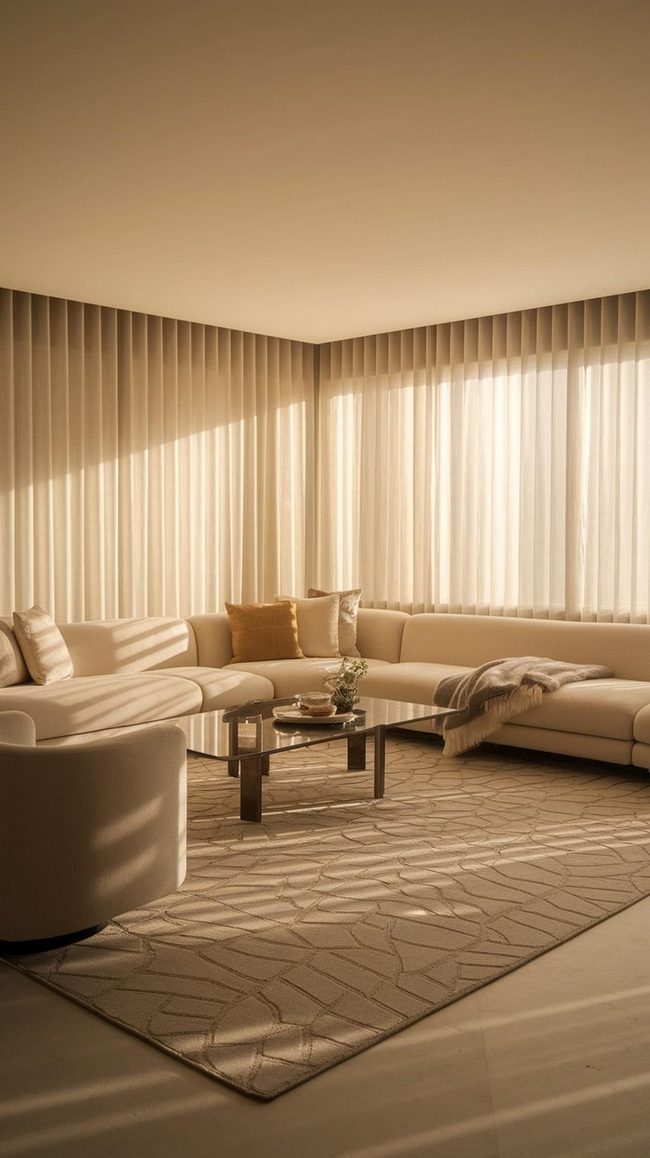
Start by finding the main focal point in your room, this might be a fireplace, large windows, or where your TV will go, and arrange your furniture to center around it, which naturally prevents the space from feeling cramped and keeps traffic flowing smoothly.
Small area rugs help you define different zones without chopping up the room, and choosing pieces that do double duty, such as ottomans with hidden storage or benches that work as seating and tables, keeps your layout both functional and uncluttered.
A balanced arrangement means you're not pushing everything against walls or clustering too much in one corner, so stepping through your living room feels natural and easy.
Fireplace Centered Living Room Layout
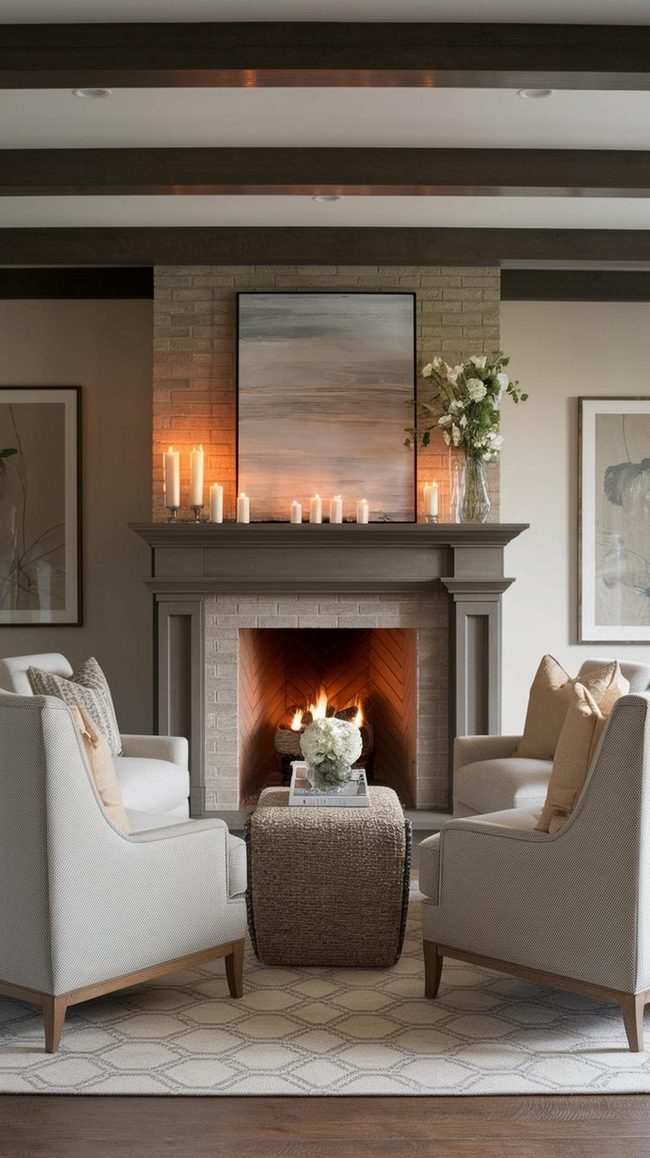
This rectangular living room redefines into a welcoming gathering space when you center a fireplace, whether traditional or electric, as the room's main feature, and the warm glow immediately draws attention as you walk in.
Arrange your seating in a semi-circle or U-shape around this focal point, mixing comfortable armchairs with a fine-scale sofa and layering in a textured rug to ground the space.
If your room feels narrow, smart storage solutions keep things from feeling cramped; consider mounting your TV on the wall or installing cabinets along one side to maximize functionality.
Once your furniture layout feels right, move to finishing touches that matter: place vases, art pieces, or candles on your mantelpiece to add personality without overdoing it.
Keep these accessories balanced and don't crowd the mantel so the space maintains its polished appearance.
This method turns your fireplace into more than just a heat source, it becomes the natural gathering spot where everyone wants to be.
All parts works together to make the room feel both wise and pleasant.
Long Rectangle Living Room Zoning Strategy
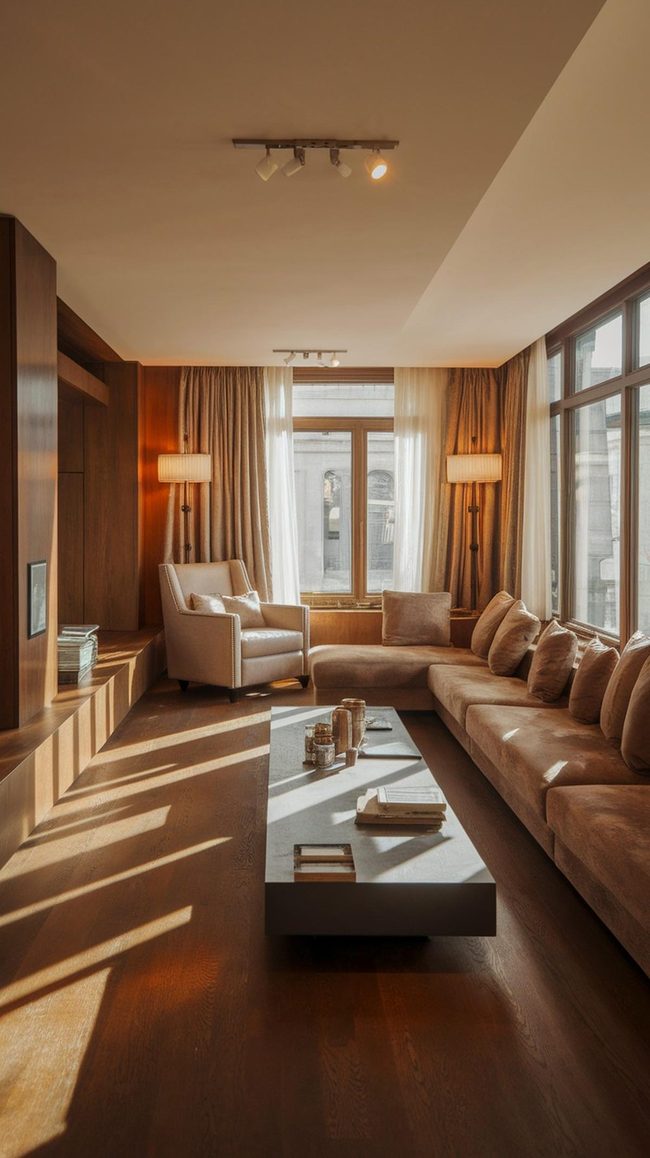
When you're dealing with a long rectangle living room, furniture placement matters since pushing everything against the walls only emphasizes that narrow, tunnel-like feeling and makes the space feel awkward.
Breaking your room into different zones for various activities, like a homey spot for reading, a relaxation area, and a workspace, helps interrupt that stretched-out layout and gives the room real purpose.
Sectionals and modular furniture work better than rigid pieces in this layout because they hug the space naturally and feel less formal.
Mixing in vintage or mismatched furniture adds character and warmth, especially when your walls are light and need some personality.
Layering your lighting with table lamps, floor lamps, and overhead options makes the room feel alive and dynamic instead of flat and one-dimensional.
Combining different textures through rugs, throw pillows, and wall coverings adds depth and visual interest throughout the space.
Your long room enriches into something functional and welcoming when you think beyond simple arrangement and focus on how different zones and textures integrate.
Isabella Martinez
Founder & Lead Design Enthusiast
Expertise
Seasonal Home Décor, Interior Styling, Space Planning, DIY Home Projects, Sustainable Design Solutions
Education
Savannah College of Art and Design (SCAD)
Pratt Institute, School of Design
Isabella Martinez is the founder of Decorrio, where she shares her love for seasonal home décor and creative design. With a background in interior design from SCAD and a master’s from Pratt Institute, she specializes in stylish, functional, and sustainable spaces.
With over 10 years of experience, Isabella helps homeowners bring warmth and personality into their homes. She loves DIY projects, festive decorating, and collaborating with local artisans to create unique designs.
When she’s not designing, Isabella enjoys exploring Austin’s arts scene, crafting, and hosting gatherings filled with seasonal charm.