
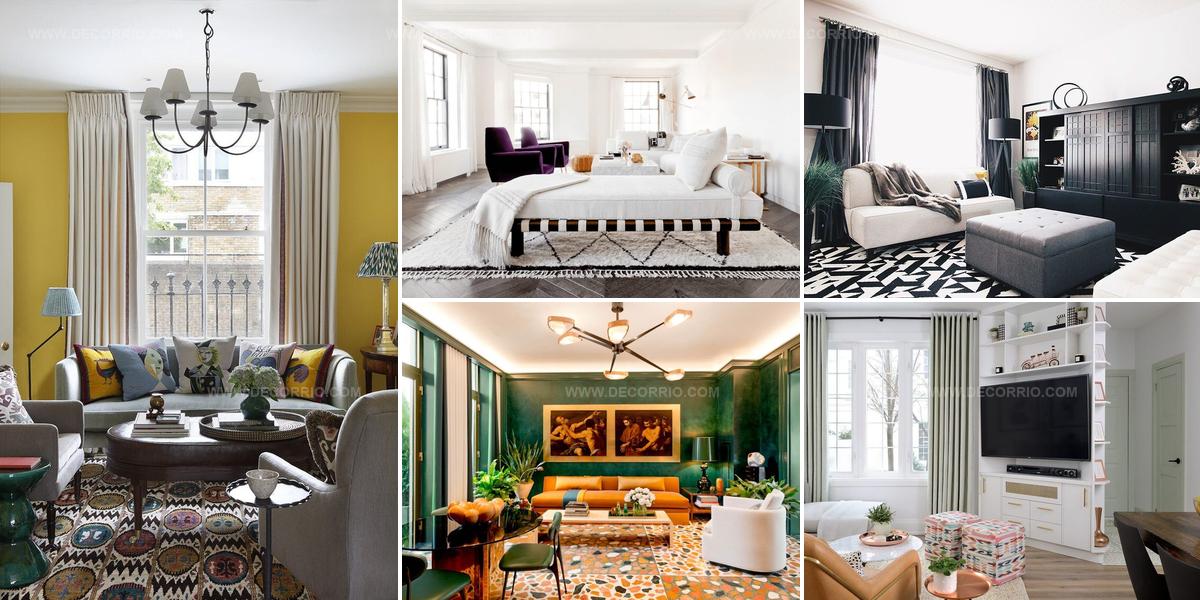
21 Modern Living Room Curve Ideas That Refresh Your Space

Living room curtains can completely reshape how a space feels and functions.
The right window treatments add privacy while controlling natural light throughout the day.
Fabric choices, colors, and hanging styles all play important roles in achieving the look you want.
Perhaps you've been staring at bare windows or outdated panels, wondering what would work better for the room.
Simple changes often make dramatic differences without requiring extensive renovations or huge investments.
Window dressings serve both practical needs and aesthetic goals simultaneously.
Browse through fresh approaches that will help you find the perfect solution for making any space feel more polished and inviting.
Curtains Echo Through Room Accessories
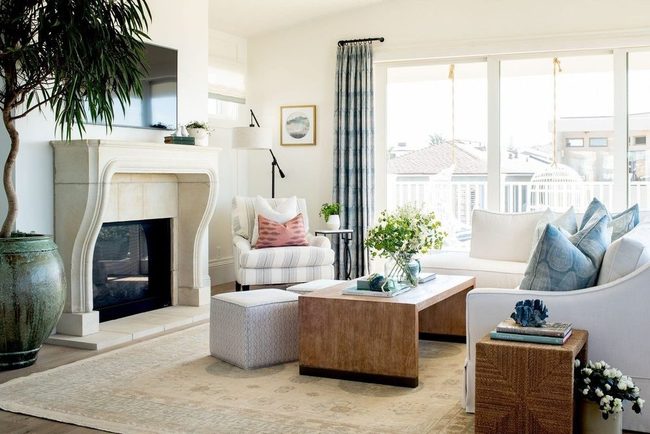
Matching your curtains with throw pillows and other accessories around the room creates a pulled-together look that doesn't feel overdone.
You can pick a fabric or pattern and repeat it in different spots, and this approach keeps things from looking too uniform.
Accessories like pillows, blankets, and even lampshades work well when they echo what's happening with your window treatments.
We like how this method lets you tie different pieces together without making everything seem too coordinated.
It's one of those simple tricks that makes a space feel more intentional without requiring you to match everything exactly.
Start with just one or two accessories that share the same print or color as your curtains and see how it feels.
Most people find this balance between harmony and variety makes their rooms feel more relaxed and natural.
Going this route means you can change out smaller pieces easily if you want to refresh your space down the line.
Heavy Velvet Light Control
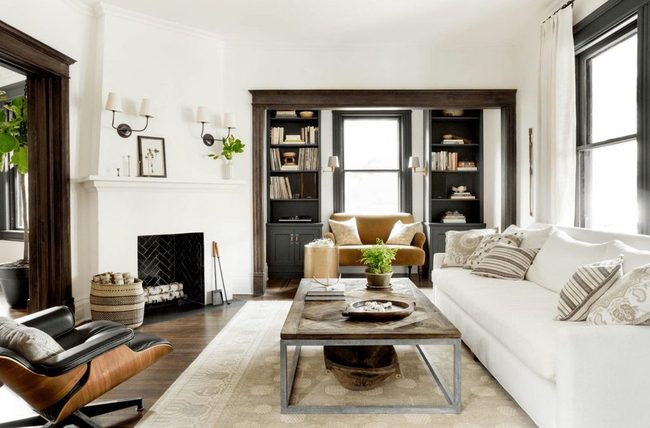
Once you've settled on the right panel size, picking your fabric becomes the next decision.
Heavy materials like velvet work wonderfully if your room needs serious light blocking, temperature control, or sound reduction.
For spaces where you want more brightness and airflow, lightweight linen or cotton blends let plenty of natural light pass through while still giving you some privacy.
You might prefer the elegant drape of heavier fabrics if blocking is your main concern, or you could go with something thinner and more delicate if you like how sunlight streams in.
Consider how much light you actually want in the room and what temperature control matters most to you.
Darker, thicker options give you more control over your environment, while lighter fabrics create a more open feel.
Whatever you choose depends on balancing privacy, light, and comfort in your specific space.
Blinds Plus Curtains Complete Control
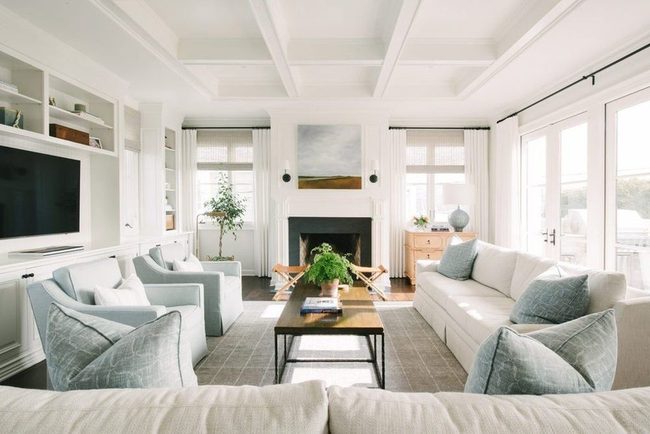
Pairing blinds with your curtains gives you complete control over how much light enters the room, and this layering approach works best when you want to handle glare on a television or strengthen your privacy without sacrificing style.
Both window treatments can function together to block out harsh sun during the day and soften bright evenings whenever you need them to.
If you're watching a screen, blinds help eliminate annoying reflections while curtains drape elegantly around them.
Stacking these two options doesn't clutter your windows-instead, it solves common lighting problems that single treatments can't handle alone.
Many people overlook this combination because they assume one or the other is enough, but we've seen how much better rooms look and feel when you adjust them independently.
You gain the flexibility to open just the blinds on a bright afternoon or draw both closed for maximum darkness.
It's a simple solution that handles multiple needs in one smart move.
Warm Wood And Linen Harmony
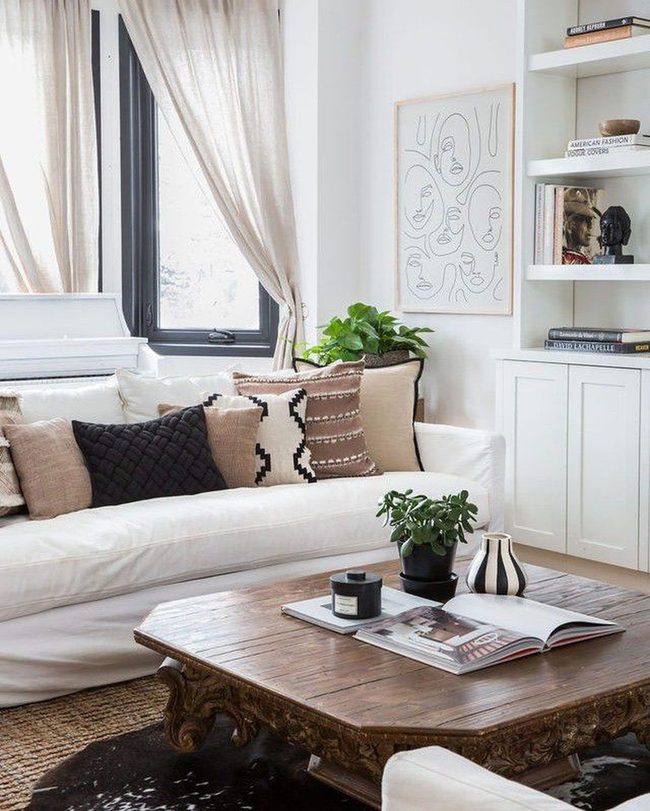
Natural wood furniture and linen curtains go hand in hand because they share warm, earthy tones that complement each other beautifully.
When you select curtain colors that echo the undertones in your wood pieces, the two elements feel connected and balanced.
Light wood pairs nicely with cream or pale linen, while darker woods suit deeper beige or taupe fabrics.
Wood brings warmth and texture to a room, and linen softens that warmth with its relaxed, natural fiber quality Your space gains a sense of calm when these materials work side by side, and the room becomes easier on the eyes.
Simple matching of warm tones between your wood and your curtains makes the whole space feel put-together without requiring any fussy styling or overthinking.
Black Walls Command Attention
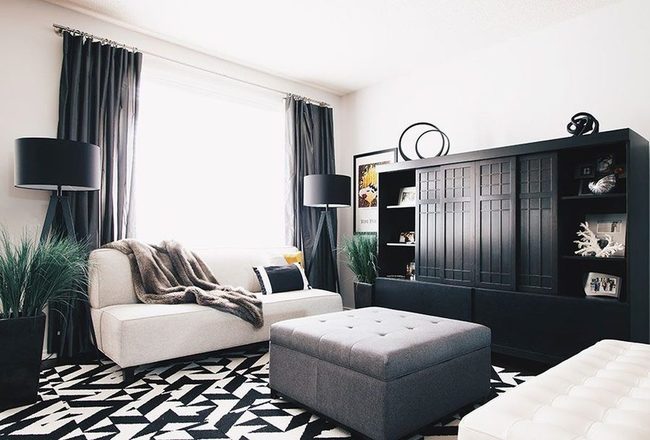
Black walls and curtains grab your attention immediately and set a bold tone for any space, and when you layer in other dark elements throughout the room, you build an atmosphere that feels sophisticated and moody.
Rich black drapes frame your windows and anchor the entire design, making everything else stand out more sharply by contrast Dark tones naturally draw focus because they recede visually and make lighter accents pop right off the walls.
You can keep the rest simple and let the darkness do the heavy lifting.
If you're going for drama, this is one of the easiest ways to nail it.
Pair it with just a few bright pieces or metallic touches and you've got something that feels both modern and timeless.
It's proof that sometimes less really is more when you're working with strong colors.
Floor-To-Ceiling Frames Your Focal Point
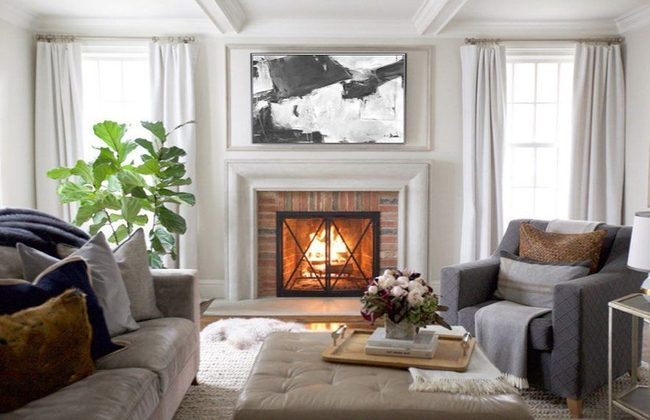
Floor-to-ceiling curtains draw attention straight to your fireplace or large artwork and make the room feel complete and polished.
You can position drapes on either side of these key features to frame them naturally and add height to the space.
Long panels of fabric create clean lines that guide your eye exactly where you want it to go.
When you choose curtains in complementary colors or neutral tones, they enhance what matters most without competing for attention.
Hanging them high on the wall amplifies the sense of scale in your room Curtains serve double duty as both a practical window treatment and a styling element that ties your décor together.
Even plain rooms feel more put together once you add this framing touch.
Fabric Softens Industrial Brick
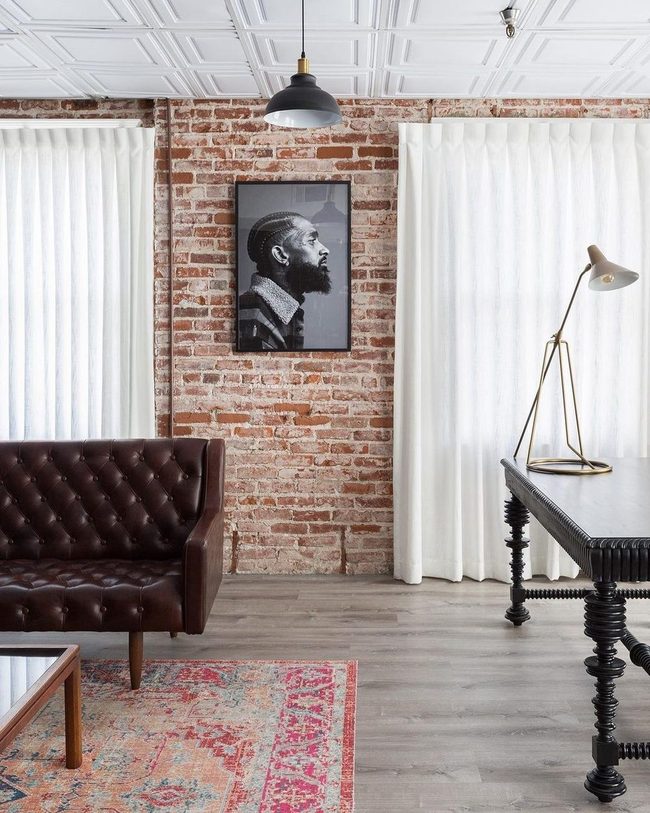
Exposed brick walls look amazing, but they can leave a room feeling chilly and unwelcoming.
Long curtains hung in a brick space bring instant warmth and make the area feel more comfortable and lived-in, which works especially well if you live in a loft-style home.
We think this simple addition softens the industrial feel that brick naturally has.
Draping fabric from ceiling to floor creates a nice contrast against the hard surfaces around you.
Your room goes from feeling stark and cold to feeling more relaxed and inviting.
It's one of those easy fixes that doesn't require much effort but changes how the whole space feels.
You can choose colors and materials that match your style while getting the bonus of better temperature control.
Wicker Cream Wood Layers
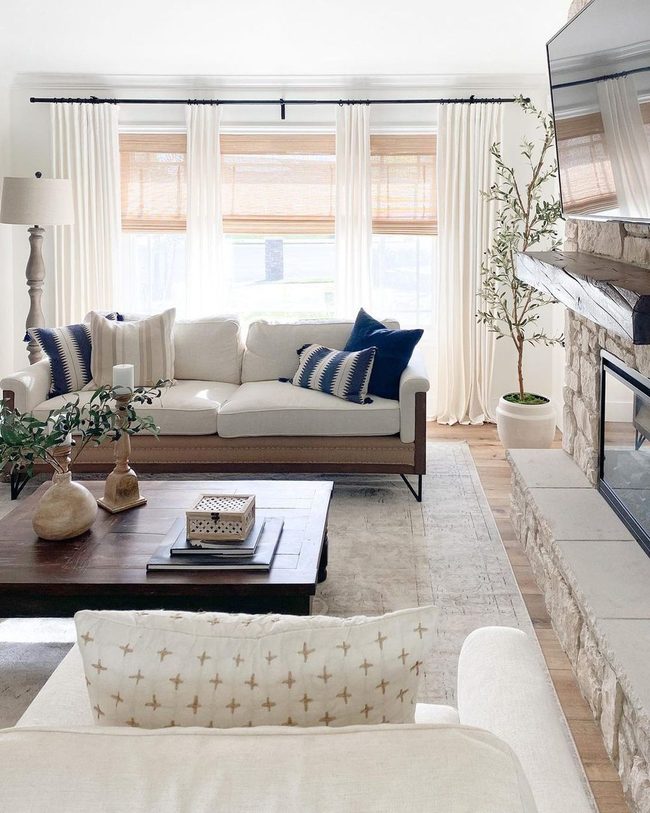
Mixing textures and colors brings your living room to life with dimension and interest that makes the space feel larger than it is.
You can see this approach work well when wicker blinds sit next to flowing white curtains, and the rough weave plays against the smooth fabric in a way that catches light differently.
Dark wood furniture against cream-colored walls builds on this idea and gives the room layers you can actually feel as your eyes move around.
Pairing materials like linen, leather, and natural fibers helps you break up flat surfaces and keeps things from feeling one-note or boring.
Even in a smaller room, these combinations expand how the space feels to you because the eye has more to explore.
Mixing warm and cool tones alongside these different textures adds even more richness to what you see.
We often overlook how much texture matters compared to color alone, but the two together make any room more interesting to look at and be in.
Subtle Stripes, Balanced Impact
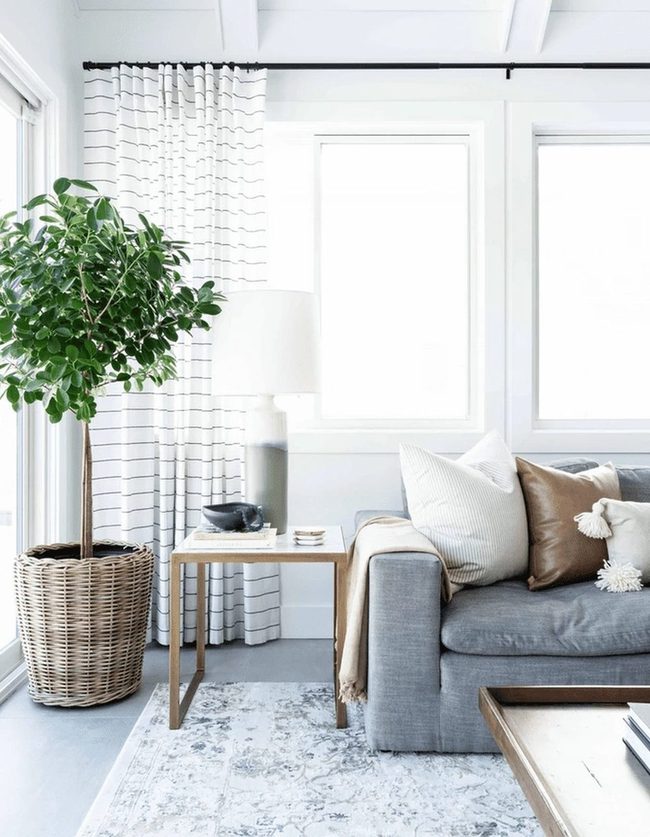
Once you've nailed down the right size and fabric for your curtains, picking a style comes next, and this is where things get fun.
Curtains can be bold statement pieces that anchor your living room or they can fade quietly into the background of your space.
Subtle patterns like stripes work wonderfully because they add depth and visual interest without demanding all your attention.
You get the benefit of texture and movement without the curtains becoming the only thing anyone notices when they walk in.
Striped fabrics in particular offer this balanced quality, giving your windows some personality while staying grounded.
It's a smart move when you want to enhance your room without overwhelming it.
Pooled Velvet Floor Drapes
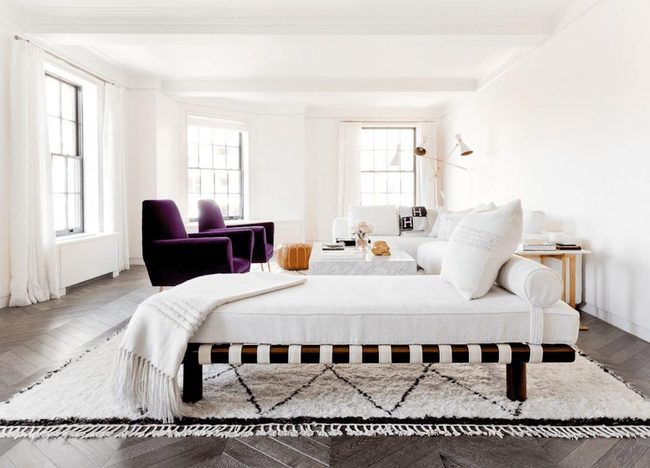
When you let your curtains puddle at the base by adding two to four inches to their standard length, you get an instant boost of elegance and warmth in any room.
Heavy fabrics like polyester or velvet work best for this style since they hold their shape beautifully and drape with sophistication It brings a sense of comfort and richness that lighter materials just can't achieve.
Pooling fabric at the floor draws the eye downward and makes ceilings seem higher than they actually are.
This technique pairs well with both modern and classic decorating styles, so most rooms can pull it off successfully.
If you're looking for an easy way to elevate your space without spending much money or effort, this is one of our go-to tricks.
Taupe And Beige Curtains Flow
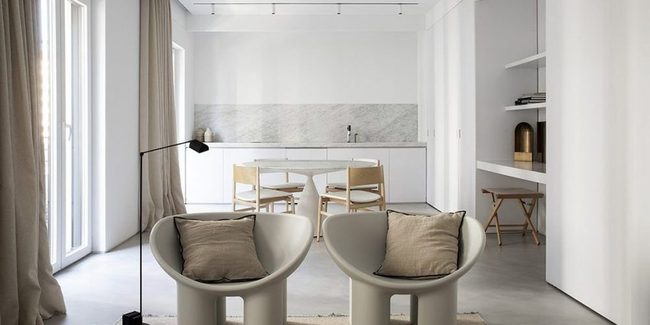
When you're picking curtain colors, look at what's already in your room and build from there.
Grab a few main colors you love and repeat them throughout the space so everything feels connected.
In this example, taupe and beige tones flow from the walls and furniture right into the curtains, and this keeps the whole room feeling balanced and puts the focus where you want it to go.
Sunlit Sheer Window Panels
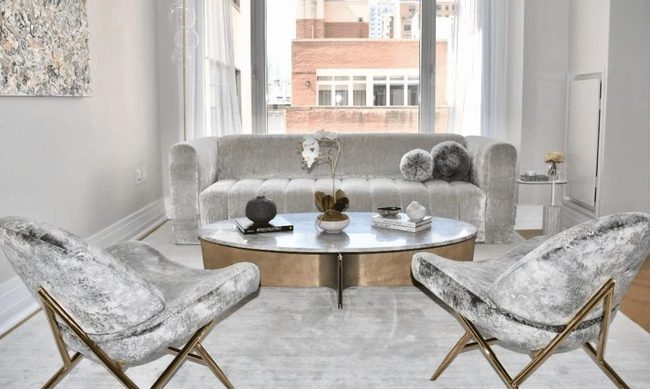
Rooms flooded with sunshine benefit from sheer curtain panels that let you keep both style and brightness.
Rather than heavy drapes that block out those valuable rays, sheer panels give you a polished window treatment while allowing natural light to pour through.
You get the best of both worlds-a dressed-up appearance and maximum daylight in your space.
Since they filter light instead of stopping it, sheer panels work well in any room where you want to maintain that open, airy feel.
If you're worried about privacy during evening hours, you can layer sheers with blackout curtains on the inside, and then draw them closed only when you need them.
This flexible approach means daytime stays bright and cheerful while you still have control over your space at night.
Sheer panels come in various textures and colors too, so you can pick something that matches your décor while solving your light problem.
Machine Washable Cotton Curtains
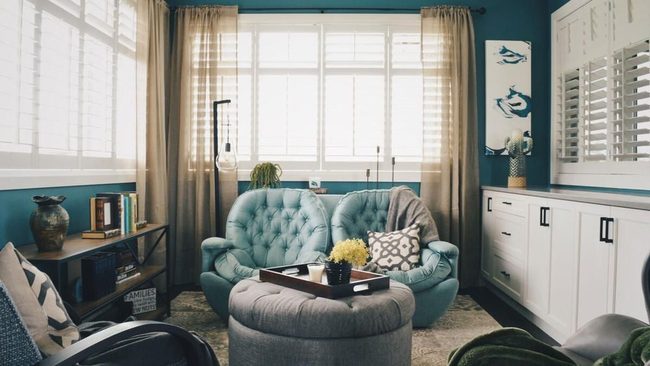
Before you pick out new curtains, check what the care instructions say since some fabrics handle machine washing just fine while others need a trip to the dry cleaner.
If you have children or pets at home, choosing a sturdy material like cotton makes your life easier because you can simply throw them in the washing machine whenever they need freshening up.
Durable fabrics stand up better to daily wear and tear, so you won't stress about keeping them pristine.
We recommend thinking about your household situation first, then letting that guide your fabric choice.
Hardier textiles also tend to last longer, which means better value for your money in the long run.
When you go shopping, read those care tags carefully so there are no surprises after purchase.
This simple step saves you time and frustration down the road.
Taupe Curtains Ground Neutral Space
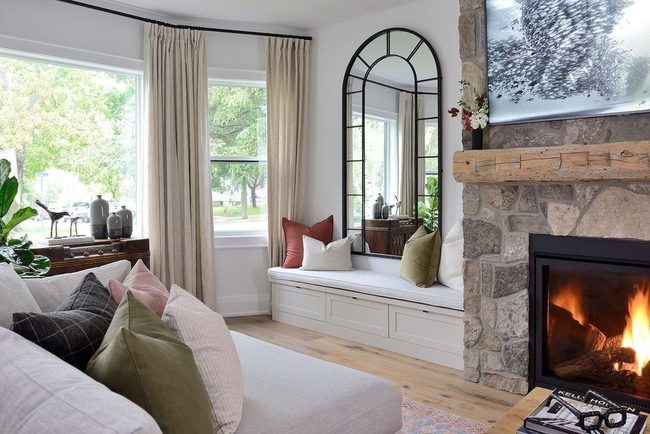
Warm beige or taupe curtains bring richness to your living room and serve as the standout element in your space.
You can balance this depth by keeping your other furniture pieces light and simple, which lets the curtains take center stage without overwhelming the room.
I like how this approach keeps things from feeling heavy while still giving you that comfortable, relaxed feeling you want.
Your walls and larger furniture don't need to match the curtain color-in fact, staying neutral elsewhere makes the curtains feel more special.
When you step back and look at the room, your eye naturally moves to those warmer tones first.
It's a smart way to add personality without making the space feel cramped or dark.
Light furniture pieces and soft backgrounds let those beautiful drapes stand out even more.
This balance makes your living room feel both open and wrapped in warmth at the same time.
Patterned Curtains Pull Room Together
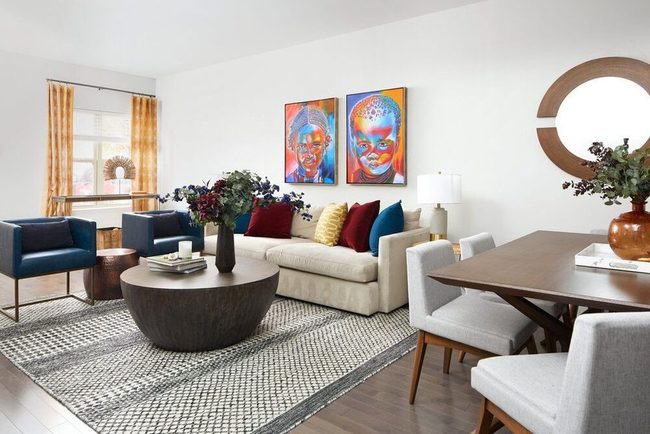
Curtains give you a chance to introduce color and pattern into your living room in a way that really stands out.
If you pick something bold or patterned, it works almost like a piece of art in a space that leans eclectic or funky.
We recommend finding a color from your curtains and repeating it in other accessories around the room so everything feels connected.
Maybe you grab throw pillows, wall art, or a decorative rug in a similar shade.
When you layer these colors throughout the space, the curtains stop feeling isolated and become part of the whole design.
This approach keeps your room from looking scattered while still letting you have fun with color and personality.
Even small pops of that same hue in different spots make a real difference in how put-together your space feels.
Layered Curtains Deep And Sheer
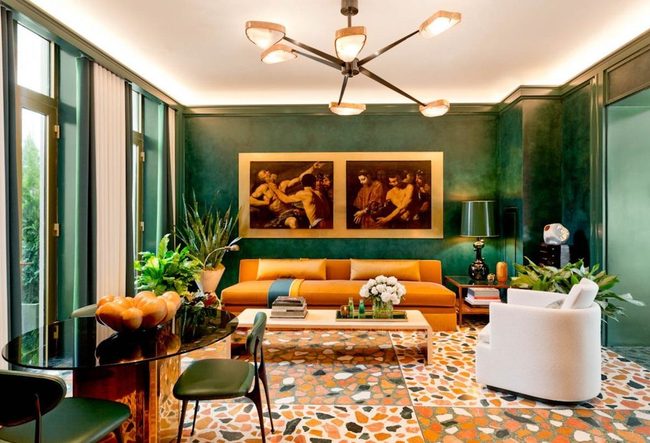
If you're torn between two colors for your curtains, layering them together solves the dilemma and gives you something visually striking.
Combine a deep, saturated shade like hunter green or navy blue with a sheer beige or white panel on the inside, and you get the best of both worlds.
The bold color makes a statement while the lighter layer keeps the look from feeling too heavy or dark.
Beyond the aesthetic appeal, this setup has a practical benefit too-you can easily control how much light flows into your room by adjusting one layer or the other.
If you want more softness without sacrificing that dramatic color impact, the sheer inner panel does exactly that.
It's a simple way to have your cake and eat it too, giving you flexibility along with visual interest that works harder than a single curtain ever could.
Soft Green Walls, Instant Depth
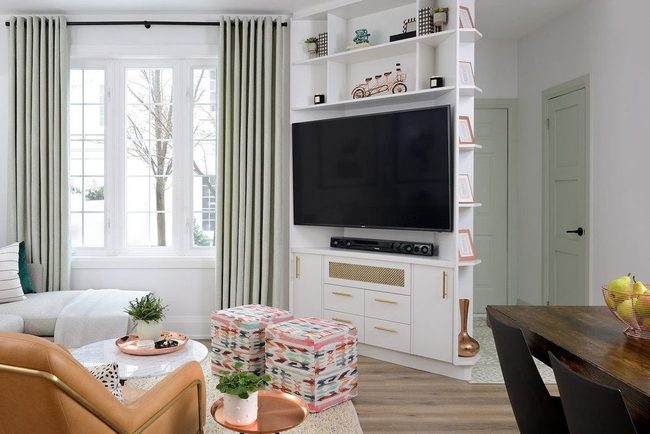
Green hues deserve more love than most people give them, and you don't need to worry about bold or bright shades.
Soft pastel greens and muted blues work as neutral tones that still bring personality into your home without overwhelming the room.
When you pick these calmer colors, they sit alongside your existing furniture and decor without demanding all the attention.
Light green walls or blue accents let other elements in your room shine while adding depth to the space.
We find that these gentle tones feel fresh and modern without being trendy or temporary.
You can paint a wall, add throw pillows, or introduce plants to bring these colors in slowly.
Most people are surprised by how these quieter shades balance out a room and make it feel both grounded and uplifted.
Starting with green or blue this way gives you room to experiment and build from there.
Floor-To-Ceiling Curtains Expand Space
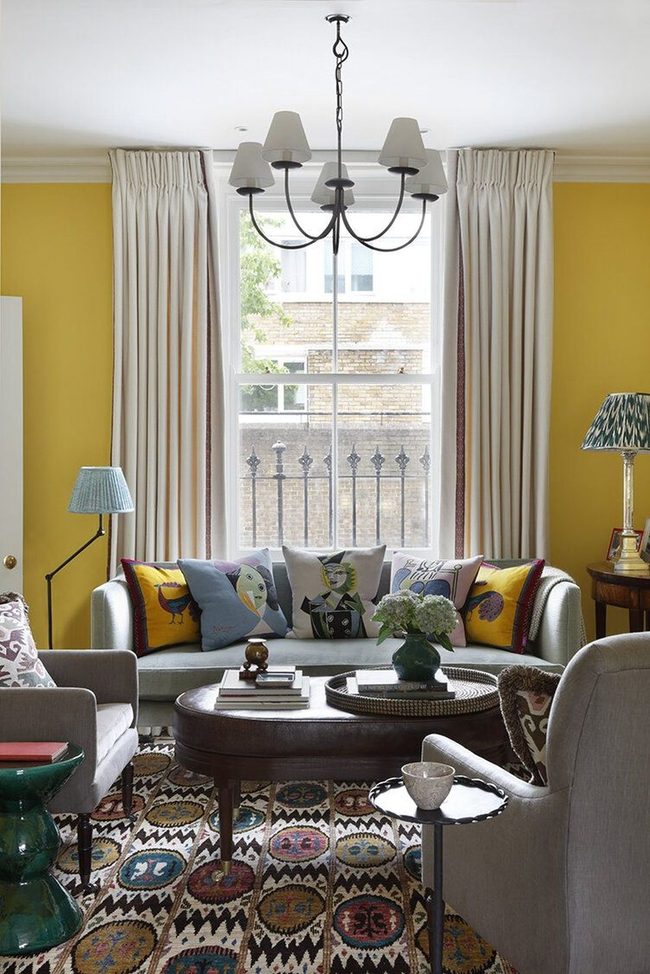
Hanging curtains from ceiling to floor is one of the most striking changes you can make to a room, and it instantly makes spaces feel taller and more spacious than they actually are.
When curtains stretch upward all the way to the ceiling rather than stopping at the window frame, your eyes naturally follow the vertical lines and your room gains an air of grandeur.
We like this approach because it's a simple fix that doesn't require any structural changes or major redecorating efforts.
If you have lower ceilings or a cramped layout, this technique can be surprisingly effective at opening things up.
You'll notice the space feels more refined and put-together right away.
It works in any room, whether you're going for formal style or something more laid-back and relaxed.
Even just upgrading your curtain hardware to reach higher up the wall makes a noticeable difference in how the room looks and feels.
White Curtains Frame Arched Windows
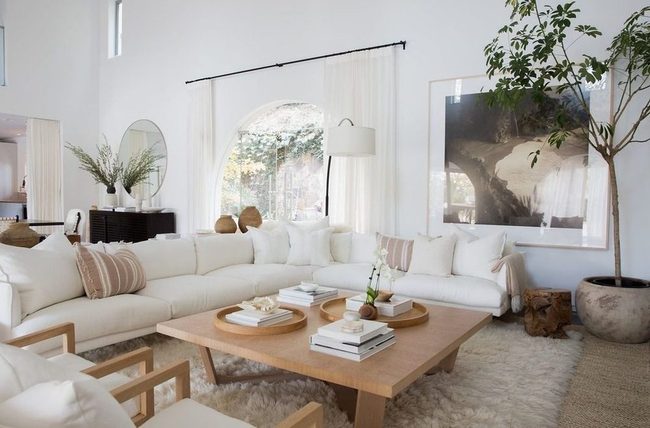
Large arched windows naturally benefit from flowing white curtains that frame them with grace and elegance.
When you're selecting window treatments, your architecture should guide your choices rather than working against it.
Blinds and shades serve their purpose well, but they might not honor a distinctive window shape the way curtains can.
We often see that pairing the right fabric with an unusual window design elevates the entire space.
Your window's dimensions and style really matter when deciding between these options.
If you have tall or wide windows, flowing curtains make a statement and complement the room's bones.
Simple white panels work across many design styles and let natural light filter through beautifully.
Matching your window treatments to what your home already offers makes the whole room feel more unified and intentional.
Extended Rod Expands Window Space
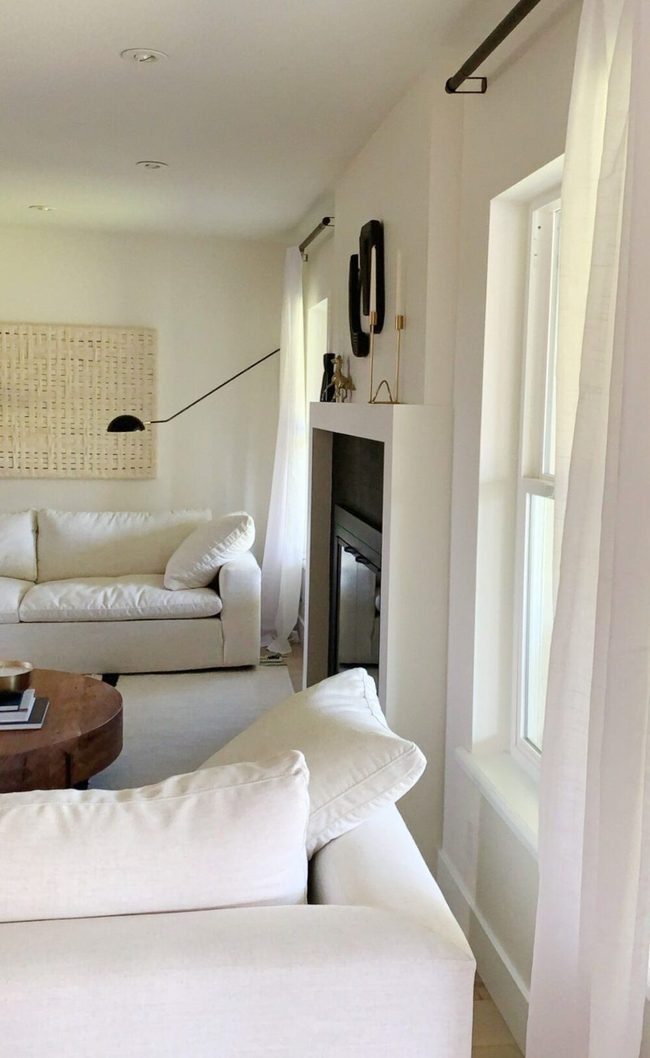
Installing a curtain rod that extends well beyond your window frame makes rooms feel more open and windows look bigger than they actually are.
Add about eight to ten inches to your window's width when choosing your rod size, and this extra length lets you pull the curtains back fully without blocking any light or view.
If your curtains have simple, understated colors or patterns, a rod with some decorative elements or texture works nicely to balance things out.
We find that this approach really changes how a room feels without requiring much effort on your part.
You get both practical benefits and visual balance when you think about rod width as part of your overall window treatment plan.
Many people skip this step and end up with curtains that look cramped or windows that seem smaller than they should.
Taking time to measure properly and select the right rod size means your whole window area gets the attention it deserves.
Measuring Twice Prevents Curtain Mistakes
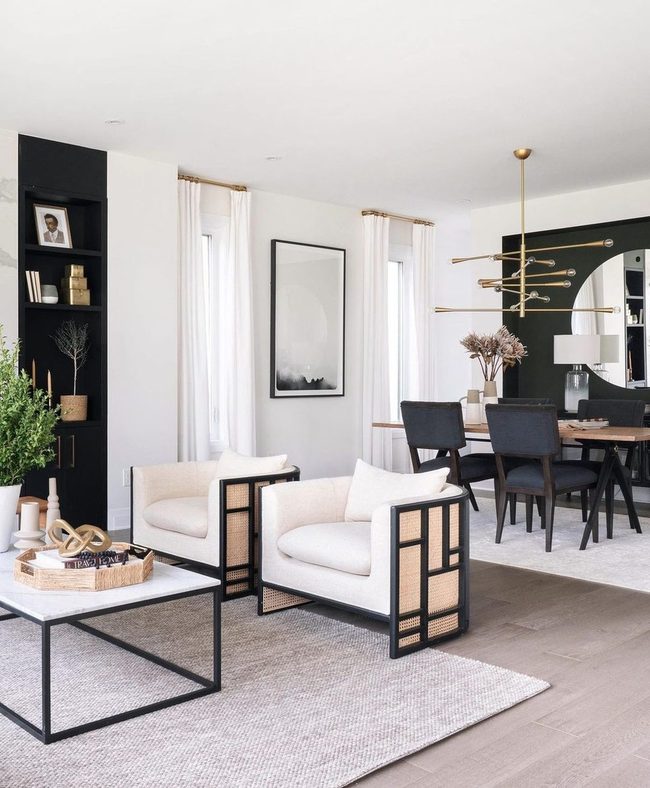
Getting your curtain measurements right is where everything starts, and it makes a real difference in how your space feels.
If you measure carefully, you can actually make a small window look much wider or trick the eye into thinking your ceilings are higher than they really are.
Before you buy anything, decide where you want the rod to sit and measure down to the floor, or go a few inches past it if you like that classic style.
For width, simply take your window's width and add four to six inches on each side, which gives you that full, finished look you're after.
Most people skip this step and end up with curtains that hang awkwardly or don't cover the window properly.
I always suggest measuring twice because getting it wrong means you'll waste money or have to buy new ones.
Once you nail down the right length and width for your space, shopping for actual curtains becomes so much easier.
You'll know exactly what to look for instead of guessing in the store.
Michael Thompson
Senior Content Editor
Expertise
Content Strategy Development, Editorial Team Leadership, Home Décor Trends & Style Curation, Digital Storytelling for Interior Design, Quality Assurance in Publishing
Education
University of Missouri, Columbia
University of Texas at Austin
Michael Thompson is the senior content editor at Decorrio, bringing over 12 years of experience in journalism and home décor writing. With a journalism degree from the University of Missouri and a master’s in English from UT Austin, he blends storytelling with expert design insights.
At Decorrio, Michael curates inspiring content that helps readers transform their spaces with style and ease. He’s passionate about home organization, DIY projects, and quality design ideas that make everyday living more enjoyable.
Outside of work, Michael enjoys exploring Austin’s culture, tackling home improvement projects, and mentoring aspiring writers.