
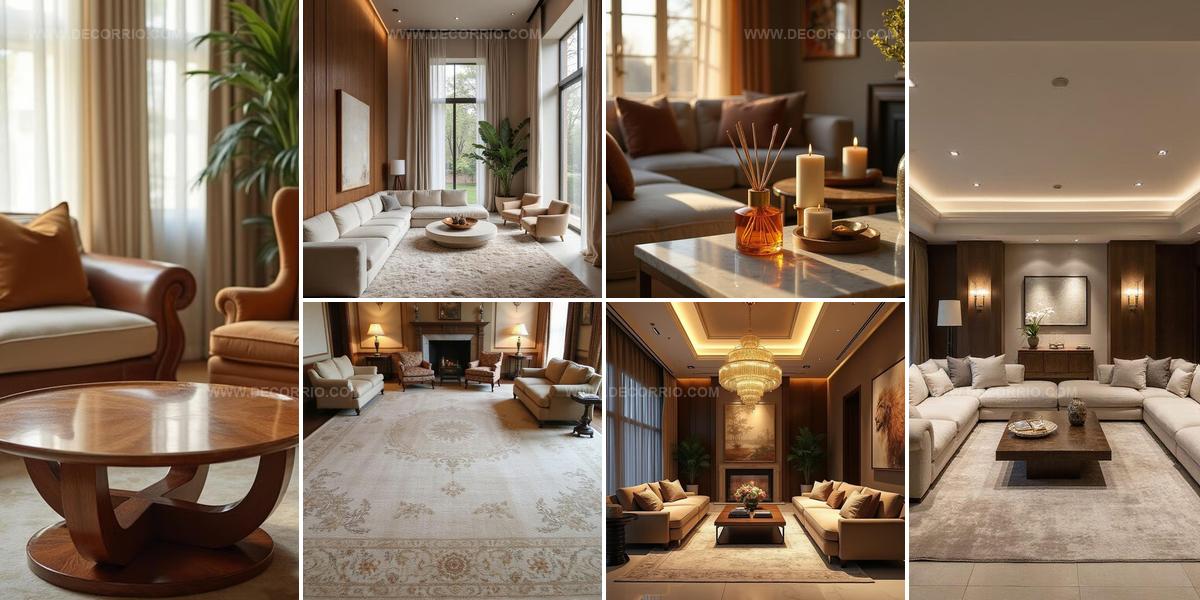
22 Soulful and Luxurious Living Room That Feels Like Home

A soulful and luxurious living room becomes the heart of any home when design choices reflect both comfort and refined taste.
Spaces like this offer more than visual appeal; they provide sanctuary from daily stress while showcasing personal style.
Balance matters when combining plush textures with elegant furnishings that invite relaxation without sacrificing sophistication.
The right approach considers how light, color, and materials work together to establish an atmosphere that feels both warm and polished.
Achieving this aesthetic doesn't require following rigid rules or copying showroom displays exactly.
What makes the difference is understanding how to blend emotional resonance with carefully chosen elements that speak to quality.
Collected Objects Invite Tactile Wonder
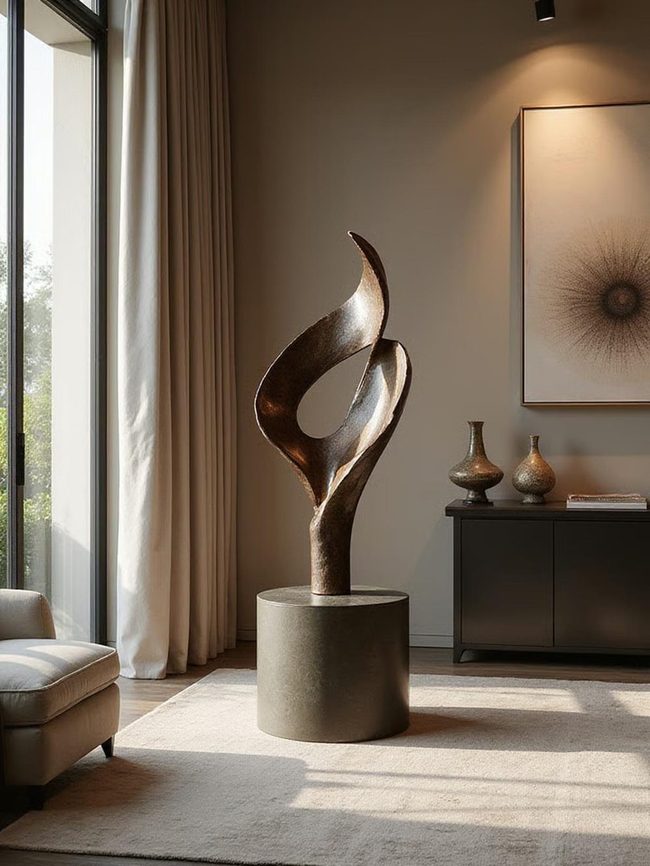
Objects with interesting shapes and materials bring real beauty to your space without needing to be fancy or intimidating.
Hunt for things that speak to you: a piece of driftwood from the beach, hand-thrown ceramic bowls from a local artist, stacked art books, or vintage brass finds from flea markets.
These items bring about small moments of wonder and curiosity as you move through your rooms.
Less is more when it comes to displaying what you love, so resist the urge to crowd your surfaces with dozens of little items.
A few thoughtfully selected objects on a coffee table or shelf will feel far more powerful than clutter.
Space around in all piece lets them shine and keeps them from competing for attention.
I have a smooth river stone from a hiking trip that sits on my desk and costs nothing, yet its shape and weight bring genuine satisfaction every time I touch it.
Find things that delight both your eyes and your hands and give them room to breathe and be noticed.
One-Touch Control Home Comfort
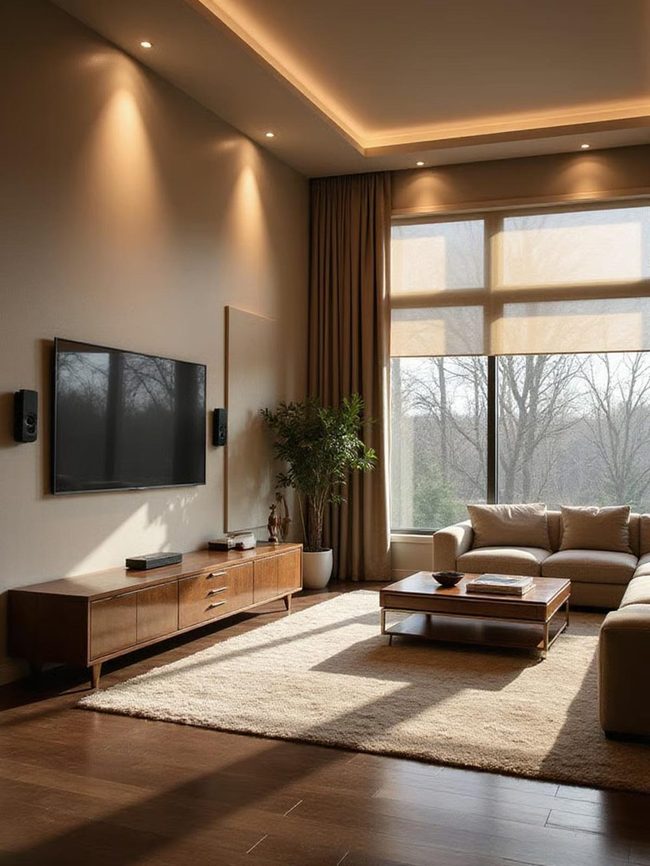
Smart home automation might seem complicated at first, but it really comes down to one simple idea: making everyday life easier without extra effort.
Few things feel more relaxing than staying comfortably on the sofa while the lights dim, the blinds close, and your favorite music begins playing automatically.
You can create custom “scenes” that manage multiple actions with a single tap, such as a “Movie Night” setup that lowers the lights, drops the screen, and activates the sound system all at once, or a “Good Morning” routine that slowly opens the blinds and starts soft music for a gentler wake-up experience.
Getting started doesn’t require a complete renovation either.
Even a few smart bulbs controlled from your phone can noticeably change how a room feels and functions.
The real purpose of automation is allowing technology to blend quietly into the background, working smoothly in your favor like a helpful assistant managing the environment without constant attention.
By removing small repetitive tasks from your routine, you free up more mental space for the things that truly matter while creating a home that naturally responds to your needs throughout the day.
High And Wide Floor-Grazing Curtains
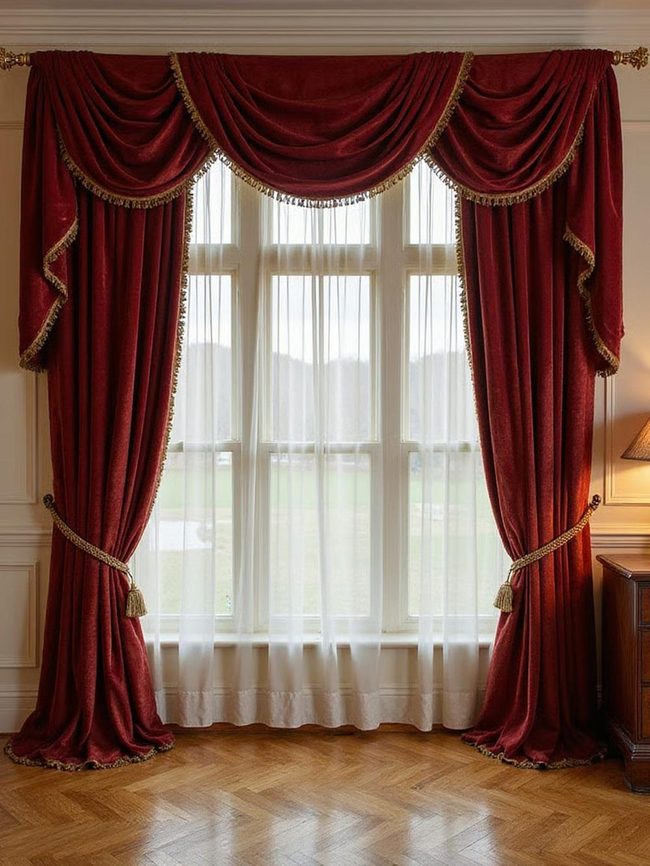
Hanging your curtains high and wide shifts how a room feels by making ceilings appear taller and walls more impressive, so mount the rod as close to the ceiling as possible and extend it at least 6-12 inches beyond every side of the window frame.
Let the drapes just kiss the floor to establish one long, unbroken line that tricks the eye into perceiving greater height.
You don't need expensive custom treatments to achieve this effect, standard-sized panels work perfectly when hung at the right height and positioned correctly.
Heavy fabrics like linen or velvet add another dimension of texture to your windows and absorb sound at the same time, which makes the space feel calmer and more peaceful.
Concept frames your view outside just like you would frame a piece of art you love.
Getting the length right is the real key to making your windows look grand and well-designed.
It's one of those simple adjustments that shifts how the entire room comes across without requiring a major investment or complicated installation process.
Open Space Luxury Living Room
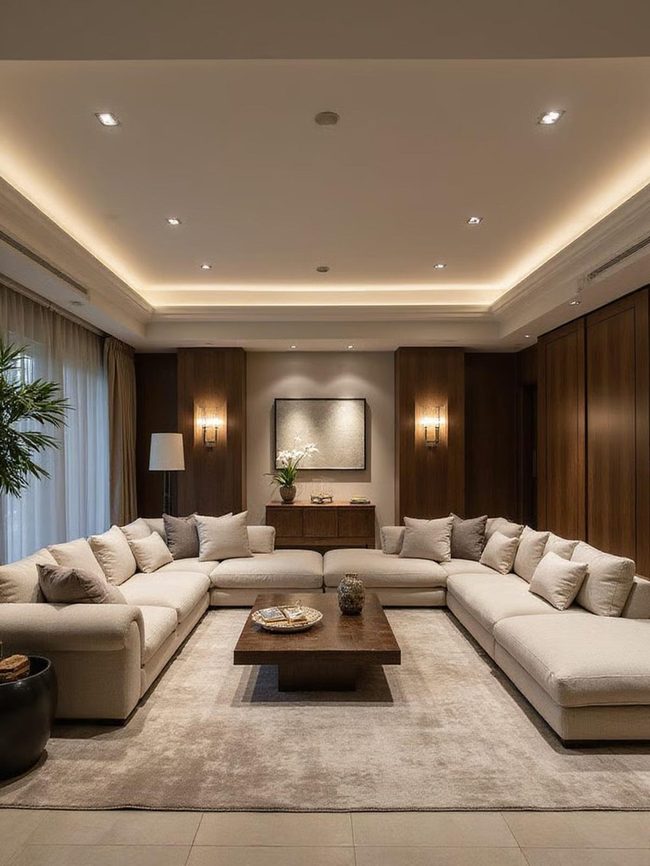
Everyone thinks a luxurious room means stuffing it with fancy things, but it's actually the opposite, real luxury is having space to breathe and room around your furniture so everything feels generous and calm instead of like a cluttered antique shop.
Flow matters just as much as the pieces themselves, and it should feel effortless and intuitive, not like you're squeezing past a coffee table sideways.
That physical friction creates low-grade stress you don't even be aware of carrying around.
I once worked with a brilliant writer whose living room was so packed with furniture she couldn't think straight, and when we removed about a third of it and rearranged the rest to clear wide pathways, she said it felt like her brain got decluttered along with the room.
Before you buy or move anything, grab a roll of painter's tape and outline your key furniture pieces on the floor, then walk through the space and check if you have at least three feet for your main pathways.
Does it feel graceful or cramped?
Your body will tell you the truth long before your eyes do.
Once your stage is clear and open, it's time to decide on the mood by starting with color.
White Wall-Integrated Storage Shelving
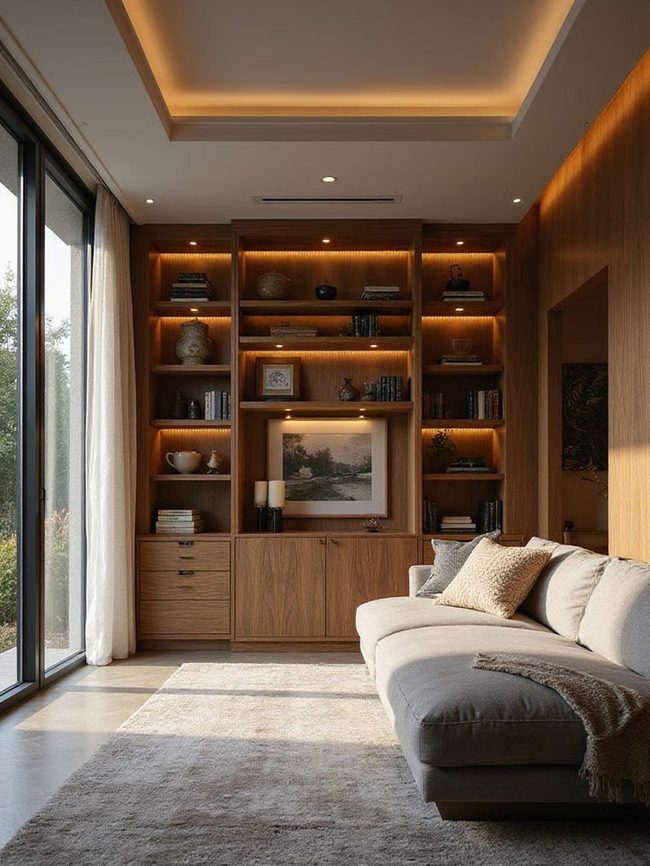
Built-in storage and organization units offer one of the most effective ways to handle the constant accumulation that comes with creative work, whether you're dealing with books, art supplies, sketches, or tools in various stages of completion.
Custom millwork reworks cluttered spaces into polished room features that hide the natural messiness of a creative life while maintaining beautiful aesthetics.
You don't need to spend a fortune on high-end cabinet makers to achieve this look, since standard shelving systems can work just as well when you approach them strategically.
One simple trick involves adding a sturdy base underneath stock bookshelves, then topping them with trim work and painting everything to match your wall color, and suddenly you have what appears to be built-in architecture rather than standalone furniture.
This visual integration makes storage feel seamless and connected to the room itself instead of looking like an afterthought against the wall.
When we helped a friend with this exact approach using affordable shelving, the result looked incredibly polished and finally gave her space a sense of order.
The payoff is worth the effort because you gain both function and beauty at the same time.
Soft Layers Stop Sound Bouncing
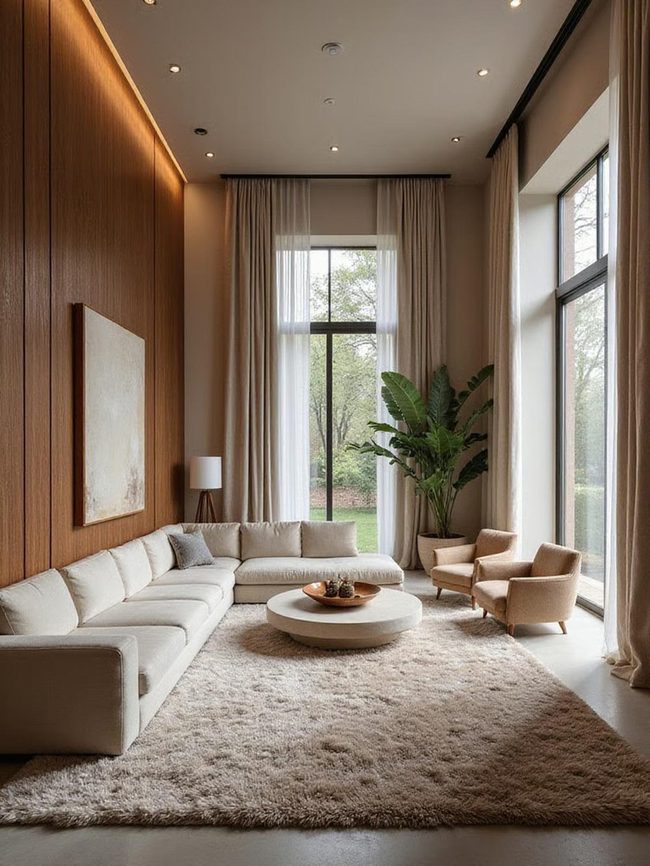
Hard surfaces bounce sound everywhere, making conversations exhausting and every noise jarring, which is why rooms filled with glass, tile, and stone never feel truly restful or refined.
Muted materials transform this situation by absorbing sound waves and turning a noisy, echoey space into one that feels calm and focused.
Rugs do remarkable work here, and so do upholstered furniture, thick curtains, and bookshelves packed with volumes.
If your room still sounds too live or hollow, textile wall hangings or fabric panels can help tremendously.
You don't need to soundproof like a recording studio.
Instead, layering these soft elements throughout your space means sound has somewhere to land and disappear rather than bounce around endlessly.
Many people overlook how much this matters when designing a room that truly feels comfortable and well-made.
Getting this right is actually one of the most important things you can do.
Layered Textures Build Room Depth
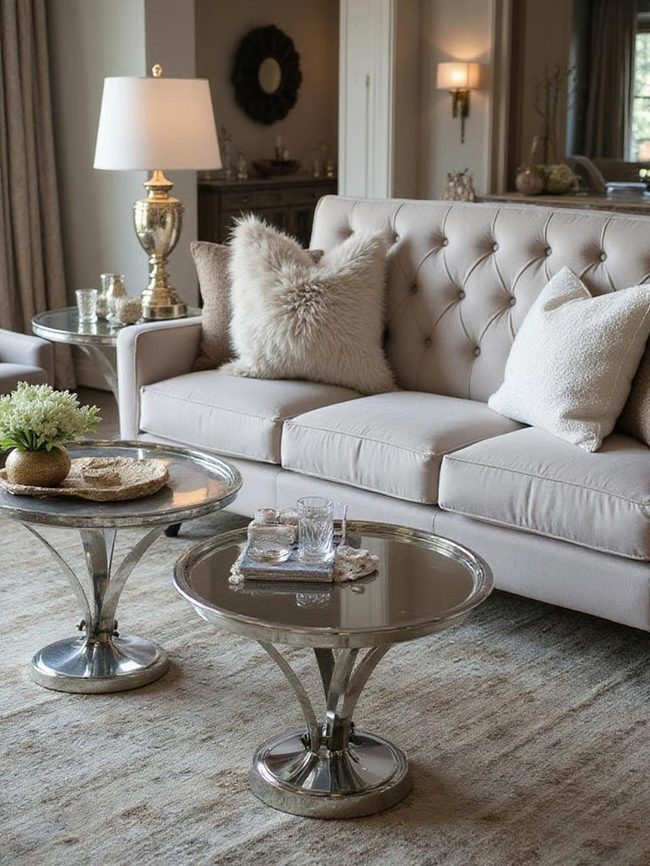
Mixing different textures throughout your room is one of the best ways to make a space feel rich and engaging, much like how an artist layers brushstrokes and paint to build depth into a canvas.
When you combine rough wool with smooth silk, chunky knits with cool marble, and weathered wood with polished surfaces, the space gains dimension and warmth that a single texture simply cannot achieve.
A room filled with only one texture, no matter how beautiful the color, falls flat and loses its appeal.
Many people make the mistake of buying matching furniture sets, like a complete leather suite, only to find the room feels cold and one-note.
Breaking up uniformity is key, so drape a textured blanket across a smooth sofa or place a rough ceramic vessel on a pared-back metal table.
When you sit in one spot without moving, you should be able to touch at least three different textures around you, and this simple rule instantly makes any room feel more developed and layered.
You need that sensory variety to avoid a sterile, uninviting look, and it how people experience the space.
Three-Layer Lighting System Transforms Rooms
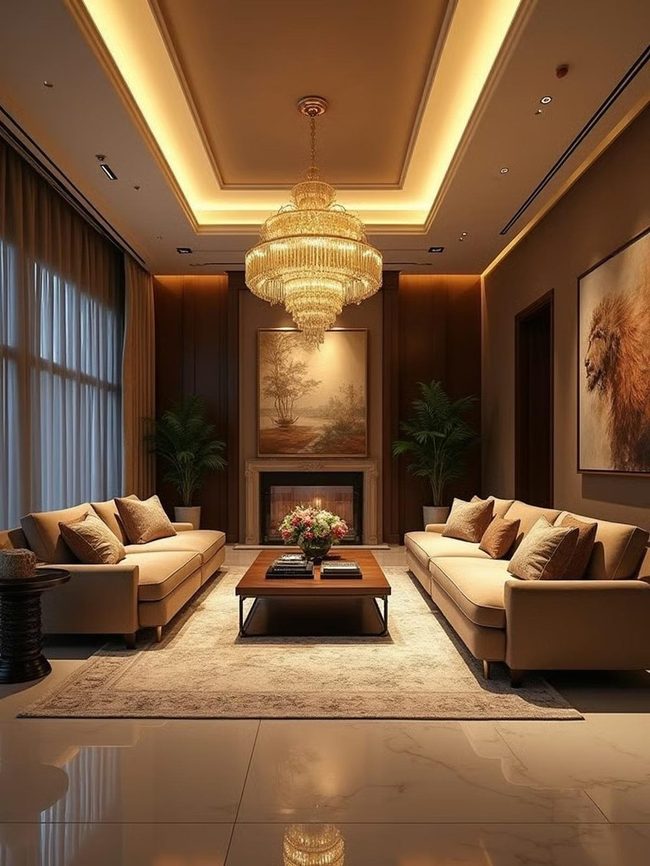
Putting a single overhead light in the middle of your ceiling actually works against good design because it casts harsh shadows and makes spaces feel flat and dull.
A well-lit room feels warm and welcoming instead, and it all comes down to layering your lighting in three straightforward ways.
Ambient light forms your everyday glow, whether that comes from recessed fixtures or a nice central lamp that simply fills the room with diffused general brightness.
Task lighting handles the work you do, like a reading lamp next to your chair or an arc lamp over the sofa, directing focused light exactly where you need it.
Accent lighting is where things get interesting and draws attention to beautiful elements, such as a small spotlight on artwork or a light tucked inside a bookshelf that adds depth and drama.
Here's what changed everything for me: putting every light source on a dimmer switch gives you real control over your mood and how the space feels at different times.
I learned this lesson in my first place when one terrible fluorescent overhead made it impossible to relax or feel creative, so I grabbed a few floor lamps and extension cords for about fifty dollars and suddenly the whole space worked better.
Deep Forest Green Wall Foundation
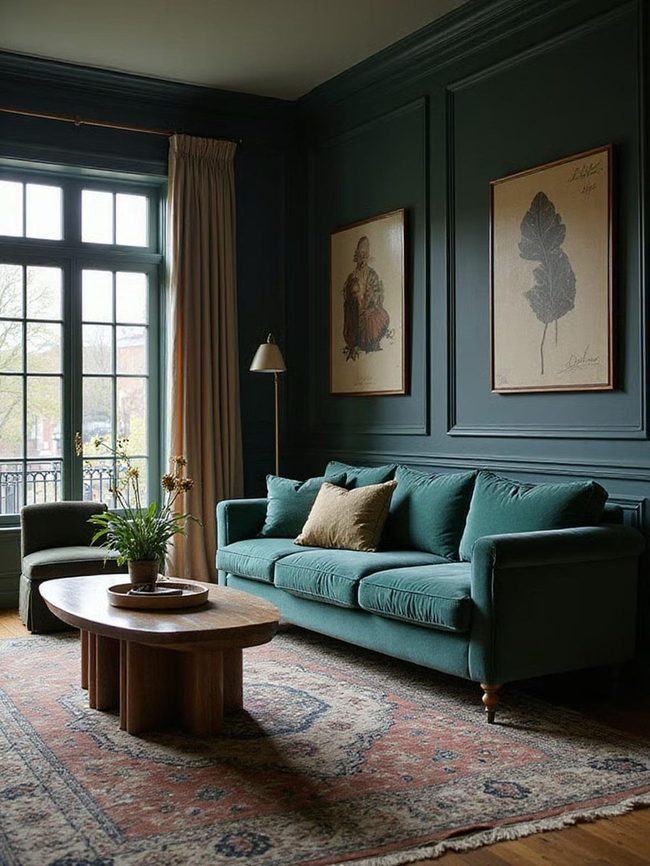
Skip those so-called colors of the year since they're just marketing tactics designed to make your space feel outdated within months.
What truly matters is choosing a palette that feels personal to you, something that connects with you on a deeper level and won't bore you down the road.
Look to nature, art, or your own wardrobe for inspiration, perhaps a deep forest green, warm terracotta, or pure gallery white.
Settle on one main color, add a secondary shade for support, and include a small accent, then test your choices by painting large swatches on your wall and observing them throughout the day as morning light, midday brightness, and evening lamp glow all shift how the color appears.
Layering textures within a single color family works beautifully and builds richness without overwhelming the space; think charcoal walls paired with a slightly darker charcoal velvet sofa and slate linen pillows stacked together for depth and polish.
Your color foundation sets the mood for all your other design choices, so it deserves real thought and time before you commit.
Oversized Rugs Ground Every Room
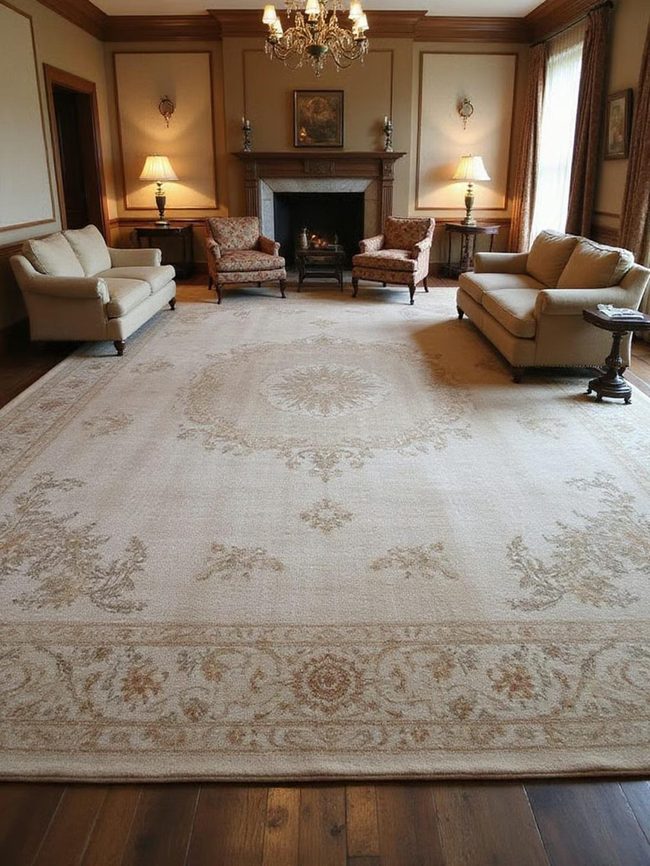
Picking a rug that's too small is one of the easiest ways to make a room feel disconnected and cheap, so start by going bigger than you think you need.
A tiny rug floating in the middle of your space looks like a sad postage stamp and leaves your seating area feeling scattered and unwelcoming.
Your rug should anchor the room by having at least the front legs of all your main furniture sitting on it, and this simple placement pulls everything into one unified group that actually feels balanced.
Look at it like a dinner table where everyone gathers around, if some people are sitting at the table and others stand a few feet away, the whole dynamic falls apart.
Even an inexpensive, generously sized rug will make your room feel more luxurious than a small expensive one because it grounds the entire space, soaks up sound, and brings real texture and warmth to your floors.
When you're unsure about sizing, we recommend erring on the side of too large rather than too small.
Your rug does the heavy lifting in a room by anchoring your seating arrangement and setting the tone for everything else you could add.
Meaningful Art Over Designer Names
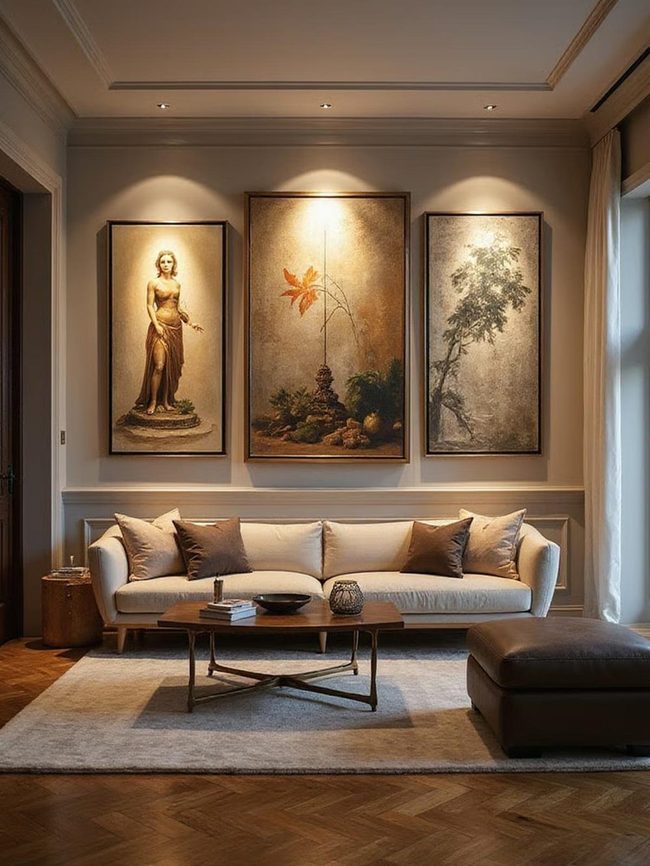
Displaying art that speaks to you matters far more than spending big money on famous names, and the best approach is treating whatever you choose with the same care a gallery would.
One meaningful piece on a bare wall beats a generic canvas from a discount store, so focus on art that holds real significance for you, a friend's creation, a photograph from somewhere special, a framed concert poster, or even something you made yourself.
Hang your pieces at eye level, around 57 to 60 inches from the floor, and use proper lighting to show them off with respect.
Skip the trap of filling spaces with forgettable wall decor just because you have empty spots.
A collection is simply things you love gathered together, and it tells your story to anyone who walks in.
When you curate thoughtfully, your walls become a reflection of who you are.
Beyond just the visual side, what a room feels like also depends on sound and silence, so remember that the full experience goes deeper than pictures alone.
Weekly Furniture Care Routine
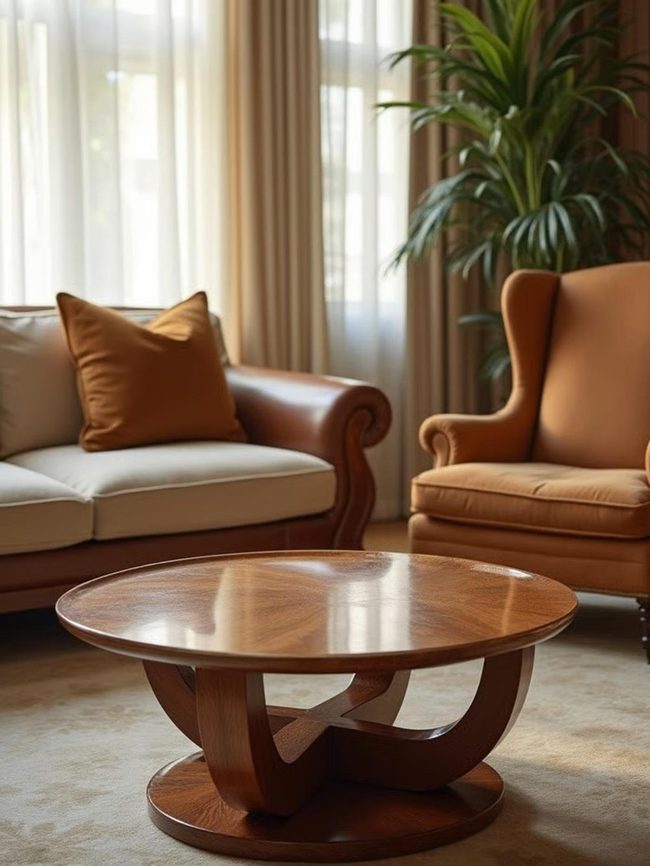
Protecting your furniture through regular care keeps everything looking fresh and prevents pieces from developing a worn, tired appearance that happens when you skip maintenance.
Wood needs oiling, leather requires conditioning, and upholstery benefits from consistent vacuuming, these basic steps preserve your investment and let your belongings age gracefully rather than deteriorate quickly.
Setting aside time in all week to care for your pieces, perhaps on a Sunday morning with some music and quality cleaning products, alters maintenance into a calming ritual that connects you to the objects supporting your daily life.
Similar to tending a garden, furniture demands ongoing attention and cannot simply be bought and forgotten; just a little consistent effort keeps your space feeling clean and well-loved.
Even the smaller items deserve this same respect and care, not just the major pieces that dominate your rooms.
When you show your belongings this kind of attention, you're demonstrating respect for what you've chosen to surround yourself with, whether those items cost a lot or were wonderful finds you discovered over time.
This approach takes the guesswork out of decorating because everything in your space will look its best and feel cared for.
Sunlight Doubles Room Size And Brightness
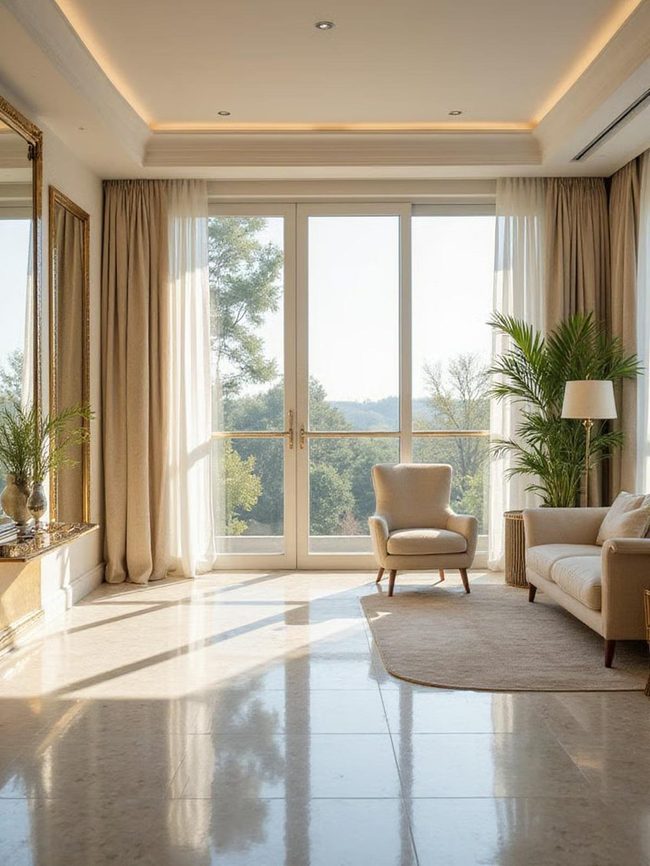
Natural light is the most powerful and affordable design tool you have, so learning to use it well should be your first step before buying any lamps or fixtures.
Sunlight floods a room and makes it feel larger, healthier, and more dynamic, plus it shows off the true colors of your fabrics and textures in ways artificial light simply cannot match.
Light shifts throughout the day, which means your space stays dynamic and interesting rather than feeling static.
To get the most from what the sun offers, avoid placing heavy furniture in front of windows and instead use mirrors to bounce light deeper into the room.
A large mirror across from a window doubles both the brightness and the sense of openness in your space.
When it comes to window treatments, layering works best, sheer curtains filter muted daytime light while heavier drapes close for privacy and warmth when you need it.
Starving a room of natural light weakens the whole design, so make it your priority to let sunshine in and move your furniture around to support that goal.
Deep Seat Support For Hours
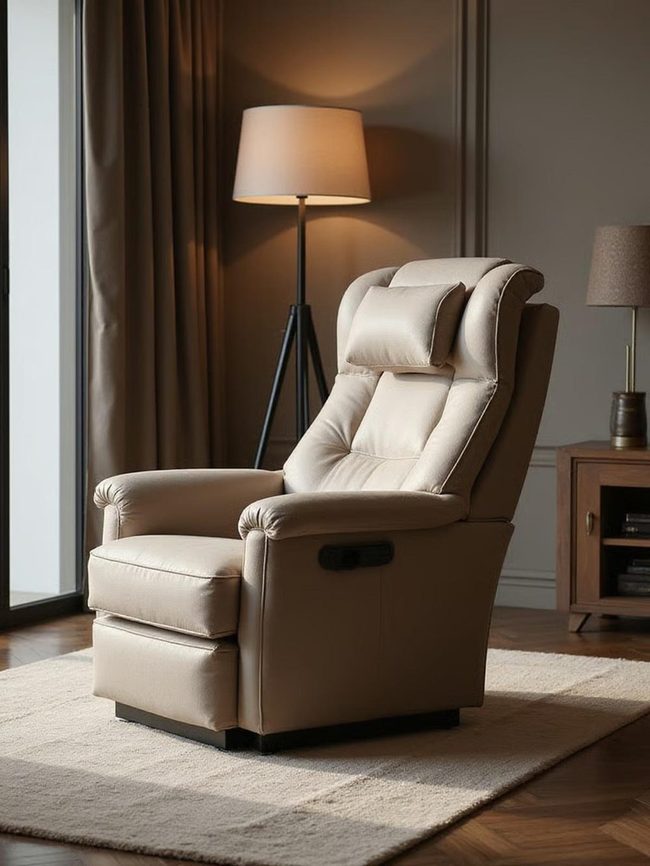
Living spaces exist for one purpose: being lived in, which means sitting matters more than anything else.
If your gorgeous sofa leaves you with back pain after twenty minutes, the design has missed the mark entirely.
True comfort happens when furniture supports your body so well that you stop noticing you're sitting down, and this becomes especially important for people who spend hours on the couch sketching, writing, or researching.
Your seating shouldn't cause physical discomfort or strain.
When you shop for a sofa or chair, spend real time testing it instead of just perching on the edge for half a minute.
Sit the way you actually would at home, slouch a bit, and put your feet up to see how it feels.
Pay attention to whether the seat depth matches your leg length and whether the lower back gets proper support and the armrests sit at a height that works for you.
Putting money into good ergonomics is really an investment in yourself and in being able to spend hours relaxing in the beautiful space you've built.
A luxurious room you can't wait to leave isn't luxury at all.
1940S Parisian Loft Aesthetic
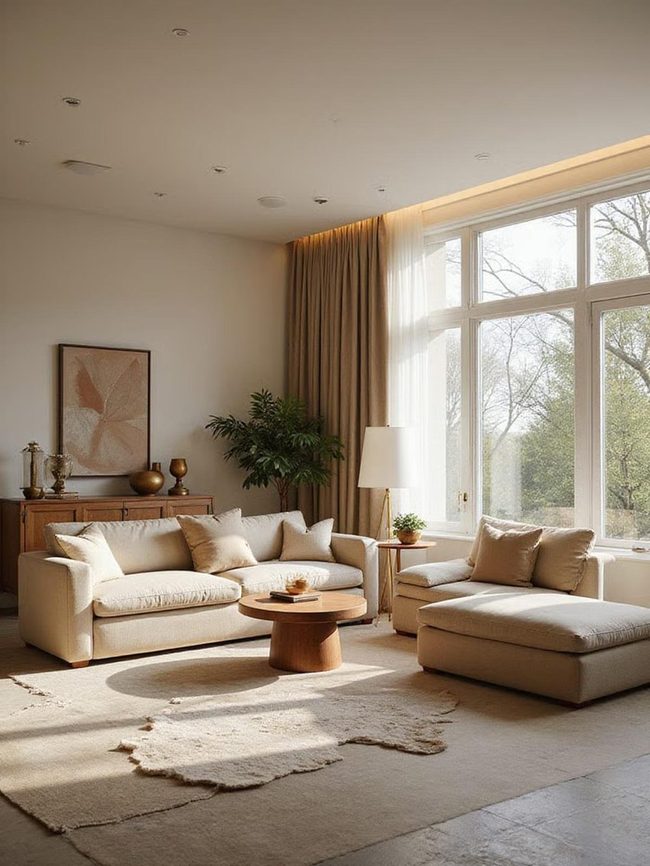
Knowing what vibe you want for your space matters more than you might think, and it's simpler than the term "design philosophy" makes it sound.
Without a clear direction, you end up buying things you like individually, a rustic farmhouse table here, a streamlined modern lamp there, a boho-chic rug somewhere else, and your room ends up feeling disconnected and confused rather than put together.
One client I worked with was struggling with this exact problem until I asked her to forget about furniture for a moment and describe a person or place she loved instead, and she said "a 1940s journalist's working loft in Paris." Everything clicked into place after that simple phrase.
Think about what simple phrase captures your room's personality, maybe "California coastal-minimalist retreat" or "an English professor's homey library" or "a sculptor's industrial studio", and let that become your filter for every decorating decision you make.
Custom Built-Ins Hide Clutter Beautifully
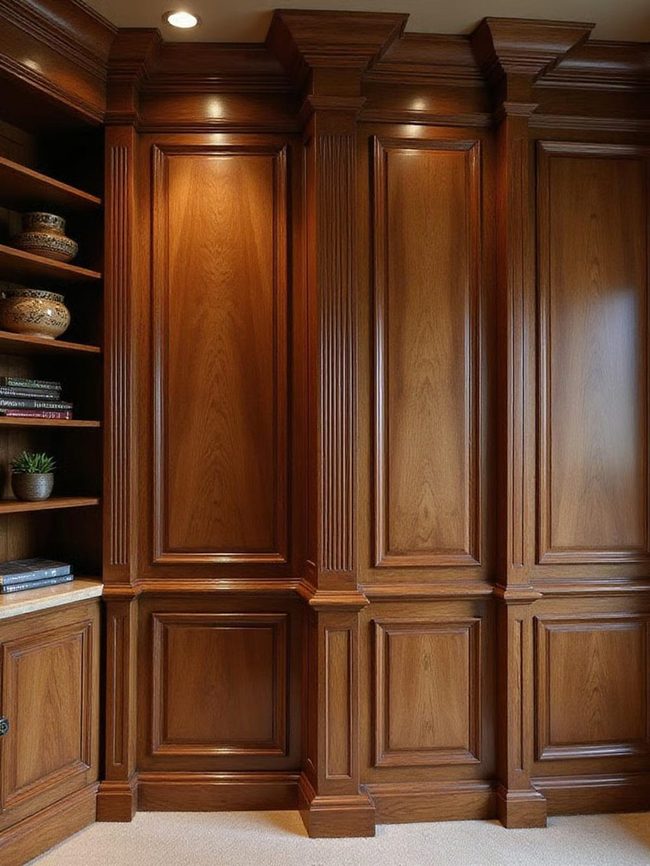
Built-in shelving, wall paneling, and fireplace surrounds bring genuine architectural character to any room and make spaces feel established rather than temporary.
You can transform a bare box into a home with history by adding these structural elements that give rooms substance and permanence.
What makes built-ins so valuable is how they solve two problems at once: they look polished and refined while hiding clutter behind closed doors or within open shelving units.
I once worked with a potter whose studio was overflowing with tools and clay supplies, so we installed floor-to-ceiling cabinets along one wall that appeared to be simple paneling when closed.
Behind those doors lived her entire collection of working materials, keeping everything within reach while the room itself looked calm and gallery-like.
Built-ins work as a storage shortcut because they serve both your aesthetic goals and your efficient needs without compromise.
When you choose custom millwork that fits your space exactly, you gain organizational power wrapped in design, and that combination turns a house into a place that feels intentionally yours.
Invisible Scent Completes Your Home
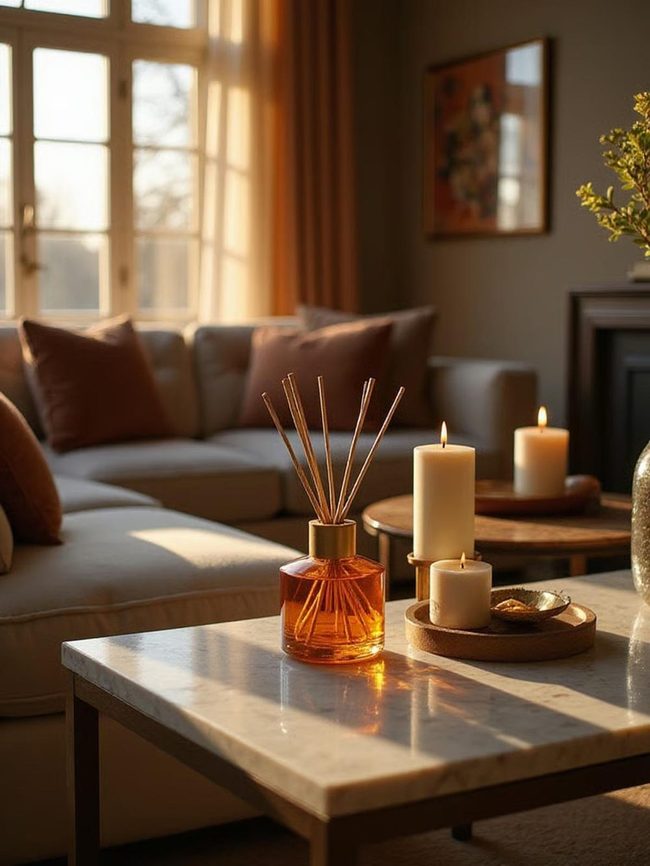
Every room that looks beautiful can lose everything when it smells stale or like yesterday's meal, so don't overlook what your nose experiences when you step inside.
Scent connects directly to memory in ways that sight alone cannot match, making it one of the most powerful tools for shaping how people feel in your space.
Your signature scent is that invisible layer of refinement that completes the sensory story, when someone enters, they should know right away if your home feels calm and woody, fresh and citrusy, or warm and spicy.
Skip the chemical air fresheners that smell like a fake flower factory, and instead reach for real quality options like a candle made with essential oils, a reed diffuser with layers of fragrance, or even cinnamon sticks and orange peels simmering on the stove before people arrive.
Think about what smell makes you feel at home and let that become part of your everyday environment.
Green Specimens Transform Empty Spaces
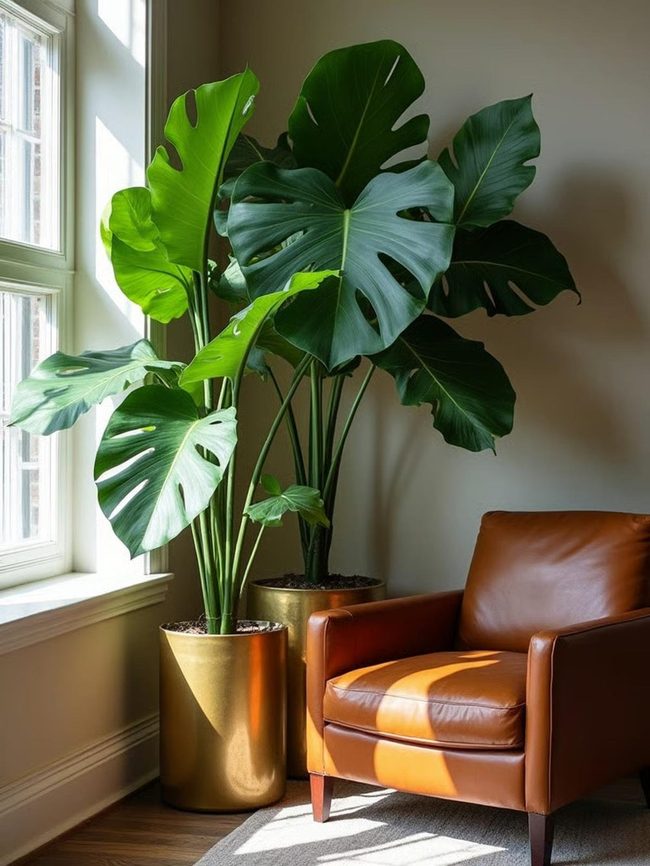
Living plants bring immediate visual energy to any room, and placing them strategically updates a space from feeling flat and lifeless to dynamic and connected to nature.
Large architectural specimens like fiddle-leaf figs or Kentia palms anchor corners with commanding presence, while trailing pothos cascading from high shelves introduce dramatic movement and depth.
Small succulents scattered on side tables or desks offer intimate moments of visual interest without demanding much space.
Beyond their obvious beauty, plants purify your air and require minimal investment compared to other decor upgrades.
What makes all the difference is pairing your greenery with a quality planter rather than leaving it in a cheap nursery pot, since the vessel itself becomes part of your design story.
You don't need an entire jungle filling your home, even one intentionally selected plant in the right spot can shift the whole feeling of a room.
Once you've handled the visual layer with your botanical choices, there's another often-overlooked sense worth exploring that can deepen the experience even further.
Concealed Technology Disappears Into Walls
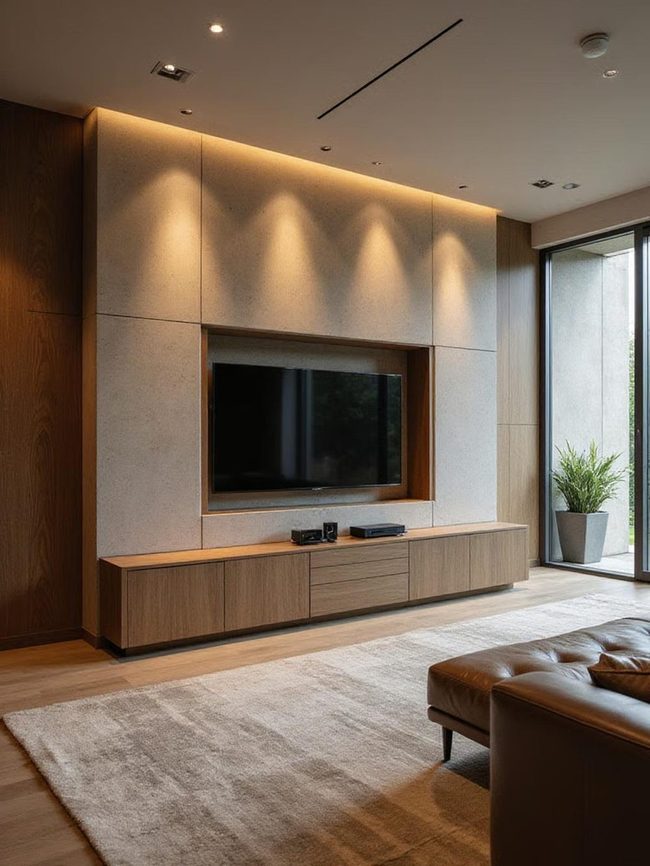
Blank screens dominating your wall like an eyesore can ruin any peaceful setting, and tangled wires behind furniture make things worse, but modern living means technology belongs in your home as long as it stays in the background.
Quality sound and visuals should be there when you need them and vanish when you don't, letting luxury mean comfort without clutter taking over.
Hidden TV options exist everywhere, some TVs blend into walls or rise from ceilings, while others hide inside well-designed media cabinets where components disappear from sight.
Darker wall colors behind screens help them blend rather than stand out, and today's wireless speakers are small enough to sit on shelves without demanding attention.
Sound can come from quality systems tucked away where you won't see them, and Honestly, keeps technology serving your needs instead of becoming the room's main attraction.
The real shift comes when you stop noticing the screens and speakers at all and just enjoy what they give you.
Once your tech fades into the background, you can turn your focus to art you can actually interact with and touch.
Natural Walnut And Stone Foundation
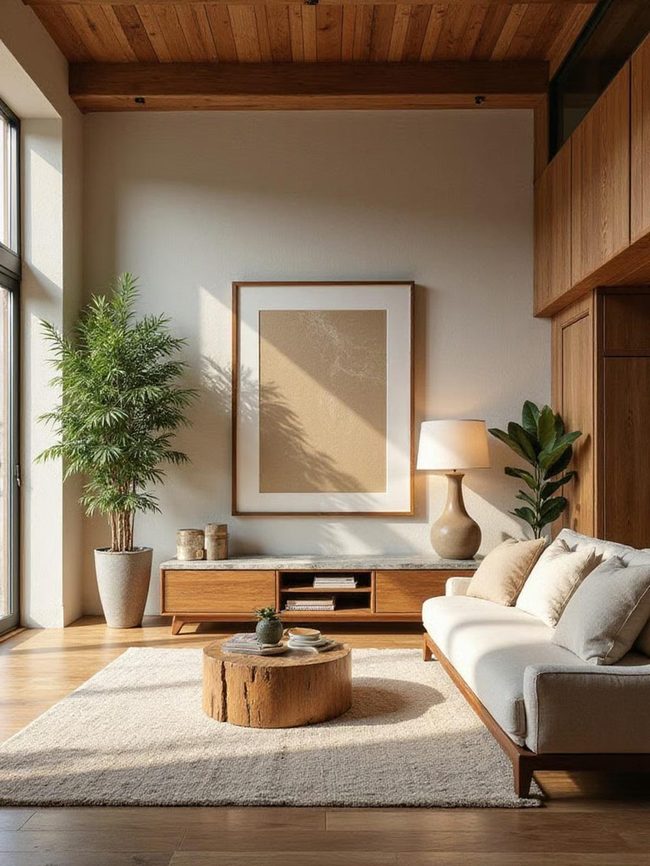
Solid wood tables and natural stone carry a weight and warmth that plastic alternatives simply cannot match, and they develop a rich patina over time that grows more beautiful as years pass.
Real materials like wood, linen, wool, and silk have an honest quality and texture that catches light in ways manufactured goods never do, and this authenticity grounds a room and makes it feel substantial.
You don't need everything to be flawless, in fact, that little knot in the wood or the natural slub in the linen is proof the piece came from the earth and not a factory floor.
When you invest in quality items you touch daily, like a beautiful linen throw or a solid oak coffee table, you're building a foundation that feels nurturing and high-end from the ground up.
A well-made wool rug will serve you faithfully for fifty years while a cheap polyester one looks dingy within two, so choosing pieces with real integrity matters far more than the price tag alone.
Look for materials that have something genuine to say about where they come from and how they're made.
Seasonal Pillow Cover Rotation Strategy
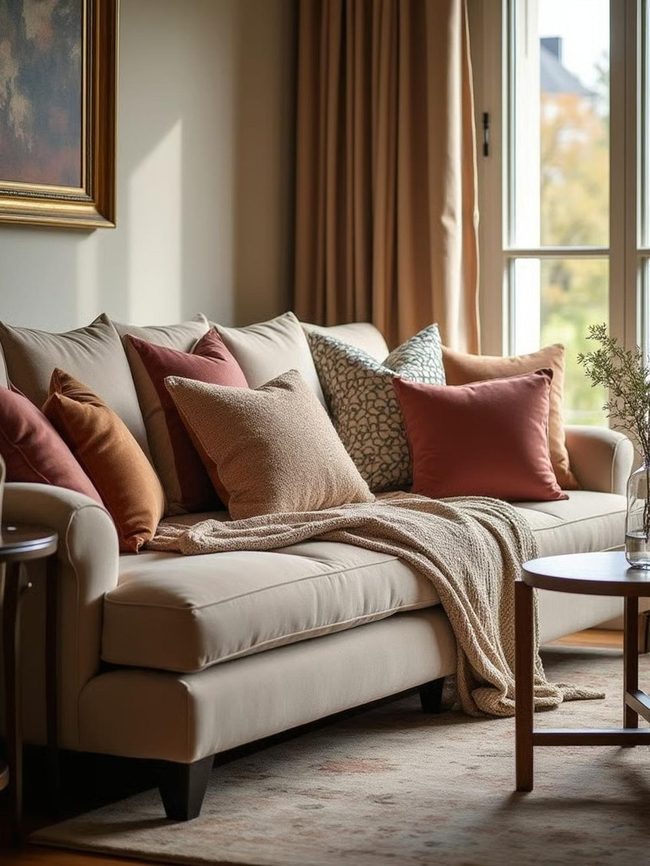
Refreshing your pillows and throws ranks among the quickest and most budget-friendly ways to shift how your living room feels, and you can spot the difference immediately since these pieces function like jewelry for your space.
Swapping out covers takes just about ten minutes, yet it delivers results that make everything look freshly decorated, especially when you rotate seasonal sets, light linens and cottons for warm months and rich velvets and wools in deeper tones for cooler ones.
I keep two complete sets ready to go, and honestly, this simple swap feels like I've completely redesigned the room without spending much money.
Pillows and throws endure the most daily wear since they get squished, spilled on, and faded by sunlight, so keeping them updated keeps your whole space feeling current and well-maintained.
Here's the smart approach: invest in quality pillow inserts with a down and feather blend for comfort and durability, then you can switch out the covers for a fraction of what new pillows cost.
Designers rely on this trick because it works so well and lets you refresh your space whenever you want.
Solid Grain Furniture Lasts Decades
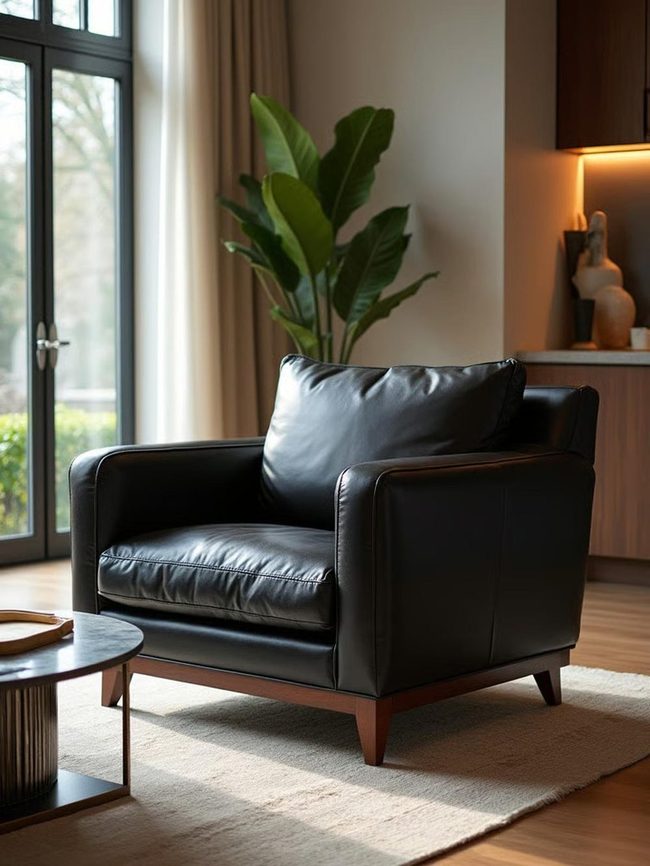
Investing in one substantial furniture piece with genuine presence makes all the difference in how a room feels, and you don't need to spend a fortune on something you saw in a glossy magazine.
Look for something built well and built to last, a sofa with clean lines, a worn leather armchair with character, or a solid wood table that will survive decades of use.
My own first real furniture purchase was a $100 club chair from a flea market with cracked leather but an unshakeable frame, and after spending a couple hundred more on new Belgian linen upholstery, it became my anchor piece and traveled with me through five different homes.
Quality construction and comfort matter far more than following trends, since you can always change the fabric down the road but a weak frame can't be saved.
This anchor piece should be where you actually sit and relax, which means your back and comfort level deserve the best you can manage.
Once you have this strong foundation in place, the rest of your room has something solid to build around and something worth showing off properly.
Michael Thompson
Senior Content Editor
Expertise
Content Strategy Development, Editorial Team Leadership, Home Décor Trends & Style Curation, Digital Storytelling for Interior Design, Quality Assurance in Publishing
Education
University of Missouri, Columbia
University of Texas at Austin
Michael Thompson is the senior content editor at Decorrio, bringing over 12 years of experience in journalism and home décor writing. With a journalism degree from the University of Missouri and a master’s in English from UT Austin, he blends storytelling with expert design insights.
At Decorrio, Michael curates inspiring content that helps readers transform their spaces with style and ease. He’s passionate about home organization, DIY projects, and quality design ideas that make everyday living more enjoyable.
Outside of work, Michael enjoys exploring Austin’s culture, tackling home improvement projects, and mentoring aspiring writers.