
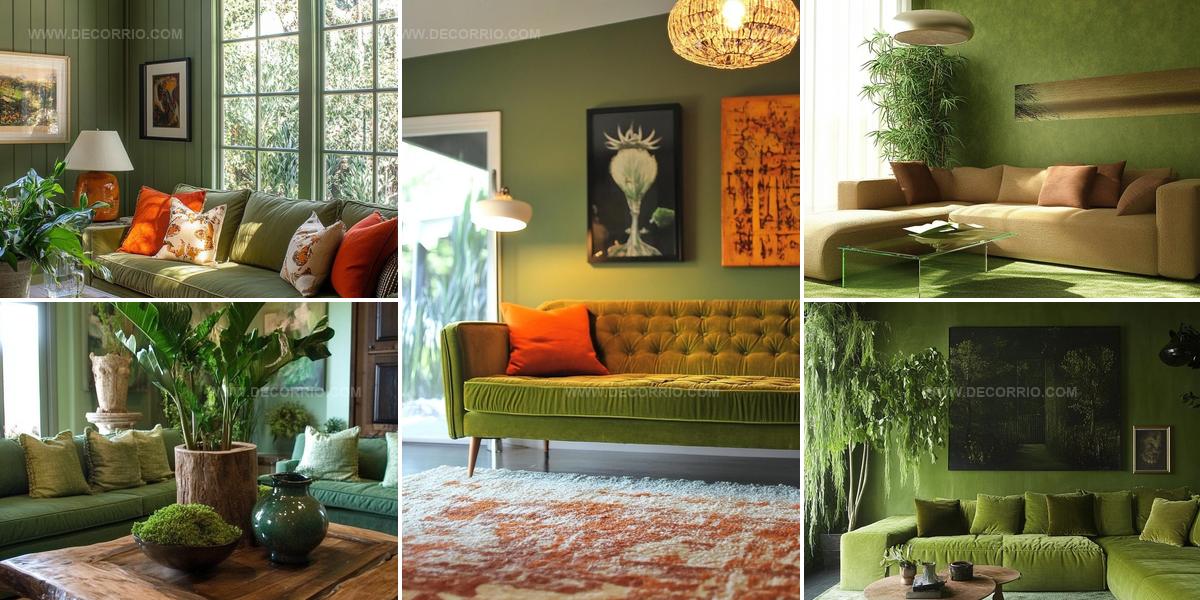
13 Green Living Room Decor Ideas That Feel Fresh

A green living room creates a refreshing atmosphere that brings nature's calming influence indoors.
Decorating with this versatile color offers opportunities to express different moods, from soft sage tones that whisper tranquility to bold emerald accents that command attention.
Whether you prefer minimalist designs or layered textures, various shades work beautifully alongside neutral palettes and natural materials.
The psychology behind this hue shows how it promotes relaxation while energizing spaces simultaneously.
Pairing verdant walls with wooden furniture, metallic finishes, or complementary textiles allows for personalized expression.
You can adapt different intensities of this shade to match existing furnishings and architectural features.
Now's the perfect moment to reimagine what a welcoming, nature-inspired space could become for you.
Handcrafted Natural Materials For Conscious Living
When you shop for home decor, choosing pieces made from natural materials and sustainable sources makes a real difference in both your space and your community.
Pottery, ceramics, and glassware from local artists stand out as some of the most visually striking options, and your money stays right where you live.
Handcrafted items from artisans bring genuine character that mass-produced goods simply cannot match.
Moving to textiles, look for pillows and throws in organic cotton, linen, and undyed wool to bring warmth without harm.
Storage solutions like baskets, bins, and trays crafted from bamboo, seagrass, jute, or rattan offer both function and natural texture that feels grounded.
Recycled glassware works beautifully for everyday use and display.
Fair trade handwoven baskets deserve special mention because they support artisans directly while connecting you to cultures around the world.
By backing eco-conscious companies and choosing these materials, you align your decorating choices with values that matter.
Sustainable Living Room Green Choices
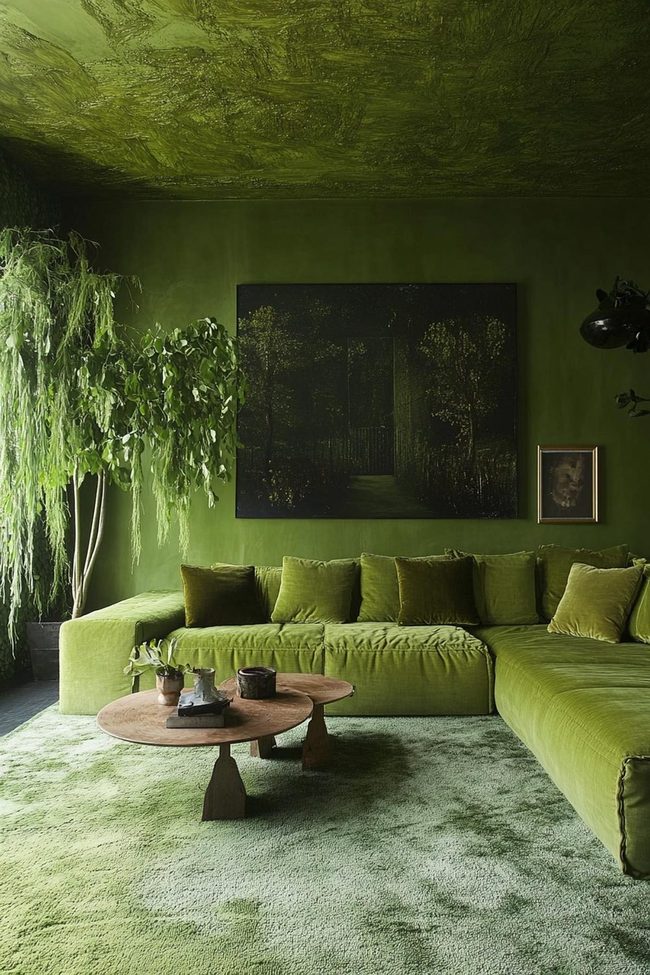
Keeping your living room sustainable starts with buying less and choosing pieces that serve multiple purposes, like a pouf that doubles as both seating and a table.
When you do shop, look for items built to last and made from materials you can repurpose later if needed.
Maintaining your furniture well and repairing things instead of replacing them stretches their usefulness for years to come.
Packaging, old fabrics, wood scraps, and electronics can all be recycled rather than thrown away, and quality pieces you no longer want deserve a second life through donation or resale.
Rooms filled with natural light, fresh air, and plants grown in sustainable materials have a calm beauty that you will appreciate every day.
Starting with simple swaps like upcycling furniture and picking non-toxic paint makes a real difference in your space and your home's environmental footprint.
From there, you can keep learning about green design by trying new materials, supporting small businesses, and making changes room by room.
Every small step you take toward conscious decorating builds a home that feels good to live in and helps the planet at the same time.
Sunlit Spaces With Glass Mirrors
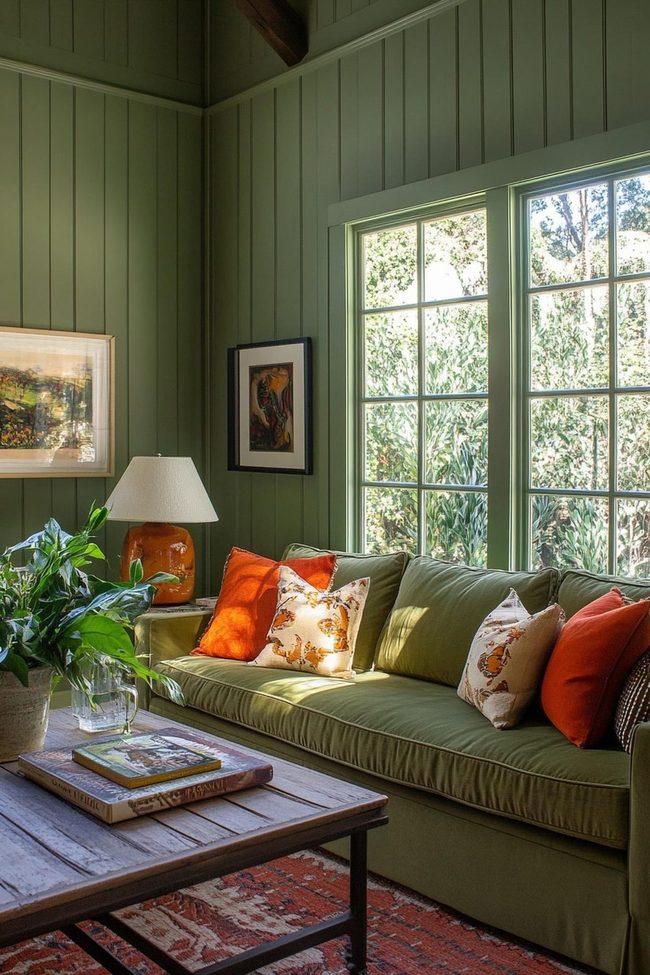
Sunlight streaming through large windows, skylights, and glass doors brings the most noticeable clearness into your home, and mirrors positioned throughout rooms amplify this natural glow even further.
You can filter out harsh sun rays with bamboo shades, wood blinds, or sheer curtains so the light feels comfortable rather than overwhelming.
Painting your walls in light shades like whites, greys, and pale blues helps bounce light around and makes spaces feel airier.
Glass lamps, vases, and tables scattered around the room catch and spread light in quiet ways that most people don't think about.
Placing green plants near your windows serves double duty, they soak up the sunshine they need to thrive while their leafy presence adds life and color to clear spaces.
Opening your windows on nice days keeps fresh air flowing through, and installing ceiling fans helps move that air around so your home feels healthier and more pleasant to be in.
Non-Toxic Paint And Natural Finishes
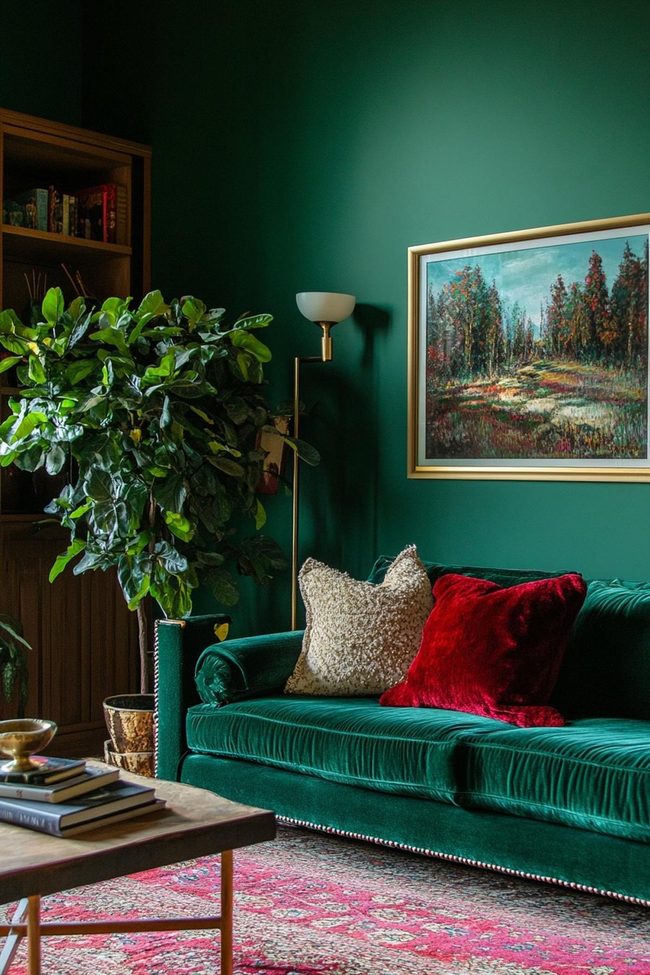
Whitewash mixed from diluted white paint reveals beautiful wood grain underneath and gives you that clean Scandinavian aesthetic while keeping your space completely free of harmful chemicals.
Milk paint stands out as a naturally VOC-free choice made from milk protein and clay, and it sticks to most surfaces without needing sanding or priming first.
You can find low- and no-VOC latex paints from every major paint brand on the market, so switching to healthier options has never been easier.
Natural waxes and oils like beeswax, tung oil, and citrus solvents protect your wood surfaces without the toxic fumes of conventional products.
Looking for Green Guard or Green Seal certifications helps you spot the safest choices available.
Standard paints and finishes release harmful VOCs into your home, which is why we recommend avoiding them altogether.
Moving toward environmentally-friendly finishes means your family breathes easier while your space looks just as beautiful as it would with traditional products.
Wooden Furniture Gets Second Life
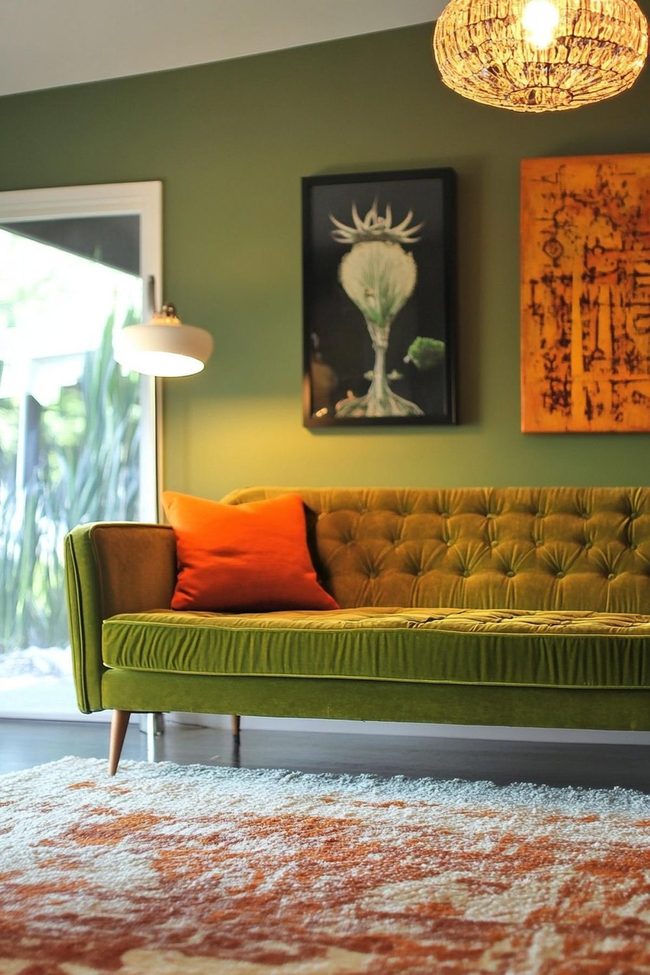
Worn wooden furniture with visible scratches and patina creates an instantly eye-catching focal point that brings authentic character into any living room.
When you browse thrift stores or antique shops, hunt for solid wood pieces with good bones underneath their tired surfaces.
Sanding, staining, painting, or reupholstering these castoff finds elevates them into fresh-purpose pieces that tell a story.
Upcycling keeps quality items from landfills and preserves the materials, craftsmanship, and history that mass-produced furniture simply cannot offer.
Refinishing wooden chairs, cabinets, and tables with non-toxic stains and seals works beautifully as a starting point.
Reupholstering faded sofas and armchairs with organic or recycled fabrics brings new life to beloved seating.
Painting tired dressers, shelves, and side tables with no- or low-VOC paints updates their appearance while keeping your space healthy.
Beyond the environmental benefits, the imperfections and signs of wear on restored pieces add warmth to your home, and restoring something with your own hands gives you real pride in the finished result.
Green Hardwood Floors Matter
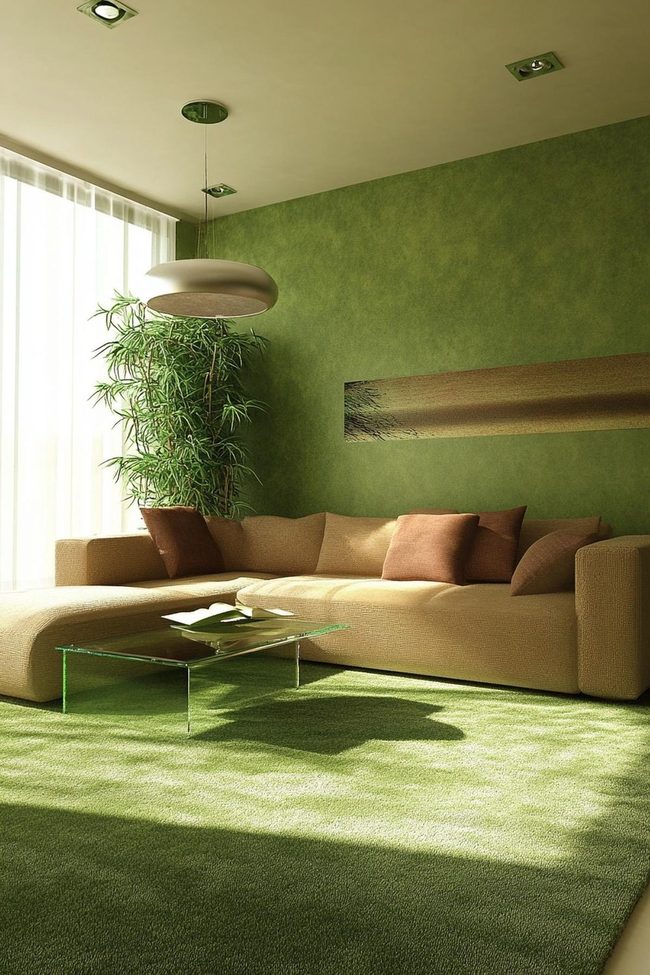
If you're ready to refresh your flooring, polished concrete stands out as a striking modern choice that holds and releases heat efficiently throughout your space.
Hardwood from responsibly managed forests brings timeless appeal and pairs beautifully with low-VOC adhesives and finishes that keep your air cleaner.
Bamboo grows back quickly and delivers a handsome look when sourced from sustainable harvesting practices.
Cork sits beneath your feet with natural antimicrobial benefits and genuine comfort.
Recycled glass or porcelain tile offers both style and environmental responsibility, though you could want to skip grout sealants containing harsh chemicals.
For those preferring warmth and softness, untreated wool carpet works well, and layering an organic cotton rug over hardwood floors helps define different zones in your home.
Sustainable flooring has evolved far beyond basic options, so you can find materials that are durable, attractive, and good for your household's health all at once.
Shells, Stones, And Foraged Treasures
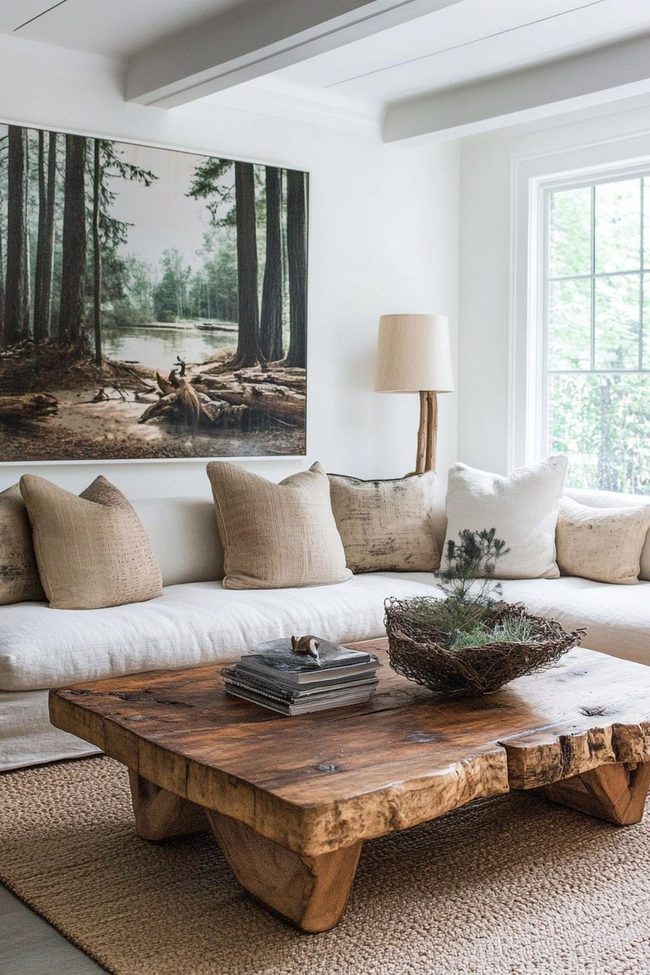
Nothing beats the visual drama of displaying natural found objects throughout your space, and hanging air plants or suspended pinecones from string creates an instant rustic mobile that draws the eye upward.
Shells and coral arranged on coffee tables or tucked inside shadowboxes offer another striking display option, while pressed flowers and ferns under glass make wonderful wall installations.
You can get creative by stacking stones and crystals into Zen cairns, arranging seashells to spell out words or shapes on mirrors, or filling glass bowls with your garden discoveries and positioning them on bookshelves.
Bringing natural items indoors is one of the easiest ways to boost your home's eco-friendly style since foraging costs nothing and gets you outside exploring while you search.
Beyond just looking good, these found object displays spark genuine joy and relaxation in anyone who sees them, and family often love exploring the treasures and reminiscing about their own garden adventures.
Mimic what nature does best by creating asymmetrical clusters, gradients, and scattered compositions that feel like they came straight from forest floors and beaches.
Energy Efficient Led Bulbs Save
Install Energy Efficient Lighting
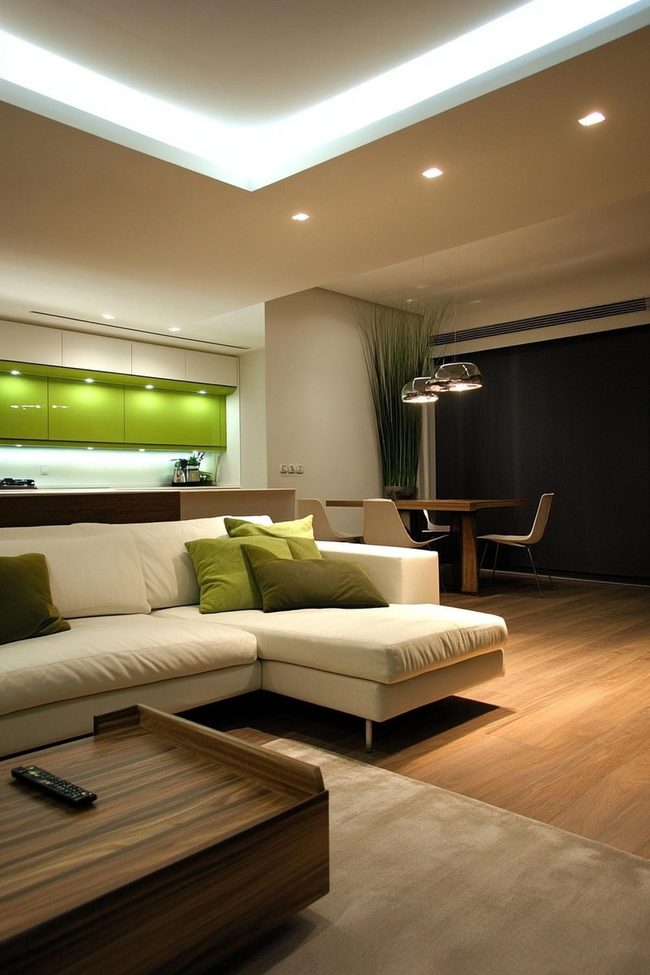
Going with energy efficient lighting cuts your home's carbon footprint while dropping your electricity bills, and you may find plenty of beautiful eco-friendly options for any living room.
LED bulbs use up to 90% less energy than old incandescent bulbs and stick around much longer, so you get more value from your investment.
Warm white shades deliver a natural glow that feels welcoming without being harsh, and Himalayan salt lamps scattered around the room add muted pink tones that both soothe your space and help purify the air.
Wall-mounted swing arm sconces and articulating lamps mean you don't need to rely on overhead lights running constantly, which saves even more energy.
Task lighting lets you direct light where you actually need it rather than flooding the whole room.
Look for fixtures made from natural materials like rattan, ceramic, and wood, since these add texture and warmth to your décor.
Dimmer switches give you the power to adjust brightness whenever you want, matching the mood to what you're doing.
This combination of smart lighting choices keeps your space comfortable while being kind to both your wallet and the environment.
Hardwood And Stone Foundation For Green Living
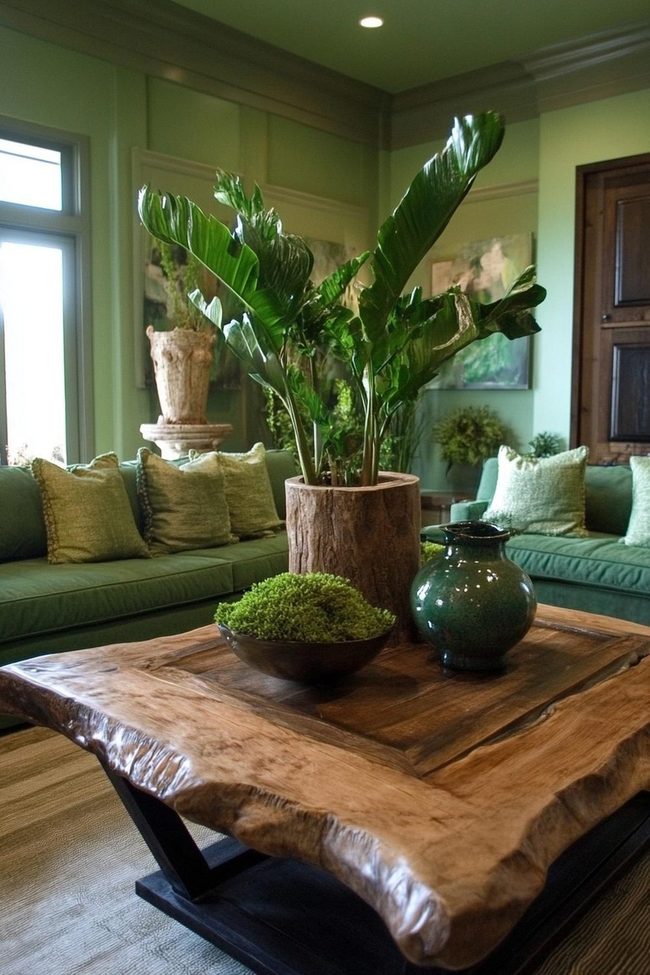
Hardwood flooring in oak or maple brings warm, organic texture underfoot and serves as a striking base for any room design, while you can layer wool or cotton area rugs over these surfaces to add coziness and define different spaces without relying on synthetic materials.
Stone and tile options work well too, particularly when you source them locally for eco-friendly benefits, and they pair beautifully with the natural aesthetic many people love.
Wood furniture, whether distressed antique pieces or modern handcrafted designs, brings that same earthy warmth throughout your space, and accent tables made from reclaimed wood, finished metal, or concrete offer both function and natural appeal.
If carpet suits your needs better, wool and cotton fibers outperform synthetic alternatives in both durability and appearance.
Woven baskets, ceramic pieces, stone coasters, metal sculptures, and wooden vases scattered throughout your home introduce natural materials that complement your green decor and bring the outdoors inside.
Jute and sisal rugs provide another natural fiber choice if you want something different from traditional options.
These materials work because their earthy beauty creates a sense of calm and tranquility that resonates through every room.
Building a space with these elements means you're investing in pieces that last and feel genuinely connected to nature.
Green Statement Plants Indoor Living
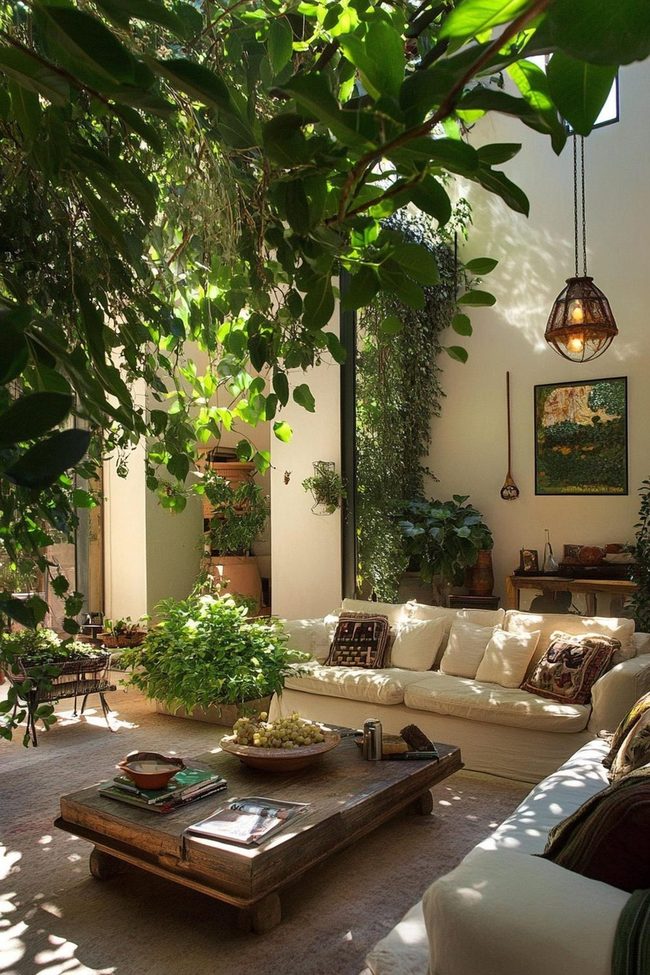
Living plants bring so much freshness into your home, and they do far more than just look good, they boost your mood, clean the air, and tap into our natural connection with nature.
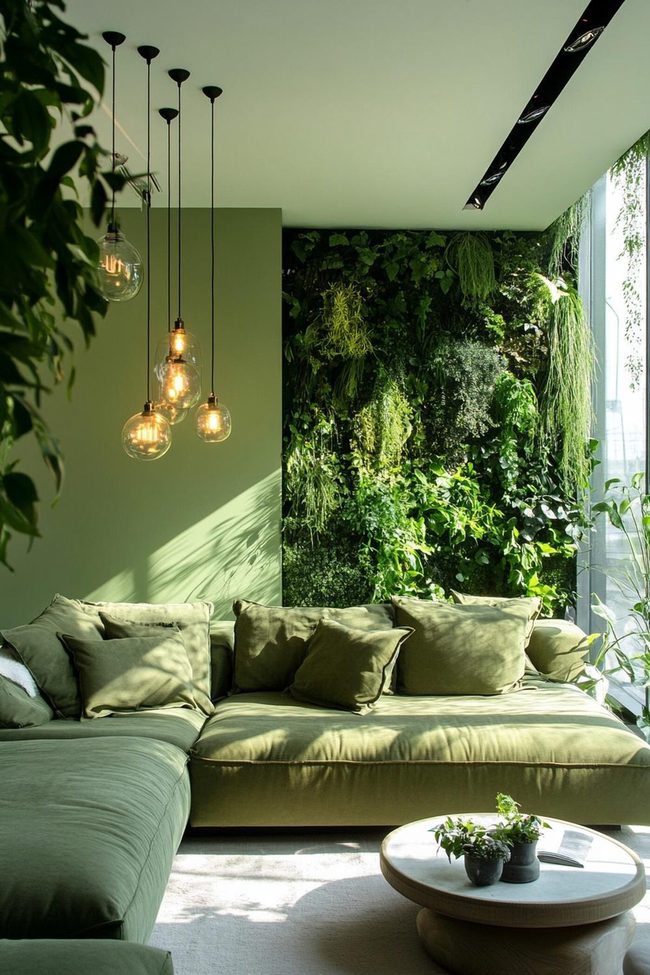
Start by picking some big statement plants like fiddle leaf figs, palm trees, or banana plants and positioning them where they'll stand out as the main visual feature in the room.
Once you have those anchoring pieces in place, fill in around them with smaller plants like snake plants, aloe vera, ferns, ivy, and philodendron that help purify the air and add layers of green.
You can hang spider plants and pothos vines from above to bring the greenery down and establish movement, while a small herb garden on a kitchen windowsill gives you fragrant plants you can actually use.
Succulents work wonderfully in airy spots and need minimal care, so try grouping different varieties of echeveria, sedum, sempervivum, and aeonium together for visual interest.
Mount wooden planter boxes on your walls or install vertical gardens to save floor space and build living collages that pull the eye upward.
Scatter your potted plants across bookshelves, side tables, and the floor in an uneven, natural way rather than lining them up in perfect rows, and you can end up with a garden that feels organic and lived-in.
Connected Devices For Efficient Living
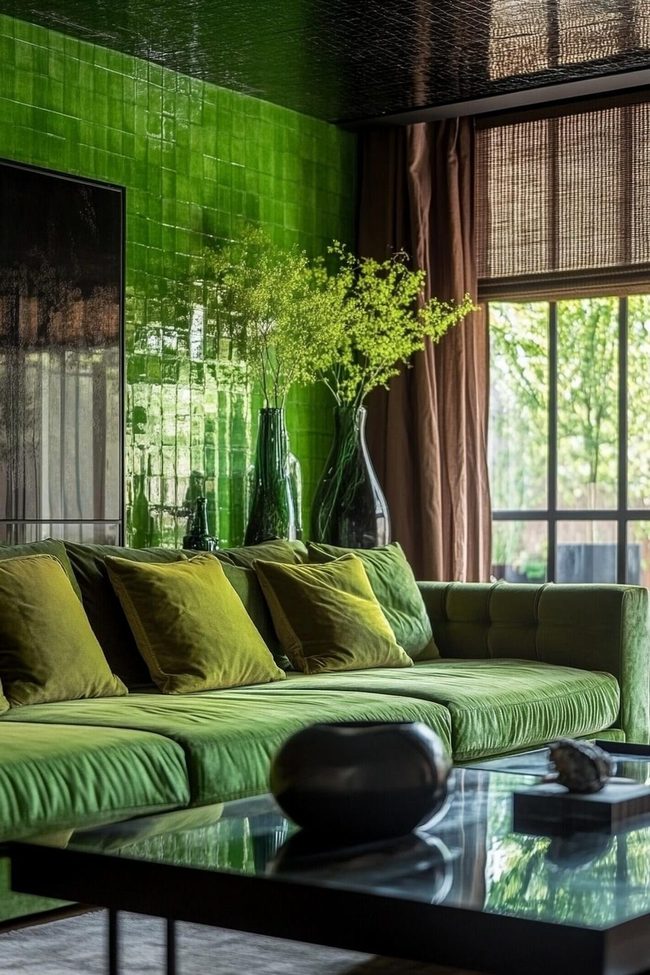
Smart home technology brings remarkable convenience to your daily life while helping your home run more efficiently and use less energy.
Smart thermostats like Nest adjust temperature based on whether anyone is home, which cuts down on wasted power.
Voice-activated hubs such as Amazon Alexa, Google Home, and Apple HomeKit let you control lighting, music, and other systems just by speaking commands.
Smart lights respond to app controls so you can turn them off remotely whenever they're not needed.
Smart plugs and power strips give you the ability to switch electronics on and off from anywhere, reducing unnecessary energy drain.
Security cameras and smart sensors monitor your home while you're away and alert you to any problems, so you can address issues quickly and prevent bigger damage.
Reclaimed Grain And Upcycled Treasures
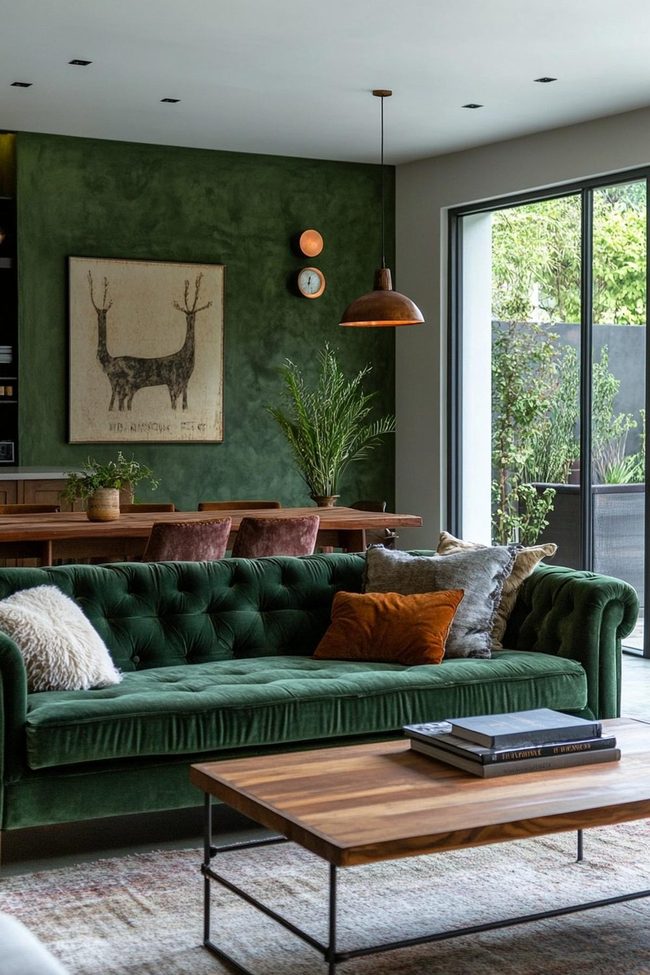
When you shop for furniture, prioritizing responsibly sourced pieces makes a real difference for the environment and your home's longevity.
Solid wood built to last often becomes something you pass down to the next generation, and that's far better than buying cheaply made items that fall apart quickly.
Look for FSC certification on wood furniture since it shows the company follows responsible forestry practices, and reclaimed or locally-sourced woods are excellent alternatives.
Rattan and bamboo work well too because they're abundantly renewable, though you should verify they come from ethical sources.
Beyond buying new, you can hunt for cast-off items around your home or at thrift stores and give them fresh purposes as decor.
Old printers' trays hold greenery or sculptures beautifully, while vintage ladders hung horizontally serve as towel racks or floating shelves.
Glass jars and bottles from thrift stores work for storing cotton balls, q-tips, candles, or dried flowers, and you can display collected rocks, shells, or geodes in glass apothecary jars or terrariums.
Natural Fiber Living Room Textiles
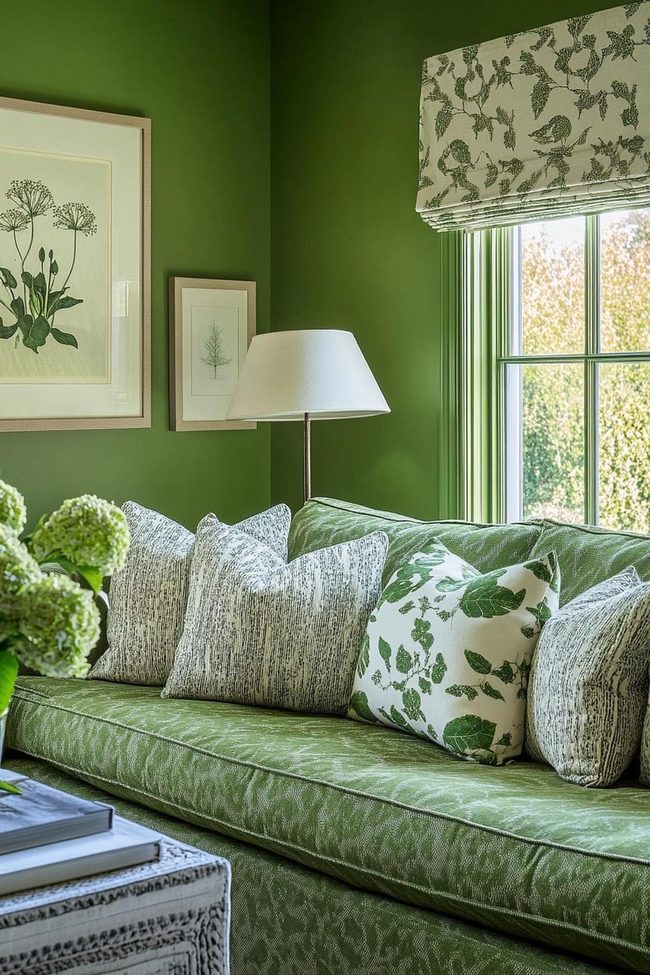
Linen drapes with their natural sheen and relaxed texture establish an immediate visual presence in your living room, while organic cotton upholstery brings a clean and casual comfort that feels genuine underfoot.
Wool fabrics add warmth and a touch of sophistication alongside these choices, and together they form the foundation of an eco-conscious room.
Beyond these classics, hemp, silk, and sustainably sourced bamboo and rattan offer additional natural fiber options worth exploring.
You can also consider fabrics made from recycled materials such as plastic bottles, old clothing, or even fishing nets, which reduce waste while delivering real substance to your space.
Safety matters here, so look for the Oeko-Tex Standard 100 label, which means the fabric has been tested and verified free of harmful chemicals.
When shopping, seek out the Global Organic Textile Standard (GOTS) logo to confirm that your fabrics came from genuinely sustainable production methods.
Steer clear of synthetic materials that rely on petroleum-based ingredients.
From sofas to pillows and window treatments, the fabrics you choose shape how your living room looks and feels, so selecting natural fibers and responsibly sourced options makes both environmental and aesthetic sense.
Michael Thompson
Senior Content Editor
Expertise
Content Strategy Development, Editorial Team Leadership, Home Décor Trends & Style Curation, Digital Storytelling for Interior Design, Quality Assurance in Publishing
Education
University of Missouri, Columbia
University of Texas at Austin
Michael Thompson is the senior content editor at Decorrio, bringing over 12 years of experience in journalism and home décor writing. With a journalism degree from the University of Missouri and a master’s in English from UT Austin, he blends storytelling with expert design insights.
At Decorrio, Michael curates inspiring content that helps readers transform their spaces with style and ease. He’s passionate about home organization, DIY projects, and quality design ideas that make everyday living more enjoyable.
Outside of work, Michael enjoys exploring Austin’s culture, tackling home improvement projects, and mentoring aspiring writers.