
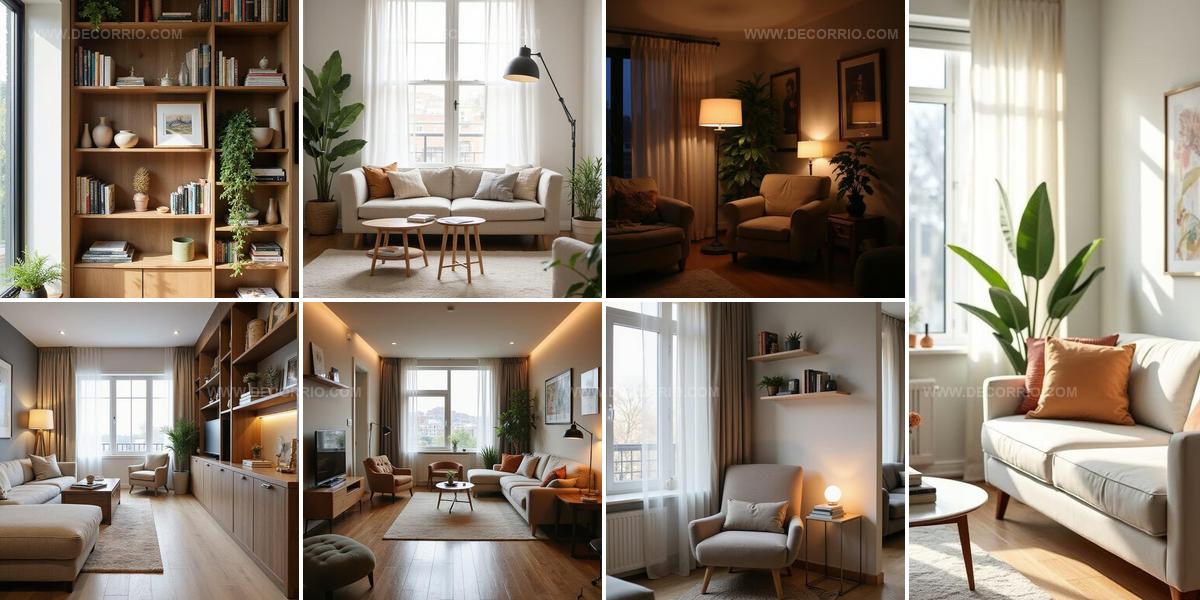
24 Apartment Living Room Ideas That Actually Work
Living in an apartment doesn't mean sacrificing style or comfort in the space where you relax most.
Making a smaller room feel both functional and beautiful can seem challenging at first, but apartment living room ideas offer countless ways to maximize every square foot while expressing personal taste.
Strategic furniture placement opens up cramped quarters, while clever storage solutions keep clutter at bay without making the area feel boxed in.
Color choices play a major role too, as lighter palettes expand visual boundaries and darker hues add unexpected coziness when applied thoughtfully.
Multi-purpose pieces work overtime, serving different needs throughout the day while maintaining an attractive appearance.
Budget-friendly updates like new throw pillows, area rugs, or wall art refresh tired spaces without requiring major renovations or landlord approval.
The right approach helps anyone transform a basic rental into a welcoming retreat that feels uniquely theirs.
Layered Textiles Transform Living Spaces
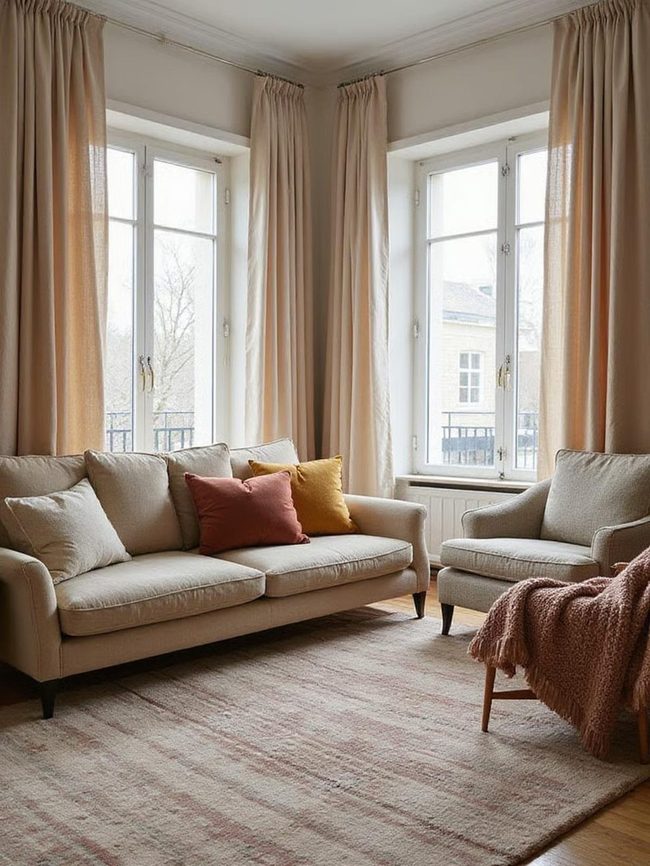
Fabrics offer one of the quickest ways to shift how your living room feels, and the artisans who work with textiles know this well.
Layering multiple pieces with different weights, textures, and patterns builds real depth on your walls, floors, and furniture without requiring any permanent changes.
A heavy woven throw draped over a linen chair and topped with silk cushions creates something rich you can actually feel, while stacking rugs, maybe a large sisal base with a vintage piece layered on top, brings both comfort and dimension to your floor.
Textiles handle sound better than hard surfaces do, so they reduce echo and make rooms feel more grounded.
This flexibility makes them perfect for renters or anyone who likes to refresh their space seasonally.
You can layer wall hangings, drapes, and area rugs to define your room and add warmth without painting or installing anything permanent.
Throw pillows, blankets, and upholstery all fit together to engage your senses and make the space feel good to be in, not just pleasant to look at.
Mixed Orientation Books And Ceramics
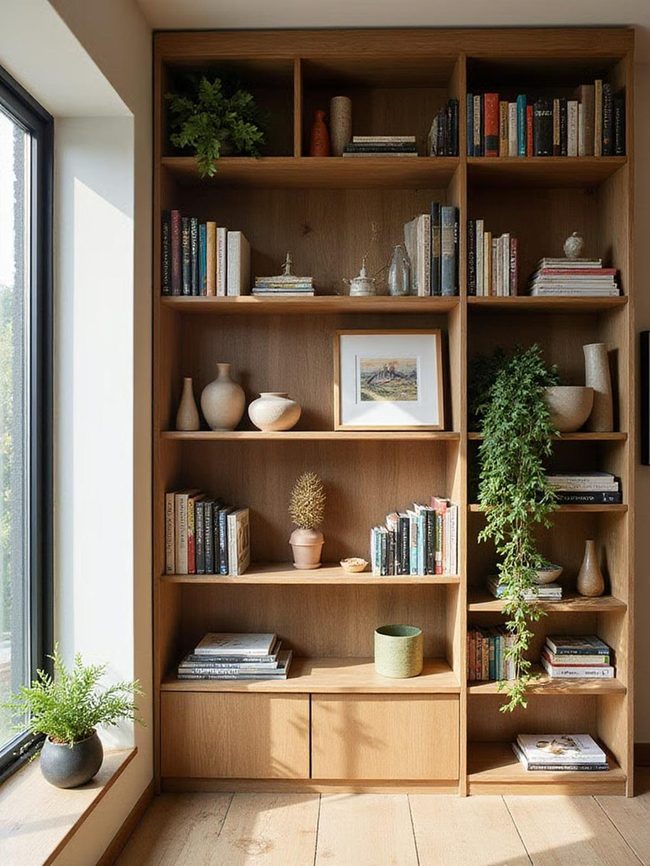
Bookcase styling works best when you start by clearing everything off and rebuilding from scratch, just like experts do.
Big anchor pieces, think substantial books, boxes, or sculptural objects, should go in first, spread out unevenly across your shelves to balance the look.
Layer smaller items in front of or beside these anchors and leave some breathing room; you don't need to fill every spot.
Books look more interesting when you mix vertical and horizontal placements, and stacked books make excellent bases for displaying smaller objects.
Bring in different textures and materials like ceramics, metals, natural wood, and woven pieces to add dimension and keep things from feeling flat.
A solid formula to follow includes roughly sixty percent books in mixed orientations, twenty percent decorative containers such as boxes or baskets, ten percent natural elements like plants or stones, and ten percent personal touches such as photographs or mementos.
Beyond just looking good, through this design, has a bonus benefit, displaying what you genuinely love on your shelves discourages you from buying things you don't need and helps your apartment living room feel like an honest reflection of who you are.
Floating Furniture Opens Small Spaces
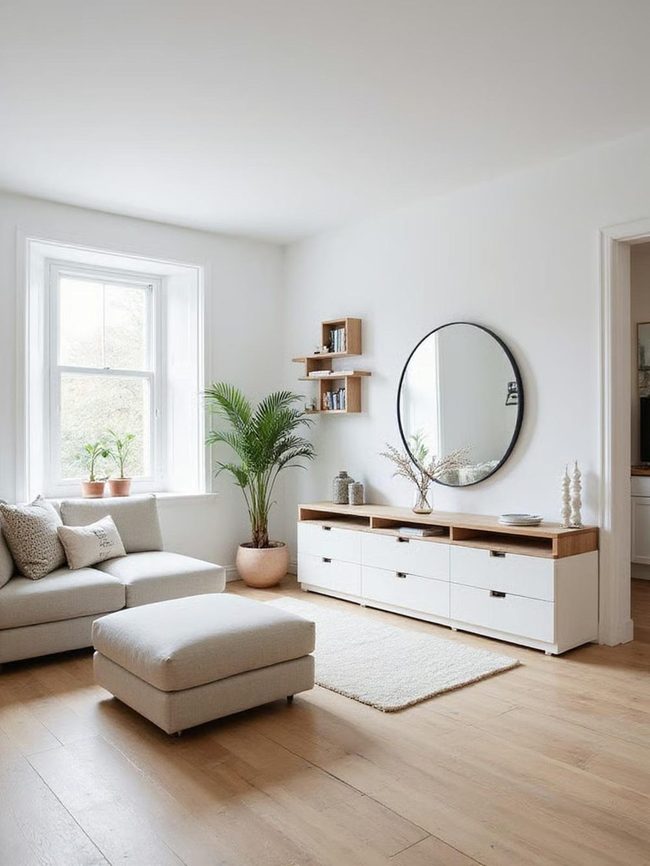
Understanding how your apartment's living room flows is where success in small spaces really starts, and this matters because limited square footage means every centimeter needs to work hard for you.
Furniture that crowds pathways or sits awkwardly in the room can make even moderately sized spaces feel crampy and off-putting, so strategic placement of your pieces actually shifts how spacious things feel more than you'd expect.
Rather than pushing everything to the walls (which is what most people do first), floating your furniture slightly away from them creates real depth and openness.
Selecting pieces with thin arms and minimal profiles, sofas and chairs that don't take up visual weight, helps throughout item serve both function and a sense of lightness at the same time.
Main pathways need at least three feet of clear space to move through, and this isn't just about comfort; it's backed by research showing that rooms feel less tight when you can actually walk around freely.
I noticed this principle in action when South Asian clients arranged traditional low seating in their contemporary London flats and managed to carve out intimate gathering spaces that somehow felt roomy despite the small footprint.
Eclectic Pieces Tell Your Story
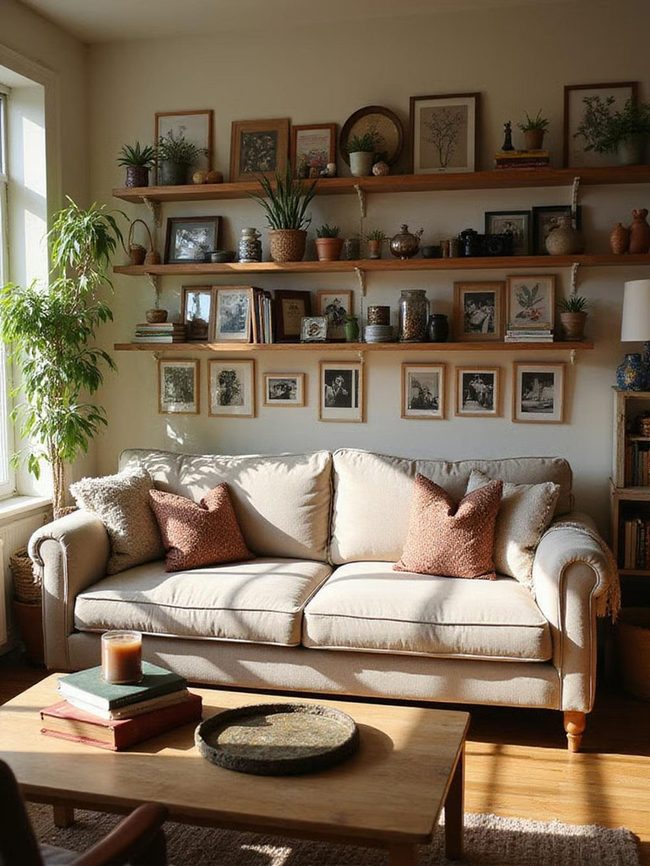
When you decorate an apartment with pieces that genuinely matter to you, the space becomes a reflection of who you are and where you've been.
Objects from different cultures and traditions can sit beautifully side by side, imagine a hand-embroidered textile from Rajasthan draped across a minimalist Scandinavian chair, or brass vessels clustered on a modern shelf, and this mix tells the story of your taste and experiences without feeling forced or overly designed.
Since apartment space is limited, every decorative item needs to earn its spot by connecting to your identity, memories, or the life you want to build, rather than just filling empty corners.
Before bringing something home, ask yourself whether it brings back a feeling you love, whether it serves a real purpose beyond looking nice, and honestly, whether you'd buy it again if it broke or if you'd feel relieved to see it go.
Good pieces also work in different arrangements, so you're not locked into one setup forever.
What makes a room feel genuine is choosing items that age well and develop character over time instead of just wearing out, which means your space gets more personal and meaningful as years pass.
Five-Minute Evening Reset Routine
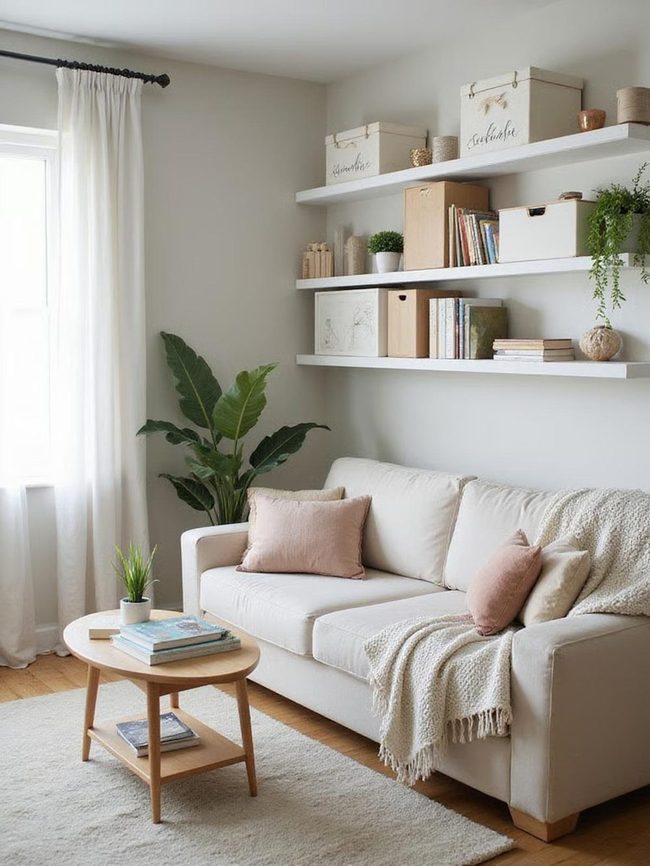
Keeping a living room organized makes a real difference in how relaxed you feel there, and research shows that visual clutter actually raises a stress levels, so this isn't just about looks, it's about a wellbeing.
Start by being honest about how you actually use a space instead of imagining an ideal version that doesn't match a life, then place things where you naturally need them, like remotes in a box by the sofa or books in a basket near a favorite spot.
Setting up charging stations where you usually plug in devices and following a simple "one in, one out" rule for books and decor prevents things from piling up over time.
Organization works best when a systems fit how you naturally move through a home rather than fighting against a habits.
A balanced approach to organizing means a room feels calm and livable, not rigid or overly controlled.
You could be aware of that spaces ordered this way support genuine relaxation rather than adding stress to a daily life.
Large Rugs Ground Furniture Zones
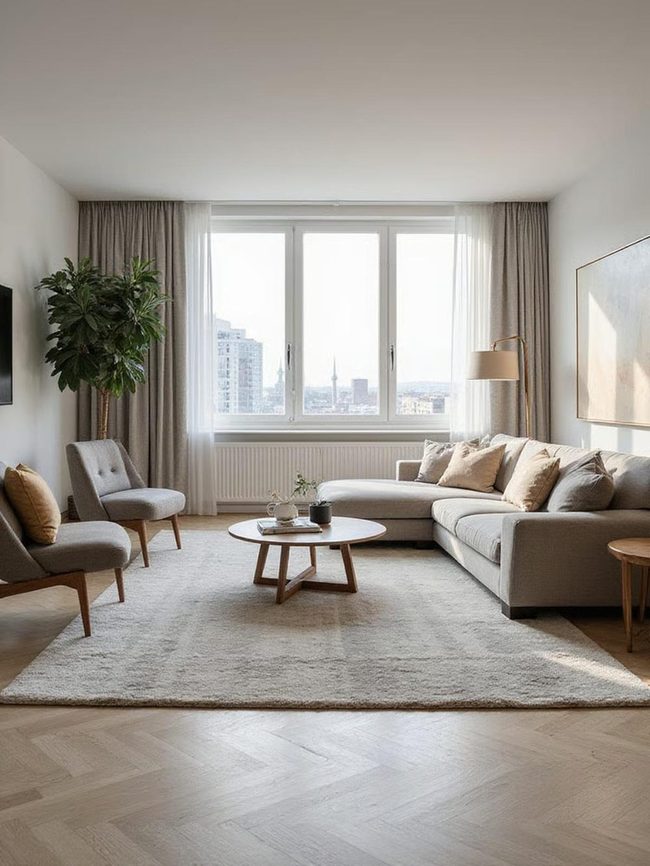
Rugs are one of those elements that can instantly transform your living room by defining where furniture belongs and creating separate zones without needing walls or dividers.
When you choose the right rug, it anchors your seating arrangements and makes the whole space feel more organized and carefully arranged.
Beyond looks, rugs also absorb sound and add warmth underfoot, which is especially helpful in apartments where you want to reduce noise traveling to neighbors below.
Size is critical here, many people pick rugs that are too small, which leaves furniture floating awkwardly in the middle of the room and breaks up your space instead of pulling it together.
A good rule is to pick a rug large enough so the front legs of your seating pieces rest on it, and this immediately creates a unified area where people naturally gather.
Rugs have the added benefit of trapping allergens and dust particles in their fibers so they don't circulate through your air, and regular cleaning keeps them working well for you.
Large Mirror Light Multiplier
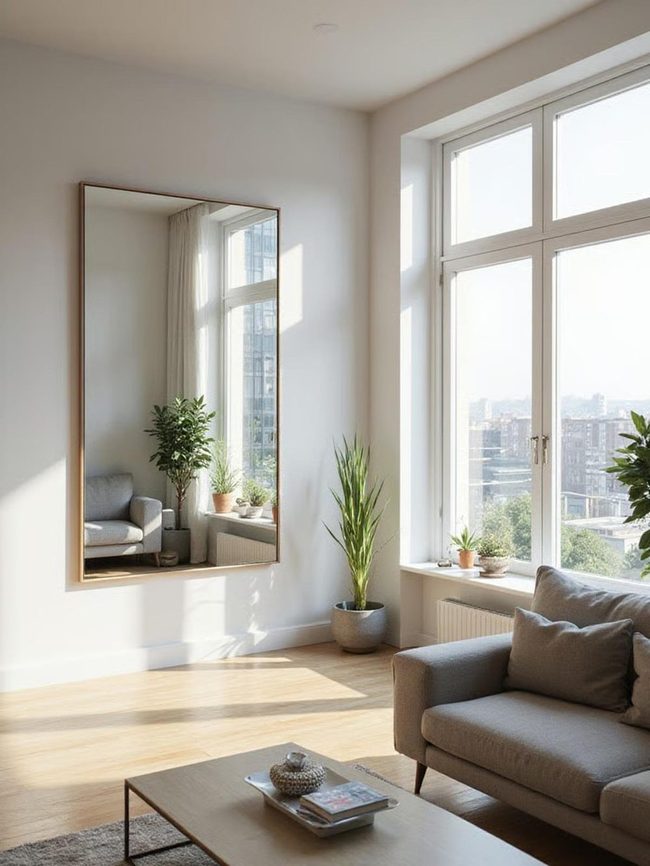
Handcrafted mirrors have a fascinating history stretching back centuries, and they're just as useful in modern apartments today.
Position a large mirror directly across from your window and you can see natural light bounce around the room while patio views seem to extend deeper inside.
A floor-length mirror leaning against a wall makes your ceiling look taller and serves as an architectural element on its own.
Smaller mirrors arranged gallery-style across a wall add sparkle and depth while breaking up the surface.
Mirrors work by reflecting light and doubling how deep your room feels, so even tight spaces can seem more spacious and open.
Many mirrors today are made with eco-friendly silvering techniques that are better for the environment while still delivering that same sense of expansion.
This simple approach to decoration takes minimal effort and gives you maximum benefit in how your living room actually feels to live in.
I appreciate how something so straightforward can shift the whole mood of a space.
Wall-Mounted Tv Space Solutions
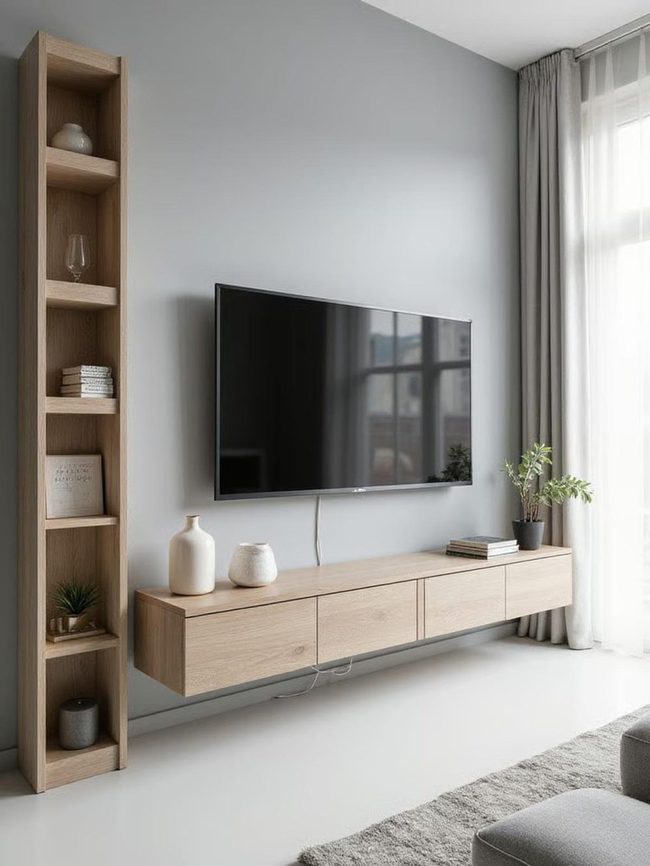
Modern entertainment centers have come a long way from those heavy wall units of the past, and today's wall-mounted televisions offer a game-changing solution for apartments by freeing up floor space and delivering a much cleaner overall appearance.
Floating media consoles positioned beneath your TV provide smart storage without the bulk of old-fashioned entertainment furniture, and strategic cable management, whether through simple cord covers or built-in wall channels, keeps all those wires hidden from view so your space doesn't look tangled.
You can also mount speakers on walls or tuck them into shelving systems to keep them from taking up visual real estate while still delivering great sound quality.
Positioning your TV off-center or nestled within a gallery wall setup works wonderfully too, since through the design, helps the screen blend into your room rather than demanding all the attention.
Integrating technology into apartment living rooms has become much easier now that manufacturers understand we don't want bulky pieces dominating our spaces.
Corner Nooks Become Functional Living Spaces
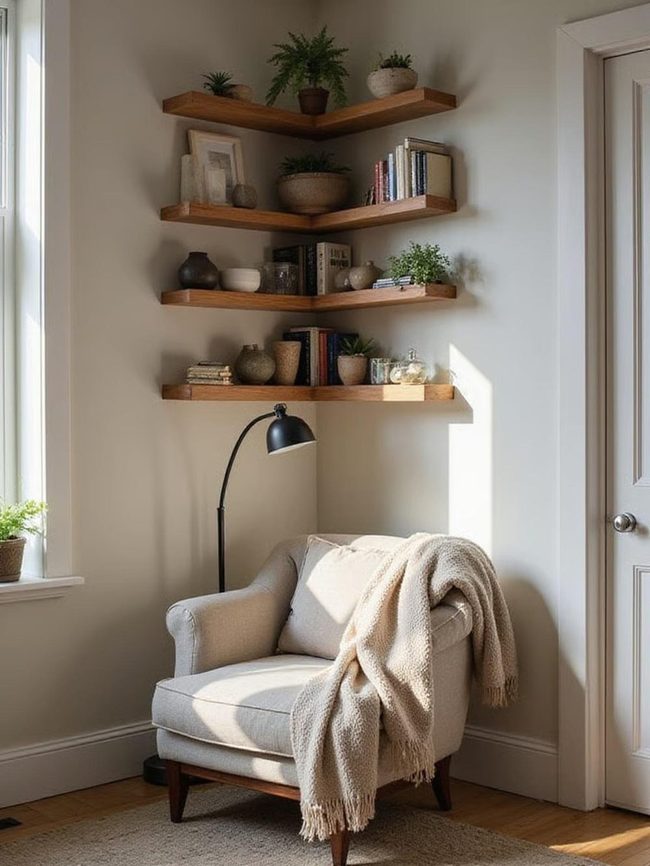
Oddly shaped corners and unused nooks exist in most living rooms, and rather than treating them as problem areas, you can turn them into spaces with real purpose and personality.
A narrow corner becomes a reading spot when you add a wall-mounted lamp and a slim chair that fits just right.
That blank wall section can hold floating shelves and a fold-down desk for a compact home office setup.
Recessed spaces work beautifully as custom shelving units that solve storage needs and look intentional.
Don't overlook the area under your windows either, a built-in bench there gives you seating and hidden storage at the same time.
Corner shelves display plants or collections without taking up floor space, while triangle-shaped desks slip into angled corners where standard furniture won't fit.
Floor-to-ceiling bookcases fill narrow gaps and draw the eye upward, making the room feel taller.
Hanging lights positioned over awkward zones help balance the space and keep the design feeling connected throughout.
Layered Lighting Shapes Apartment Moods
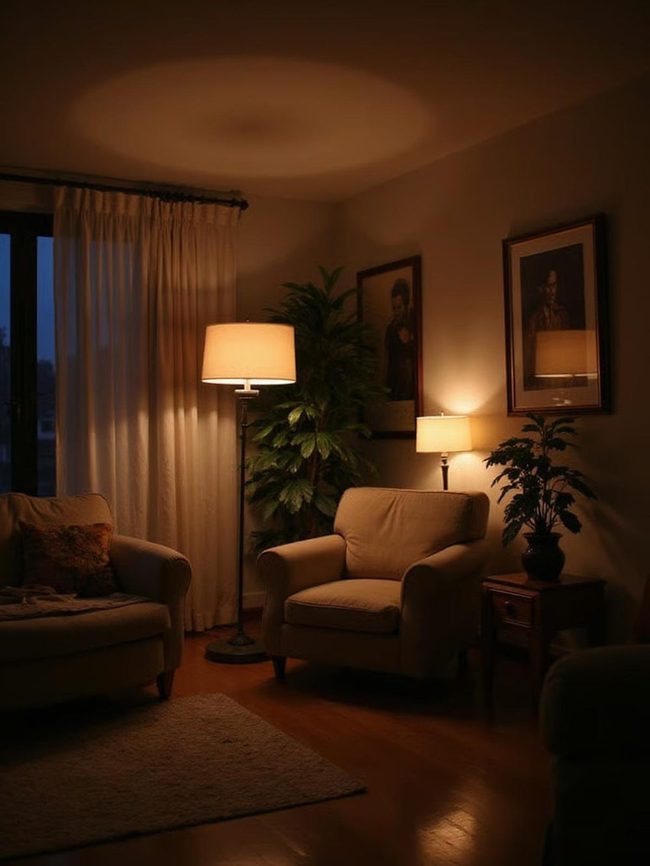
When natural light streams through your windows during the day, strategic lighting reshapes your apartment living room into something far more atmospheric than just a functional space.
Lighting is actually the invisible architecture that shapes how you feel emotionally in a room, and in apartments where daylight can be limited, getting this right matters even more.
Layering different light sources creates real depth and dimension throughout your space.
Ambient lighting provides your overall illumination, task lighting focuses on specific activities like reading, and accent lighting highlights architectural features or artwork.
You can shift the mood of your living room throughout the day and evening by adjusting these layers to match different activities and how you want to feel.
Warmth matters too, selecting bulbs in the 2700K-3000K range gives you that gentle glow rather than the harsh, clinical feel of cooler temperatures, which is especially important in apartment living rooms where you want to build a sanctuary-like environment.
Navy Accent Wall Opens Small Rooms
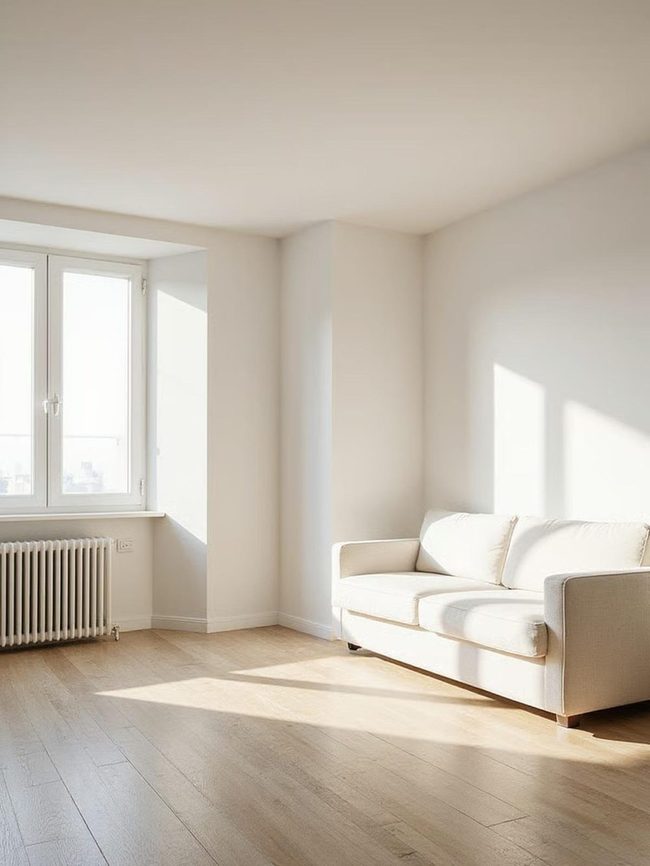
Paint colors for small apartment living rooms work best when you move beyond the old rule of using only white and instead embrace colors with the right undertones and finishes.
Navy or charcoal on a single accent wall creates dramatic depth that actually makes spaces feel larger through optical tricks rather than relying on actual square footage.
Muted whites with warm undertones like cream, ivory, and off-white feel far more welcoming than stark white, which tends to look sterile and cold.
Pale blues and greens with gray undertones add dimension while keeping brightness levels high, and these cool tones naturally appear to recede from view, making walls seem further away and rooms feel more spacious.
Light colors do bounce more light around and can make walls appear to step back, but what really matters is choosing undertones that work with your space and lighting.
Eggshell and satin finishes provide a muted sheen that bounces light without showing every wall imperfection like glossier options would.
Understanding how light and color perception actually function gives you lasting results that work season after season, so you can design rooms that feel expansive through smart color choices instead of hoping to squeeze more square footage out of your space.
Cushioned Corner For Serious Readers
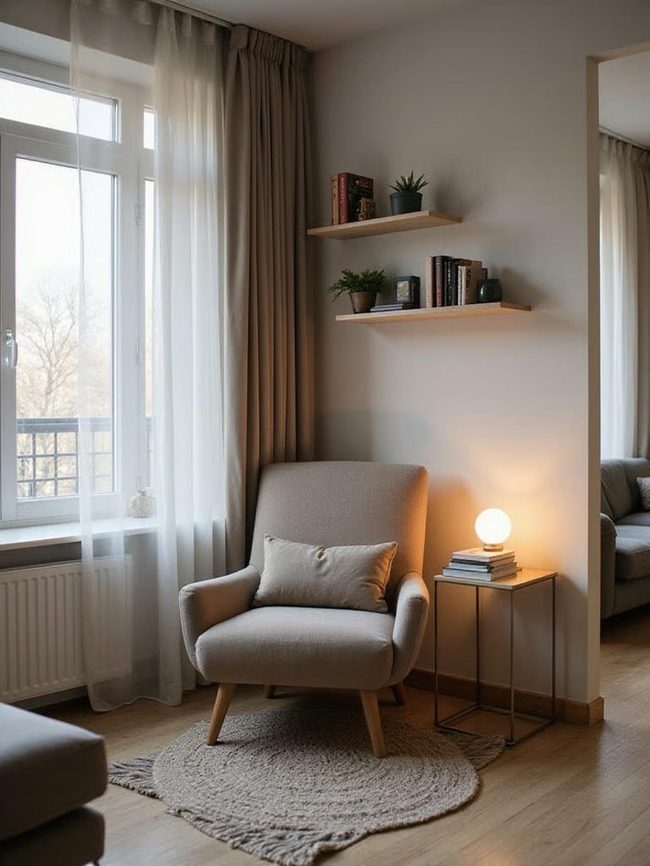
Carving out a dedicated reading nook in your apartment living room means setting up a space that serves both your comfort and your need to escape into books.
A good chair makes all the difference, so pick something cushioned and supportive, an armchair, chaise, or window seat works well, and you can add pillows or a gentle throw blanket to make it even more comfortable.
Lighting deserves real attention because reading in shadows or harsh glare ruins the whole experience, so position your light source to shine on your pages without creating reflections and have options for both daytime and evening reading.
Keep a small table nearby for your drink, phone, or current book stack so you're not constantly getting up.
Adding a plant brings life to the space and freshens the air, while a scented candle or two can set a calm mood without being overwhelming.
Some books on a shelf nearby make grabbing your next read easier and signal that this corner belongs to reading.
Since research shows that just six minutes of reading can lower stress levels by up to 68%, this dedicated spot becomes genuinely valuable for your mental health.
Living Room Refresh Without Spending Money
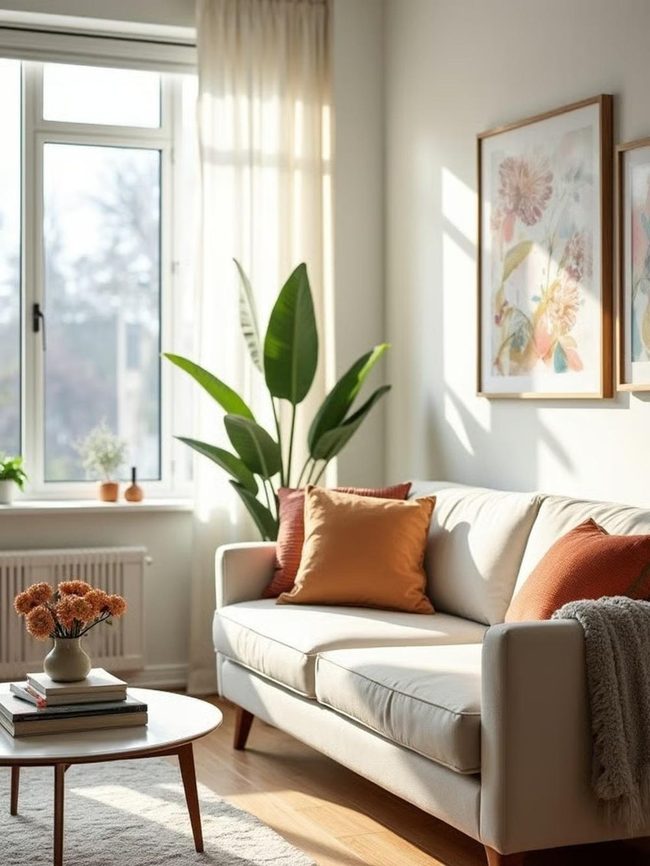
Swapping out pillow covers for ones with different textures and patterns or draping a throw blanket in a new accent color shifts the whole mood of your room in minutes, and rearranging your existing textiles works just as well without spending a dime.
Reorganizing your wall art or building a fresh gallery wall setup takes no money at all with touches of makes style the space feel brand new.
Moving furniture around to establish a different layout completely changes how you move through and experience your living room.
Editing what you display, taking away some pieces, grouping others in new ways, or rotating items from storage, opens up space and gives you a renewed sense of your own home.
Deep cleaning everything makes surfaces shine and enhances how the room looks overall.
Rearranging bookshelves with a fresh arrangement and bringing in natural elements like branches or flowers adds life without any cost.
When you approach your apartment living room with fresh perspective, even awkward spaces become easier to work with and sometimes reveal possibilities you hadn't noticed before.
Green Leaves Purify Your Living Room
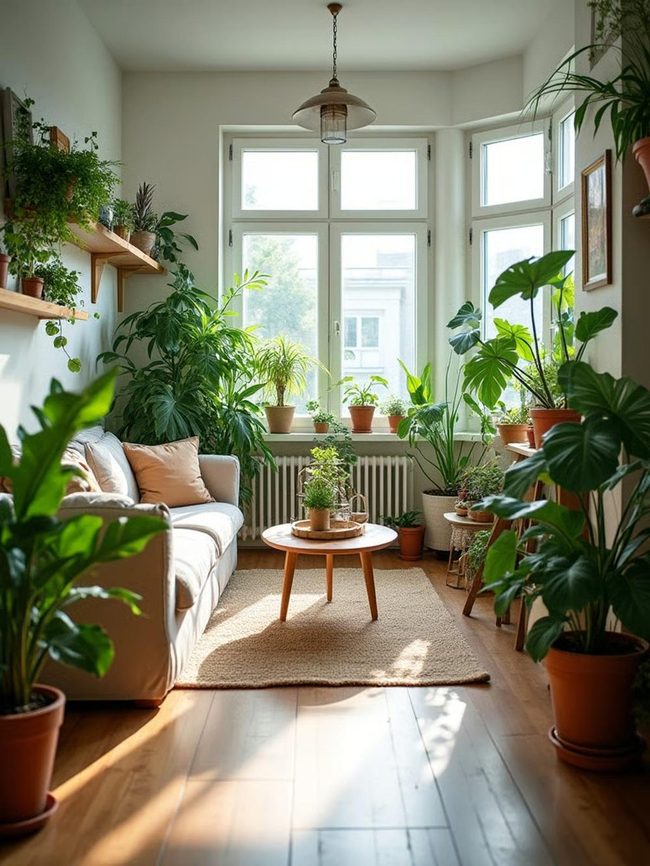
Indoor plants transform apartment living rooms in ways that go far beyond decoration, and they do this by improving air quality through filtering toxins and releasing oxygen into your space.
Watching plants can actually lower your blood pressure and heart rate, which means they're doing real work for your mental health and calm.
If you're new to keeping plants or your apartment doesn't get much natural light, snake plants, pothos, and ZZ plants are forgiving options that handle low light and skip watering better than most varieties.
Spider plants and peace lilies make things easy by drooping noticeably when they're thirsty, so you know exactly when they need help.
You can play with different heights and leaf shapes to build visual interest, let trailing plants drape over shelves, position tall plants in bare corners, and scatter small ones across tables and surfaces.
Plants turn your living room into a small ecosystem that purifies the air around you and helps you feel connected to nature even in a busy city, and they reduce stress in ways that matter to your everyday life.
Living Room Traffic Flow Matters
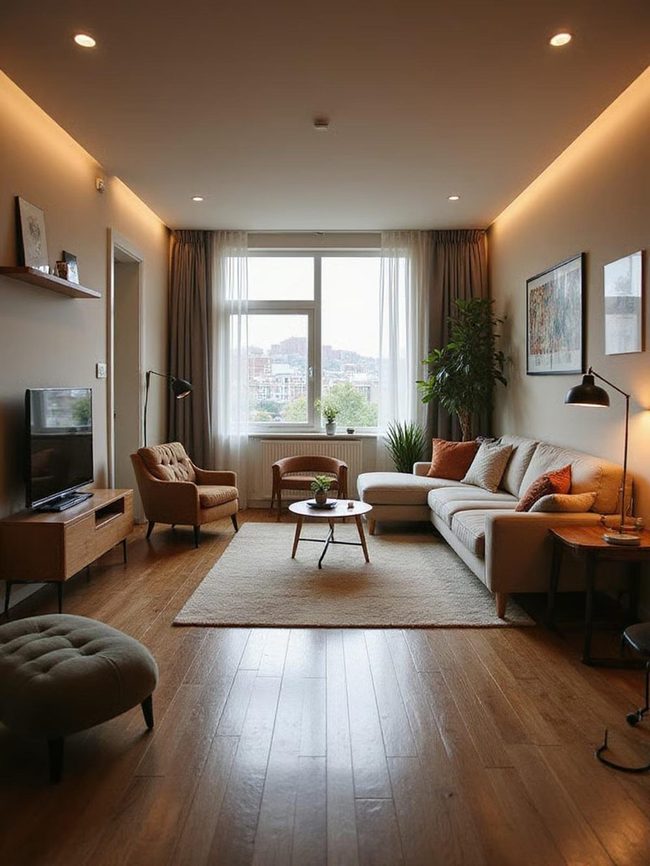
When I started thinking about how to arrange furniture in a living room, I realized that traffic patterns and the way people move through a space matter just as much as what pieces you choose.
Beautifully selected furniture can actually work against you if the arrangement makes people navigate awkwardly or sit too far apart to talk comfortably.
Start by spotting the natural focal points in your room, windows, fireplaces, or where your TV goes, and map out the main pathways people will use to walk through.
Make sure walkways stay at least three feet wide so family members can move without squeezing past anything.
Seating needs breathing room, and you may want to keep pieces no more than eight feet apart so conversations feel natural and connected.
Floating furniture away from walls often makes the room feel more welcoming and actually makes the space seem larger than it is.
Beyond pathways and seating distance, think about spreading furniture evenly around the room and checking sight lines from the entrance, so the space feels balanced when someone walks in.
Every seat should have a small table or surface nearby for drinks and personal items, which keeps the room functional and comfortable.
Adhesive Art Gallery For Renters
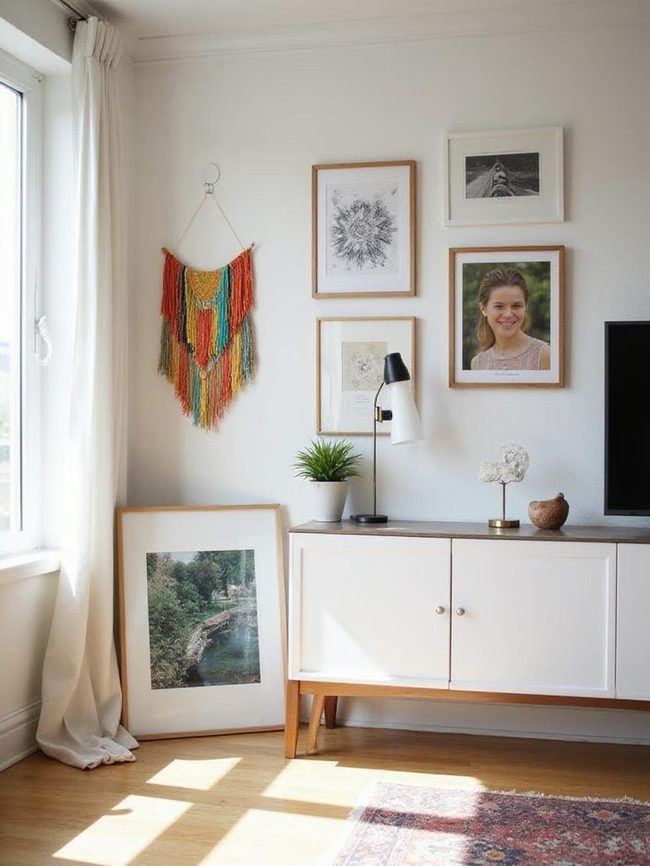
For renters dealing with lease restrictions, personalizing your living room walls without losing your security deposit takes some smart thinking, and adhesive solutions have made this easier than ever.
Leaning oversized pieces directly against your walls gives off a relaxed gallery vibe without any damage, while command strips and similar adhesive products hold substantial weight when you apply them correctly.
Lighter prints work wonderfully with washi tape, which frames them in fresh colors and peels away cleanly.
Textile art like tapestries hang beautifully on tension rods, and temporary adhesive hooks support lighter frames just fine.
The color relationships between your pieces build a visual rhythm that shifts your rental from looking plain and generic to feeling personal and inspiring.
You don't need a single nail or screw to build a gallery that reflects who you are.
Picture rails attached to your molding offer another option if your apartment has them, giving you flexibility as your taste changes.
Lift-Top Coffee Table Storage
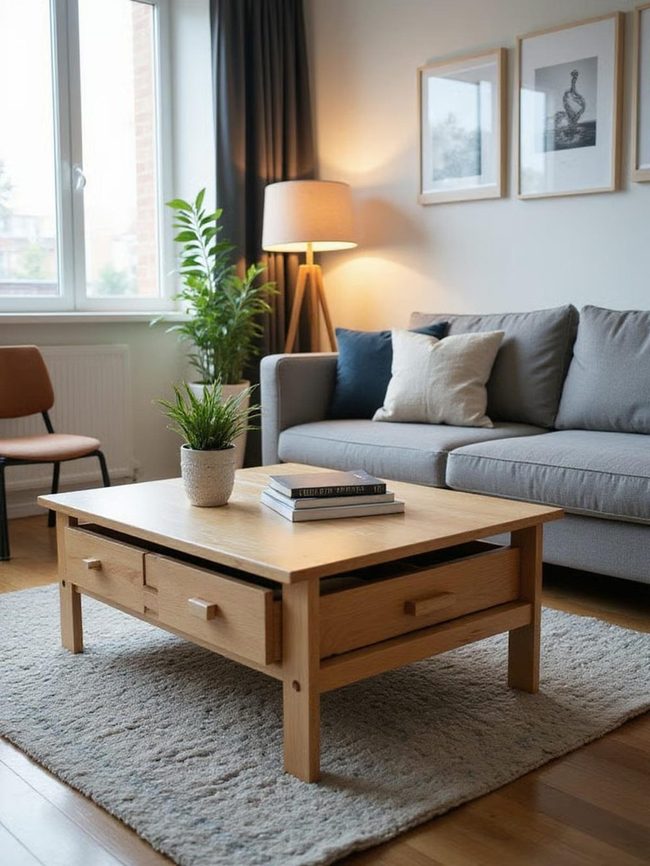
When you run your hand across a coffee table's surface, you start to understand why selecting the right one matters so much in apartment living rooms, these central pieces often work harder than any other furniture in small spaces, serving as dining surfaces, workspaces, storage units, and display areas all in a single day.
Look for designs that hide useful features without compromising on looks, like tables with lift-tops that adjust to comfortable working or dining heights and nesting styles that separate for visitors and tuck away when you don't need them.
Storage drawers or shelves tucked beneath keep your essentials organized and within reach, while materials deserve thought too, glass feels visually light but shows every fingerprint, while wood brings warmth and needs coasters for protection.
Getting the proportions right means choosing a height close to your seating cushions and sizing it so at least 18 inches of space remains between the table and surrounding furniture.
Built-in charging stations or outlets add another layer of usefulness for today's connected living, and lightweight designs make it simple to move things around when you need to rearrange.
Vintage Finds Transform Budget Living Rooms
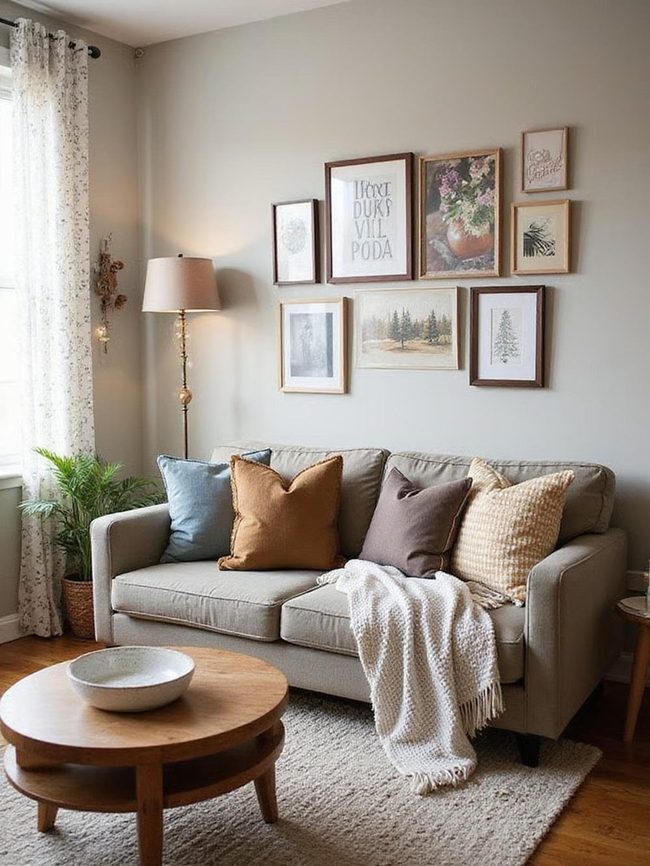
Most homeowners want a designer look without the designer price tag, and apartment living rooms especially need smart solutions when both budget and space are tight.
Thrift stores, estate sales, and online marketplaces hold amazing treasures if you know what to look for, seek out items with interesting shapes or solid materials that respond well to paint or new hardware.
That vintage wooden chair sitting in a corner might just need light sanding and a fresh cushion to become the statement piece your room needs.
Even simple things like glass bottles or branches from outside can turn into striking accents when you arrange them with care.
Upcycling gained real momentum as people looked for creative, wallet-friendly ways to decorate and turn ordinary items into something beautiful.
Paint treatments, fabric wrapping, and decoupage work in any room of your home and prove that apartment style doesn't require spending a lot of money.
You can apply these same techniques across your whole space and watch ordinary objects become pieces that spark interest and .
Hidden Setups Transforms Living Rooms
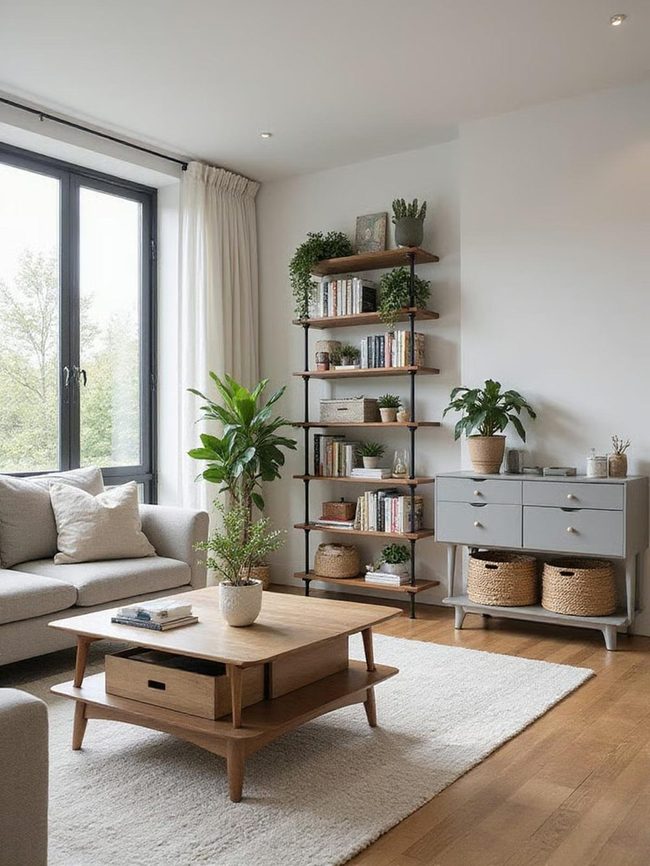
Mess in your living room destroys the calm you want from a beautiful space, and storage goes beyond just hiding things away, it actually affects how you feel day to day.
Research shows clutter and stress go hand in hand, especially for women who experience that nagging sense of unfinished business when things lie around disorganized.
Good storage does double duty by looking good while keeping stuff out of sight, so hunt for pieces that earn their place like ottomans with lift-up tops, coffee tables hiding compartments underneath, or floating shelves that guide your eyes upward and keep items neat.
Most apartments waste the vertical space on their walls, but you can use that area for both user-friendly storage and visual appeal.
Try tall narrow bookshelves stacked up high, multi-functional furniture with hidden compartments, decorative baskets and boxes that match your style, floating shelves above doorways or windows, and side tables with drawers or shelves built in.
Here's something nice about smart storage solutions, they not only organize what you have but also make you think twice before buying more since you be aware of exactly what's already in your home.
Loveseat Solutions For Compact Apartments
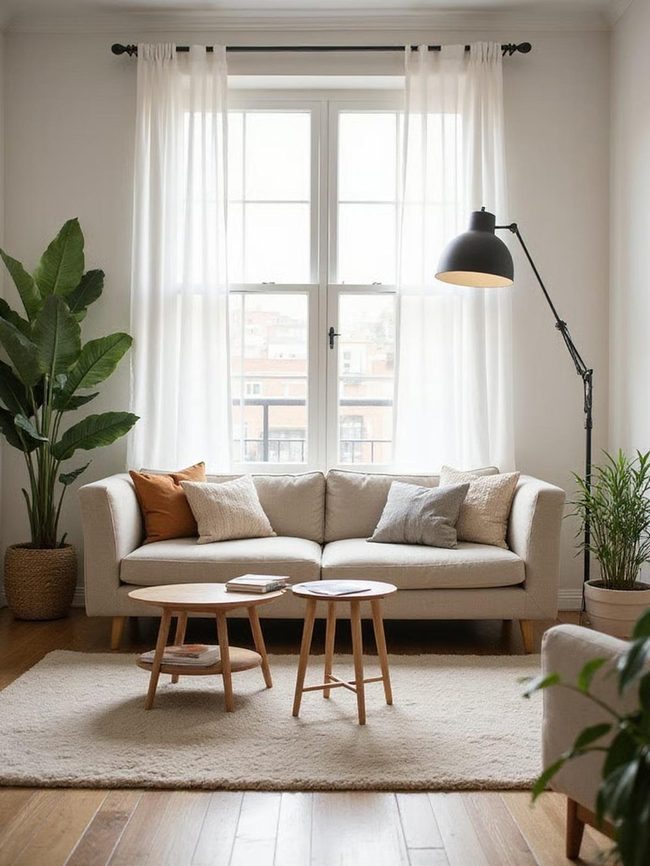
That apartment's sofa serves as the foundation for your entire living room, so picking the right one demands more than just eyeballing the open floor space.
Before you fall in love with any sofa at the store, you need to think practically about how it will actually get into your home, measure your doorways, hallway widths, stairwell dimensions, and elevator size if you live in a high-rise, because a gorgeous sofa that can't fit through your front door is nothing but an expensive headache.
Beyond the standard three-seater, you might explore loveseats for a more intimate feel that won't dominate a smaller room, or consider a small-scale sectional that tucks neatly into a corner, or even go with modular pieces that shift as your life changes.
Pay attention to visual weight alongside actual measurements because a sofa with exposed legs lets light pass underneath and makes your space feel less cramped than one that sits flush on the floor.
Loveseat frames are historically built to seat two people in close proximity, and this thoughtful construction makes them both space-smart and structurally reliable for apartment living.
Vertical Shelving Maximizes Small Apartments
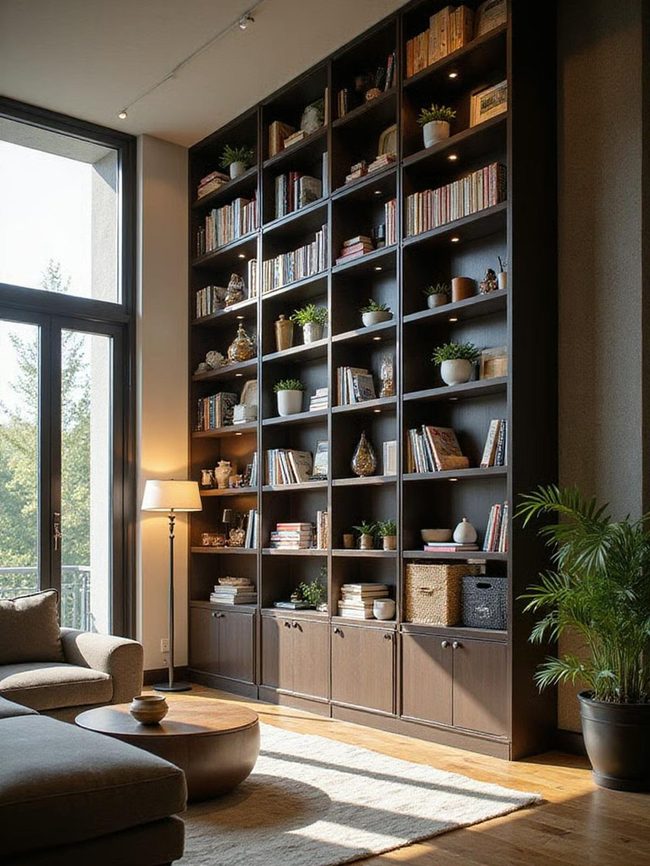
Going vertical rather than spreading things out horizontally proves far more effective when you're working with limited floor space in an apartment living room.
Walls become your best asset, and floor-to-ceiling shelving units transform those blank surfaces into functional storage and display areas that also guide your eyes upward, which actually makes your ceilings look taller.
You can choose from many smart options like freestanding or built-in bookcases, modular systems that adjust as your needs shift, floating shelves in different lengths, corner units, leaning ladder shelves, or even shallow shelving tucked above doorways and windows.
Lower shelves work best for items you grab regularly, while higher spots showcase decorative pieces or store things you don't use as often.
Floating shelves offer a lighter appearance that won't make your room feel cramped or heavy.
Modular systems give you flexibility since your requirements change over time, and even those overlooked spots above doors and windows can hold books or small collections.
Arrangement cuts down on storage footprint while boosting how much you can actually store, something that matters greatly in apartment living rooms where space is precious.
Rugs And Lighting Define Living Zones
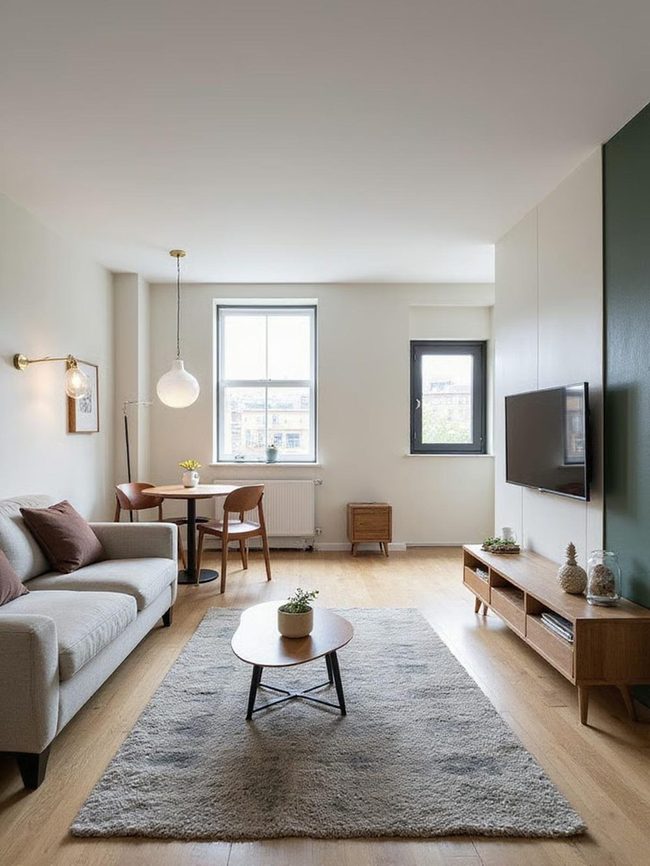
Boundary rugs anchor different areas and signal where relaxation, work, or dining happens without needing actual walls, which helps you feel organized and focused even in a small space.
Furniture placement does similar work, rotate a bookshelf perpendicular to the wall and you've separated your workspace from the living area naturally.
Lighting matters just as much, since different brightness levels and fixture types help in all zone feel distinct and serve its own purpose.
When one room needs to handle relaxation, work, dining, and exercise all at once, these visual separations support both how your space functions and how your mind settles into different activities.
One apartment living room can shift from a place to focus on work to a place to unwind simply because you've created these boundaries.
Your focus actually improves in a dedicated workspace area compared to working from a sofa, and that's worth the small effort of arranging your room thoughtfully.
These divisions help separate your mental state, so your brain knows it's time to work in one corner and time to relax in another.
Gray Performance Fabric Living Solutions
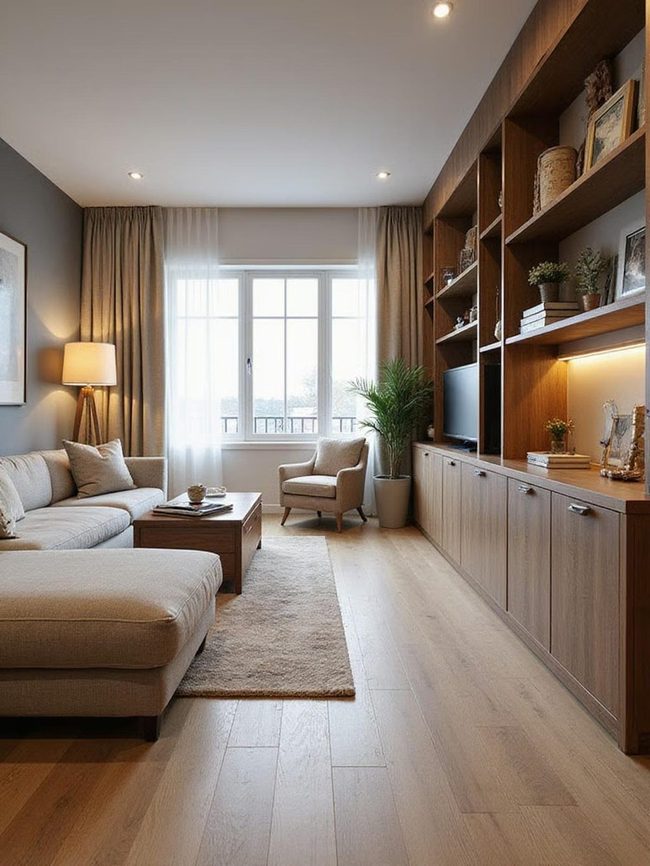
Performance fabrics have revolutionized apartment living room design by offering the look of luxurious textiles with remarkable resistance to stains, fading, and wear.
Modular furniture systems emerged as a direct response to the need for flexible and space-saving living solutions in smaller urban homes and apartments.
Consider your actual living patterns honestly, if you eat meals on the sofa, choose stain-resistant fabrics and include side tables large enough for plates, and if you work from home occasionally, ensure proper lighting and seating that supports good posture.
For homes with children or pets, select durable materials and rounded edges on furniture.
In smaller spaces, every item must justify its presence both aesthetically and space-savingly, yet we can pair this space-saving approach with authentic style elements to express personal aesthetics and cultural influences.
Your apartment living room can accommodate real life and still feel like a reflection of who you are and what matters to you.
Low-Profile Seating Without The Sofa
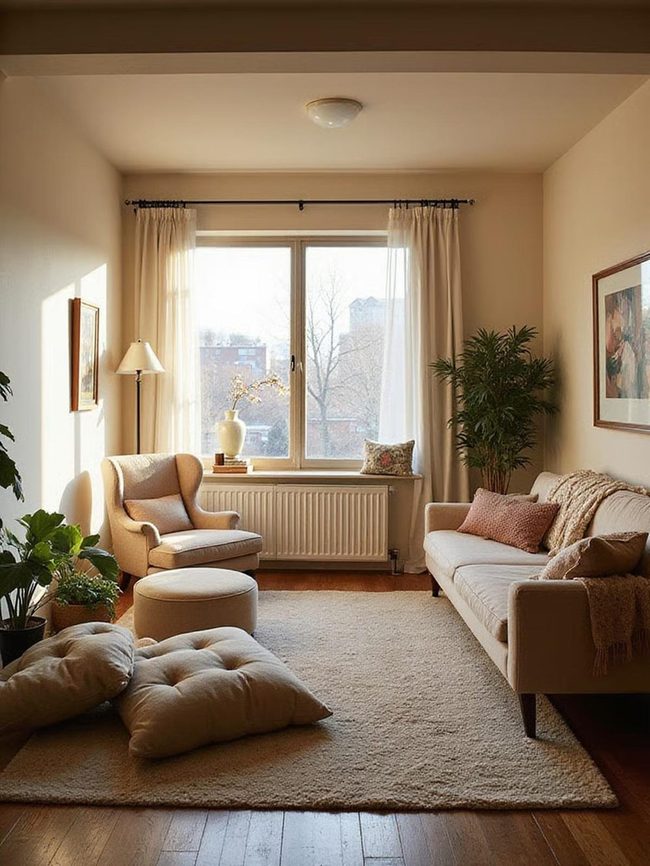
Pair comfortable armchairs with a shared ottoman to shape a seating zone that feels both airy and intimate, or position a daybed along your wall to serve double duty as daytime seating and a guest bed for overnight visitors.
Low-profile lounge chairs with slim lines offer sophisticated seating without eating up your square footage, and floor cushions arranged around a coffee table let you build a relaxed, bohemian vibe while keeping things easy to shift around when everyone visit or you need floor space.
Standard sofas often feel like a required piece, yet stepping back from that assumption opens up better flexibility, lighter visual presence, and often smarter functionality based on how you truly move through and use your room.
Many cultures around the world prefer sitting on the floor with cushions or mats rather than raised furniture, which shows us that a traditional sofa isn't the only way to achieve comfort or bring people together.
Through the design, frees you from cramming an oversized, potentially awkward piece into a smaller apartment living room.
Isabella Martinez
Founder & Lead Design Enthusiast
Expertise
Seasonal Home Décor, Interior Styling, Space Planning, DIY Home Projects, Sustainable Design Solutions
Education
Savannah College of Art and Design (SCAD)
Pratt Institute, School of Design
Isabella Martinez is the founder of Decorrio, where she shares her love for seasonal home décor and creative design. With a background in interior design from SCAD and a master’s from Pratt Institute, she specializes in stylish, functional, and sustainable spaces.
With over 10 years of experience, Isabella helps homeowners bring warmth and personality into their homes. She loves DIY projects, festive decorating, and collaborating with local artisans to create unique designs.
When she’s not designing, Isabella enjoys exploring Austin’s arts scene, crafting, and hosting gatherings filled with seasonal charm.